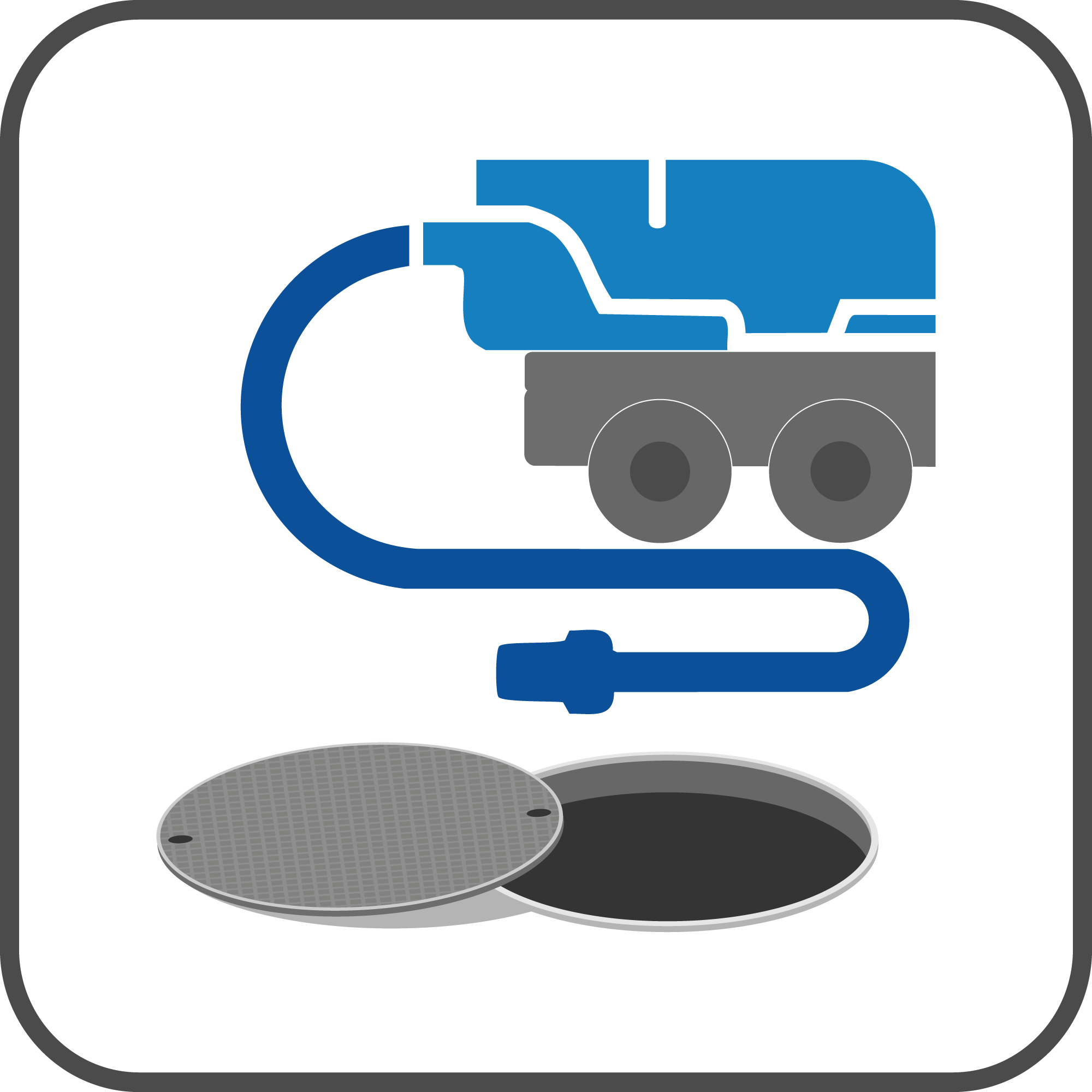
Condominium sewer maintenance is a fundamental aspect to ensure the proper functioning of systems and to prevent issues such as blockages, bad odors, or flooding.
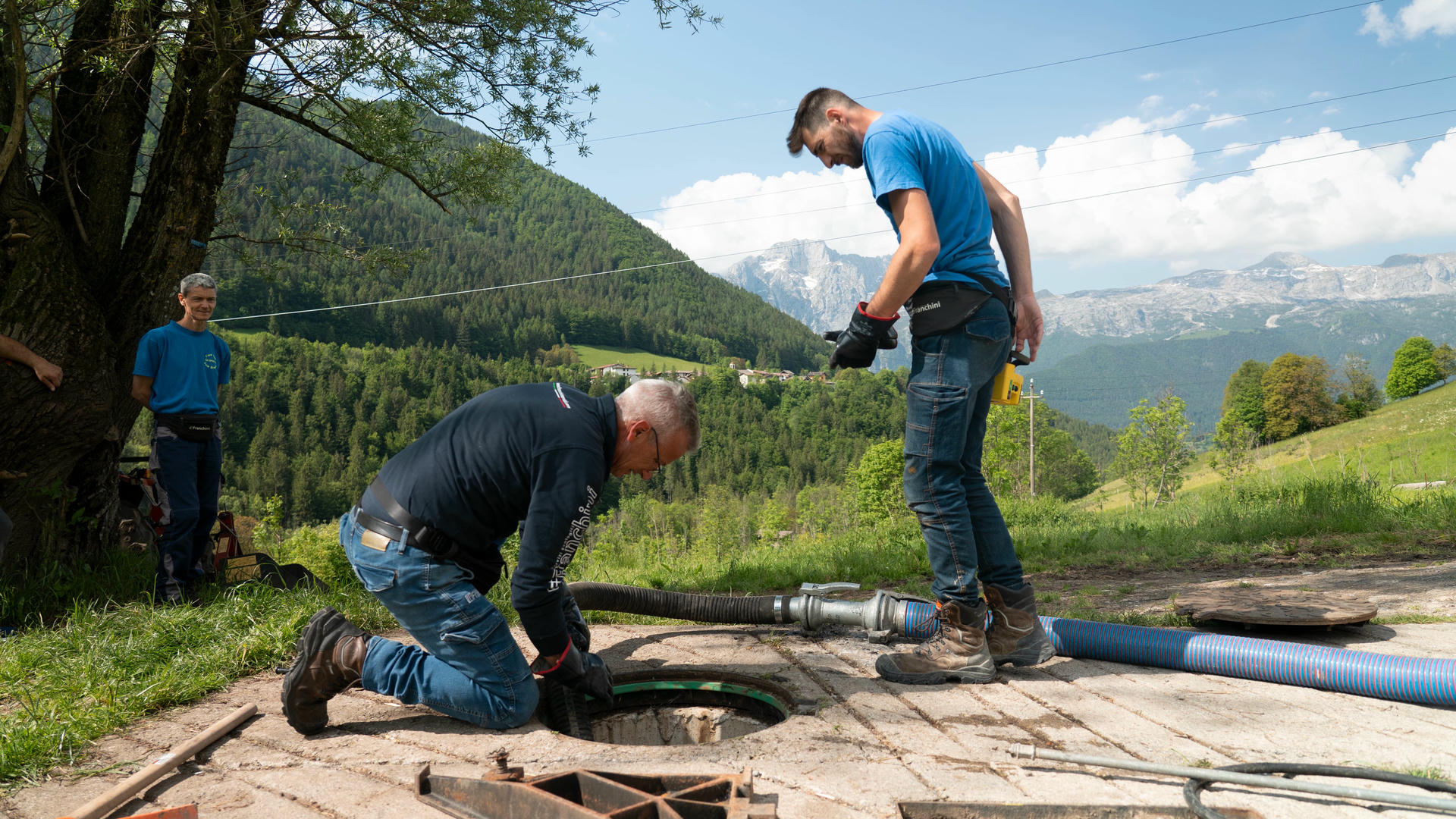
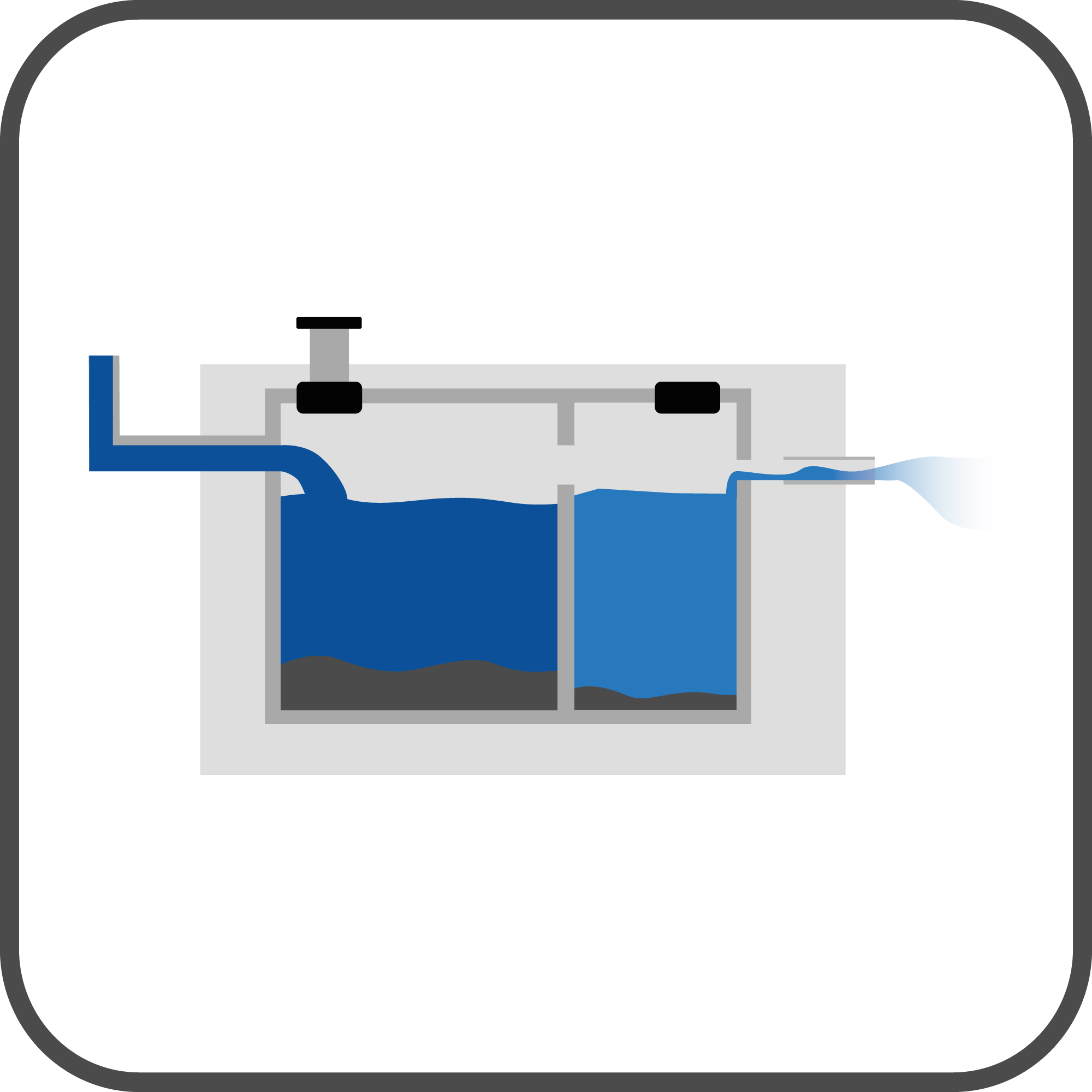
A condominium sewer system refers to all pipes and drainage systems serving multiple residential units within the same building. It is therefore a shared system, whose management falls under the condominium.
In particular, it includes:
Private pipes inside individual apartments are excluded, as they remain the responsibility of the individual owner.
Sewer maintenance is not only good practice but often necessary to avoid damage and legal liability.
It is essential to schedule regular interventions because progressive build-up can cause:
Although no legal frequency is strictly defined, periodic maintenance is recommended, generally annually or semi-annually, depending on usage and number of units.
One of the most critical aspects of condominium sewer maintenance is cost distribution. The general rule is that shared parts are paid by all residents, but there are important distinctions.
In general:
Correct identification of the problem source is essential to avoid disputes and allocate costs properly.
To avoid costly emergency interventions, a planned maintenance approach is recommended. Preventive management ensures system efficiency and reduces unexpected expenses.
An effective plan includes:
This approach allows the building administrator to manage the system more efficiently and extend the lifespan of the infrastructure.
Condominium sewer management is part of the building administrator’s duties, who must ensure maintenance and safety of shared systems. The main legal reference is the Italian Civil Code (italian version), particularly articles related to shared property management and cost allocation.
The administrator must:
Failure to properly manage maintenance may lead to civil liability in case of damage, making structured and professional management essential.
Condominium sewer maintenance requires both technical and administrative attention. Proper planning of interventions and transparent cost allocation help avoid conflicts among residents, reduce long-term costs, and ensure system efficiency. Relying on qualified professionals allows building administrators to manage every phase effectively, ensuring transparency, safety, and operational continuity.
Shared system costs are divided among all residents based on ownership shares, unless a specific party is responsible.
When the issue is caused by improper use or involves private internal pipes.
No fixed legal frequency exists, but annual or semi-annual maintenance is recommended.
Yes, the administrator must manage and schedule maintenance of shared systems.
It may lead to system damage, sanitary issues, and legal liability for the condominium.
Through correct problem identification, transparent cost allocation, and scheduled maintenance.