Caricamento in corso...

WE RESPECT THE PLANET

While you visit the Franchini portal, in the event of prolonged inactivity, this screen allows us to reduce energy consumption.
Sustainability

Sustainability at Franchini

Environmental
Technological
Social
Economic

Sustainability

Sustainability at Franchini

Introduction

General Introduction

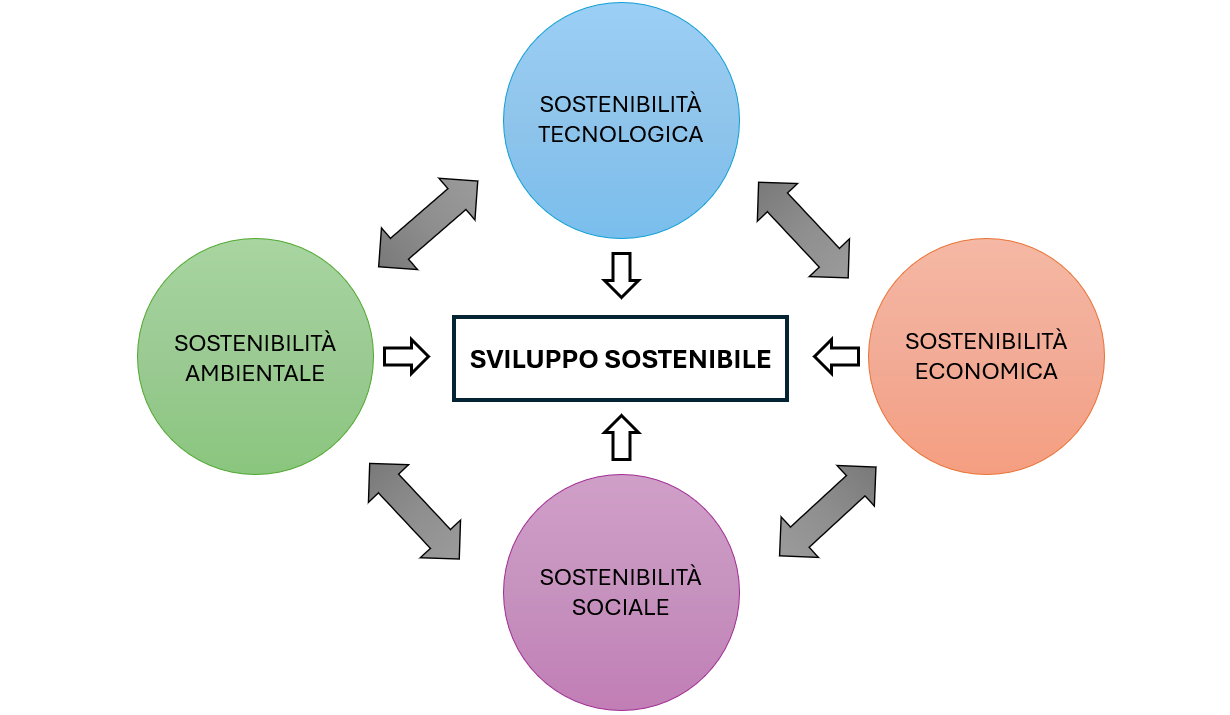
Sustainable development as a convergence point

Franchini S.p.A.’s corporate policy has always had one main goal: guaranteeing the company comprehensive sustainable development.

In general, operating sustainably means creating value for stakeholders and using resources in a way that does not compromise the needs of future generations.

However, this concept is extremely broad, complex, and varied. Therefore, we cannot limit the definition of "sustainability" within rigid boundaries; it is essential to understand its peculiarities by "opening the outer shell" of the notion.

From this perspective, it is clear that sustainable development represents the convergence point of several interconnected areas in the search for optimal operating methods. Among these methods, we recognize:

  • Environmental: aiming for responsible interaction with the environment, as well as the conservation and respect of the ecosystem;
  • Technological: targeting the introduction of new processes and the relentless improvement of existing ones without devaluing human resources or their ethical integrity, but rather offering them the means for the best possible expression;
  • Economic: aiming to create an economic model that is lasting and flexible to change;
  • Social: prioritizing the involvement, well-being, development, and above all, the safety of people and employees.

This last aspect constitutes the true foundation of our policy: without safety, for us, there is no business or sustainability that holds up.

All these fields fit into a circular perspective and prove to be complementary: they are not static, immutable entities competing equally for the final goal, but dynamic realities. Depending on the context, they compensate for one another to maintain that "spherical equilibrium" typical of the environmental sector, guaranteeing completely sustainable development.
Environmental

Environmental sustainability

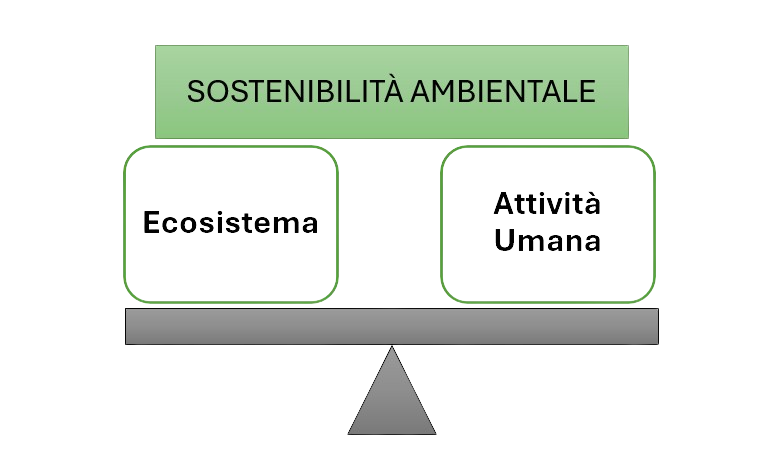
GENERAL VISION EQUILIBRIUM BETWEEN ECOSYSTEM AND HUMAN ACTIVITY

Environmental Sustainability - Balance between ecosystem and human activity

Environmental sustainability is a fundamental concept referring to the ability to maintain the balance between natural resources, the environment, and human activities in the long term, ensuring the conservation and prosperity of ecosystems for present and future generations.
This concept rests on three main pillars:
  • Resource Usage: Responsible and prudent use of natural resources (water, energy, forests, soil, raw materials). We avoid excessive exploitation and degradation by promoting conservation, recycling, and reuse. The foundation here is the search for renewability: leveraging the capacity of resources to regenerate over time so we can use them continuously without depletion.
  • Ecosystem Conservation: Protecting terrestrial, marine, and aquatic ecosystems. We aim to preserve biodiversity, maintain natural habitats, prevent pollution, and minimize negative environmental impacts like air pollution and soil deterioration.
  • Respect for Natural Cycles: Respecting ecological processes. This implies reducing greenhouse gas emissions associated with vehicles or daily activities to mitigate climate change and protect waterways and soil.
Over the years, the environmental aspect has taken on an increasingly central role in Franchini S.p.A.’s policy. We are making diversified investments to implement the synergy between the ecosystem and human activity. This commitment is not just a legal obligation, but stems from a strong desire to embrace a 'green' perspective to ensure perfect coexistence with the environment that hosts us.

Environmental sustainability

ACHIEVED RESULTS

Environmental Sustainability - Shed

The results achieved in terms of environmental sustainability are numerous:
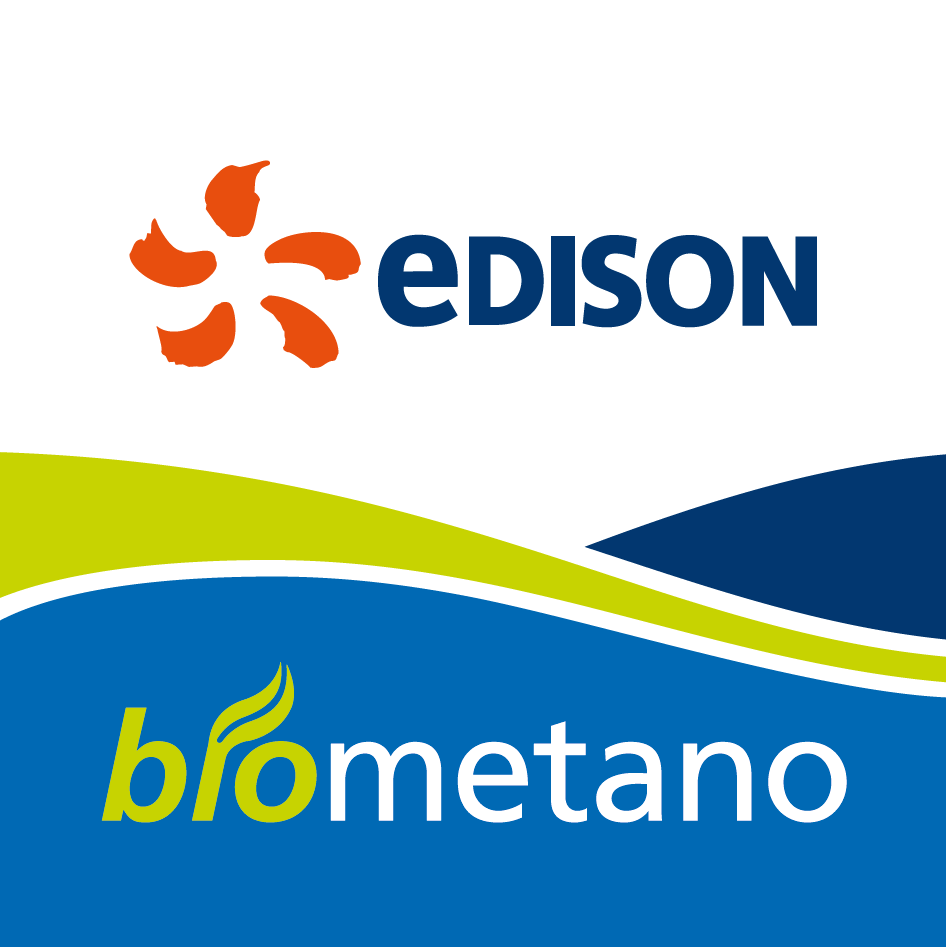
  • The company facility (approx. 6,000 m²) features 372 photovoltaic panels on the roof, capable of guaranteeing a nominal electrical power of 140 kW.
  • We have installed 100 kW of batteries capable of storing excess energy (produced during sunny hours) to autonomously power night services.
  • The electricity, produced by harnessing solar radiation, is clean and renewable.
  • Indoor climate control and sanitary water heating run on high-efficiency electric heat pumps.
  • The office section of the building is Energy Class A4; every technological solution inside reaches very high energy efficiency standards.
  • In the 6,200 m² of green areas at the headquarters, we have planted 110 tall trees and 440 low-medium trees. This is environmentally advantageous because trees:
    • Mitigate atmospheric pollution and improve air quality by absorbing CO2 and other pollutants (carbon monoxide, nitrogen oxides, VOCs, particulate matter).
    • Reduce the heat island effect (local temperature rise due to building materials). Trees create cooler, more comfortable zones.
    • Contribute to biodiversity conservation, providing food and shelter for local fauna.

Environmental sustainability

ACHIEVED RESULTS (CONTINUED)

Environmental Sustainability - Balance between ecosystem and human activity

  • Rainwater Recovery: Green spaces are irrigated using rainwater recovered from the facility roofs. This reduces potable water consumption, promotes water sustainability, relieves stress on sewer systems, and mitigates flood risks during heavy rains.
  • Water Recycling: We have an underground tank for collecting rainwater, which is then used to refill our suction excavators/vacuum trucks.
  • Electric Mobility: We installed an internal charging station for electric cars, which contribute positively by eliminating CO2 emissions at the point of use.
  • Route Optimization: Vehicle movement is organized to minimize travel distance, limiting fuel consumption and pollutants. All company vehicles are latest-generation models, and rigid predictive maintenance programs ensure high levels of safety and efficiency.
  • Biomethane: Part of the fleet is powered by biomethane, produced through the anaerobic digestion of organic material and certified as emission-neutral.

Environmental Sustainability

ACHIEVED RESULTS (ADVANCED SOLUTIONS)

Logo Dual Fuel

Franchini Servizi Ecologici adopts concrete solutions to reduce impact:
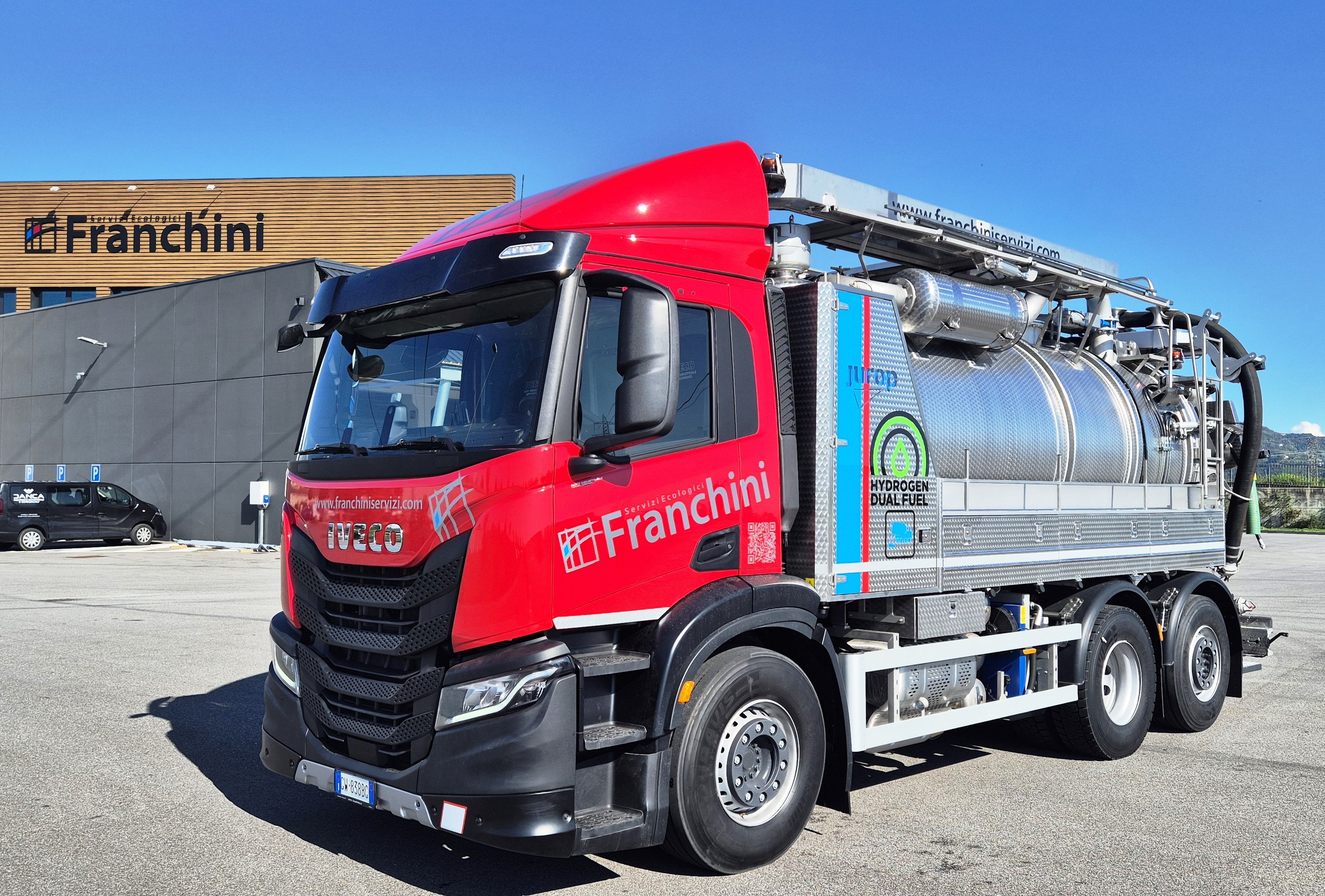
  • Dual Fuel System: Part of the fleet uses a combined diesel-hydrogen system, delivering:
    • CO2 reduction between 12% and 20%;
    • Abatement of other pollutants (HC, CO, PM10) via cleaner combustion.
  • Use of Diesel HVO (Hydrotreated Vegetable Oil):
    • Renewable biofuel from organic waste (used oils, animal fats);
    • Reduction of up to 90% in CO2 emissions compared to fossil diesel;
    • Better performance than traditional biodiesel and lower maintenance costs;
    • Decrease in NOx, CO, and unburnt hydrocarbons.
  • Responsible Waste Management:
    • All waste is delivered to authorized, high-efficiency facilities.
    • Transport and disposal (Hazardous, Non-hazardous, ADR) strictly comply with regulations.
  • Plastic-Free Policy:
    • Osmotic water dispensers eliminate plastic bottles.
    • Reusable bottles provided to all staff.
    • Biodegradable/recycled plates and cutlery in the canteen.
  • Digital Efficiency: The website automatically enters standby mode after inactivity to save energy.

TECHNOLOGICAL

Technological Sustainability

GENERAL VISION

Technological Sustainability - Logo DIGIFRAN

Technological sustainability goes hand in hand with innovation: introducing new processes and improving existing ones. Key aspects include:

  • High energy efficiency technologies: High performance with low waste.
  • Renewable energy sources: Reducing dependence on fossil fuels.
  • Eco-compatible design: Using recyclable or biodegradable materials to reduce lifecycle impact.
  • Digital Interconnection:
    • Operational Efficiency: Better monitoring optimizes operations and reduces resource waste.
    • Lower Environmental Impact: Digital solutions reduce the use of physical materials.
    • Remote Management: Controlling systems remotely reduces physical travel and speeds up problem-solving.

Technological Sustainability

A Company 2.0

Franchini S.p.A. is truly a Company 2.0 where technology is central to performance. Our know-how has been developed internally, granting us deep technical knowledge of our machinery and the ability to renew ourselves—a unique value in the sector. Crucially: Technological innovation is not pursued to replace human resources, but to enhance their capabilities. We provide advanced tools so individuals can express their creative and productive potential. This is the only way to build a future where economic growth and social well-being are in harmony.

Technological Sustainability

Technological Sustainability

ACHIEVED RESULTS

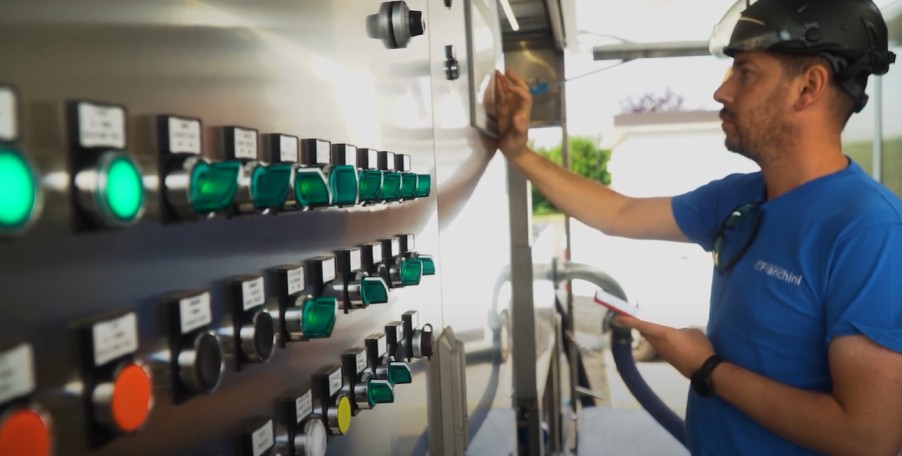
Technological Sustainability - PLC

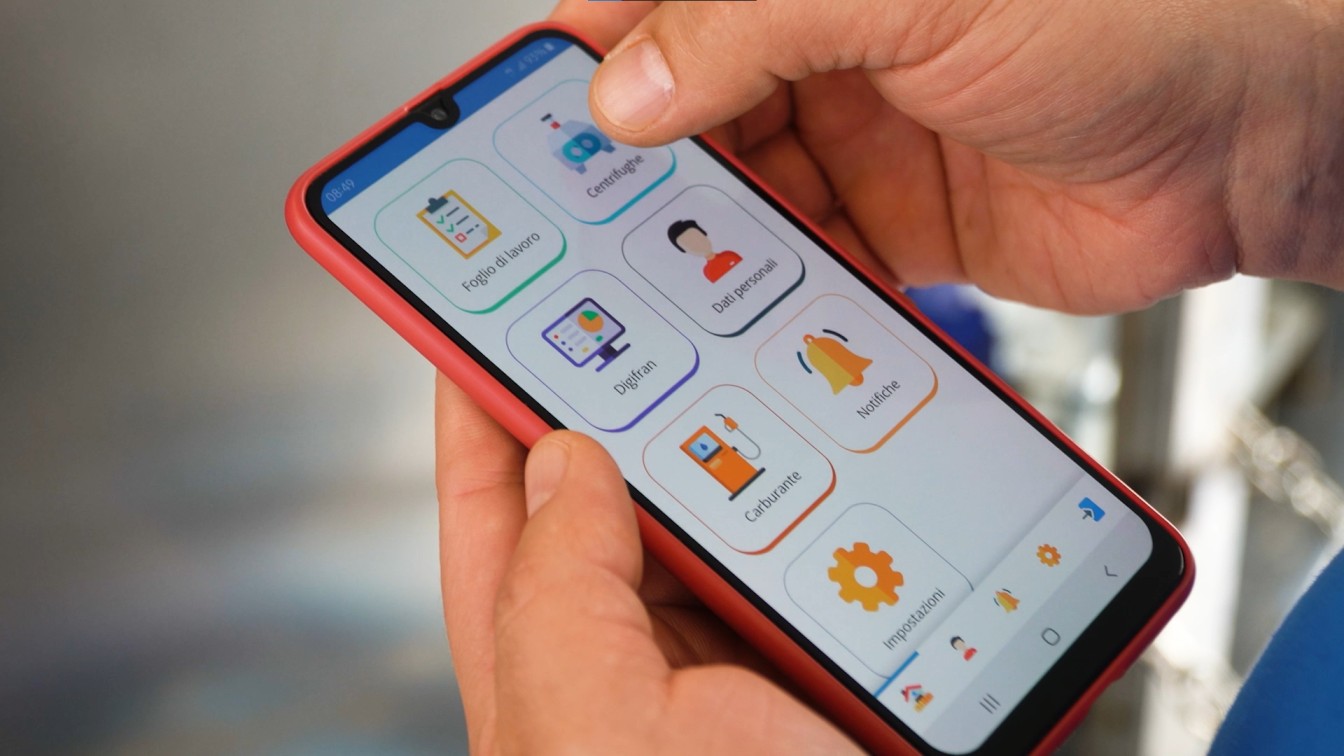
  • Total Interconnection at HQ: Access control, fueling stations, irrigation, fire safety, lighting, climate control, and warehouse management are all monitored remotely via the company PWA (Progressive Web App) and integrated into a single global domotics system.
  • Smart Mobile Plants: Our mobile sludge dehydration plants feature a PLC (Programmable Logic Controller) managed via a user-friendly HMI (Human Machine Interface). Data transmission allows remote control via PC or smartphone.
  • IoT Implementation: 12 mobile decanters, 6 vacuum trucks, and the 1000-bar hydro-cleaning machine are interconnected with the PWA, providing real-time process data. Cloud data is automatically exported to DigiFran for analysis of performance and process flows.
  • Digitized Operations: Scheduling, management, and monitoring of main activities (sewer cleaning, transport, dehydration) are digitized via the PWA. This reduces phone calls, cuts downtime, creates service records, and speeds up troubleshooting.

Technological Sustainability

ACHIEVED RESULTS (MAINTENANCE & EQUIPMENT)

Technological Sustainability - Tablet/Smartphone

  • Digital Maintenance: Maintenance programs are managed via the PWA. An automatic mailing service updates managers daily on required maintenance and sends a summary report once operations are completed.
  • Internal Laboratory: We characterize sludge samples internally. Data collected is essential for designing services and monitoring mobile equipment performance.
  • Smart Devices: Most operators are equipped with company smartphones to receive calls and digital work notes.
  • Advanced Fleet: A wide range of low-emission, technologically advanced vehicles.
  • Office Productivity: We promote the use of 34-inch curved monitors and multi-screen setups to increase productivity and reduce visual fatigue.

Social

Social Sustainability

GENERAL VISION

Social Sustainability

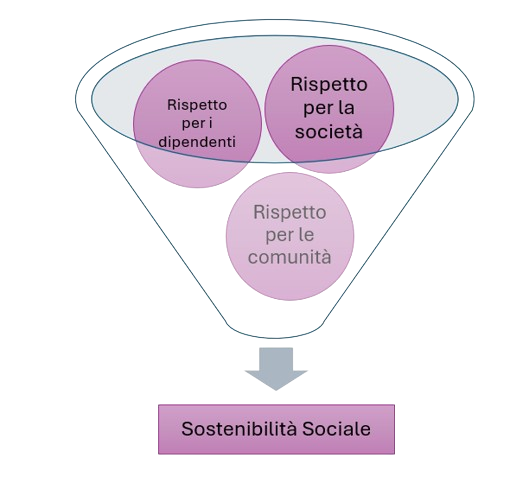
Social sustainability means operating ethically and responsibly towards employees and the community. Franchini S.p.A. places people at the center of every activity. Our people are the heart and strength of the company. This commitment goes beyond legal compliance; it involves actively improving well-being, promoting equity, and inclusion. The importance of social sustainability is multiform:
  • Reputation: enhances the company image for clients and suppliers.
  • Talent Attraction: makes us appealing to professionals seeking meaningful employment.
  • Risk Reduction: minimizes legal risks and costs associated with unethical behavior.
  • New Markets: opens opportunities driven by consumer sensitivity to ethics.
  • Social Contribution: supports beneficial initiatives and ethical commercial practices.

Social Sustainability

ACHIEVED RESULTS (COMFORT & DESIGN)

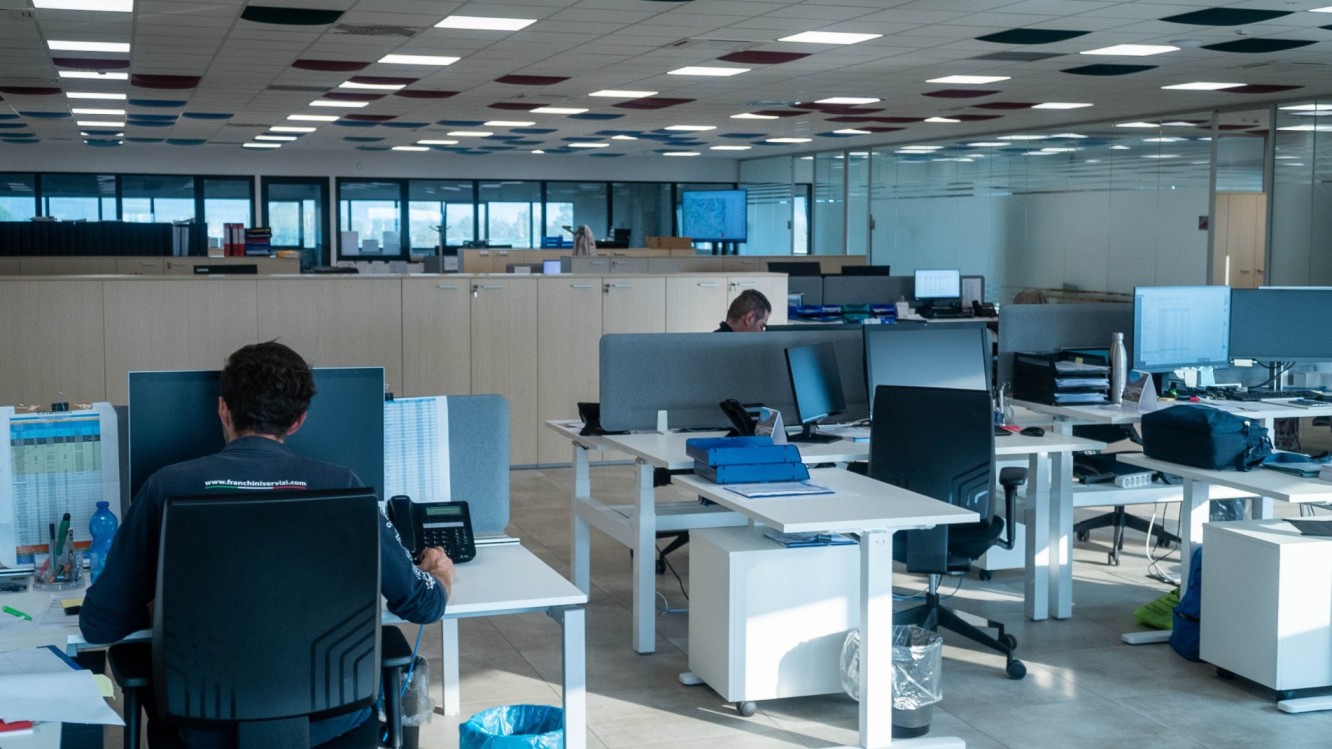
Social Sustainability - Inside Franchini Headquarters

  • Intelligent Lighting: Workspaces use motion sensors and self-adaptive systems. All fixtures are low-energy LEDs, prioritizing natural light.
  • Thermal Comfort: The building uses modern thermal insulation (Class A4). Centralized climate control ensures temperature and humidity are always optimal for well-being.
  • Soundproofing: Environments are soundproofed to prevent disturbance.
  • Open Space: Offices are designed as a single environment to encourage socialization and communication.
  • Ergonomics: Furniture adapts to people's needs.

Social Sustainability

ACHIEVED RESULTS (FACILITIES & COMMUNITY)

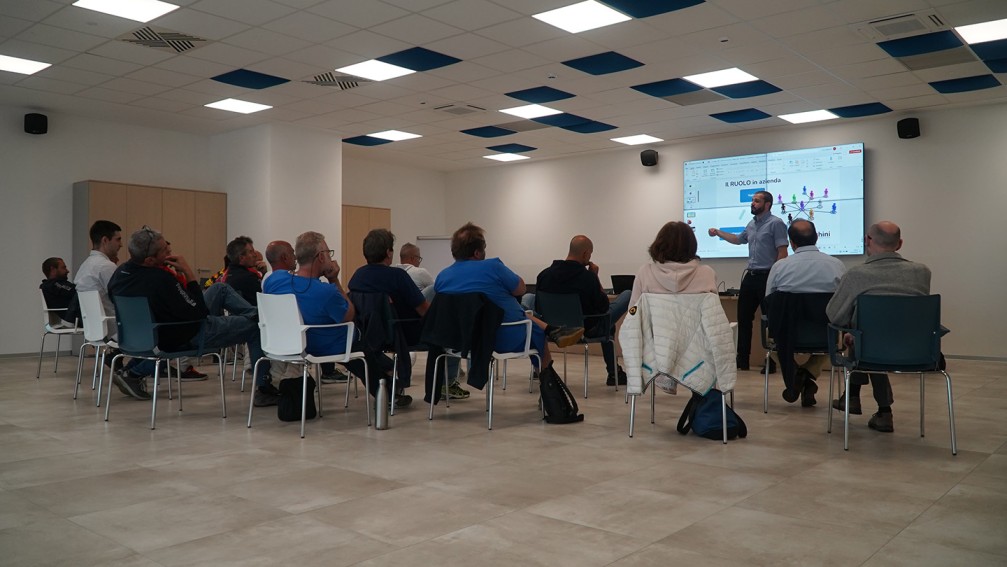
Social Sustainability - Inside Franchini Headquarters

  • Meeting Spaces: Three meeting rooms plus a VISION ROOM. The latter offers 65 seats and a 220-inch screen. It is a hub for continuous training, open to partners and the community.
  • Community Engagement: The Vision Room hosts courses/labs for schools on sustainability and is available free of charge to local associations for events.
  • Changing Rooms: We installed a wall system to automatically dry 50 pairs of work boots. The area includes showers and a laundry zone with washers/dryers to ensure uniform hygiene and efficiency.

Social Sustainability

ACHIEVED RESULTS (SAFETY & RESOURCES)

Social Sustainability - Course

  • Operator Comfort: Modern vehicles with fully equipped cabins.
  • Vending Benefits: Every operator has a personal key with a monthly credit offered by the company for the vending machines.
  • PPE & RFID: Extensive provision of PPE and clothing chosen based on experience. Uniforms have RFID tags to track usage, assign them uniquely to operators, and reduce waste/loss.
  • Safety Equipment: Dozens of safety systems for working at heights or in confined spaces. All equipment follows a strict maintenance program managed via the PWA to minimize accident risks.

Social Sustainability

ACHIEVED RESULTS (GROWTH & LISTENING)

Social Sustainability - Course

  • Feedback Loop: Every request regarding safety is evaluated by sector managers.
  • Middle Management Training: We have invested in "continuous training" to structure middle managers. Activities are led by external specialists (including a psychologist) to integrate hard and soft skills (active listening, critical thinking, inquiry dialogue).
  • Internal Workgroup: A specific team designs personal training programs, managing the entire professional life of human resources from safety requirements to practical instruction.

Economic

Economic sustainability

GENERAL VISION

Economic sustainability

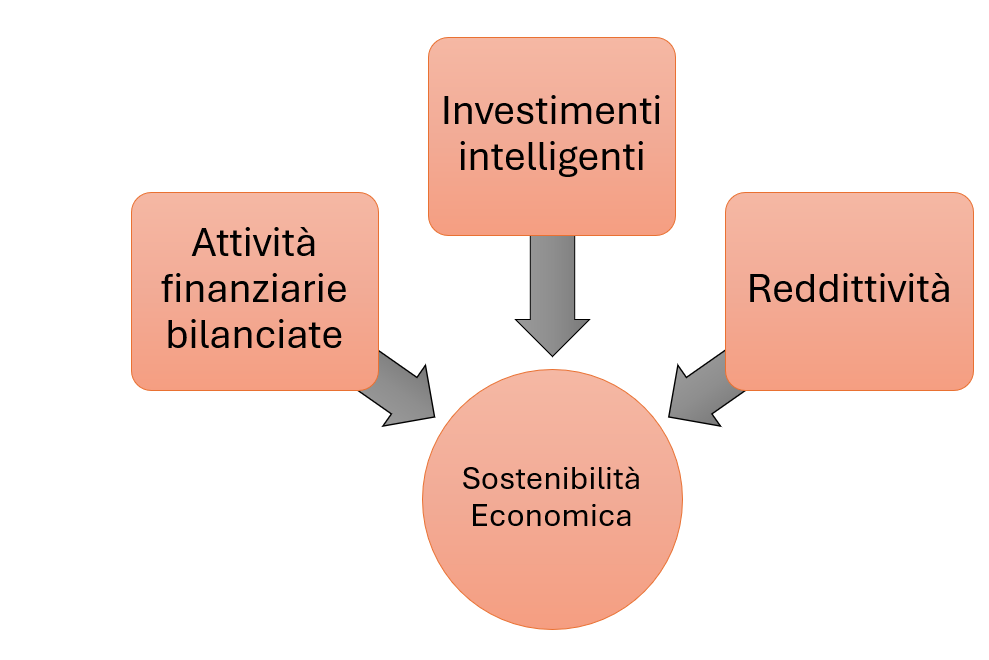
Economic sustainability refers to the capacity to generate value in the long term, maintaining a balance between financial activities, investments, and profitability. It is crucial for:
  • Resilience: Withstanding crises and market changes.
  • Growth: Reinvesting profits in innovation.
  • Reliability: Respecting obligations to suppliers, employees, and tax authorities.

Economic Sustainability

ACHIEVED RESULTS

Economic Sustainability - Hydropower

  • Resource Optimization: Reducing water and energy use lowers operating costs.
  • Waste Reduction: Recycling programs reduce disposal costs.
  • Transport Efficiency: Efficient vehicles reduce travel-associated costs.
  • Local Supply Chain: We favor Km 0 suppliers to minimize transport costs and support the local community.
  • Strategic Investment: Advanced technologies may cost more upfront but generate significant savings in the long term due to efficiency and reduced downtime.
  • Cost Monitoring: All costs are tracked via specific administrative software.

COMMITMENT

THE PROOF OF THIS COMMITMENT

Franchini Servizi Ecologici - Bergamo e provincia
ISCC-EU (International Sustainability & Carbon Certification)

The proof of our search for completely sustainable development lies in the certifications obtained from third-party bodies. Franchini S.p.A. holds the following DNV certifications:

  • ISO 9001 (QUALITY): Standards for effective, customer-oriented quality management.
  • ISO 14001 (ENVIRONMENT): Identifying, controlling, and reducing environmental impact.
  • ISO 45001 (HEALTH & SAFETY): Ensuring a safe workplace and preventing injuries.
  • ISO 50001 (ENERGY): Improving energy efficiency to reduce costs and impact.
  • SA8000 (SOCIAL RESPONSIBILITY): Managing social practices, human rights, and working conditions.
  • ISCC-EU (International Sustainability & Carbon Certification): Certification for sustainable, traceable biomass supply chains for biofuels.

Note: These certifications are not for showing off against competitors. They are a way to verify if our time and resources have led to practical and real results. The annual audits help us understand which aspects still need improvement to achieve the highest possible sustainability.

Request a quote

Copyright © 2025 - Privacy Policy - Cookies Policy | Tailor made by eWeb