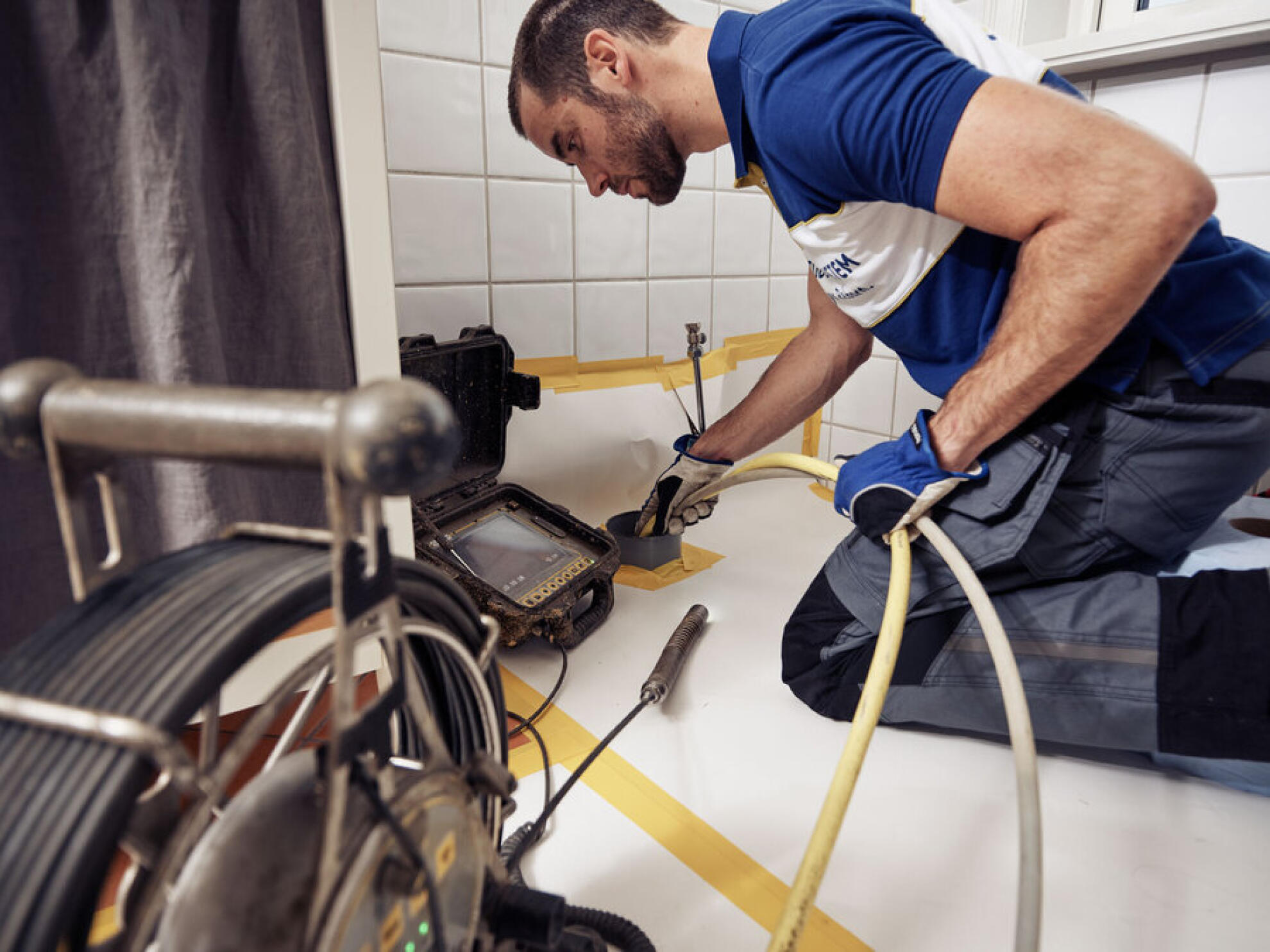
Trenchless relining is an advanced technology for the rehabilitation of industrial pipelines and pipes that restores structural integrity without demolition, without production shutdowns, and without the costs and timeframes associated with traditional replacement. An innovative solution to keep the plant running throughout the entire rehabilitation process.
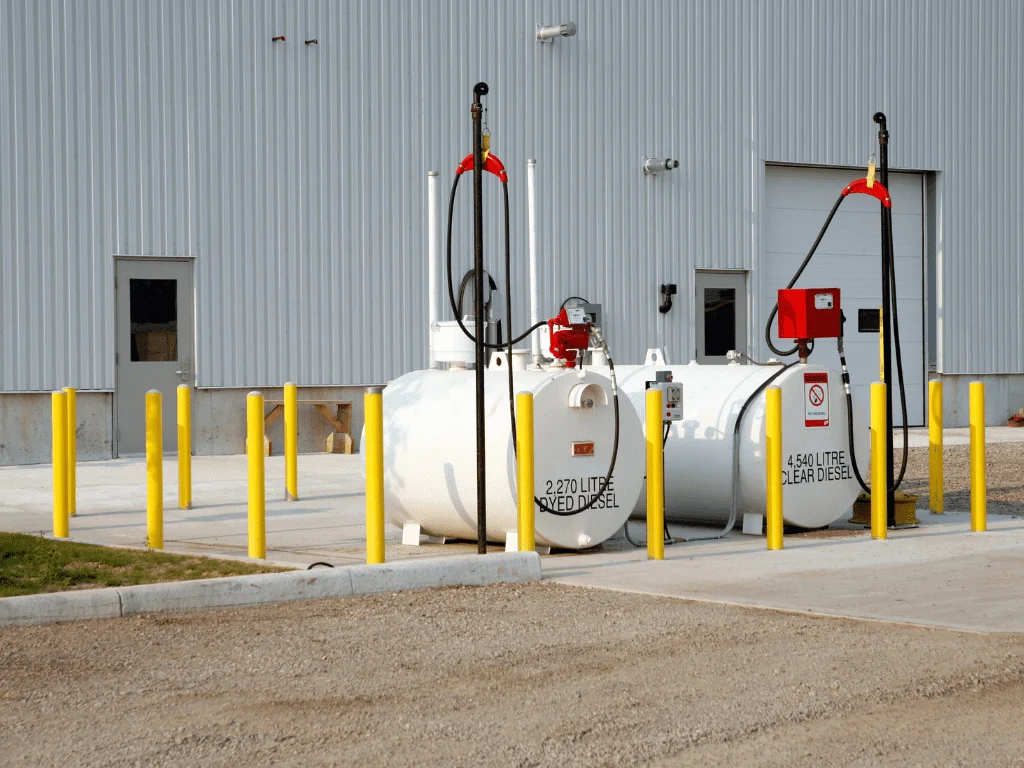
Diesel tank cleaning is an essential maintenance operation to preserve plant efficiency, ensure fuel quality, and prevent breakdowns that can lead to costly operational downtime.
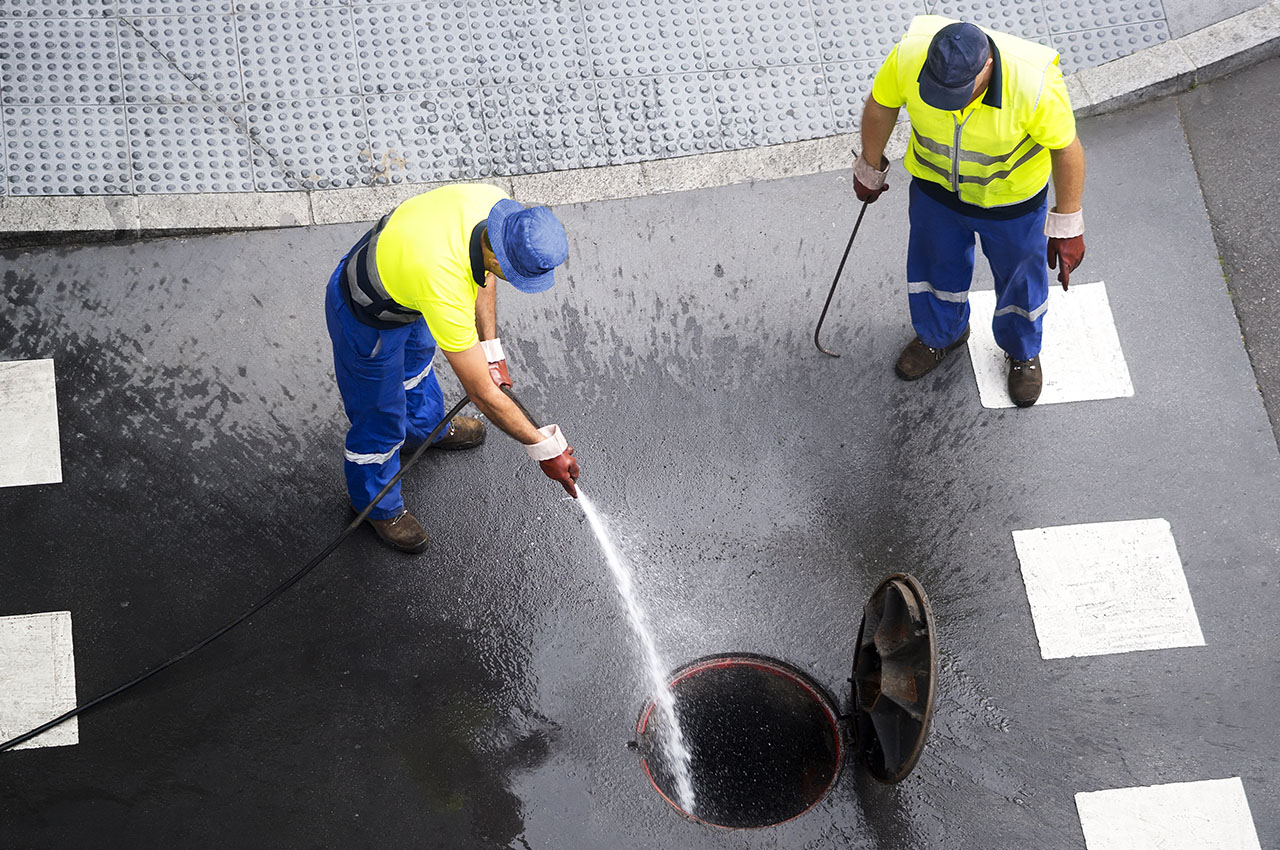
High-pressure water jetting for pipe cleaning is one of the most effective technologies for removing scale, deposits, and stubborn residues from industrial plants, sewer networks, pipelines, and process systems. By using ultra-high-pressure water jets, it is possible to restore proper flow and pipe efficiency without resorting to harsh chemicals or invasive procedures.
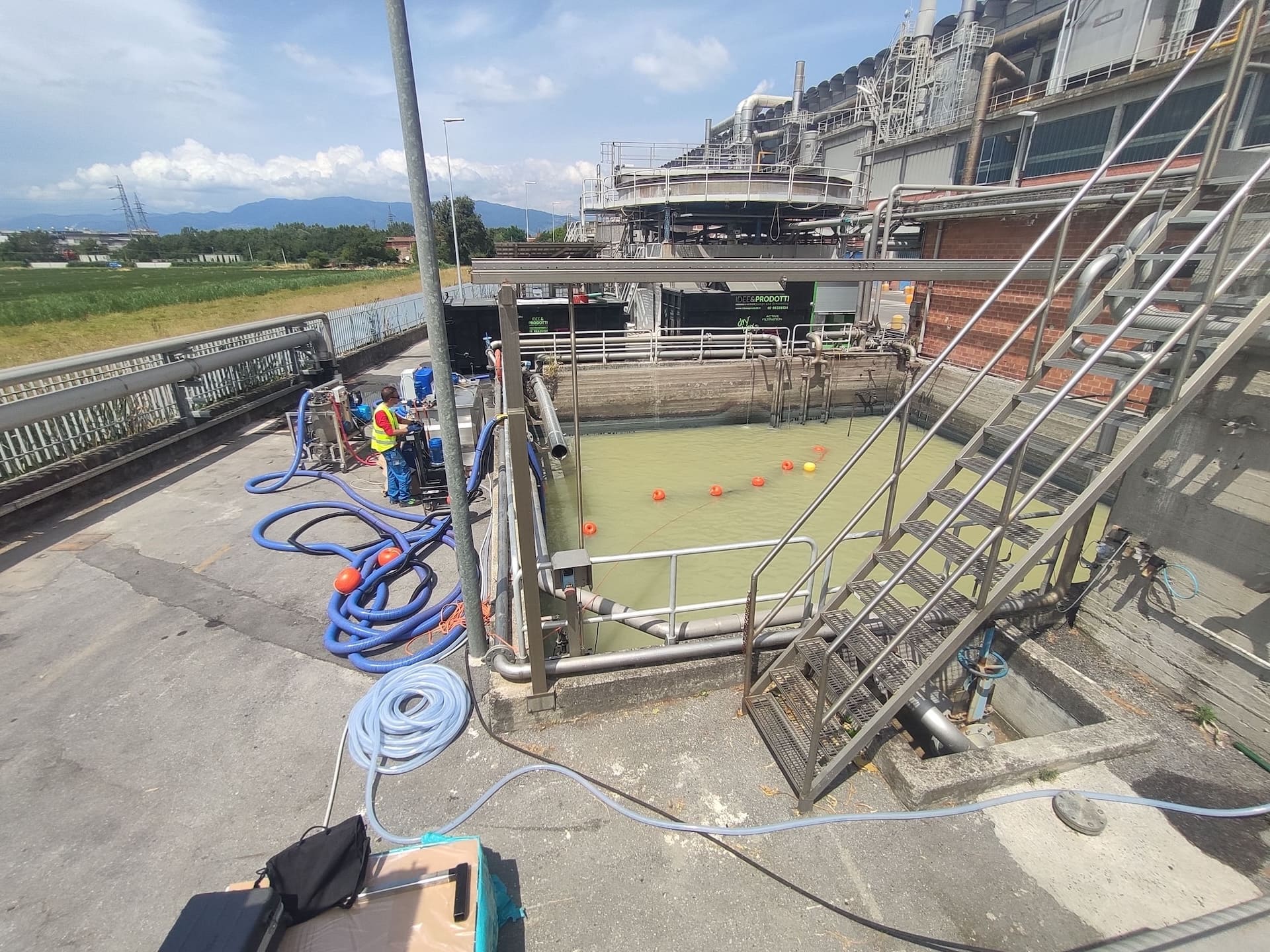
Industrial tank cleaning is essential for ensuring plant safety, operational continuity, and overall efficiency. Traditionally, these operations required tanks to be completely emptied, resulting in production downtime with significant impacts on costs and business operations.
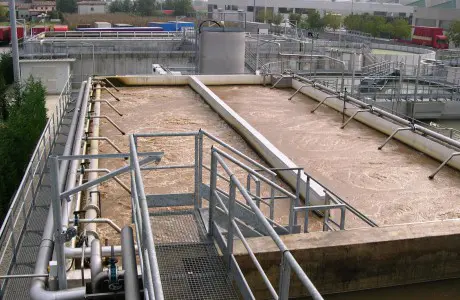
Sewage sludge treatment and its subsequent disposal are among the most critical and expensive stages in the management of civil and industrial plants. The presence of water, sand and solid fractions results in high volumes, directly affecting transportation and final disposal costs.
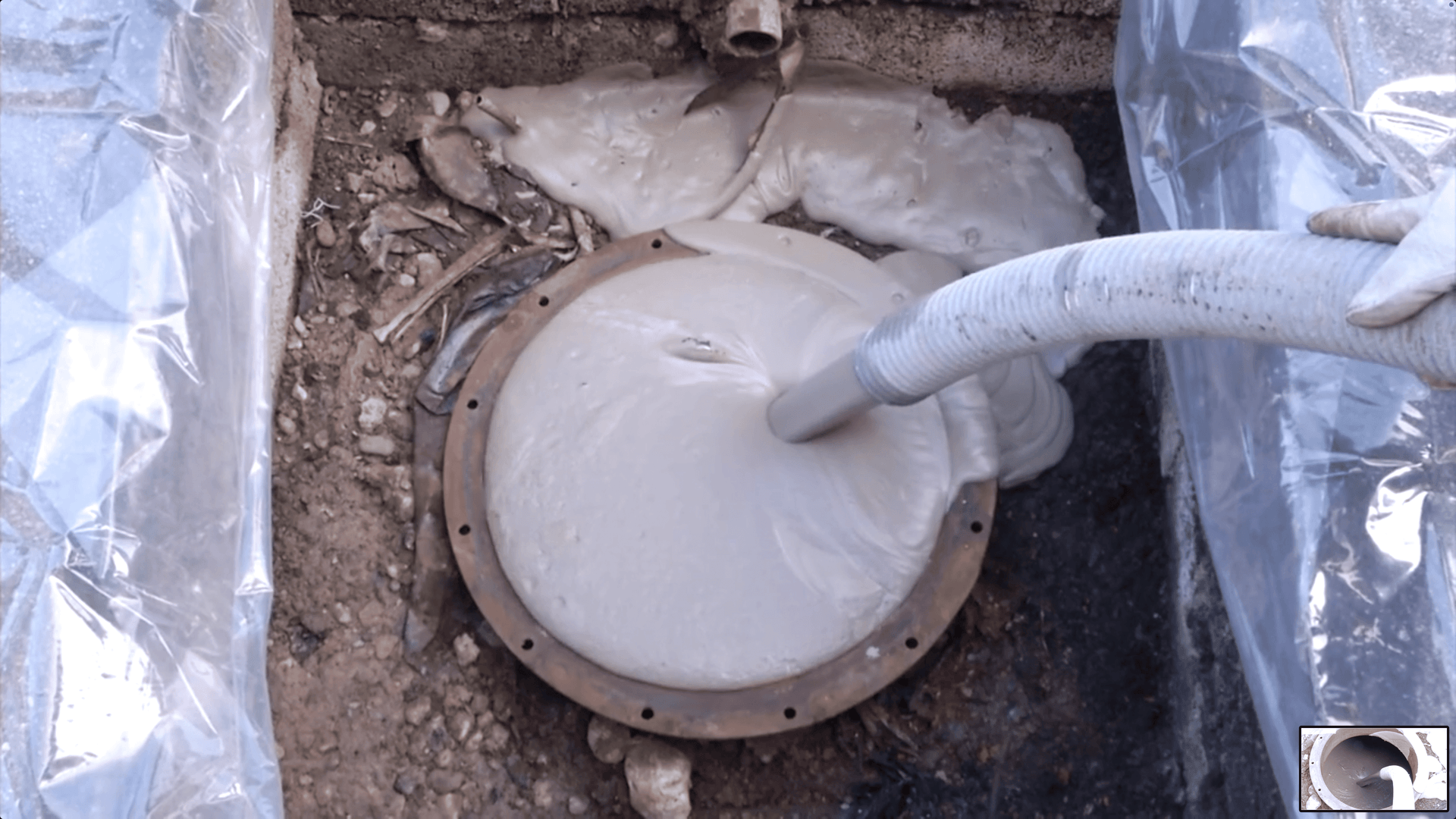
Nitrogen leak testing is one of the safest and most effective methods for checking the integrity of tanks and pipelines without invasive work or demolition. This type of inspection is widely used in industrial, energy and plant engineering sectors to detect leaks, anomalies or pressure drops that could compromise safety, operational continuity and regulatory compliance.
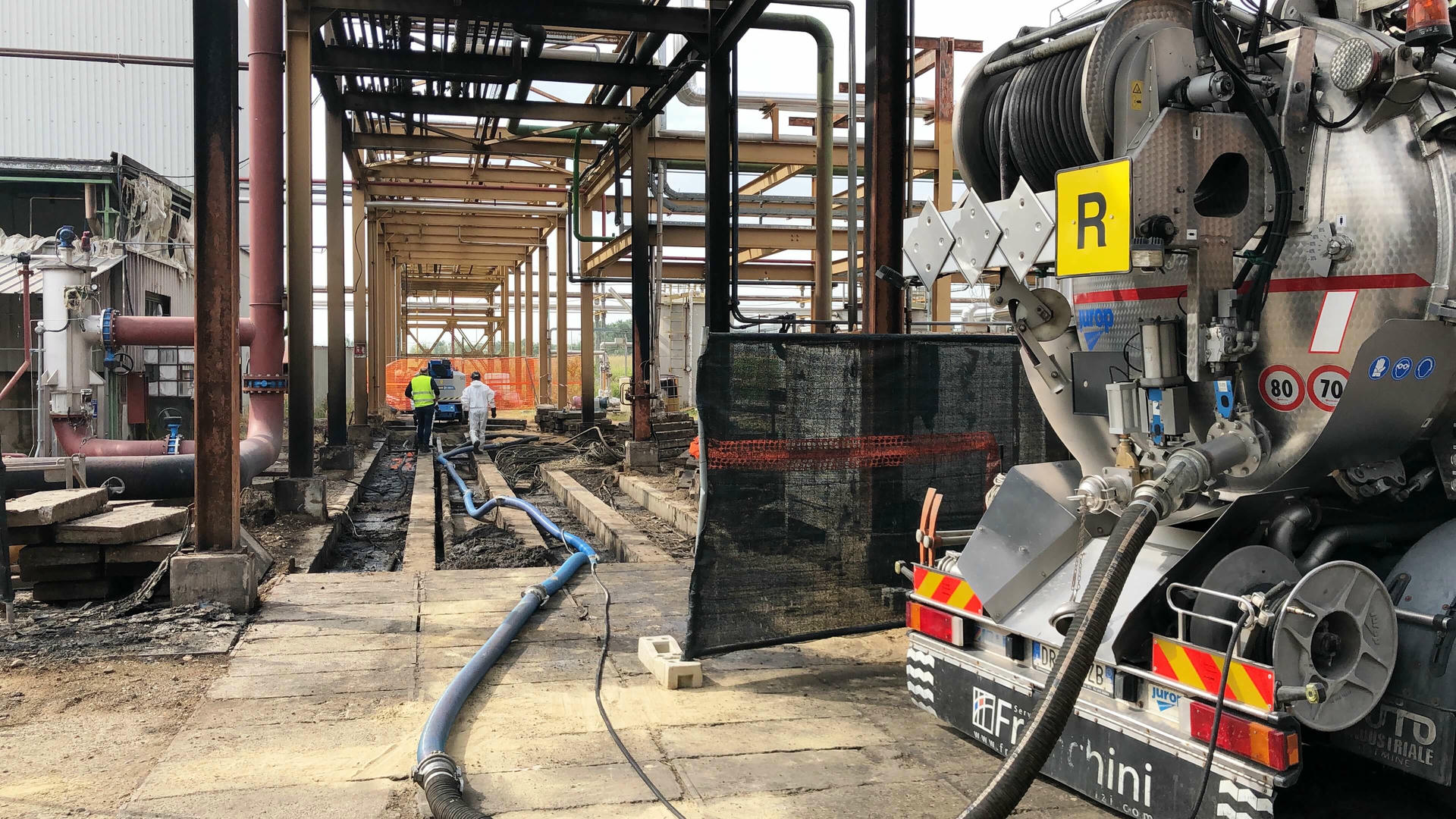
Pipe mapping is the technical process that allows you to accurately identify the route, depth, and condition of buried sewer, industrial, and service pipes. In short: it turns an invisible network into a documented system you can work on without guesswork.
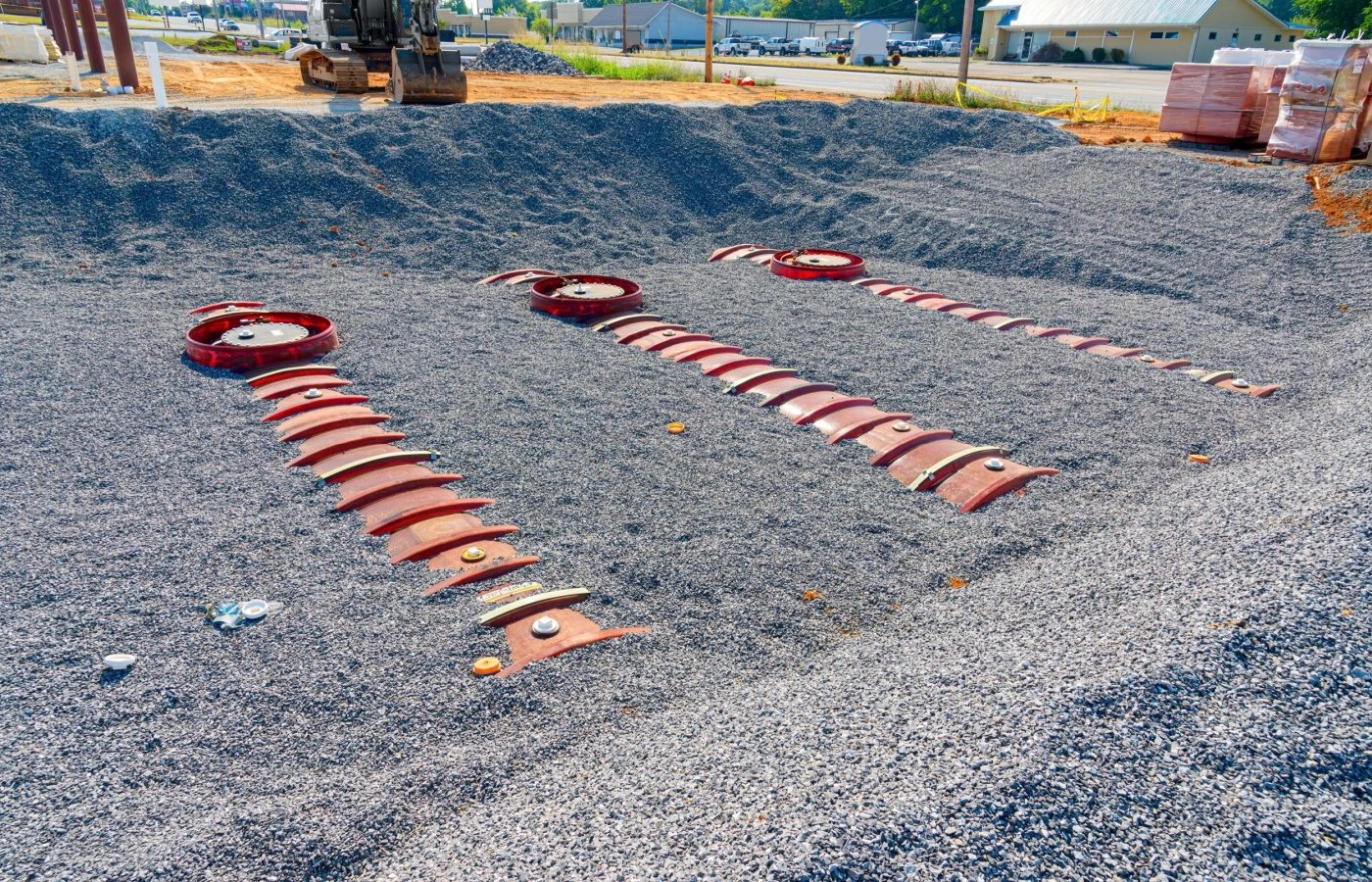
Inertization of underground diesel tanks is a fundamental safety procedure carried out before remediation, removal, or decommissioning of a system. The goal is to eliminate any risk associated with the presence of flammable vapors or fuel residues inside the tank, making the internal environment stable and non-reactive. In industrial, civil, and logistics settings, this operation is essential for working safely.
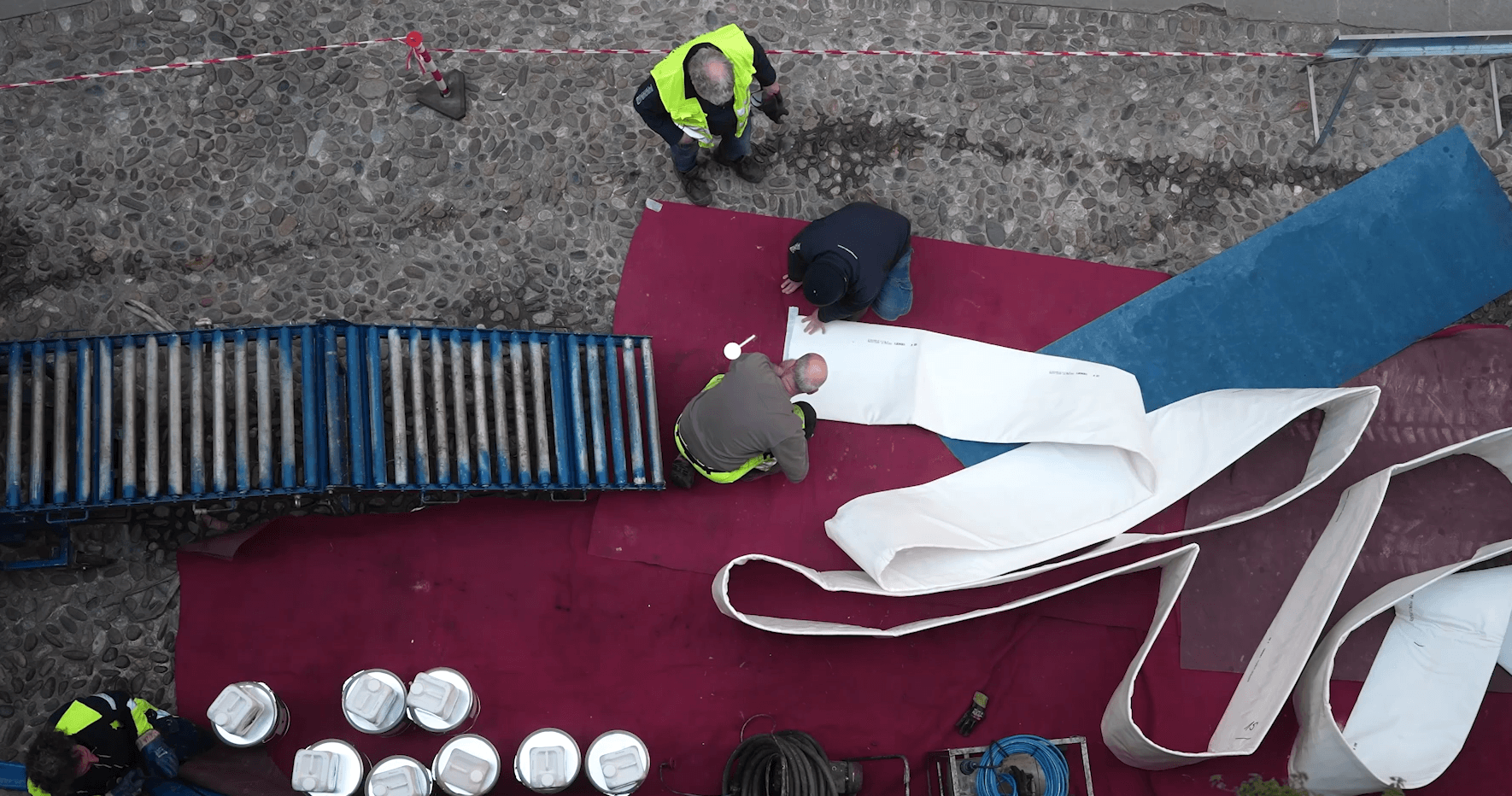
Trenchless pipe rehabilitation is today an innovative solution for repairing pipelines without invasive works or production downtime. This technology allows direct intervention from inside the pipes, restoring structural integrity and functionality quickly and efficiently.
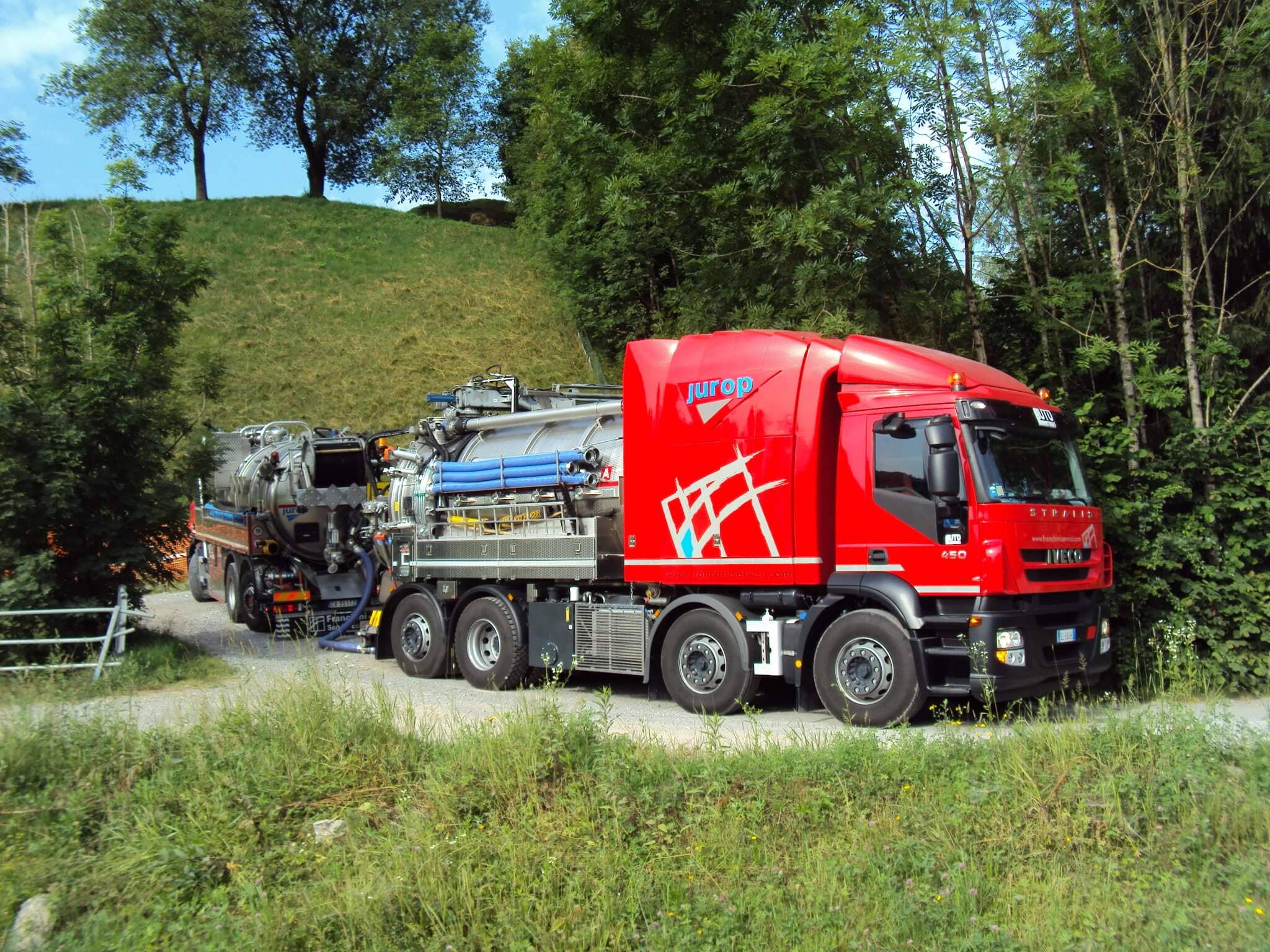
Liquid waste collection is the starting point of the entire process and plays a crucial role in determining its overall quality. Any mistake at this stage—such as cross-contamination or improper storage—can compromise all subsequent operations, with both operational and legal consequences.
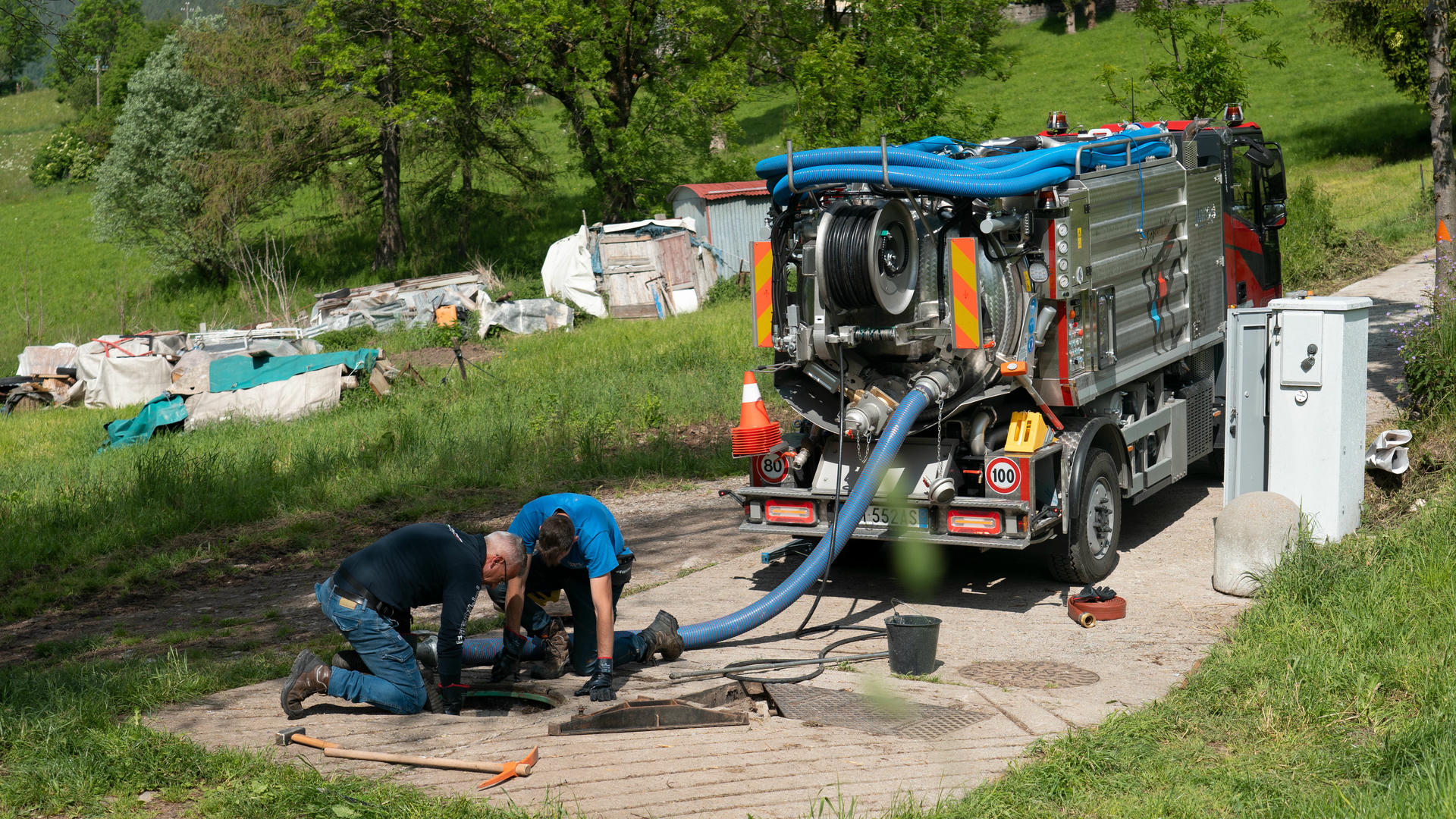
Sewer cleaning services are essential to ensure the proper functioning of domestic drainage systems and sewer networks. Over time, residues, grease, sand, and solid materials can accumulate inside pipes, causing blockages and slowing down water flow.
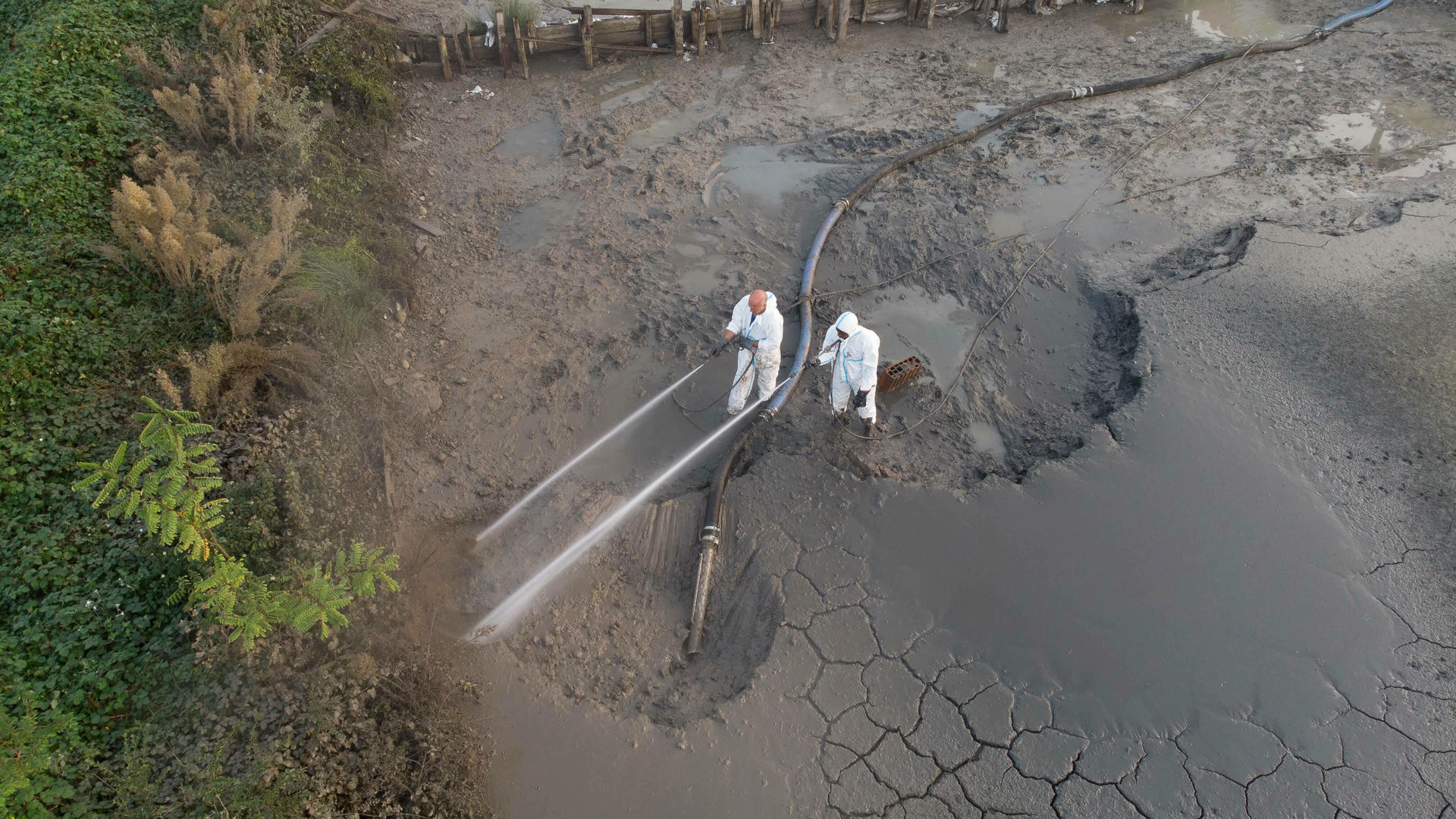
Industrial tank rehabilitation is a key activity to ensure the efficiency and safety of production and treatment systems. Over time, tanks may be affected by wear, corrosion, sediment buildup, or structural deterioration that compromise their functionality.
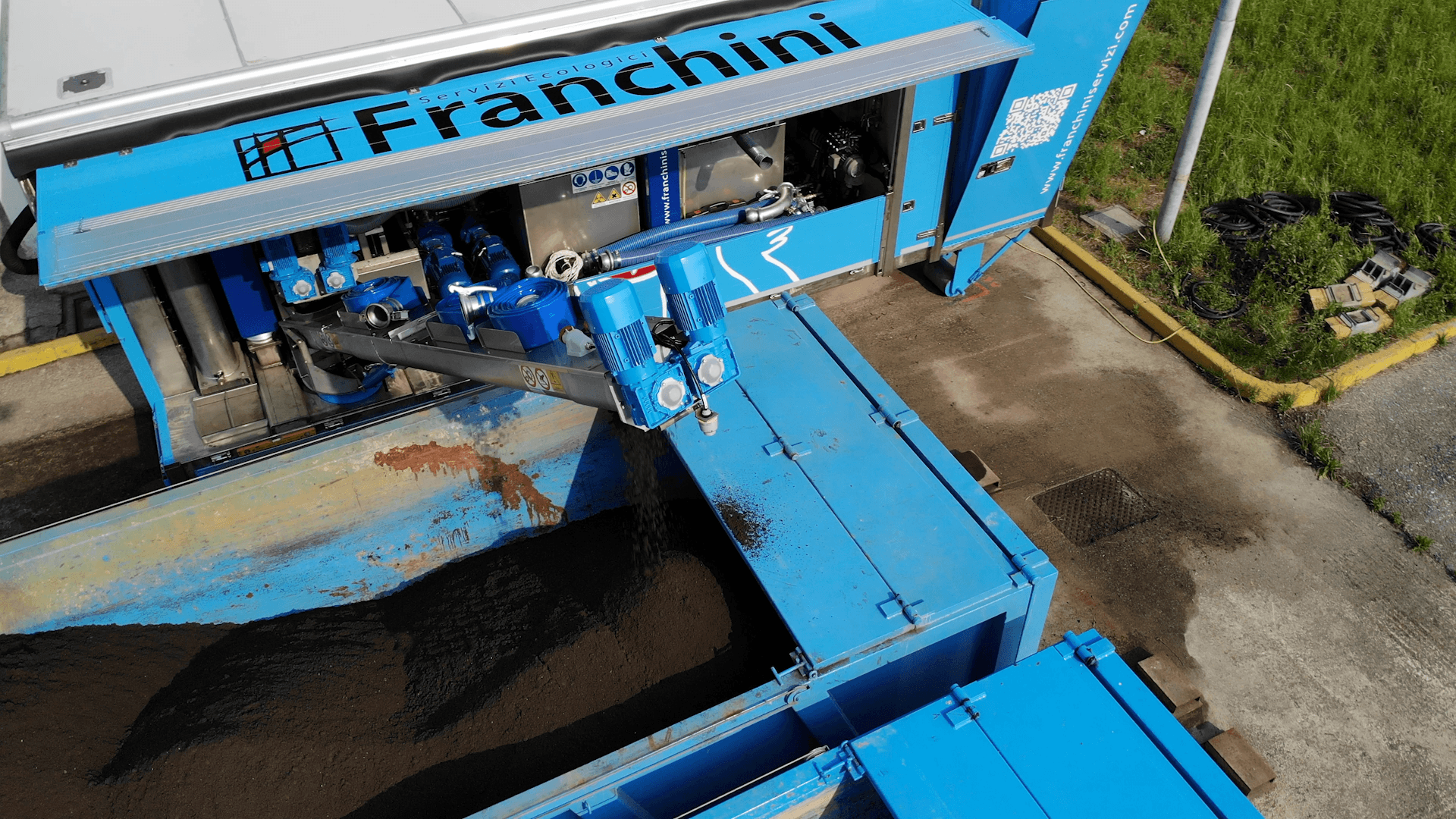
Industrial sludge management and wastewater treatment processes often require flexible solutions, especially when sludge volumes vary over time or when installing a fixed system is not economically justified. In this context, sludge centrifuge rental represents a strategic solution to ensure operational continuity, reduce initial investment costs, and optimize treatment performance.
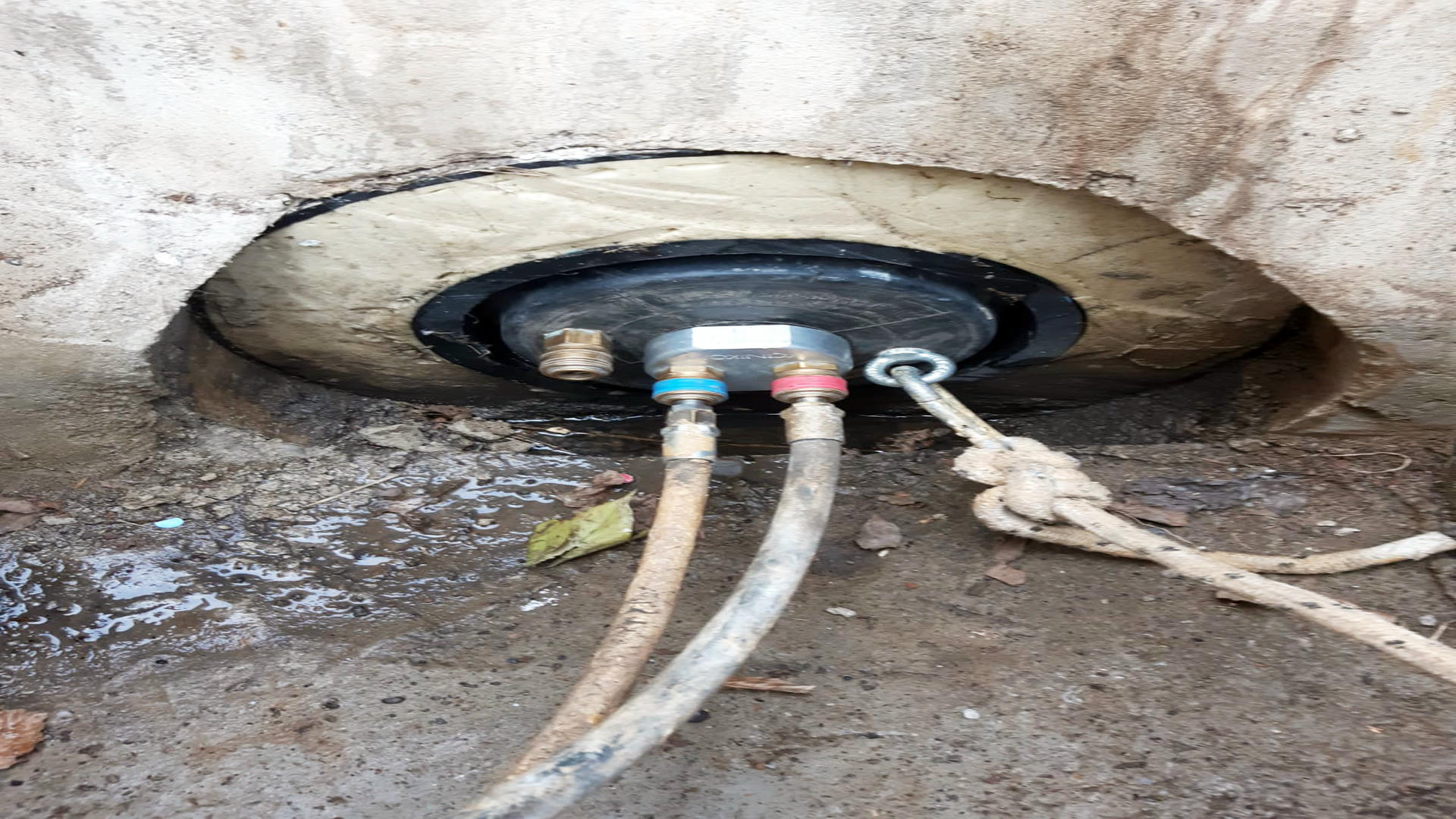
Nitrogen tank leak tests are a fundamental method used to verify the integrity of storage systems and prevent potential leaks. This type of inspection is especially important for double-chamber tanks, where even small, non-visible leaks can compromise the overall safety of the system. The use of nitrogen allows for precise, fast, and non-invasive verification.
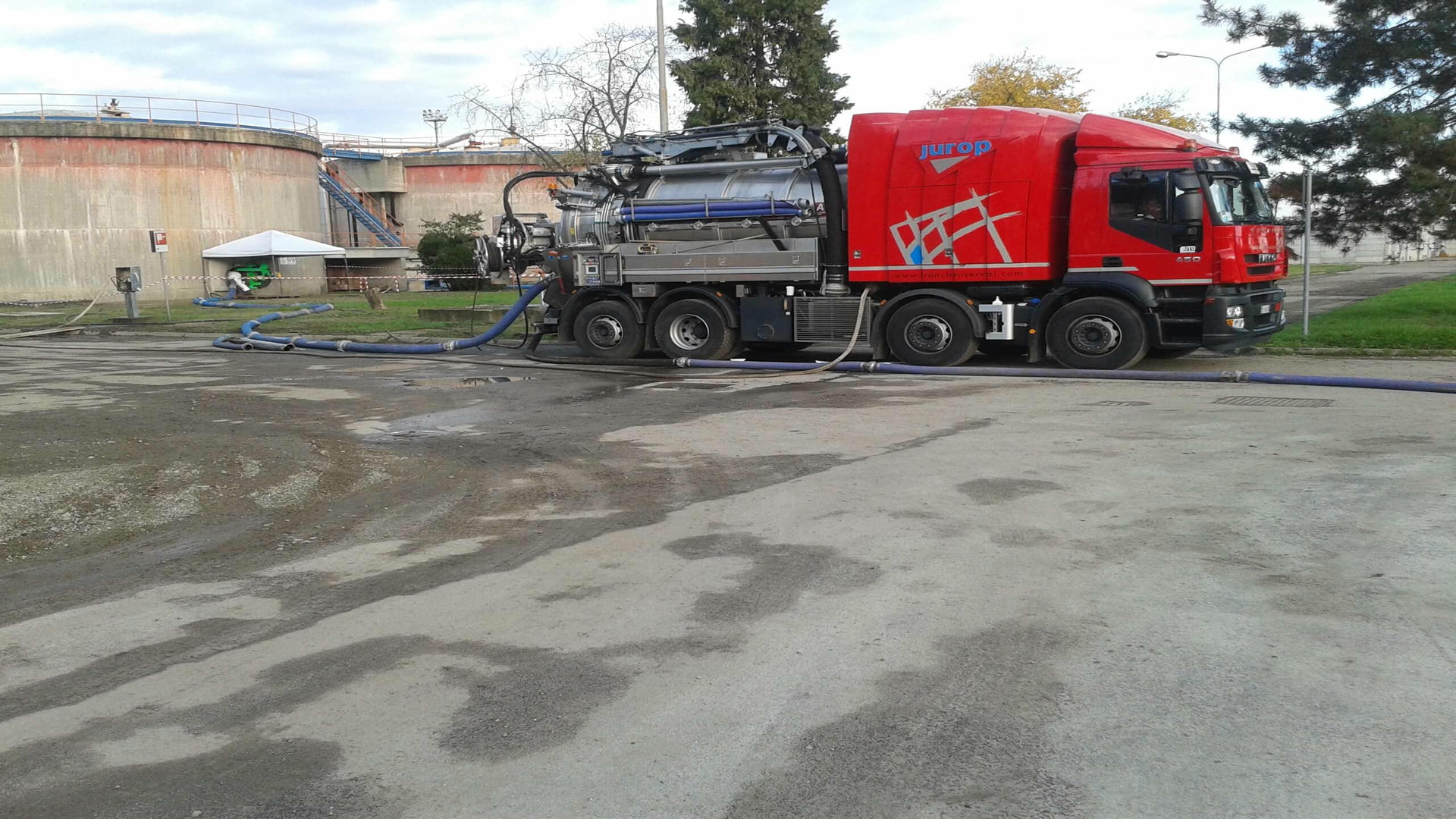
Road drain cleaning is an essential activity to ensure the proper functioning of urban sewer systems and prevent issues that could compromise public safety and traffic conditions. In urban environments, sewer networks are constantly exposed to the accumulation of debris, sand, sludge, and waste that, if not promptly removed, can cause blockages, flooding, and service disruptions.
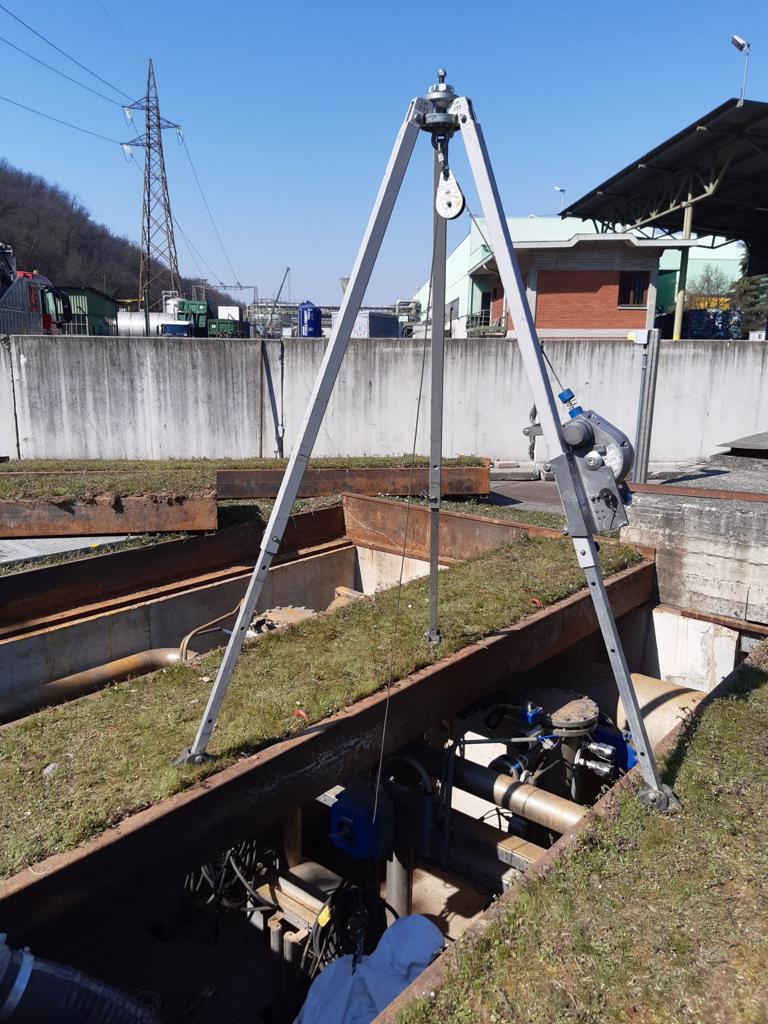
Gas-free verification is a fundamental safety procedure for operations in confined spaces or environments suspected of contamination. Its purpose is to ensure that no hazardous gases, explosive atmospheres, or unsafe conditions are present inside enclosed areas.
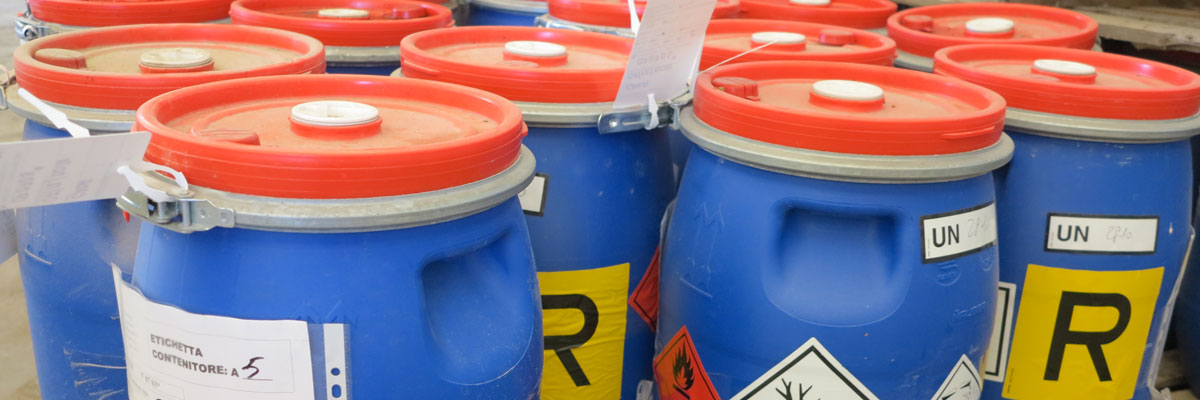
Correct classification of special waste is a fundamental step for any company that produces, manages, or disposes of waste. CER codes (European Waste Catalogue), now more accurately referred to as EER codes (European Waste List), are the main tool used to identify the type of waste and ensure compliant management.
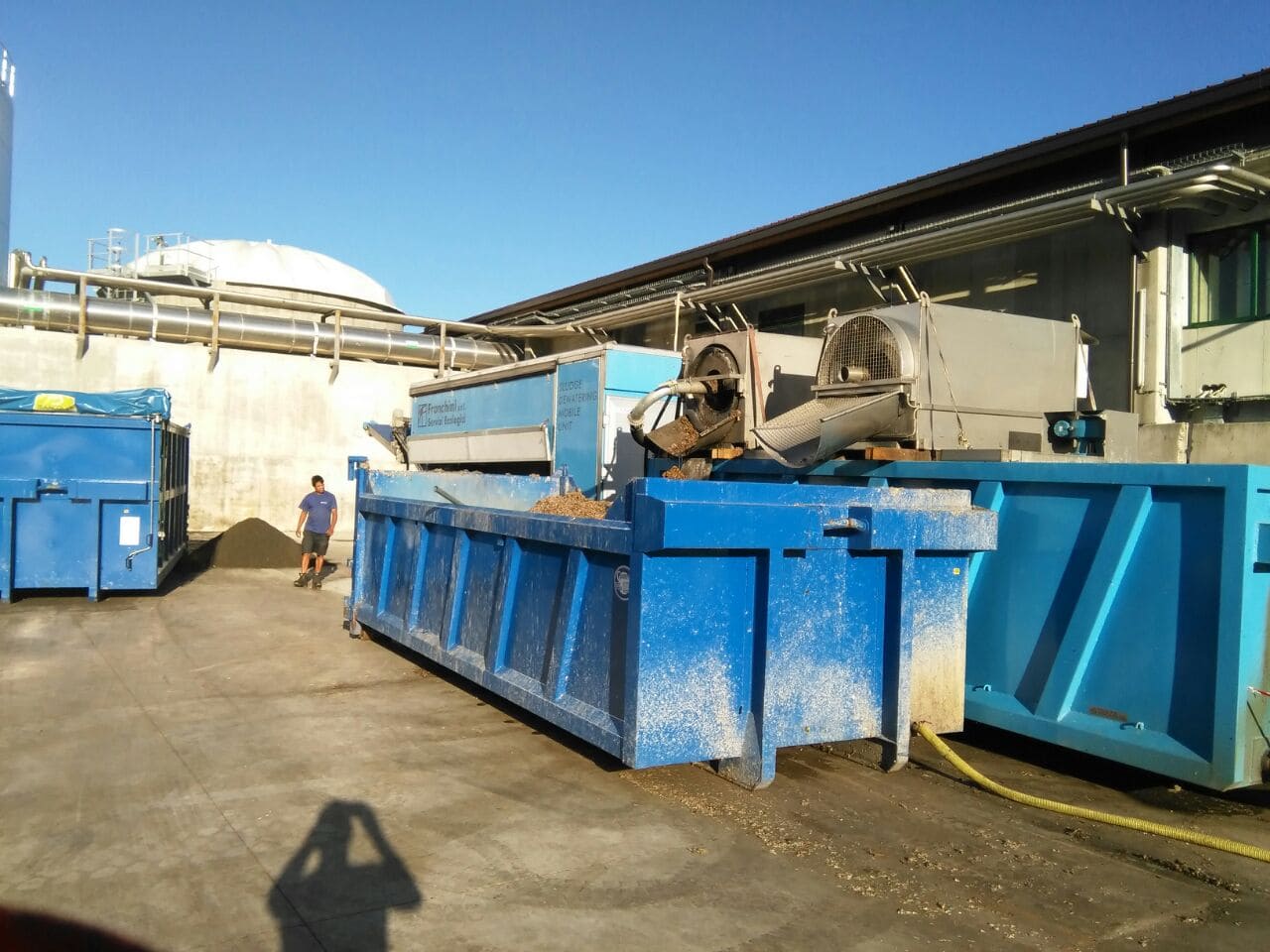
The management of industrial sludge represents one of the main challenges for companies, both for environmental impact and for the costs related to transportation and disposal. Reducing sludge volumes through dewatering is an effective strategy to optimize operations, lower costs, and reduce the space needed for temporary storage.
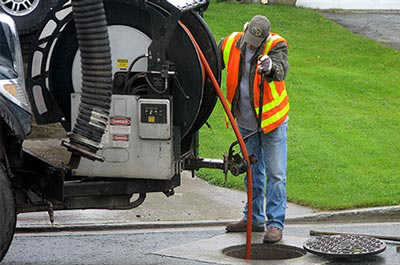
Sewer network maintenance and cleaning is a fundamental activity to ensure the proper functioning of systems and prevent operational issues that could compromise the entire drainage infrastructure. Planned interventions help avoid emergencies, reduce costs, and maintain high safety standards.
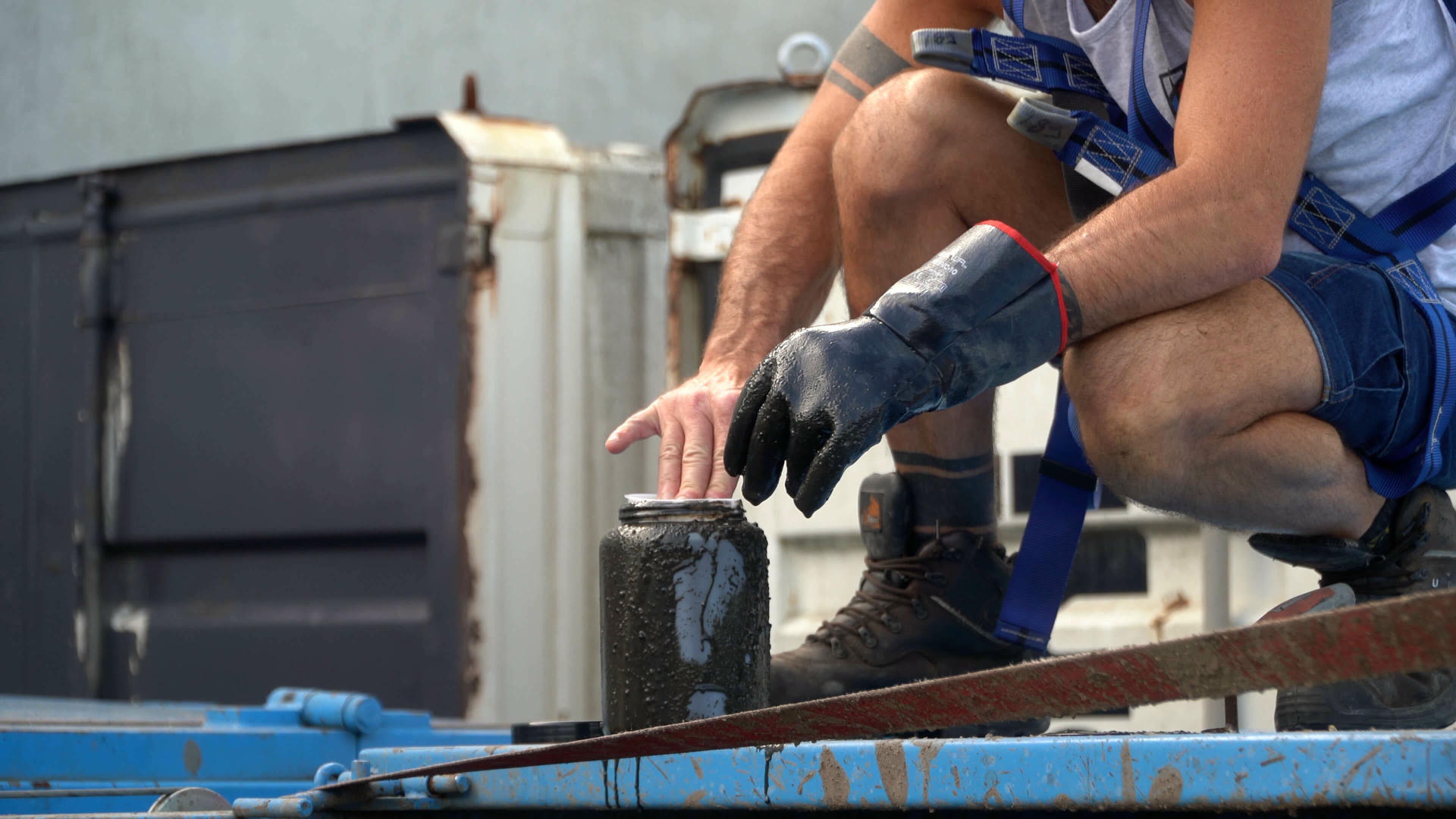
Laboratory process analysis is an activity that provides companies with an essential tool for the correct management of industrial sludge and wastewater. Through samples taken directly from plants, it is possible to monitor effluent quality, identify potential critical issues, and intervene before they develop into serious operational or environmental problems.
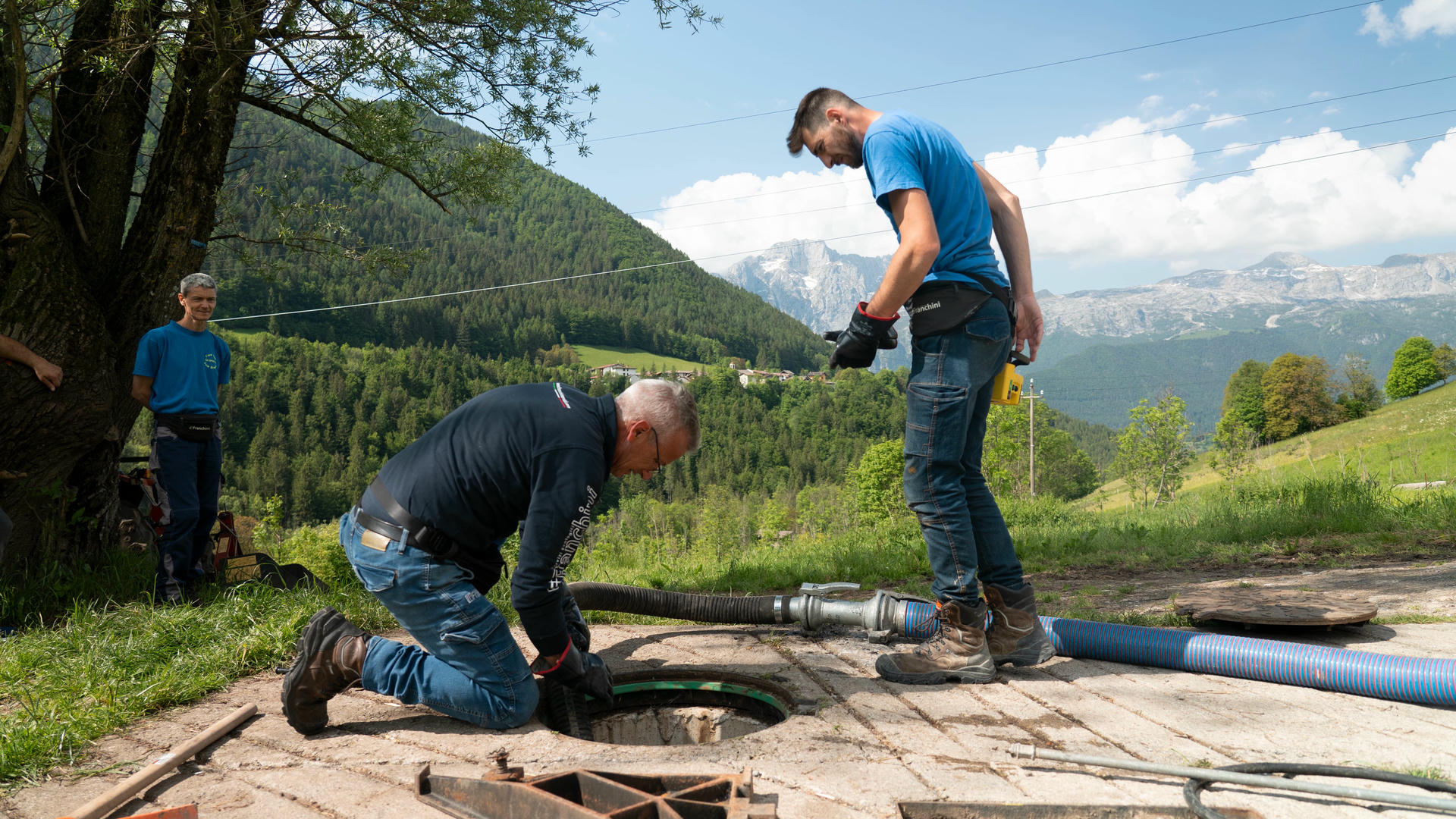
Condominium sewer maintenance is a fundamental aspect to ensure the proper functioning of systems and to prevent issues such as blockages, bad odors, or flooding.
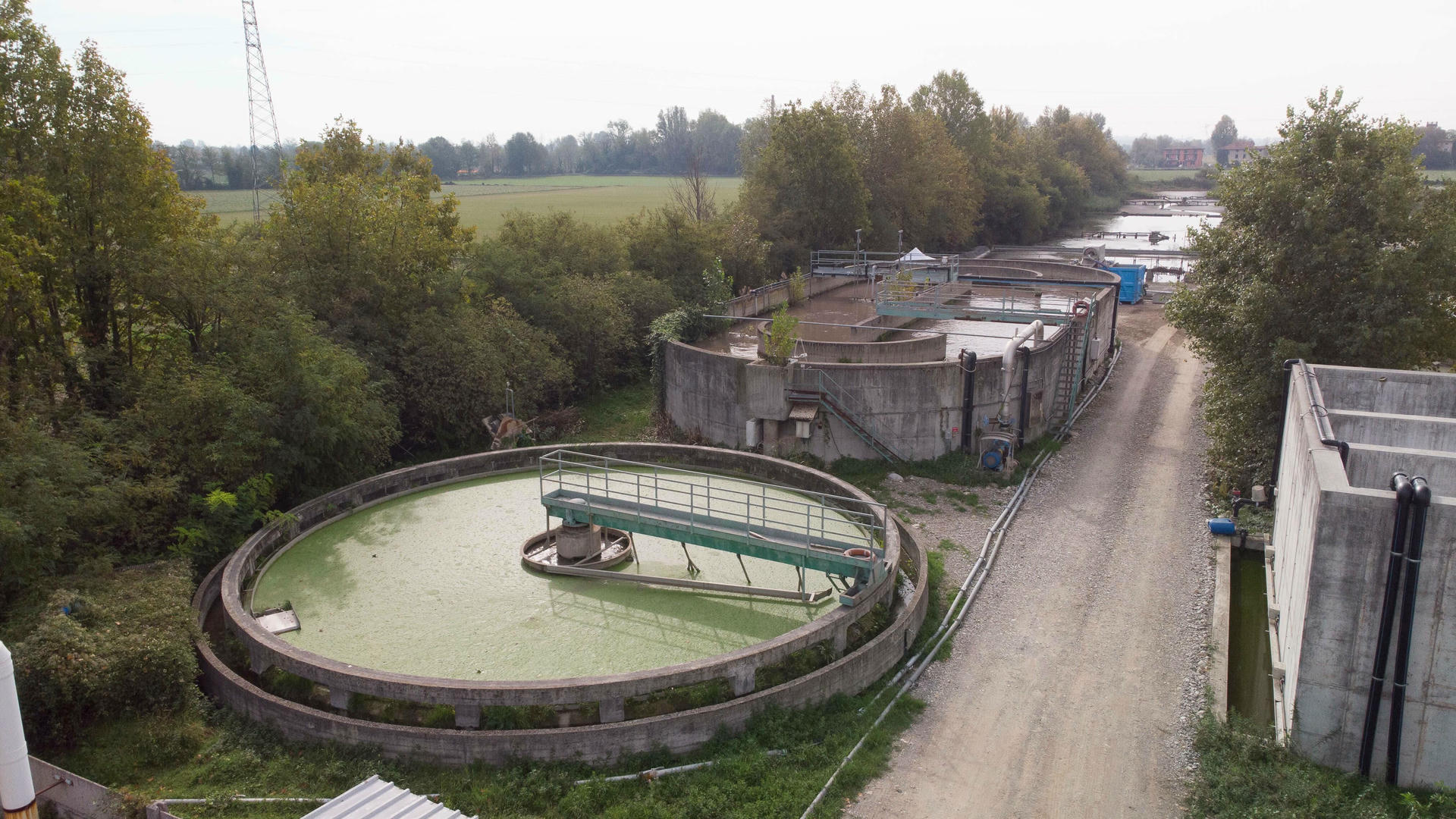
Cleaning industrial tanks and remediating industrial lagoons are essential activities to ensure operational efficiency and continuity. Traditional methods involving full draining often result in production stoppages and high costs.
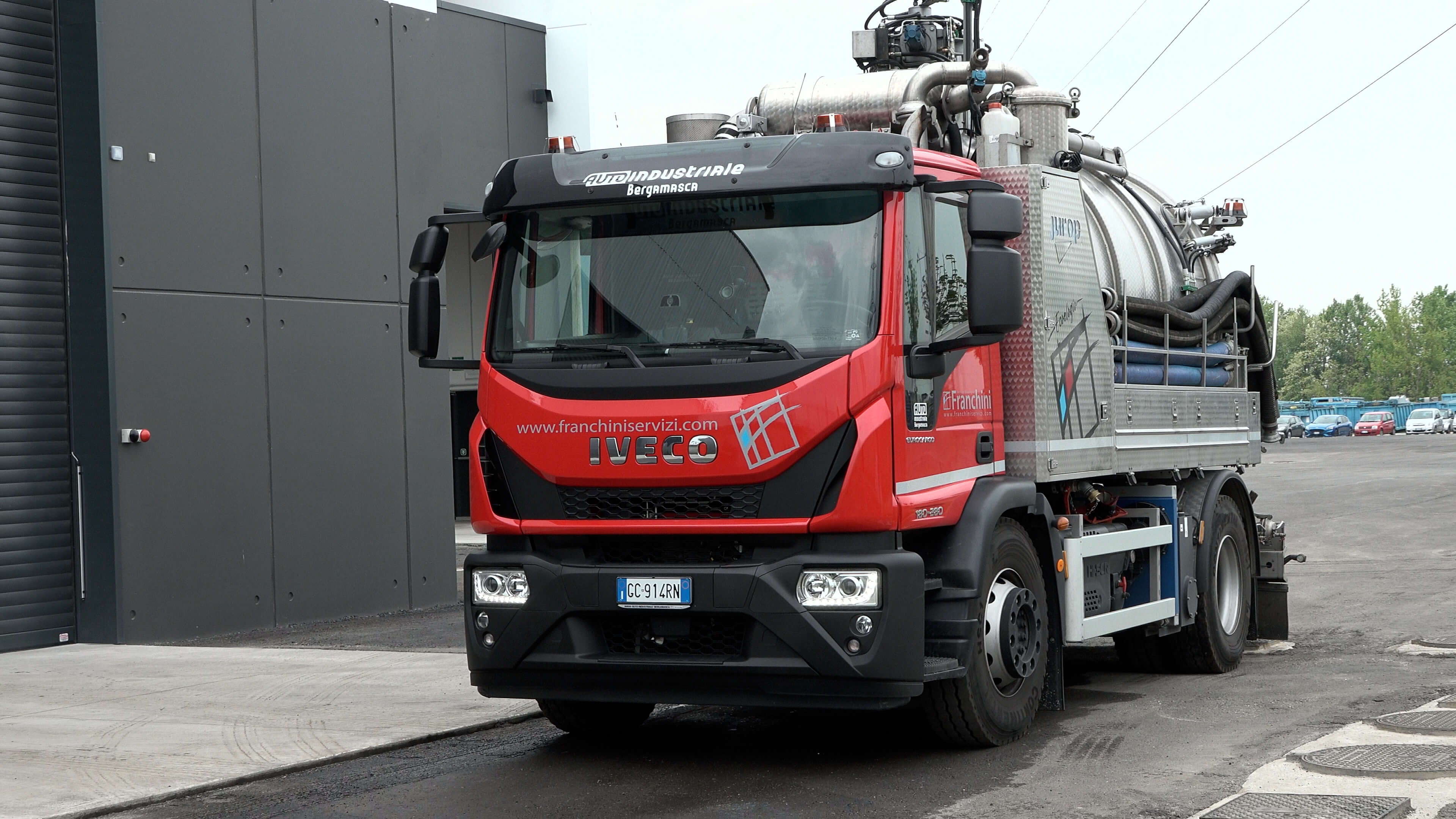
The management of liquid waste is a significant responsibility and a crucial step for any company. Every day, industrial and domestic effluents containing chemicals, used oils, or sludge are produced, which, if not properly treated, can contaminate the environment and lead to heavy penalties.
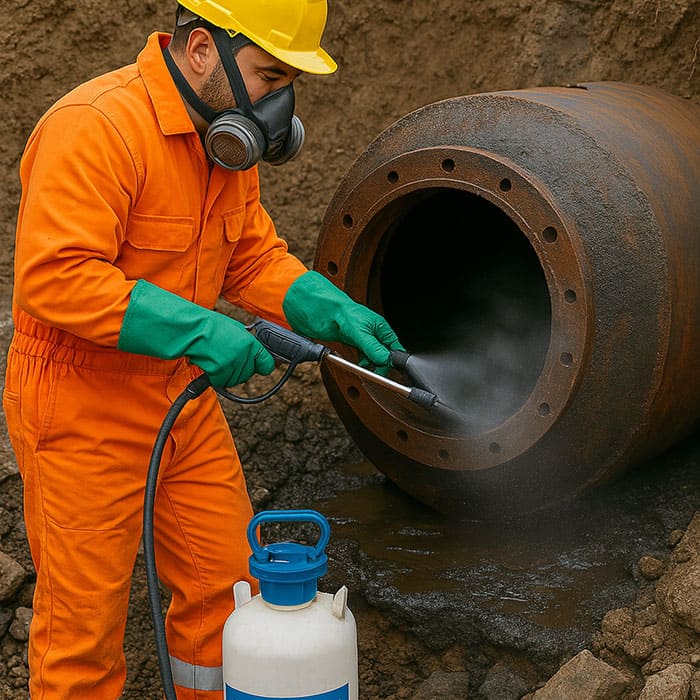
Underground tank remediation is essential to prevent environmental, health, and legal risks. Learn about regulations, procedures, and safety requirements to ensure full compliance.
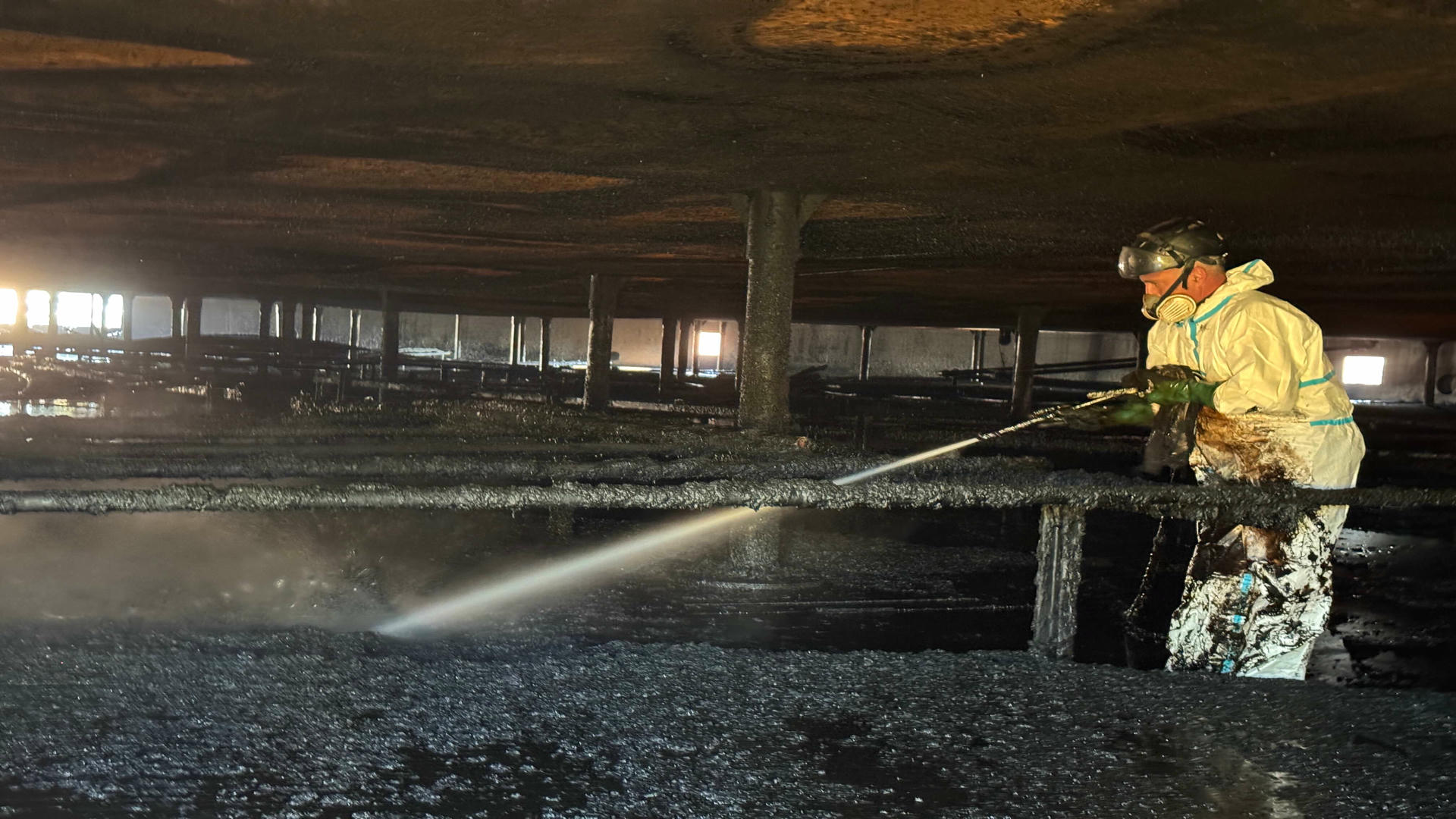
High-pressure hydrodynamic cleaning is one of the most effective techniques for industrial pipeline maintenance, especially when it comes to removing hard scaling, solid residues, and persistent deposits.
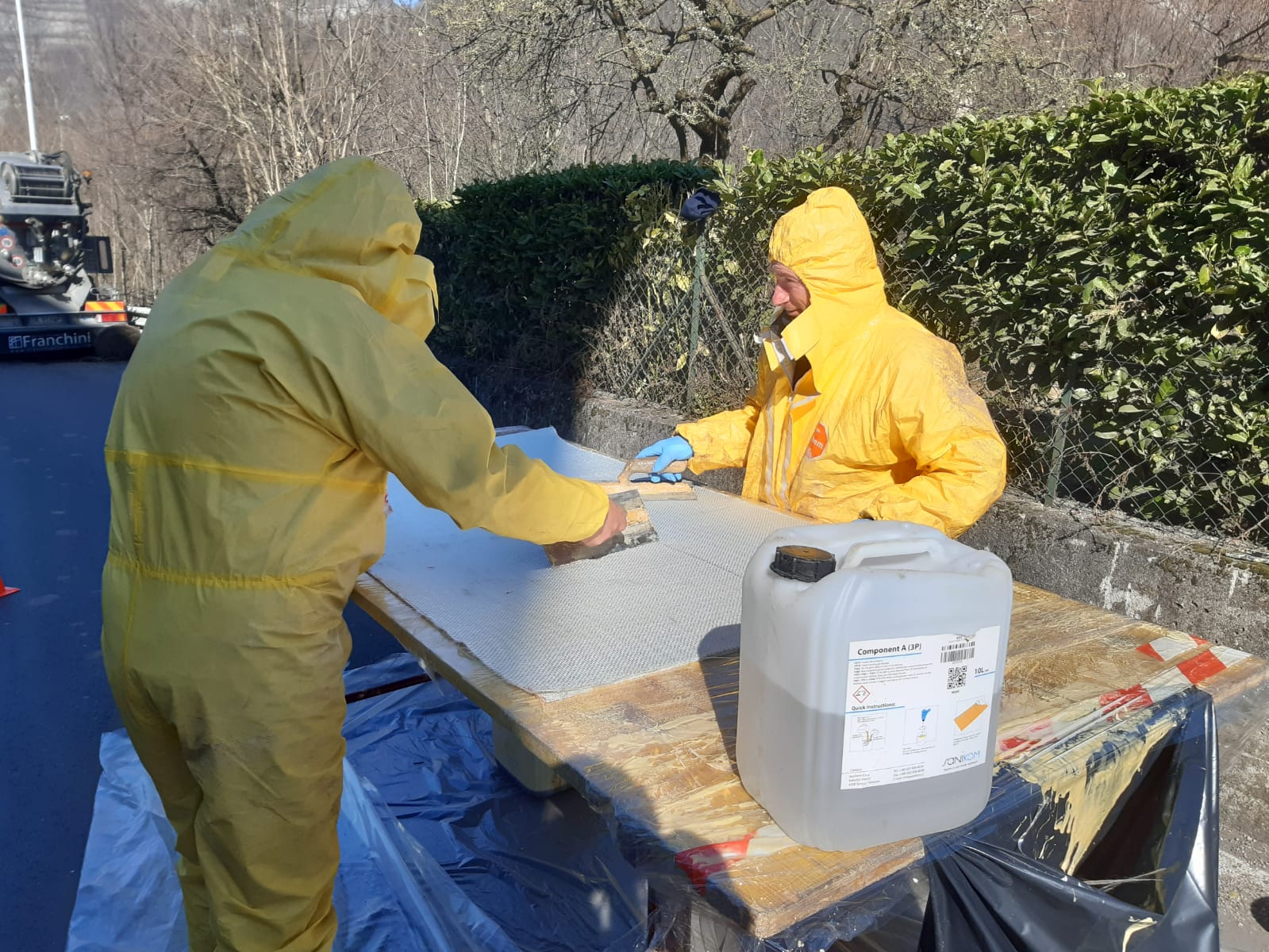
Relining or packer? Discover differences, benefits, and the best trenchless solution for sewer pipe repair and rehabilitation.
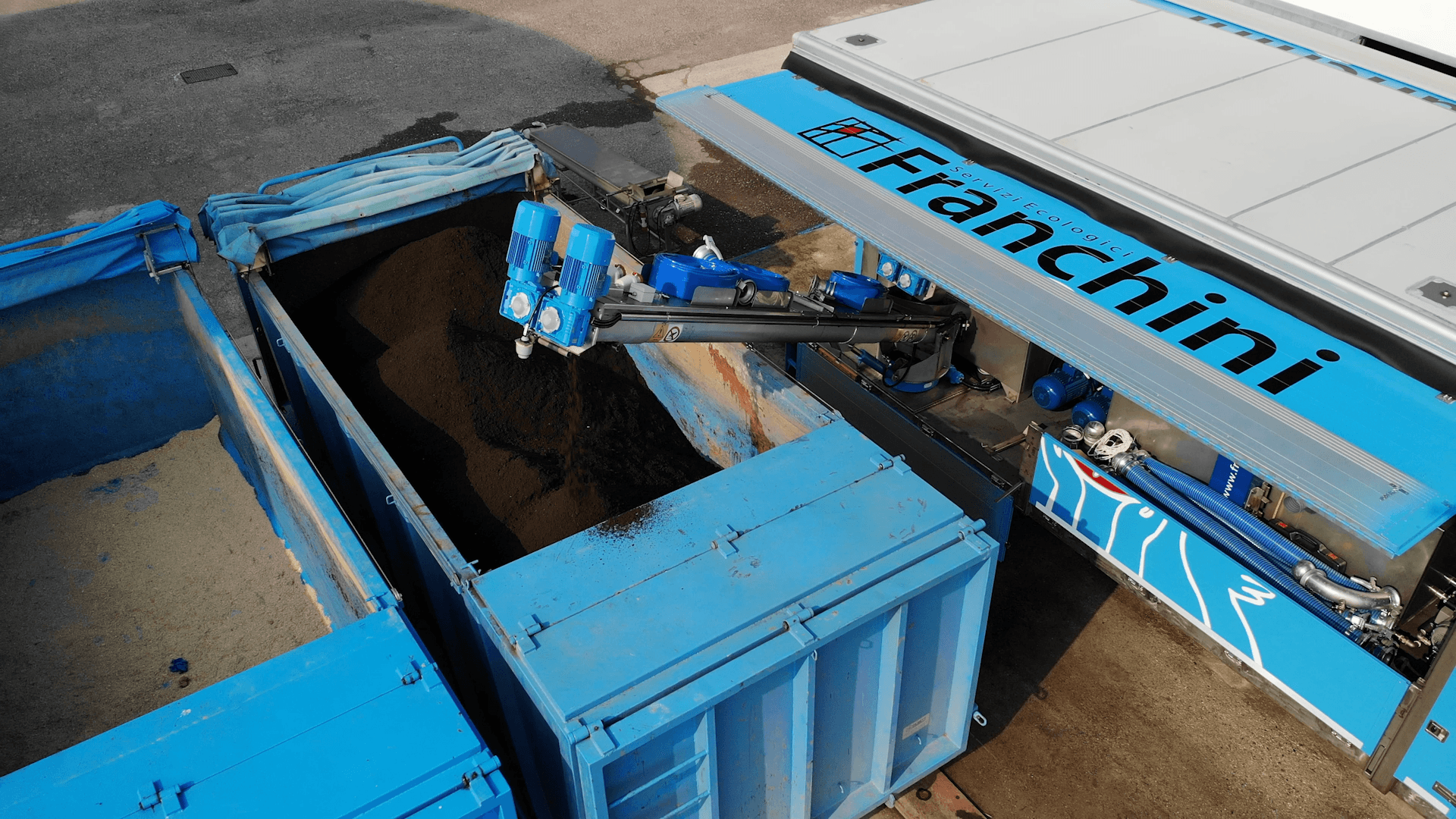
Sludge management is one of the main costs for companies and treatment plants. In this context, mobile sludge treatment plants allow on-site operations, reducing disposal volumes. Dewatering separates liquid from solid components, making sludge more compact and cost-effective to handle.
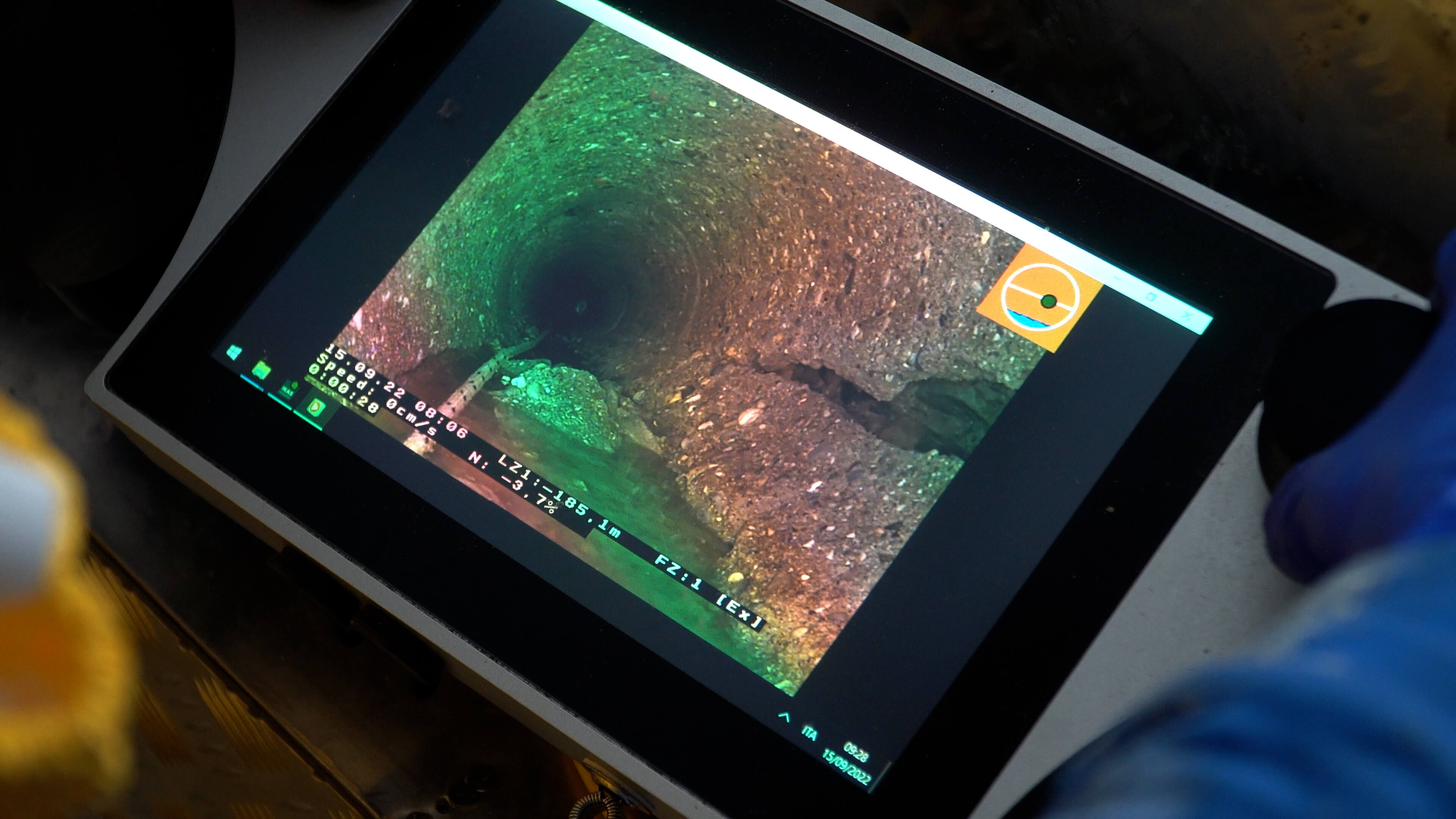
A sewer smell in the bathroom is a common problem that can make your home environment unpleasant and unhygienic. In most cases, the cause is linked to plumbing issues such as dry traps, blocked vents, or partially clogged drains. Quickly identifying the source of the bad odor is essential to take effective action and solve the problem for good.
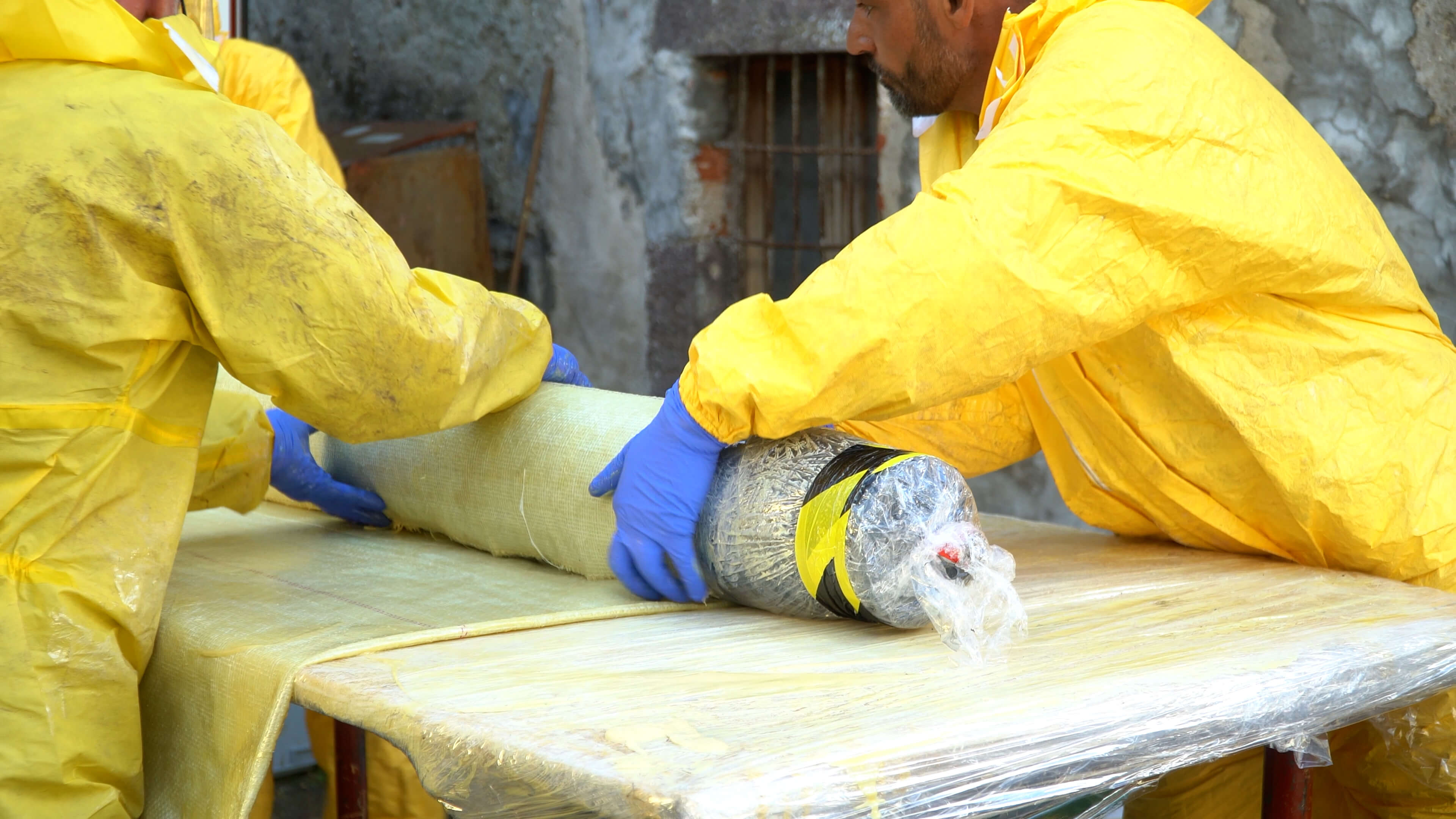
Repairing broken pipes without resorting to demolition is possible thanks to relining, a no-dig technology that allows the pipeline to be reconstructed from the inside by inserting a thermosetting resin liner. This method eliminates the need to break walls, floors, or dig up the garden, reducing intervention times by 50% and significantly cutting costs related to restoring building surfaces.
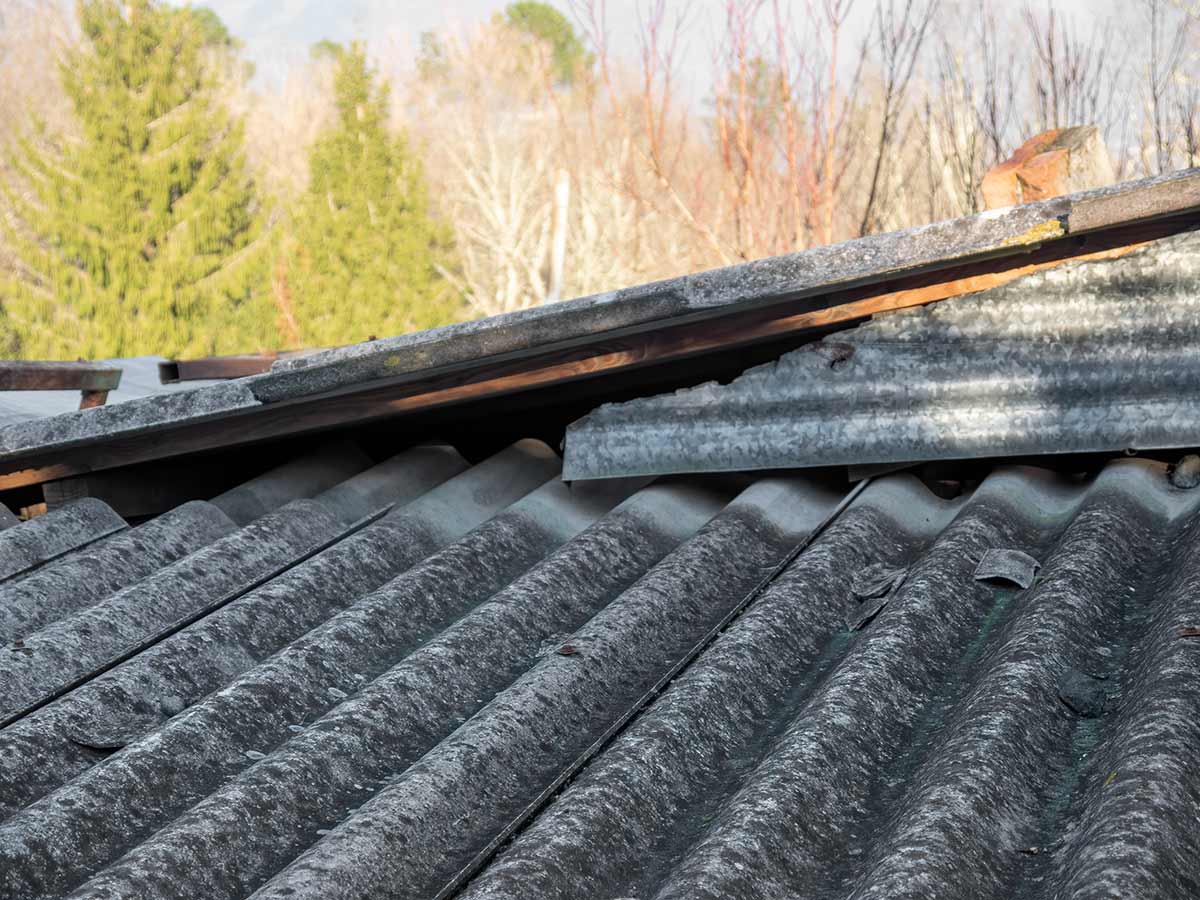
The disposal of asbestos and fiber cement is regulated by Legislative Decree 81/08 and Ministerial Decree 06/09/1994, which require removal to be carried out by companies registered with the National Environmental Managers Register. The procedure includes submitting a work plan to the ATS 30 days in advance, encapsulating the fibers, transport using FIR documentation, and disposal in authorized landfills.
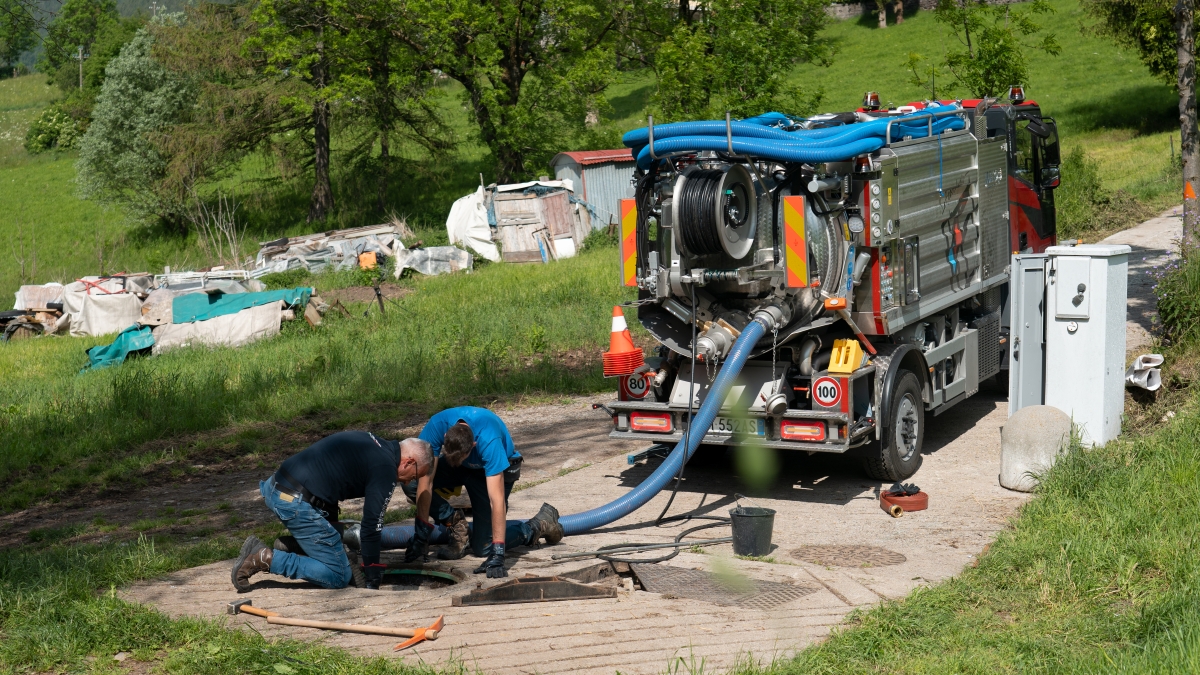
The main signs of a full septic tank are persistent odors, slow drainage, gurgling noises from the pipes, and, in more serious cases, sewage leaks or water pooling in the yard. If you experience any of these symptoms, you should schedule a professional septic tank cleaning service within 24-48 hours to avoid structural damage or home flooding.
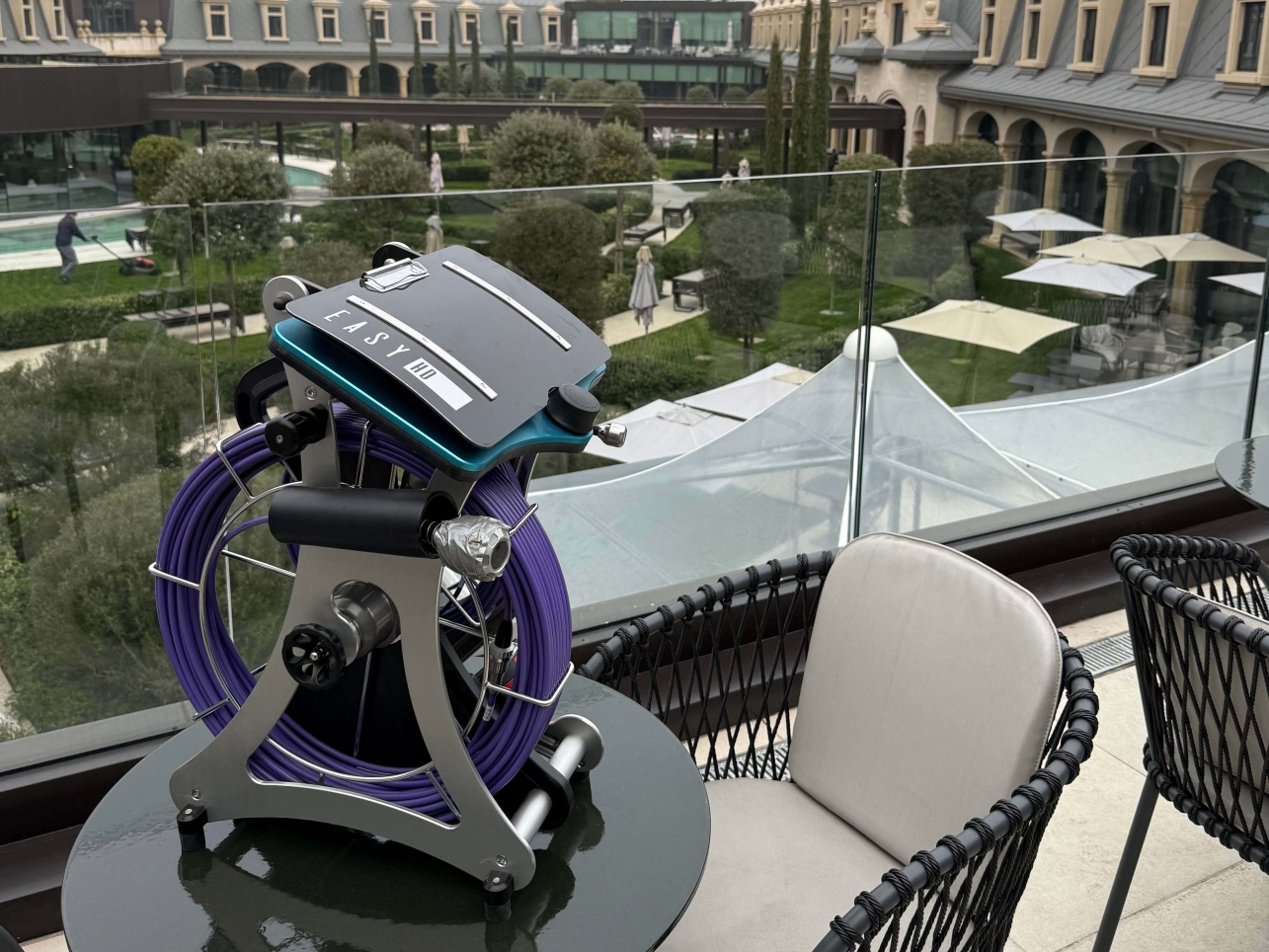
A sewer video inspection costs between €250 and €500 for a standard service in a residential or condominium setting. The final price depends on the diameter of the pipes, the length of the section to be inspected, and the need for preliminary cleaning. This service is essential when recurring blockages, suspicious leaks, or persistent odors occur, as it allows you to see inside the pipes without damaging floors or walls.

Process analysis in the laboratory is a fundamental tool for companies managing industrial sludge and wastewater. By collecting samples directly from the plants, it is possible to monitor effluent quality, identify potential critical issues, and intervene before they turn into operational or environmental problems.
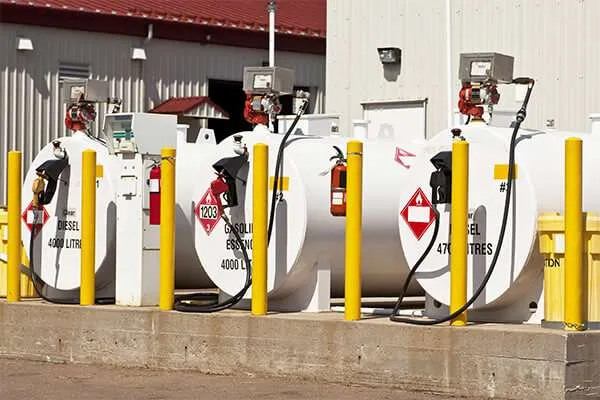
Fuel tank cleaning is an essential technical operation to ensure safety, operational continuity and, above all, regulatory compliance in the management of industrial storage tanks and fuel supply systems. Over time, tanks tend to accumulate sludge, degraded fuel residues, sediments and condensation water that can compromise fuel quality and the proper operation of the system.

The management of sludge produced by wastewater treatment plants represents one of the most significant operational cost and logistics challenges. Due to their high water content, sludge volumes can become considerable, directly impacting transport, storage, and final disposal activities.
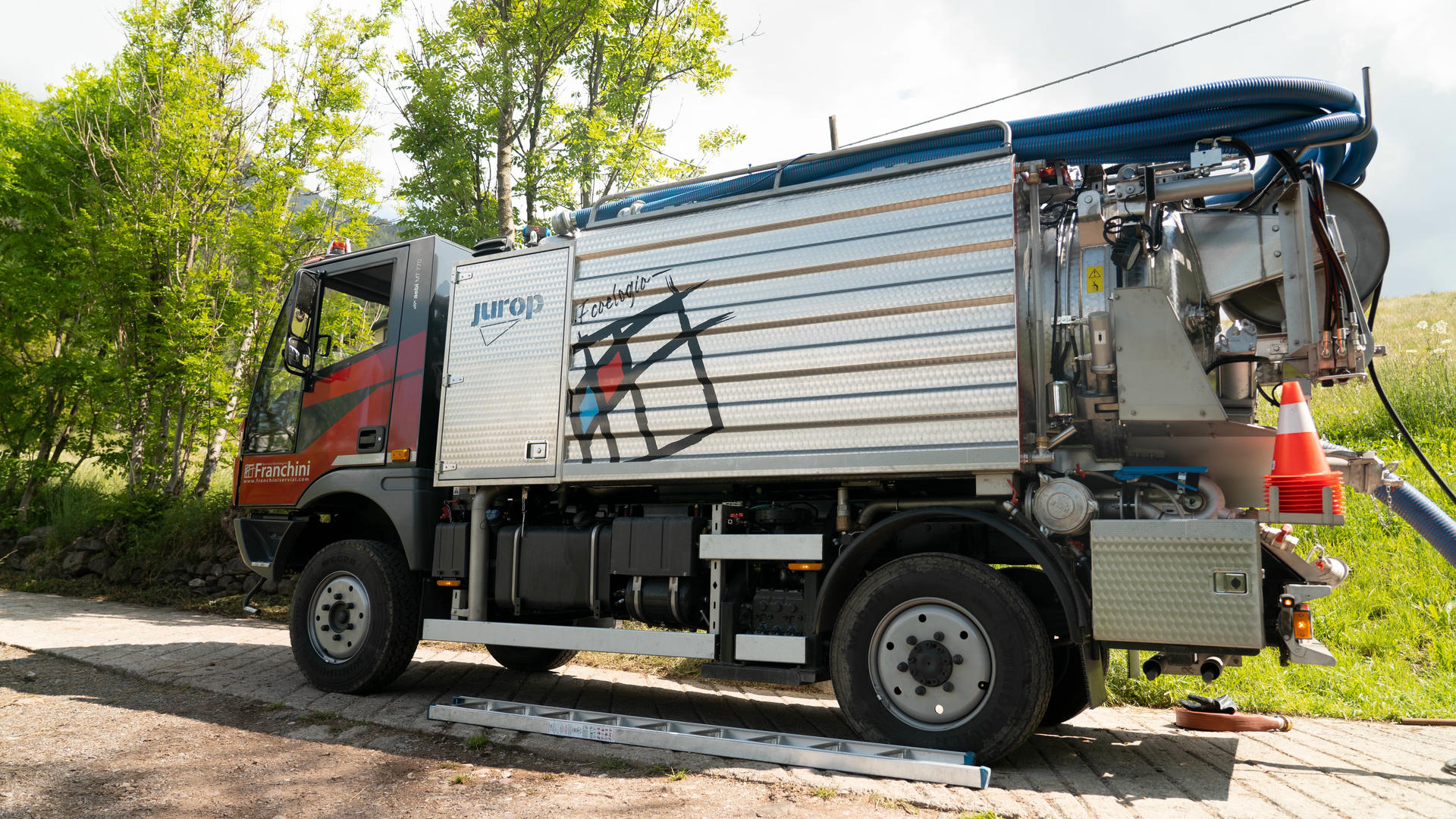
Sewer network cleaning and drain cleaning operations are essential to prevent sudden blockages, flooding, and damage to domestic or industrial systems. In most cases, these issues do not occur unexpectedly: the drainage system gradually shows warning signs that indicate a developing obstruction, and recognizing them early allows intervention before the situation turns into an emergency.
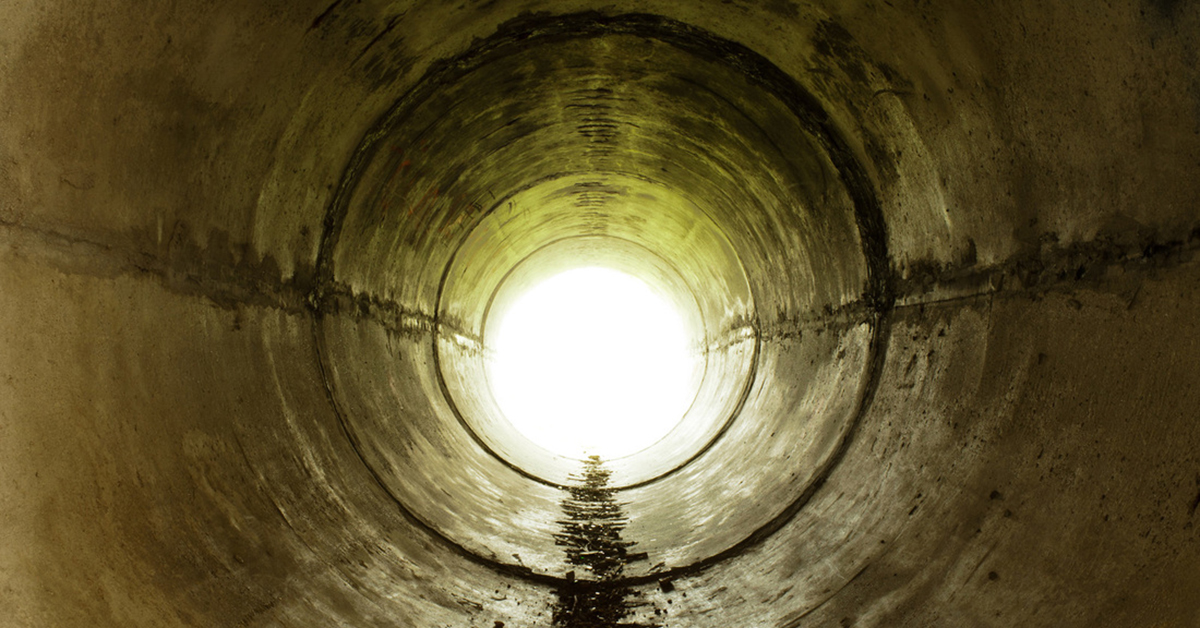
Pipeline and drain video inspections are among the most effective methods for assessing the condition of sewer networks, industrial systems, and underground pipelines without the need for excavation or demolition. Using high-definition cameras inserted directly into the pipes, technicians can accurately identify blockages, structural failures, infiltrations, and damage, allowing targeted maintenance while reducing costs and downtime.
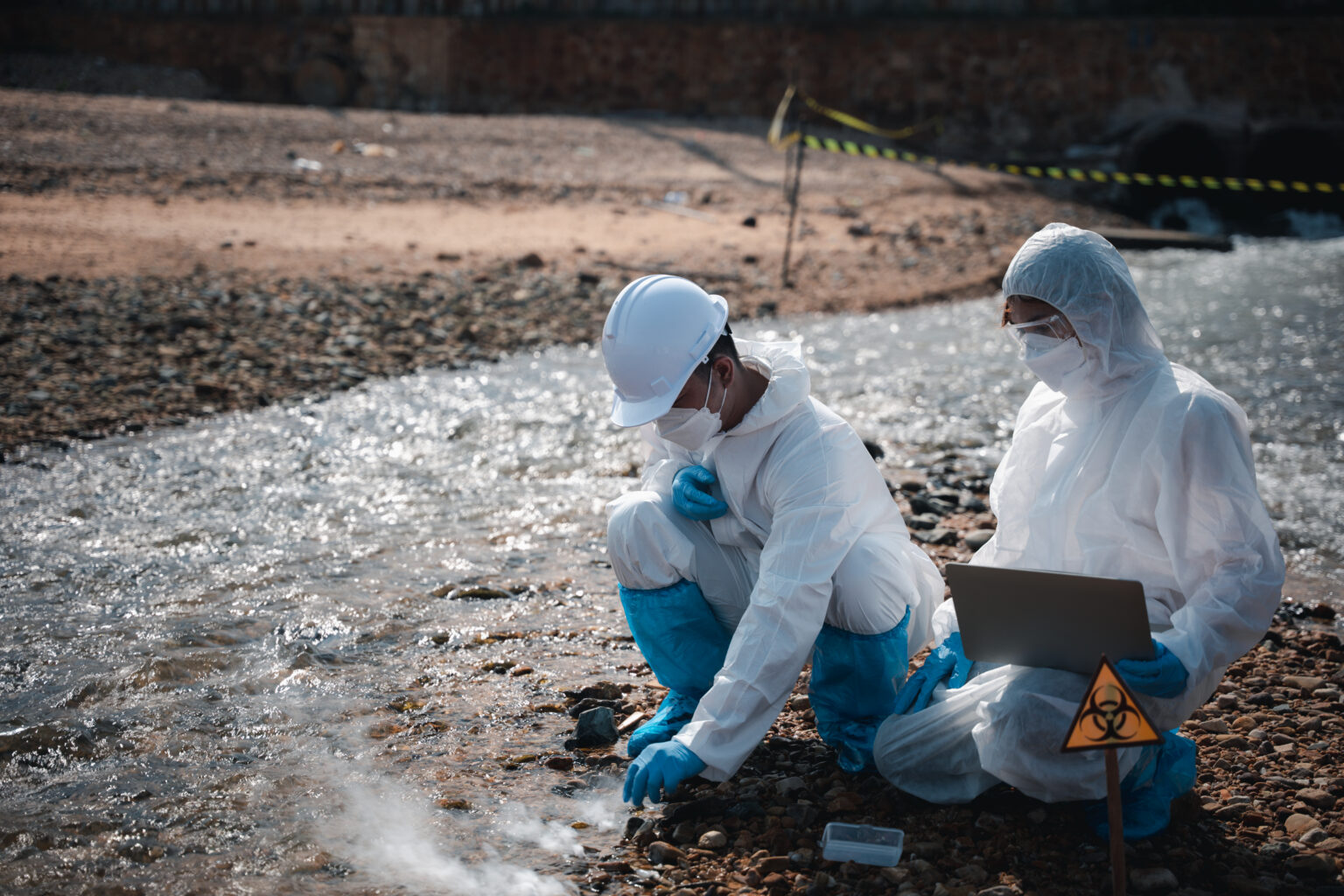
Underground tank remediation is an essential procedure whenever a tank used for storing diesel, fuel, or other liquid substances is decommissioned, replaced, or presents conditions that may pose a risk to the environment and safety. It's not simply a matter of draining a tank: remediation involves a series of technical operations aimed at eliminating every product residue, securing the system.
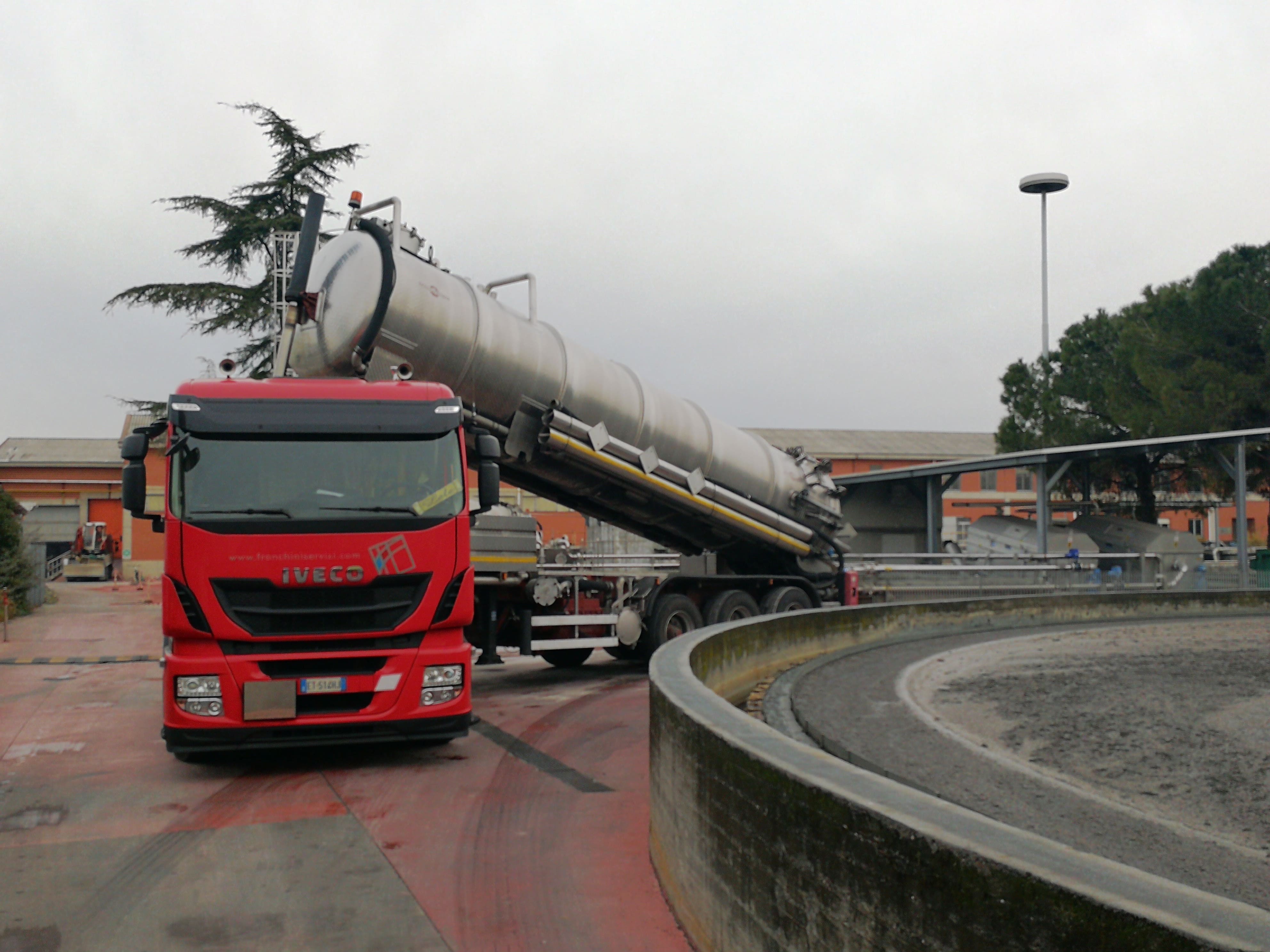
Liquid waste disposal is a fundamental activity for all companies that generate liquid waste from production processes, maintenance operations or plant management. Besides being a legal obligation under environmental regulations, proper waste management helps reduce contamination risks, avoid penalties and ensure business continuity.
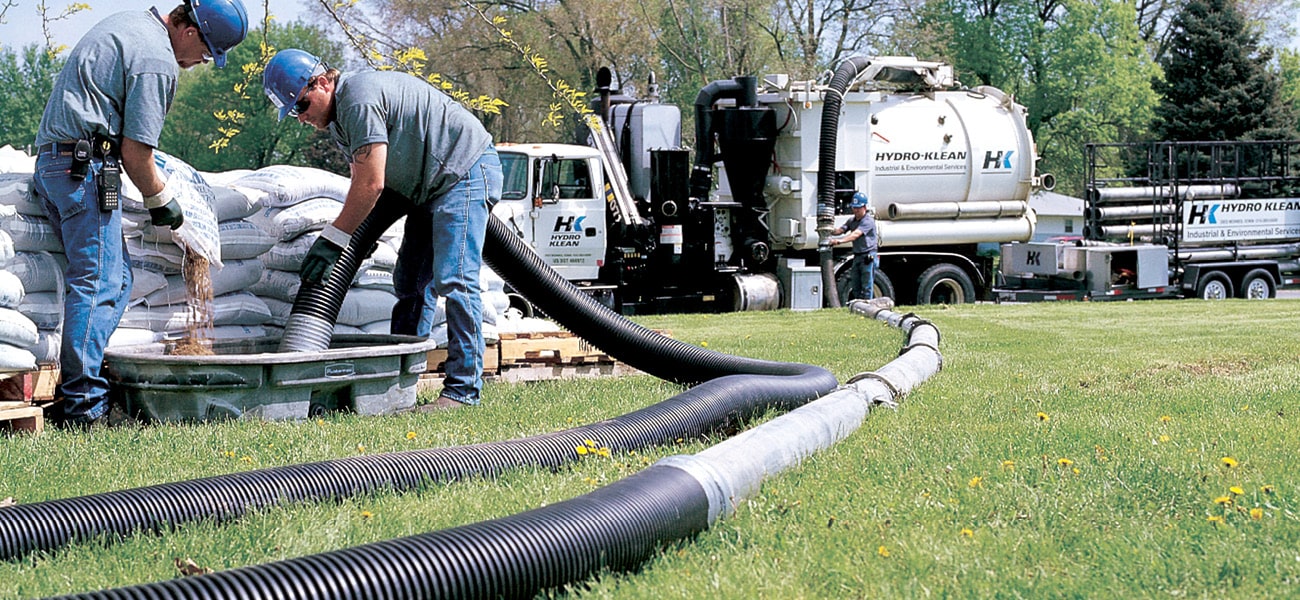
Professional drain cleaning services in Bergamo for homes and businesses. Sewer cleaning, rehabilitation, blockage removal, trap and vent maintenance.
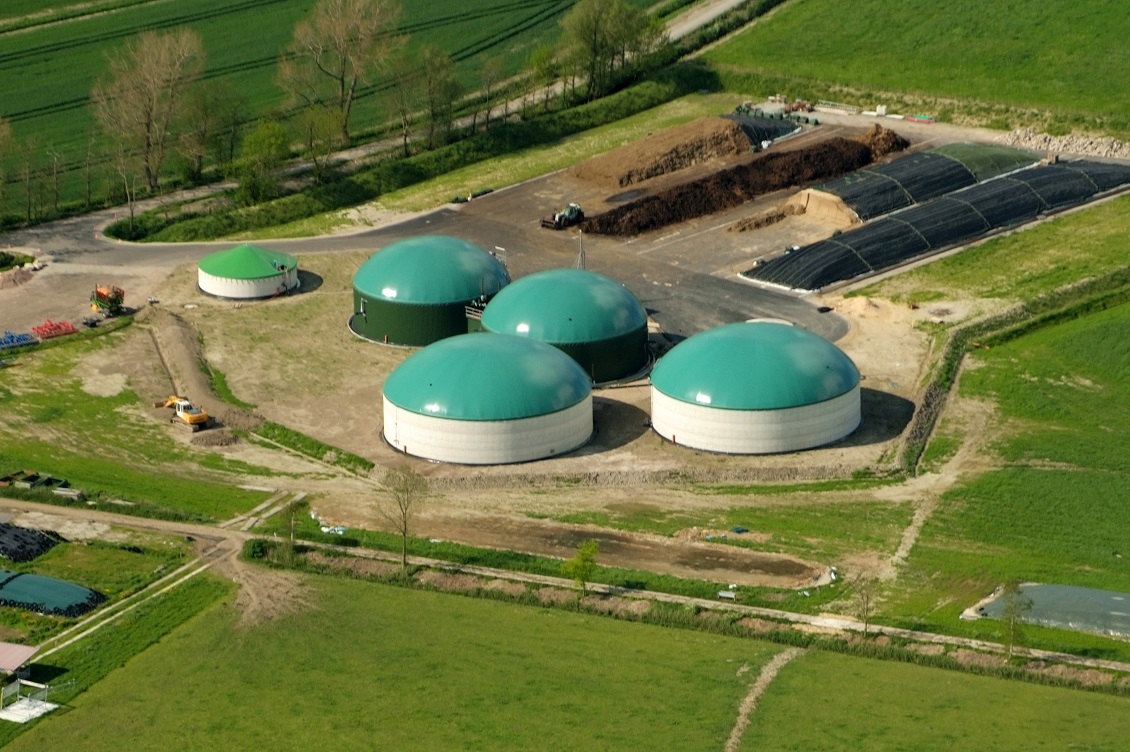
Digester maintenance is essential to ensure operational continuity, safety and efficiency in wastewater treatment plants, biogas facilities and industrial processing systems. A digester operating under optimal conditions maintains high process performance, reduces energy consumption and minimizes the risk of unexpected failures that may result in long and costly plant shutdowns.
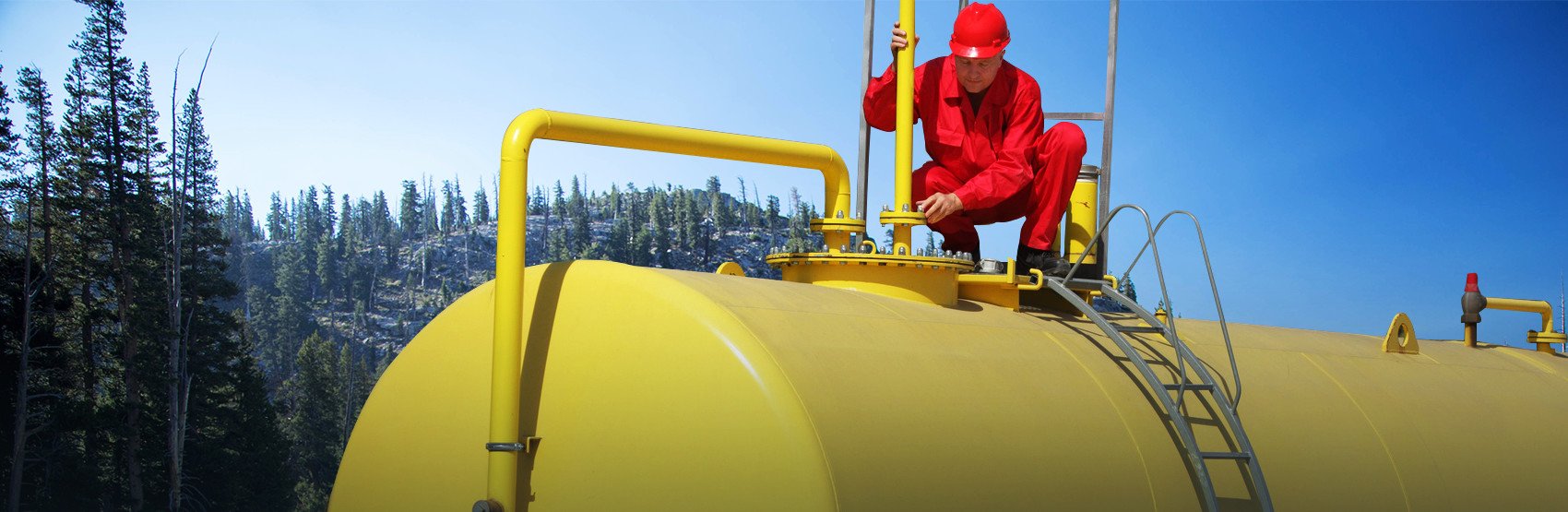
Gas free verification is a mandatory safety procedure before any access to tanks, cisterns, and confined spaces in industrial settings. It certifies that the internal atmosphere is free from toxic gases, flammable vapours, and oxygen deficiencies, preventing serious health risks for operators and ensuring safe working conditions that comply with current regulations and occupational safety standards.