Inertization of underground diesel tanks is a fundamental safety procedure carried out before remediation, removal, or decommissioning of a system. The goal is to eliminate any risk associated with the presence of flammable vapors or fuel residues inside the tank, making the internal environment stable and non-reactive. In industrial, civil, and logistics settings, this operation is essential for working safely.
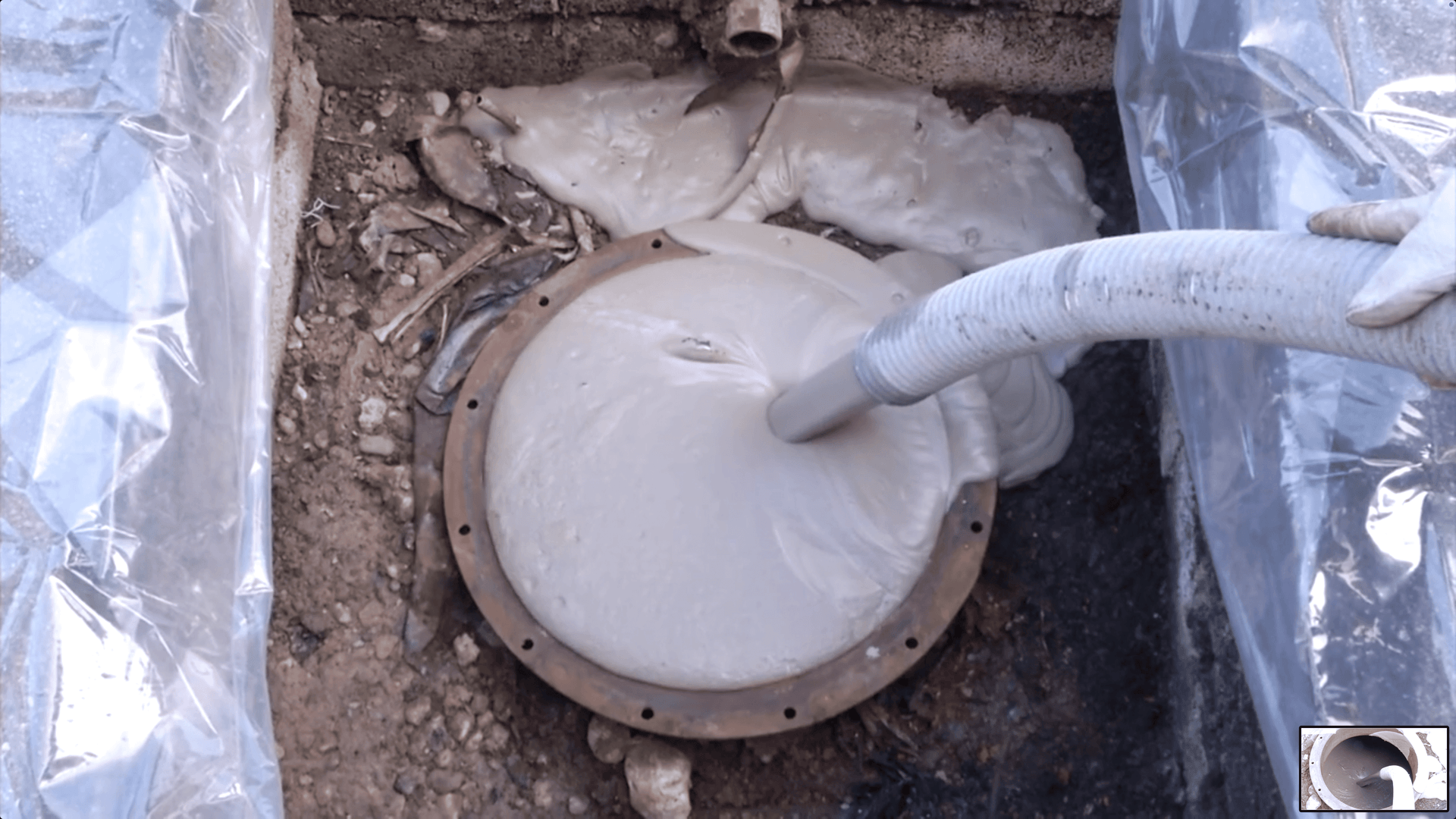
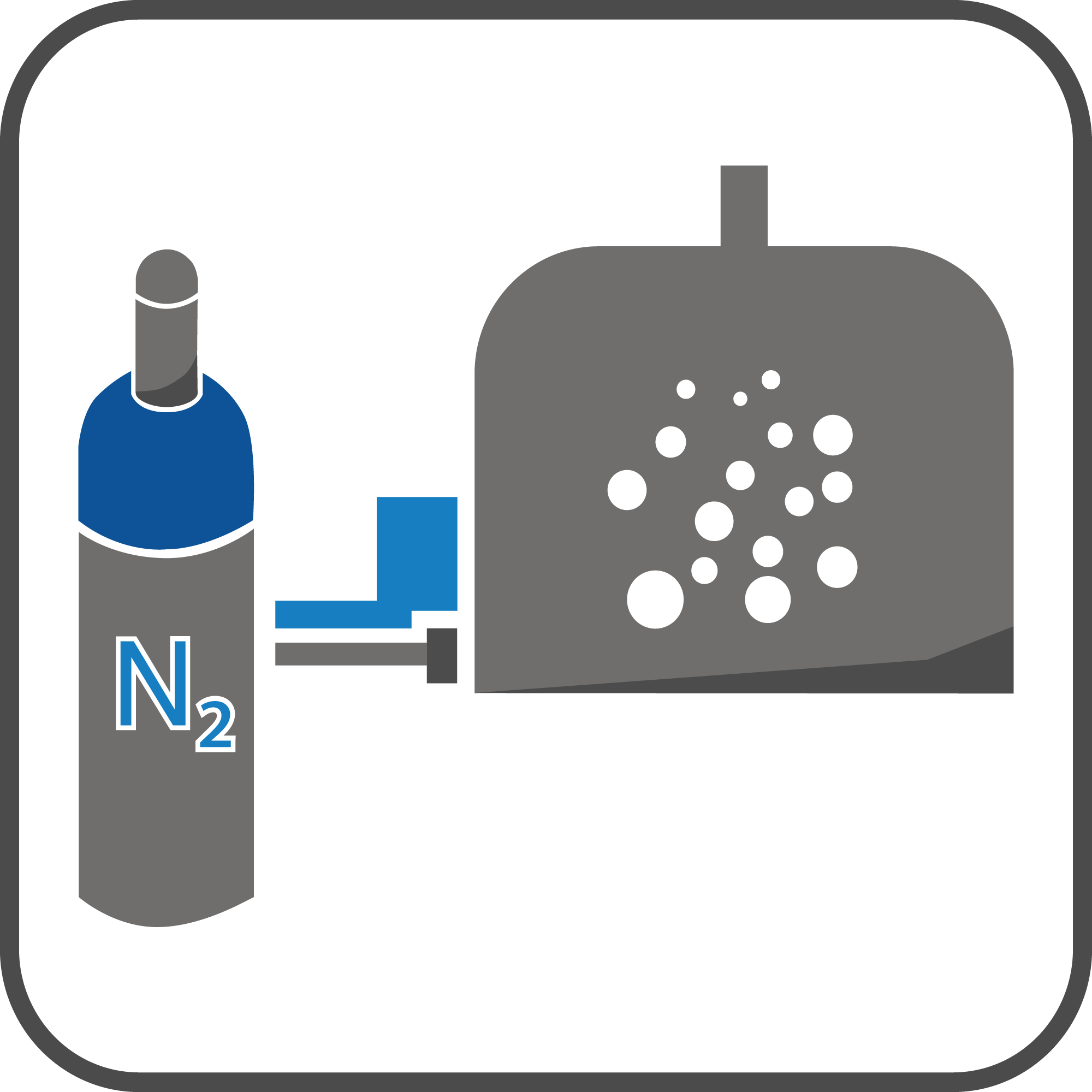
Inertization is a technical treatment that consists of making a tank chemically and atmospherically inert, eliminating the presence of oxygen and flammable vapors in order to make remediation and disposal operations completely safe.
In practice, the intervention aims to:
This step is essential especially in underground tanks, where natural ventilation is absent and residues can persist for a long time.
Inertization is required in all situations where it is necessary to safely intervene on a system that has contained fuels or flammable substances, particularly with underground diesel tanks.
It is necessary, in particular, when:
Without inertization, any intervention inside or near the tank can pose high risks for operators.
The inertization process is carried out with controlled procedures and specific equipment, designed to ensure maximum operational safety.
The main phases include:
The result is a stabilized internal environment, free of excess oxygen and flammable vapors, suitable for subsequent technical operations.
Inertization of underground diesel tanks is not just a technical procedure, but an essential preventive measure.
It serves to:
In the absence of this treatment, even small amounts of vapors can represent a significant danger.
Inertization often represents the initial phase of a broader environmental remediation process.
In many cases, it:
It is therefore a strategic step that allows subsequent interventions to be carried out under controlled and safe conditions.
Inertization of underground tanks is not an accessory step, but the starting point for any safe remediation or decommissioning intervention. Without this phase, every subsequent activity exposes operators and the environment to avoidable risks.
Relying on correct procedures and a specialized partner like Franchini Servizi Ecologici means transforming a potential hazard into a controlled, traceable, and regulation-compliant process. This is precisely the approach that ensures real safety — not theoretical — throughout the entire tank management cycle.
Inertization of underground diesel tanks is a safety procedure that consists of making the internal environment of the tank non-explosive and non-reactive. This is done by reducing the presence of oxygen and flammable vapors through the use of inert gases or internal atmosphere control techniques. The goal is to eliminate any risk of fire or explosion before intervening on tanks that have contained diesel, especially during remediation, removal, or decommissioning.
Inertization significantly and controllably reduces the risk of explosion, making the internal environment of the tank non-reactive. However, it is not a simple isolated operation: it must be part of a complete safety process that includes monitoring, atmosphere verification, and certified operating procedures. When carried out correctly by qualified personnel, it allows operations to be conducted under high safety conditions during all subsequent phases.