Sewer pipeline tightness tests are essential technical checks to verify the structural integrity and impermeability of drainage networks. They identify leaks, infiltrations, and construction defects that could cause soil contamination, structural failures, and system malfunctions, ensuring that the sewer system complies with current environmental regulations and industry standards.
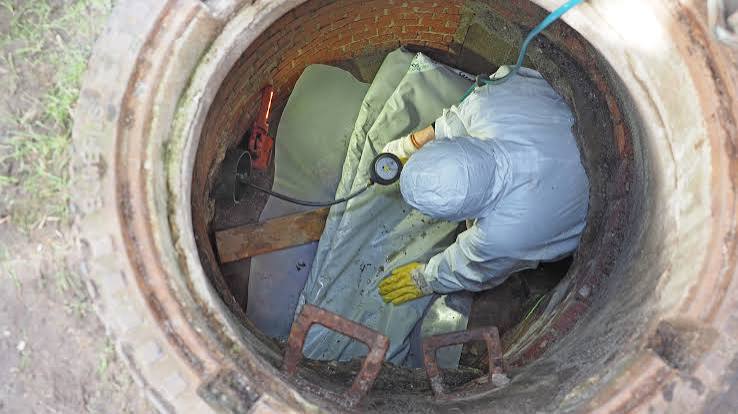
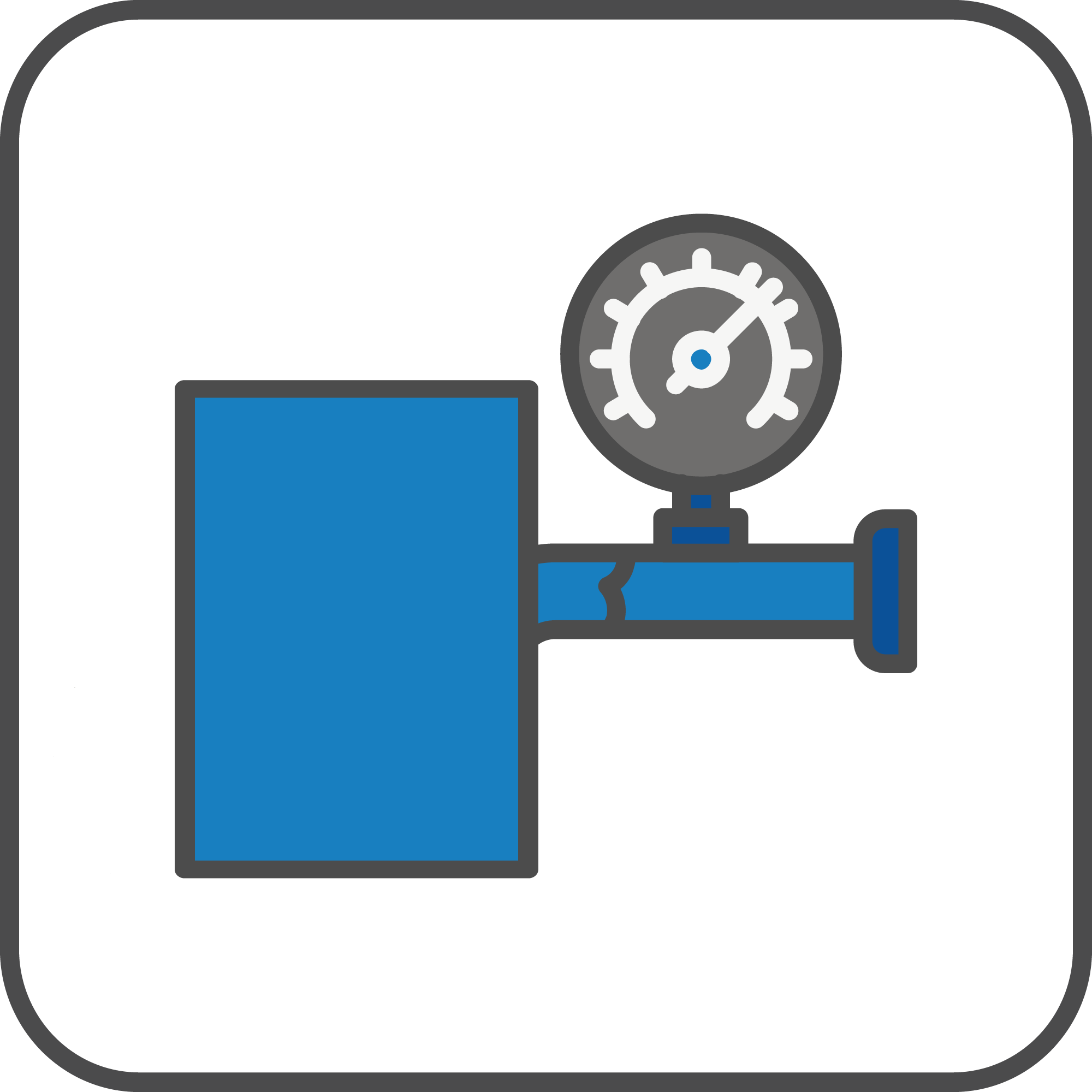
A tightness test is a technical check that verifies a sewer pipeline's ability to retain fluids internally without leaks to the outside and without infiltration from outside to inside. The test can be carried out by air pressurisation or water filling, depending on the characteristics of the pipe, the material, and the applicable regulatory requirements.
The objective is to confirm that joints, fittings, connections, and pipe surfaces are perfectly intact and capable of ensuring hydraulic tightness under the expected operating conditions, preventing effluent dispersion into the ground and external water infiltration into the sewer system.
Sewer pipeline tightness tests are required at various stages of the network's lifecycle, both during construction and during routine system management.
Tightness testing is required in particular:
Carrying out scheduled tightness tests allows critical issues to be identified promptly that, if neglected, could develop into more serious failures with significantly higher repair costs.
There are several methodologies for carrying out sewer tightness tests, each suited to specific operating conditions and pipe types.
The main types of testing include:
| Test type | Method | Typical application |
| Water test | Pipeline filling and level drop measurement | Gravity pipelines during commissioning |
| Air test | Pressurisation and pressure drop monitoring | Existing pipelines and hard-to-access sections |
| Vacuum test | Vacuum creation and infiltration measurement | Manholes and joints |
| Combined test | Integration of multiple methods on different sections | Complex networks with heterogeneous materials |
The choice of methodology depends on the pipe material, diameter, installation depth, and the requirements of the managing authority or relevant technical specifications.
During a tightness test, several aspects of the sewer pipeline are checked to confirm its overall integrity.
The main elements subject to verification are:
A positive test result certifies that the pipeline is fit for service and compliant with the tightness requirements established by regulations. In the event of a negative result, critical issues must be identified and resolved before repeating the check.
Every tightness test is carried out by qualified personnel following standardised procedures that ensure the reliability and repeatability of results.
The main phases of the intervention include:
The documentation produced during the tightness test forms an integral part of the technical file of the work and may be requested by control bodies at any time during the infrastructure's useful life.
Sewer pipeline tightness tests are governed by national and international technical standards that define testing methodologies, acceptability parameters, and result documentation procedures. In Italy, the main references include the UNI EN 1610 standard for the installation and testing of sewer pipelines and the specific requirements of integrated water service management authorities.
Compliance with these regulations is essential not only to ensure network safety and efficiency but also to obtain the necessary authorisations for commissioning and to demonstrate the work's conformity in the event of inspections or disputes.
Sewer pipeline tightness tests are a fundamental step in ensuring the integrity, impermeability, and regulatory compliance of drainage networks. A check carried out by qualified personnel with certified instrumentation verifies the condition of the sewer system and prevents issues that could compromise plant operation and environmental safety.
Franchini Servizi Ecologici carries out professional tightness tests on sewer pipelines, collectors, and industrial and civil drainage networks, using equipment compliant with current regulations and specialised personnel. Every intervention is documented with detailed test reports, ensuring full traceability of results and compliance with the requirements of competent authorities.
In Italy, the main regulatory reference for sewer pipeline tightness tests is the UNI EN 1610 standard, which establishes the criteria for the installation and testing of sewer pipelines and drainage connections. This standard defines the permitted testing methodologies, the acceptability parameters for water and air tests, and the procedures for documenting results. In addition to the UNI EN 1610 standard, integrated water service management authorities may prescribe additional requirements in their technical specifications, which must be met during commissioning. Compliance with these regulations is a necessary condition for the acceptance of the work and for the issuance of commissioning authorisations.
The water tightness test involves completely filling the pipeline section to be tested and measuring any level drop over a period defined by regulations. It is the most traditional method and is generally used for gravity pipelines during the commissioning of new works. The air test, on the other hand, involves pressurising the pipeline section and monitoring the pressure drop over time. It is particularly suitable for existing pipelines, for hard-to-access sections where water filling would be impractical, and in situations where execution times need to be reduced. Both methodologies are regulated and provide reliable results when correctly carried out with calibrated instrumentation.
There is no single mandatory frequency valid for all sewer networks, as the frequency depends on several factors including the age of the pipeline, the construction material, the conditions of the surrounding ground, the presence of groundwater, and the intensity of system use. Generally, it is advisable to schedule periodic checks within the network maintenance plan, with frequencies that can range from several years for newer pipelines to shorter intervals for older networks or those located in critical areas. A preventive video inspection can help identify the most vulnerable sections on which to focus tightness tests, optimising resources and ensuring effective monitoring of the entire network.
If the tightness test reveals values outside the acceptability parameters, the pipeline cannot be considered compliant and it is not possible to proceed with commissioning or certification of the affected section. The cause of the tightness loss must be identified, which may lie in defective joints, pipe cracks, improperly executed fittings, or material deterioration. Once the problem is located, the necessary repair work is carried out, which may include joint resealing, replacement of damaged sections, or rehabilitation using no-dig technologies such as relining. After repair, the tightness test must be repeated to verify that values fall within regulatory parameters and obtain the compliance certification.
Yes, tightness tests must also be carried out on inspection manholes, chambers, and all ancillary elements of the sewer network, as they represent critical points where leaks or infiltrations can occur. Manholes are generally tested using the vacuum method or water filling, verifying that the walls, base, pipe connections, and cover maintain the hydraulic tightness required by regulations. A manhole that fails the tightness test can cause parasitic water infiltration into the sewer system, resulting in overloading of the treatment plant, or effluent dispersion into the surrounding ground with risks of environmental contamination. For this reason, manhole testing is an integral part of the overall sewer network verification.