Cistern cleaning is an essential operation for ensuring the proper functioning and safety of industrial facilities. Over time, residues, sediments and contaminants accumulate inside cisterns, compromising the quality of stored liquids and increasing the risk of failures or environmental contamination. Relying on specialized operators ensures the cleaning is performed safely and in full compliance with current regulations.
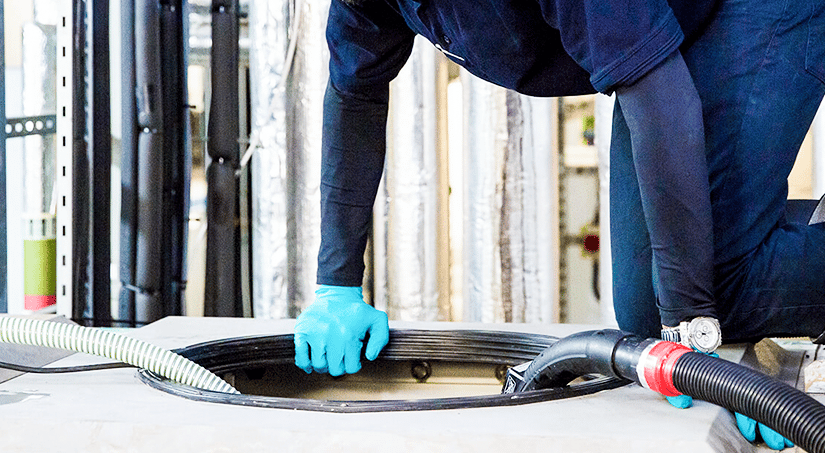
Cistern cleaning consists of the complete removal of all residues, sediments, sludge and scale that accumulate inside the tank during normal use. This operation includes emptying the cistern, vacuuming materials deposited on the bottom, washing the internal walls with high-pressure equipment and, when necessary, sanitizing the surface to eliminate bacteria and biological contaminants. It is an operation that requires specific skills, professional equipment and strict compliance with occupational safety and environmental protection regulations.
The importance of cistern cleaning cannot be underestimated. A cistern not subjected to regular maintenance can become a source of contamination for the liquids it contains, with consequences ranging from deterioration of the quality of stored fuel to compromising drinking water intended for human consumption. Furthermore, the accumulation of sediments progressively reduces the useful volume of the cistern, decreasing the efficiency of the entire system. From a regulatory standpoint, Italian Legislative Decree 152/2006 imposes precise obligations regarding the management and maintenance of containers for hazardous substances, making periodic cleaning not only a best practice but a legal requirement.
Relying on qualified professionals for cistern cleaning ensures that every phase of the operation is carried out in compliance with operational protocols and legislative provisions. Specialized operators have the appropriate means for the collection, transport and disposal of extracted waste, ensuring complete traceability of the process and proper management of potentially polluting materials.
Each type of cistern has different construction characteristics and contents, requiring specific and targeted cleaning approaches. The choice of the most appropriate methodology depends on the type of liquid stored, the cistern material and the operating conditions of the facility. Below we list the main types of cisterns and their respective cleaning requirements.
The main types of cisterns requiring periodic cleaning operations:
The frequency with which cistern cleaning needs to be carried out depends on several factors, including the type of liquid stored, environmental conditions, the age of the cistern and applicable regulatory provisions. As a general guideline, for diesel cisterns a cleaning operation is recommended every 3 to 5 years, while drinking water cisterns require more frequent checks and sanitizations, generally on an annual basis. Cisterns used for storing chemical substances may require even more frequent interventions, depending on the hazardousness and reactivity of the products contained.
In addition to scheduled intervals, there are several signs indicating the immediate need for cistern cleaning. These include the presence of unusual odours in the stored liquid, changes in colour or the formation of visible deposits, malfunctioning of filters and supply systems, and the presence of condensation water in fuel cisterns. After a prolonged period of disuse it is also advisable to carry out a complete cleaning before putting the cistern back into service, to eliminate any contamination that may have developed during the idle period.
From the standpoint of legal obligations, Italian regulations require periodic inspections for all cisterns containing potentially polluting substances. Failure to comply with maintenance timelines can result in administrative penalties and, in the most serious cases, criminal liability for environmental pollution. Scheduling cistern cleaning according to recommended intervals and documenting every operation is therefore essential for the legal protection of the company.
Several methodologies exist for cistern cleaning, each with specific advantages depending on the application context. The following table compares the main methods used in the industrial sector:
| Method | Description | Ideal application | Timeframe |
| High-pressure washing | High-pressure water jets to remove scale and residues adhering to walls | Diesel, industrial water and wastewater cisterns | 4-8 hours |
| Mechanical suction | Use of suction pumps to extract sludge, sediments and residual liquids from the bottom | Cisterns with high accumulation of sediments and sludge | 2-6 hours |
| Chemical remediation | Use of specific chemical agents to dissolve resistant residues and decontaminate surfaces | Chemical product and hazardous substance cisterns | 6-12 hours |
| Thermal sanitization | High-temperature steam treatment to eliminate bacteria and biological contaminants | Drinking water and food-grade cisterns | 3-6 hours |
| Robotic cleaning | Use of remote-controlled robots to access and clean confined spaces without operator entry | Underground or restricted-access cisterns | 4-10 hours |
The choice of the most appropriate method is made by specialized technicians based on a preliminary survey, during which the condition of the cistern, the type and quantity of residues present and any structural issues are assessed. In many cases, the optimal intervention involves combining multiple techniques to ensure a complete and lasting result.
Neglecting cistern cleaning exposes the company to a series of significant risks affecting both the operational and the legal and environmental spheres. The first and most immediate danger is contamination of the stored liquids. In diesel tanks, for example, bacterial proliferation in sediments can generate sludge that clogs filters and injectors, causing unexpected downtime and costly repairs. In drinking water cisterns, biofilm formation and legionella growth pose a direct risk to people's health.
On the environmental front, a deteriorated cistern or one with undetected leaks can cause contamination of the surrounding soil and groundwater, resulting in environmental damage that requires extremely costly remediation operations. The competent authorities can order the shutdown of the facility and initiate sanctioning proceedings that include significant fines and, in the most serious cases, criminal consequences for the company owner. Proper and timely maintenance therefore represents not only an investment in safety, but also an element of economic and legal protection for the business.
Reduced useful capacity is another negative effect of neglected cleaning. The progressive accumulation of sediments and scale takes away space from the liquid to be stored, requiring more frequent refuelling or early replacement of the cistern. The costs arising from this situation far exceed those of planned and regular maintenance, making clear the economic advantage of a preventive approach to cistern cleaning.
Cistern cleaning is an operation that requires advanced technical skills, specialist equipment and thorough knowledge of environmental and safety regulations. Franchini Servizi Ecologici has a team of qualified operators and a fleet of equipped vehicles to carry out cleaning operations on every type of cistern, from underground diesel cisterns to above-ground drinking water tanks, to industrial wastewater collection basins. Every operation is planned on the basis of a preliminary technical survey that identifies the most effective methodology and ensures maximum operational safety.
Relying on Franchini Servizi Ecologici means having the assurance that every phase of cistern cleaning is managed in full compliance with current regulations, from the collection of residues to their transport and disposal at authorized facilities. The company issues all necessary documentation to certify the completed operation, providing the client with complete waste traceability and the peace of mind of being fully compliant with legal provisions. To request a free survey or a customized quote, visit our dedicated services page or our homepage.
The recommended frequency for cleaning a diesel cistern is generally between 3 and 5 years, although several factors may require more frequent interventions. The quality of the purchased fuel, the climatic conditions of the installation area and the volume of use influence the speed of sediment formation. In environments characterized by high humidity, condensation water forms more rapidly and promotes the proliferation of bacteria that degrade diesel fuel. When signs such as unusual odours, reduced efficiency of fuel supply systems or altered fuel colour appear, it is advisable to bring forward the cleaning operation. Documenting every maintenance operation is also important for regulatory and insurance purposes.
The cost of industrial cistern cleaning varies depending on several parameters, including the tank capacity, the type of liquid previously stored, the degree of contamination present and the accessibility of the cistern. An underground cistern in confined spaces requires additional equipment and safety protocols that affect the overall cost of the operation. The need to dispose of waste classified as hazardous also significantly influences the final estimate. For this reason, Franchini Servizi Ecologici always carries out a free technical survey before formulating an offer, so as to provide an accurate and transparent estimate tailored to the client's actual needs. Requesting a no-obligation survey is the first step in understanding the real cost of the operation.
Yes, Italian legislation imposes specific obligations regarding the maintenance and cleaning of cisterns, particularly those containing substances classified as hazardous or potentially polluting. Legislative Decree 152/2006, known as the Environmental Code, establishes that the operators of facilities containing hazardous substances must adopt all necessary measures to prevent contamination of soil, subsoil and groundwater. For drinking water cisterns, Legislative Decree 31/2001 imposes hygiene and health standards that require periodic cleaning and sanitization operations. Failure to comply with these obligations can result in administrative fines, mandatory remediation at the expense of the responsible party and, in the most serious cases, criminal consequences. Maintaining a documented record of cleaning operations is essential to demonstrate compliance during inspections.
A professional cistern cleaning operation is divided into several well-defined phases. It begins with a technical survey to assess the conditions of the cistern, the type of residues present and any logistical or safety issues. The tank is then completely emptied, with the residual liquid and sediments accumulated on the bottom being suctioned out using specialized pumps. The washing phase involves the use of high-pressure jets to remove scale and deposits adhering to the internal walls. If necessary, chemical remediation or thermal sanitization with steam is carried out to eliminate persistent contaminants. At the end of the cleaning, a visual inspection is performed and, if required, an instrumental verification of the cistern's integrity. All collected waste is classified, documented and transported to authorized disposal facilities, with the relevant documentation issued to the client.
In most cases, the cistern can be put back into service shortly after cleaning is completed, but the exact timing depends on the type of operation performed. After a simple high-pressure wash, the cistern is generally ready for reuse as soon as the walls are dry, which may take a few hours. If chemical remediation has been carried out, it is necessary to wait until the residues of the products used have been completely removed and ventilation has cleared any vapours. For drinking water cisterns that have undergone sanitization, it is mandatory to perform a bacteriological analysis of the rinse water before restoring supply, to ensure that the hygiene and health parameters comply with legal limits. The Franchini Servizi Ecologici team provides precise instructions on restoration times at the end of each operation, ensuring the cistern is put back into service under maximum safety conditions.