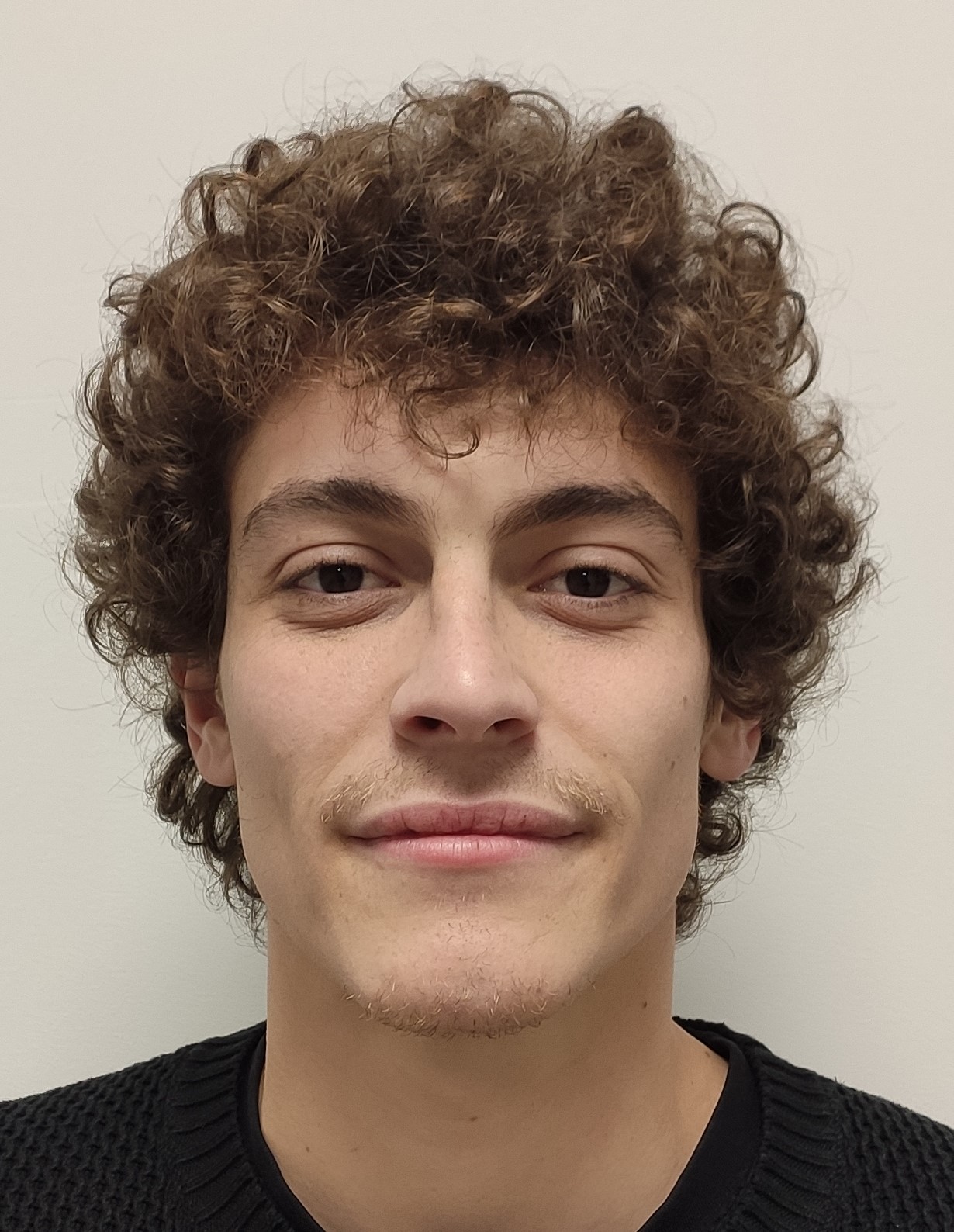
He holds a Master’s degree in Energy Engineering from the Politecnico di Milano. He has been working for several years within the Technical and Safety Department at Franchini S.p.A., where he participates in technical design, as well as the planning and operational management of various company services. These include video inspections, rehabilitation works, leak testing, high-pressure cleaning with specialized equipment, and the cleaning of anaerobic digesters. Thanks to his academic background and direct experience, he contributes to the development of efficient and innovative technical solutions in the sector.
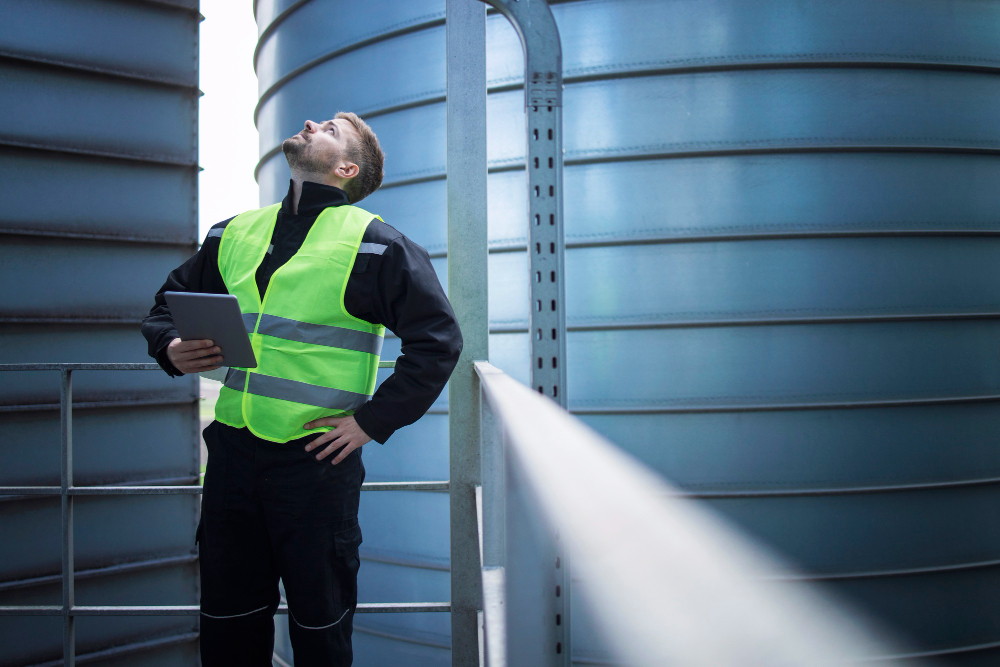
Industrial tank cleaning is essential to ensure production efficiency, plant safety and compliance with environmental regulations. Residues, sediments and scale build up over time, compromising stored product quality and structural functionality. This article examines the main cleaning methods, recommended frequency and benefits of scheduled maintenance by specialized operators.
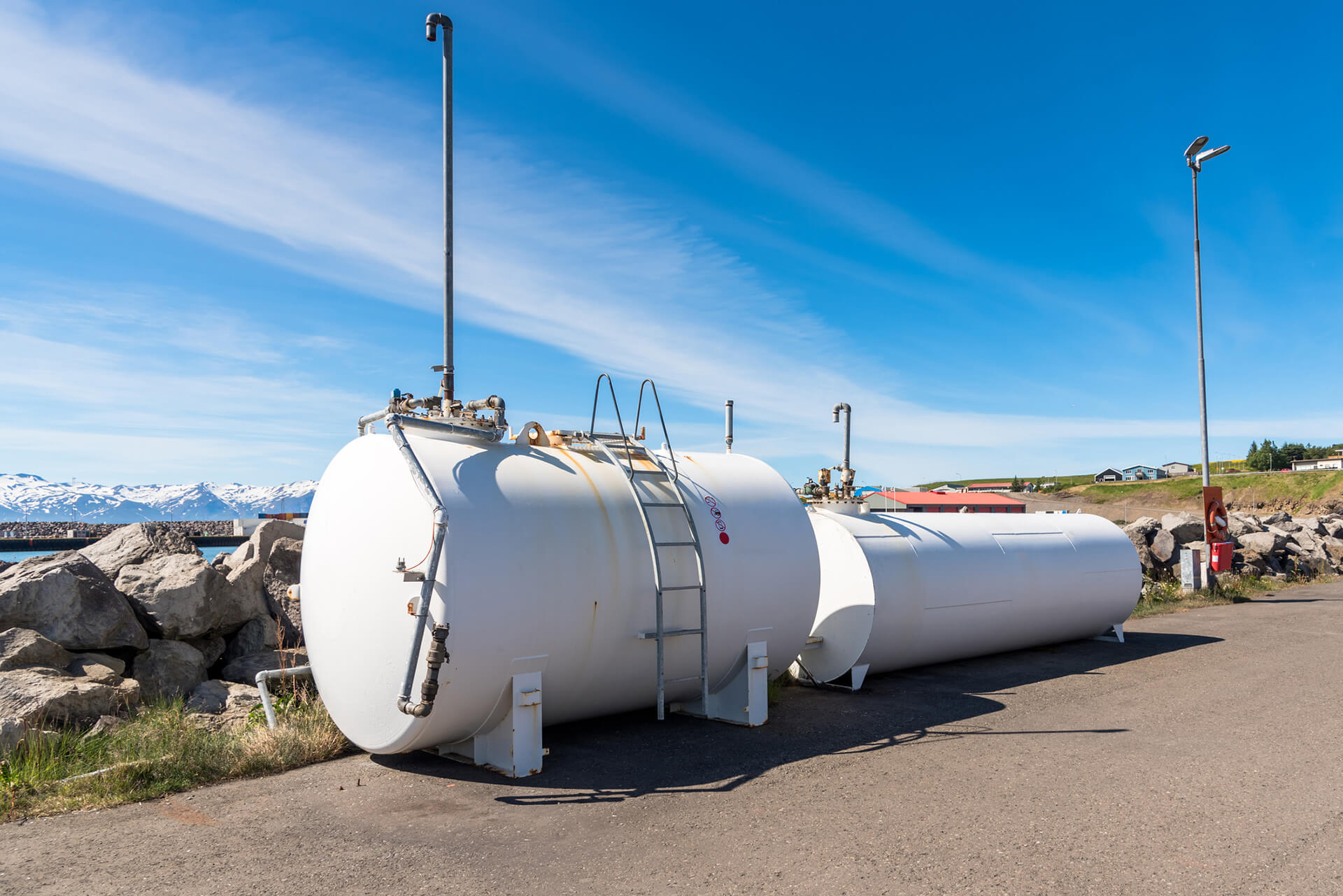
Tank remediation is an essential technical operation to ensure the safety of industrial facilities and environmental protection. Whether dealing with underground, above-ground or decommissioned tanks, remediation operations include draining, degassing, cleaning and final certification. Understanding the correct procedures and regulatory framework enables compliant operations and prevents contamination risks.
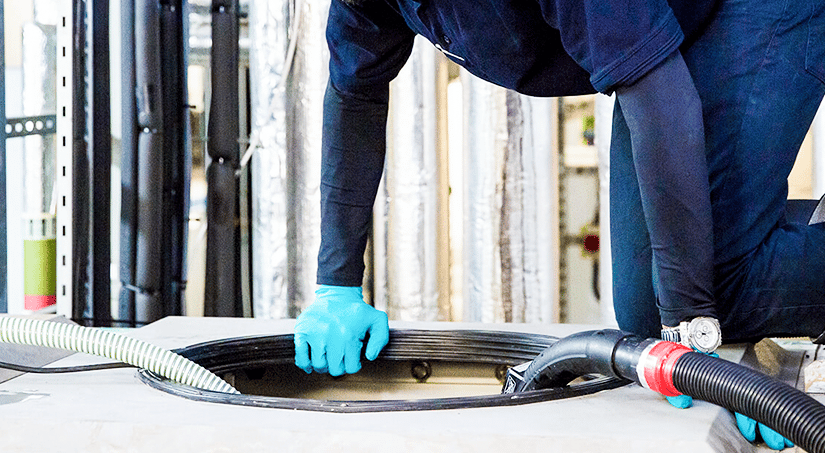
Cistern cleaning is an essential operation for ensuring the proper functioning and safety of industrial facilities. Over time, residues, sediments and contaminants accumulate inside cisterns, compromising the quality of stored liquids and increasing the risk of failures or environmental contamination. Relying on specialized operators ensures the cleaning is performed safely and in full compliance with current regulations.
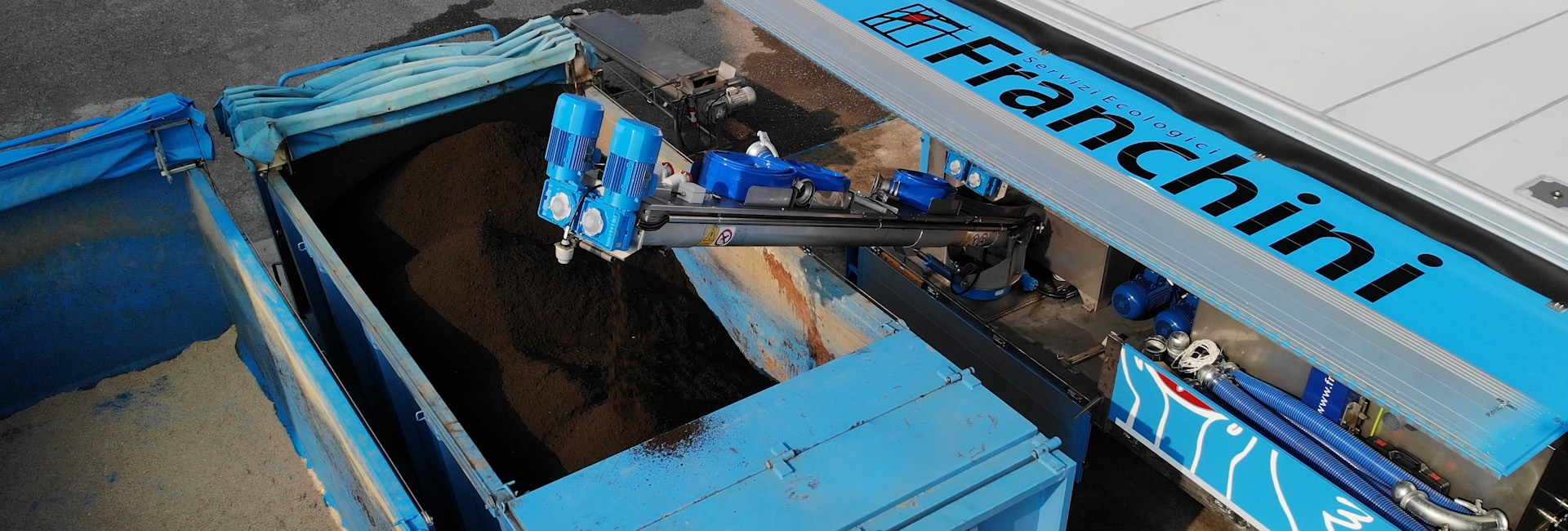
The distinction between pumpable and spadeable sludge is fundamental in industrial and environmental waste management, as it determines handling, transport, treatment, and disposal methods. Understanding the physical characteristics that differentiate these two types enables correct planning of every operational phase, optimising costs and regulatory compliance.
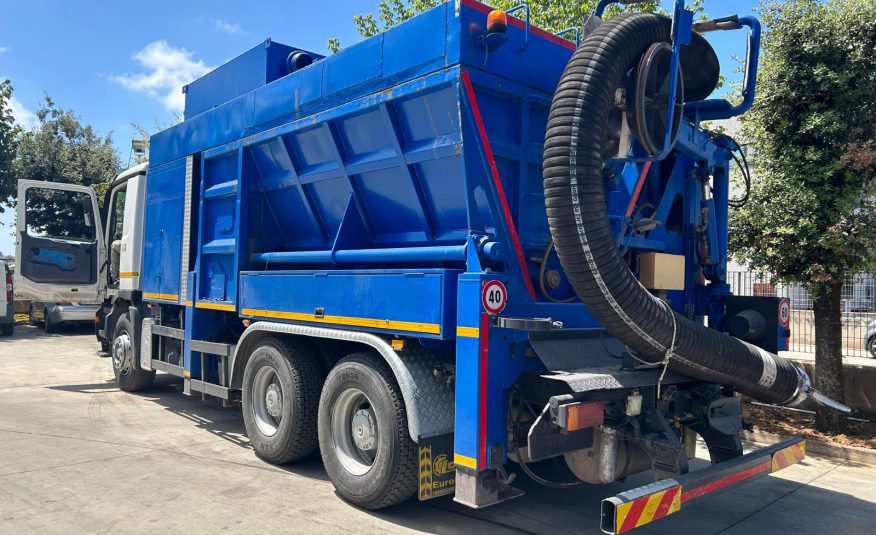
The suction excavator is a specialised vehicle that uses a powerful vacuum system to remove materials from the ground without resorting to traditional mechanical excavation. It is employed in environmental and industrial work where precision, safety, and reduced risk of damaging underground utilities and buried structures are required.
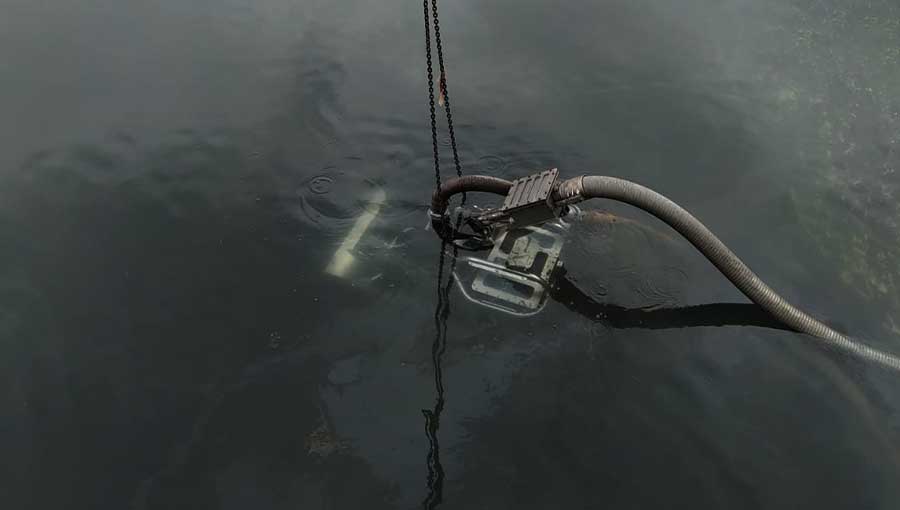
The use of ROVs (Remotely Operated Vehicles) for the cleaning and inspection of industrial tanks allows operations in submerged environments without draining the structure, reducing plant downtime and risks for operators. This technology is particularly advantageous for large tanks, underground reservoirs, and structures that are difficult to access with traditional methods.
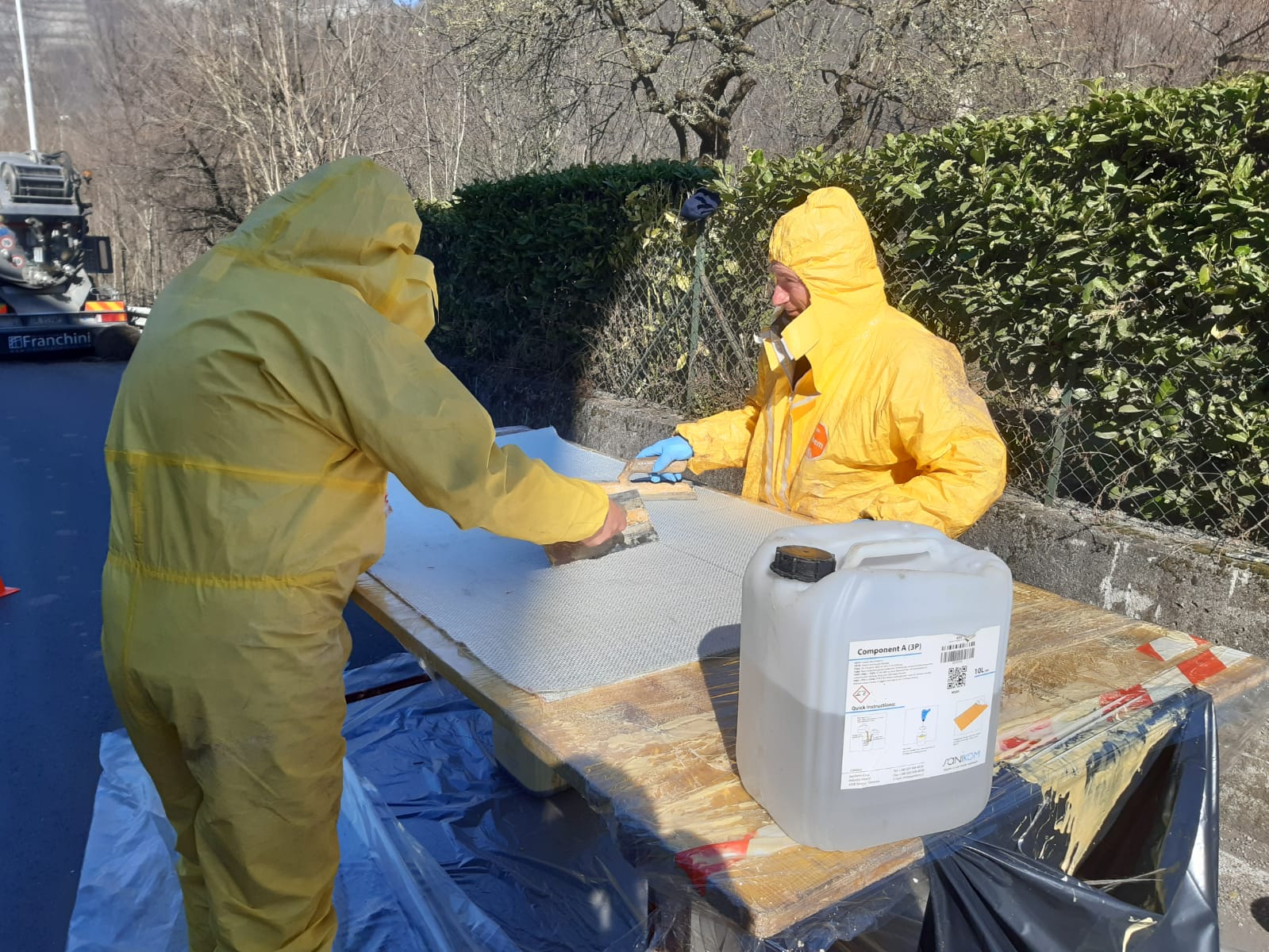
Manhole rehabilitation is a specialised intervention that restores the structural integrity and hydraulic tightness of inspection and collection structures in sewer networks and industrial plants, without requiring complete demolition and reconstruction. Thanks to modern techniques such as spray-applied coatings and resin injections, it is possible to carry out targeted interventions effectively.
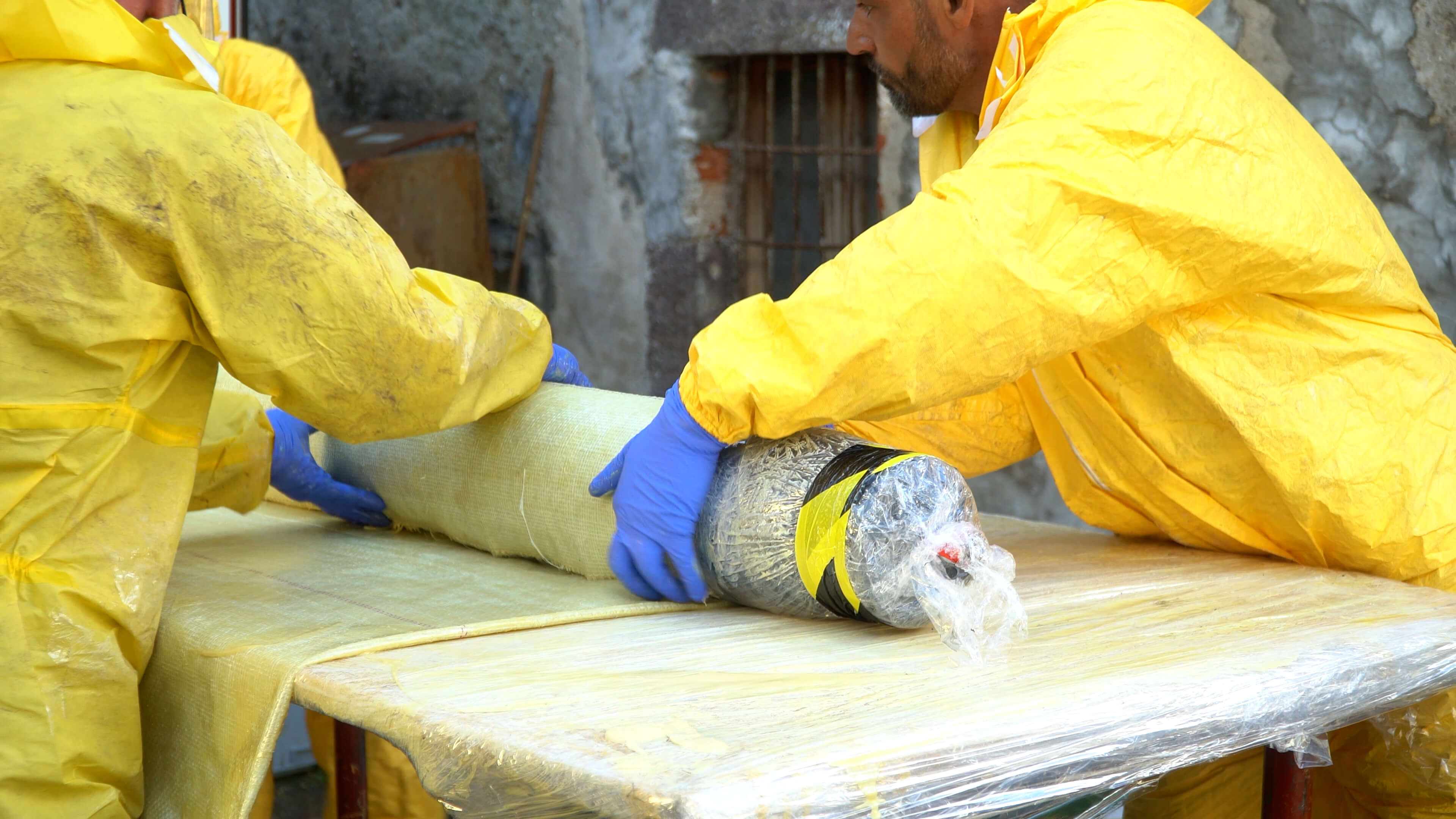
Spray-applied pipe rehabilitation is an innovative internal lining technique that restores the functionality and tightness of deteriorated pipelines by applying a protective coating directly onto the inner walls of the existing pipe, without the need for excavation, demolition, or complete pipe replacement, significantly reducing intervention time and overall costs.
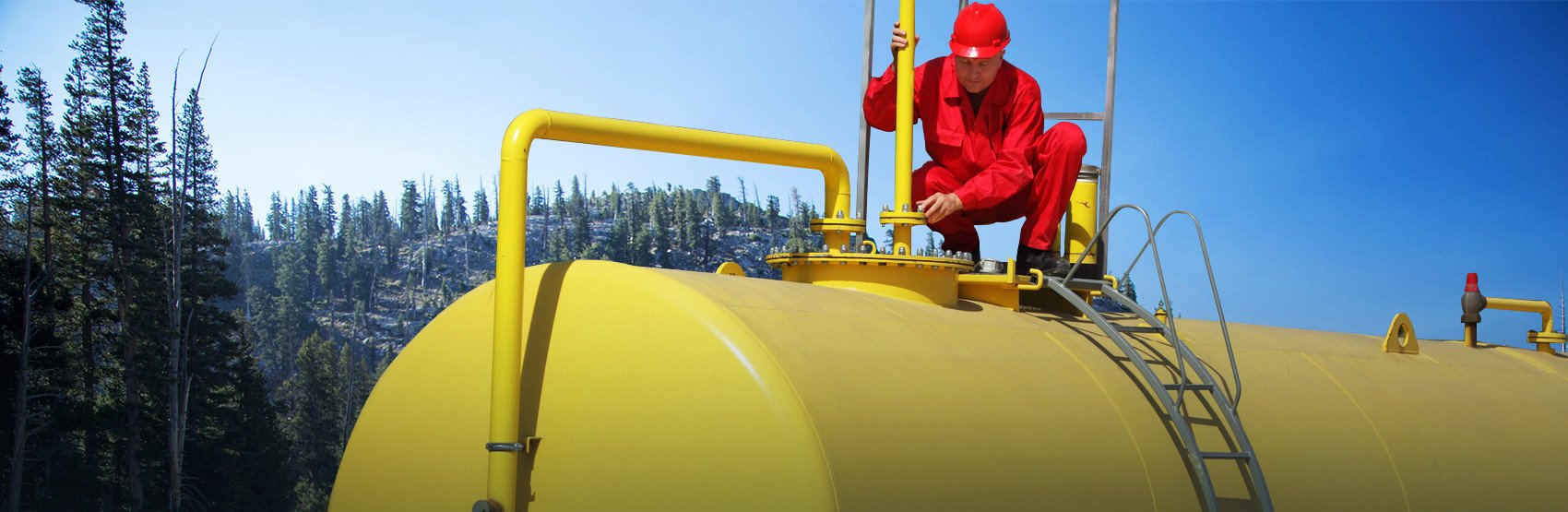
Gas free verification is a mandatory safety procedure before any access to tanks, cisterns, and confined spaces in industrial settings. It certifies that the internal atmosphere is free from toxic gases, flammable vapours, and oxygen deficiencies, preventing serious health risks for operators and ensuring safe working conditions that comply with current regulations and occupational safety standards.
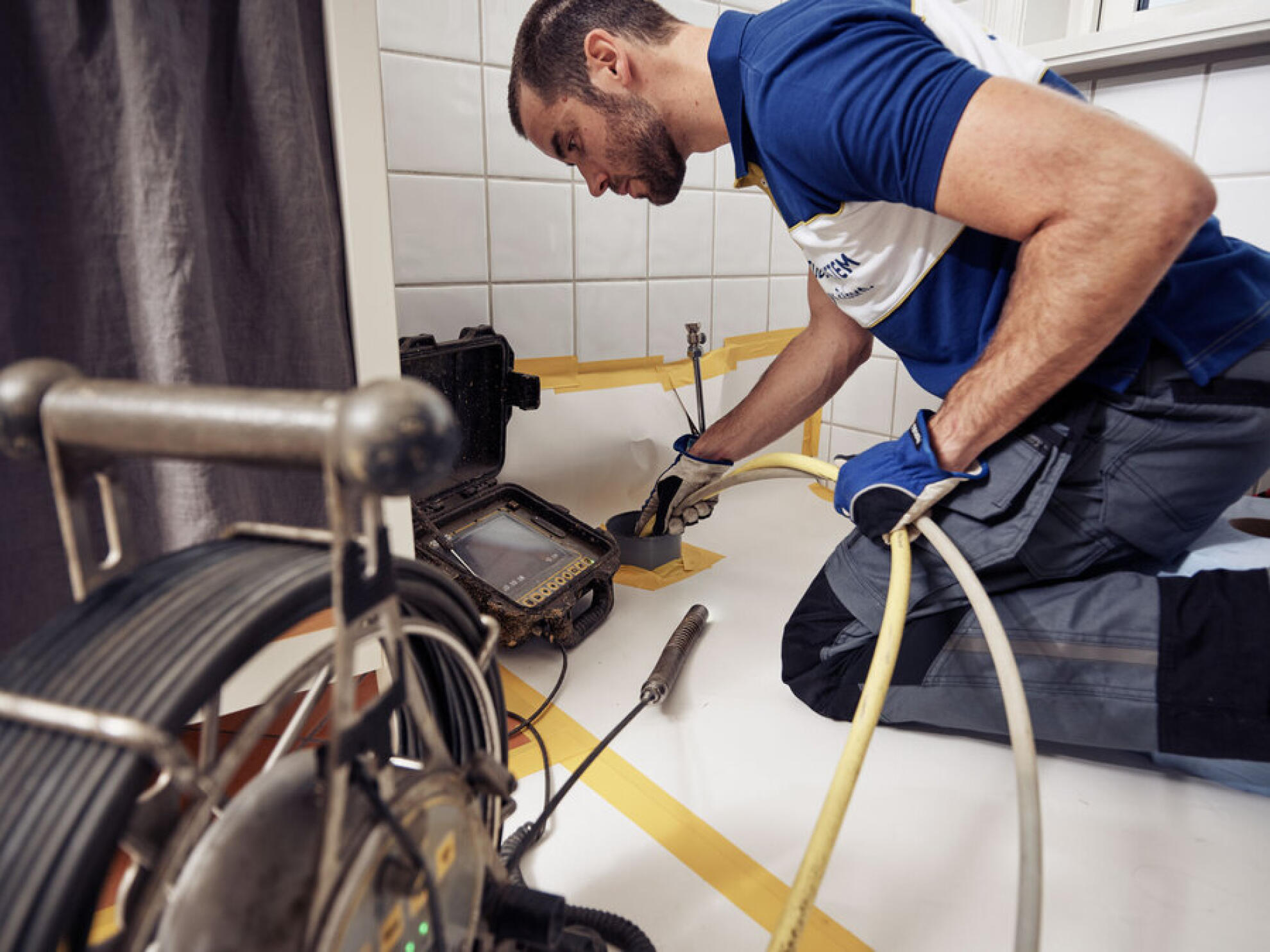
Trenchless relining is an advanced technology for the rehabilitation of industrial pipelines and pipes that restores structural integrity without demolition, without production shutdowns, and without the costs and timeframes associated with traditional replacement. An innovative solution to keep the plant running throughout the entire rehabilitation process.
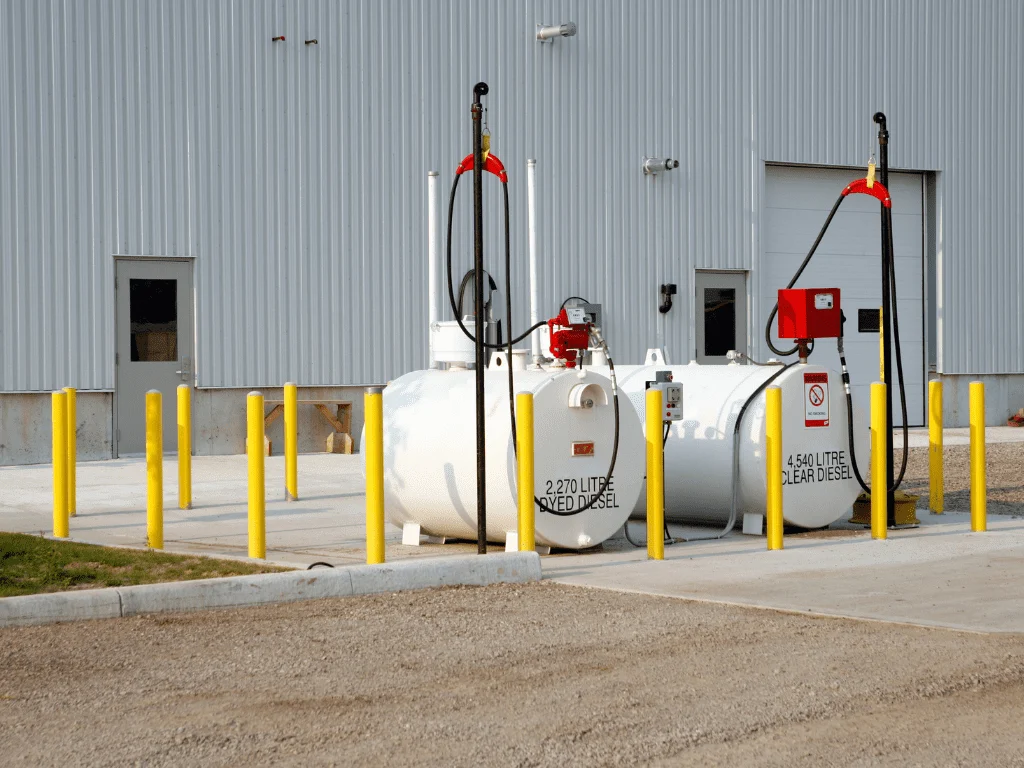
Diesel tank cleaning is an essential maintenance operation to preserve plant efficiency, ensure fuel quality, and prevent breakdowns that can lead to costly operational downtime.
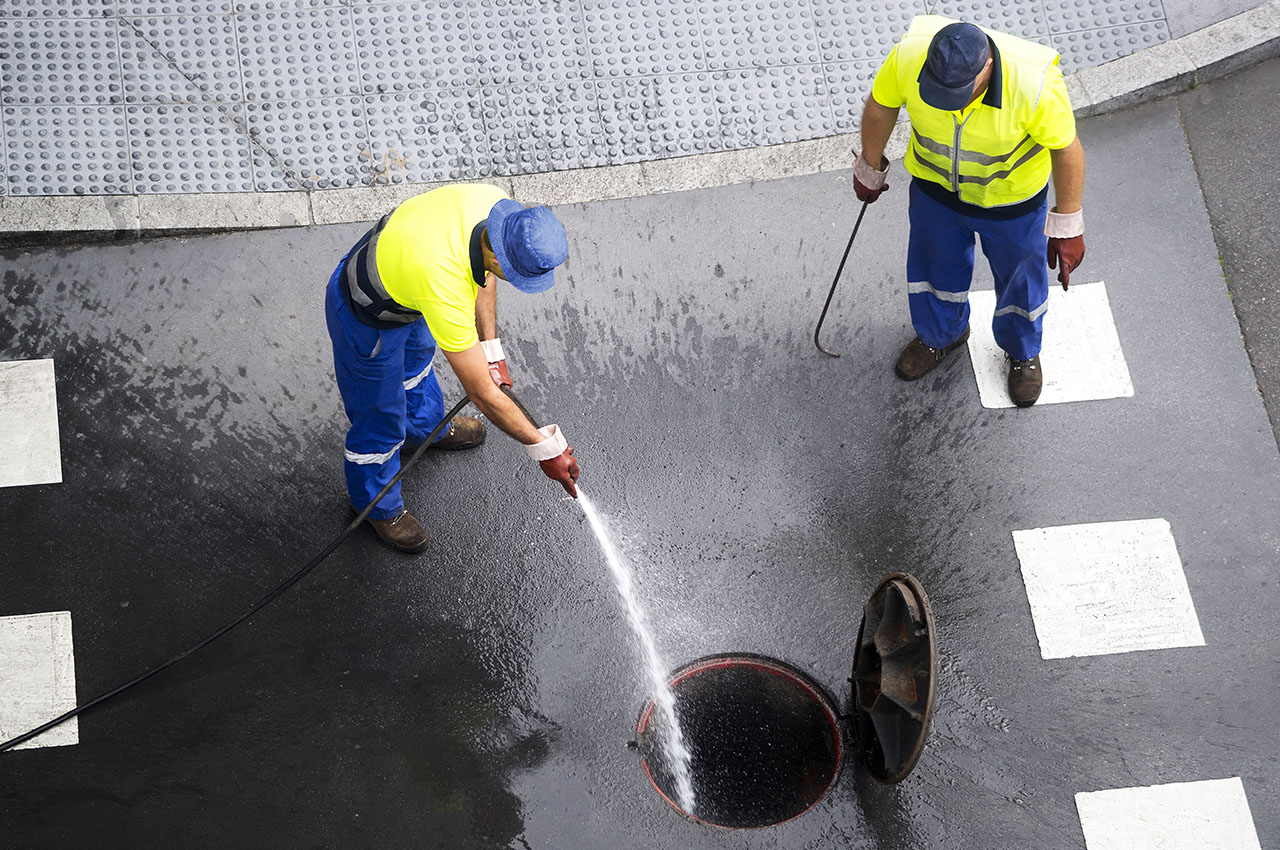
High-pressure water jetting for pipe cleaning is one of the most effective technologies for removing scale, deposits, and stubborn residues from industrial plants, sewer networks, pipelines, and process systems. By using ultra-high-pressure water jets, it is possible to restore proper flow and pipe efficiency without resorting to harsh chemicals or invasive procedures.
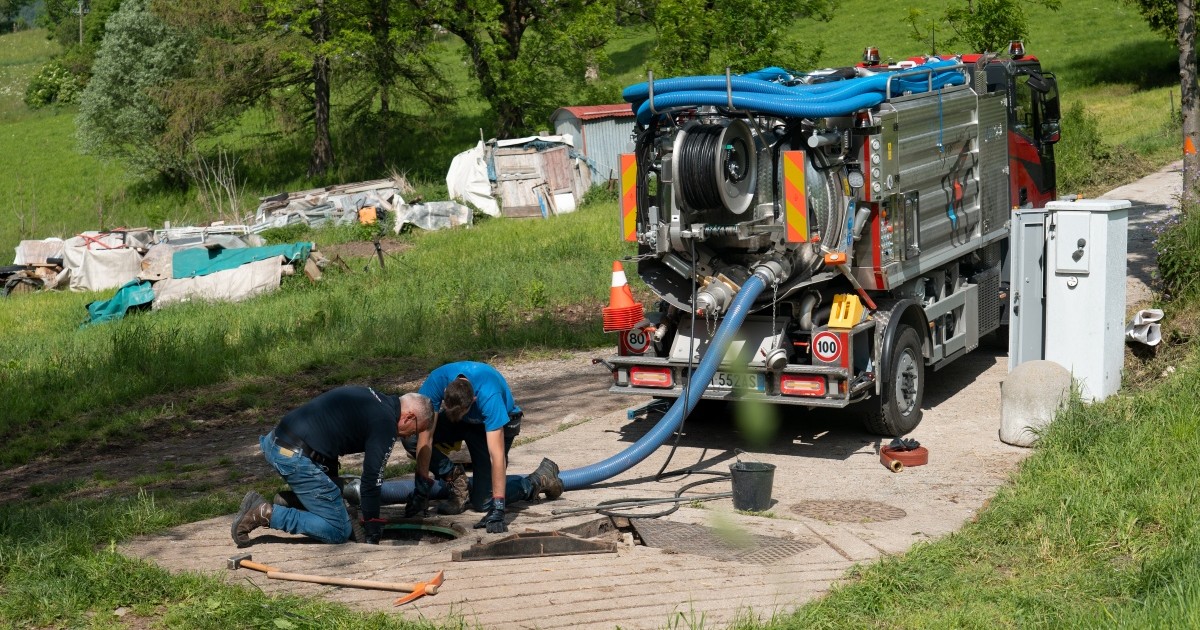
Professional drain cleaning services in Bergamo for homes and businesses. Sewer cleaning, rehabilitation, blockage removal, trap and vent maintenance.
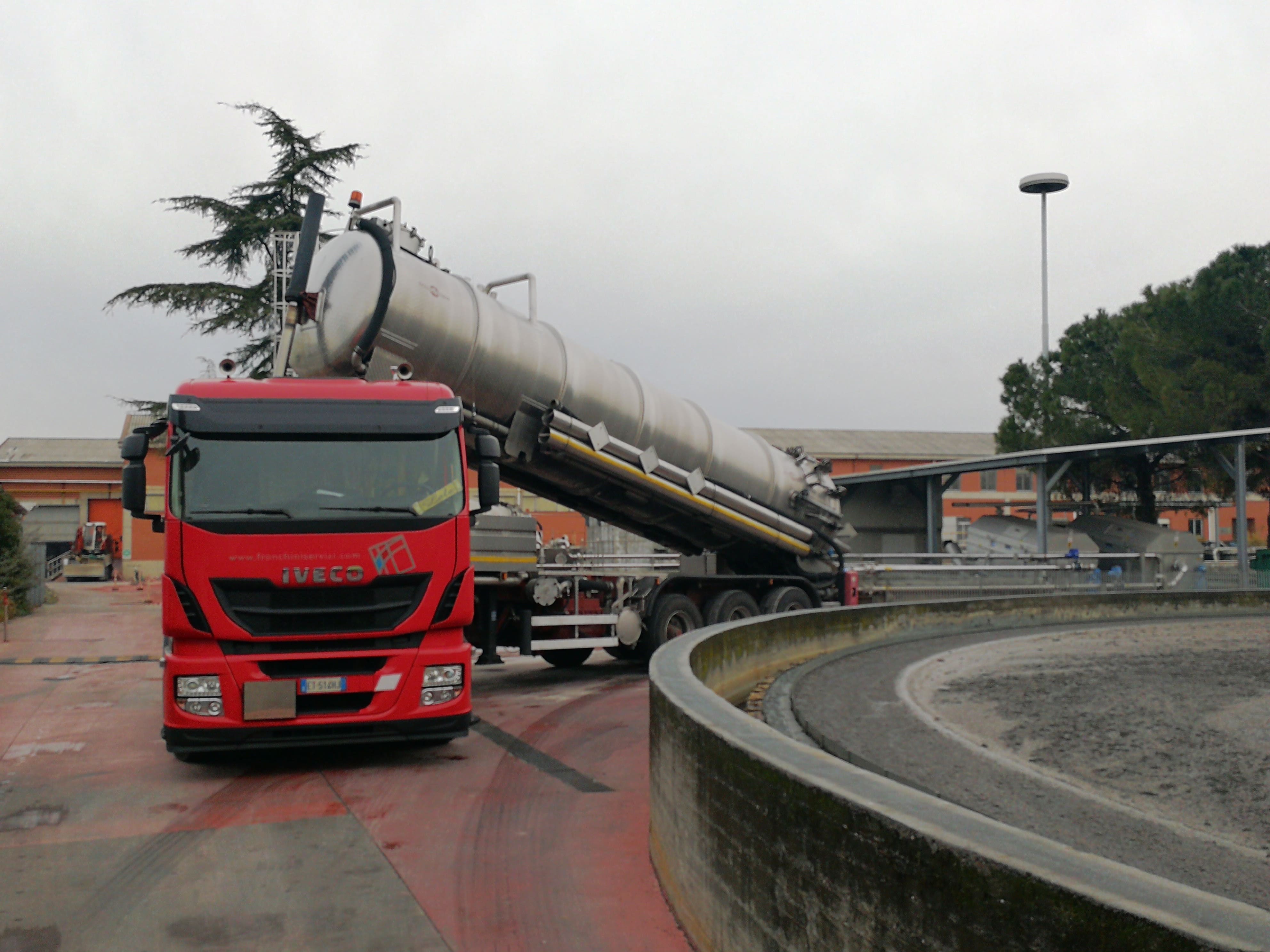
Liquid waste disposal is a fundamental activity for all companies that generate liquid waste from production processes, maintenance operations or plant management. Besides being a legal obligation under environmental regulations, proper waste management helps reduce contamination risks, avoid penalties and ensure business continuity.
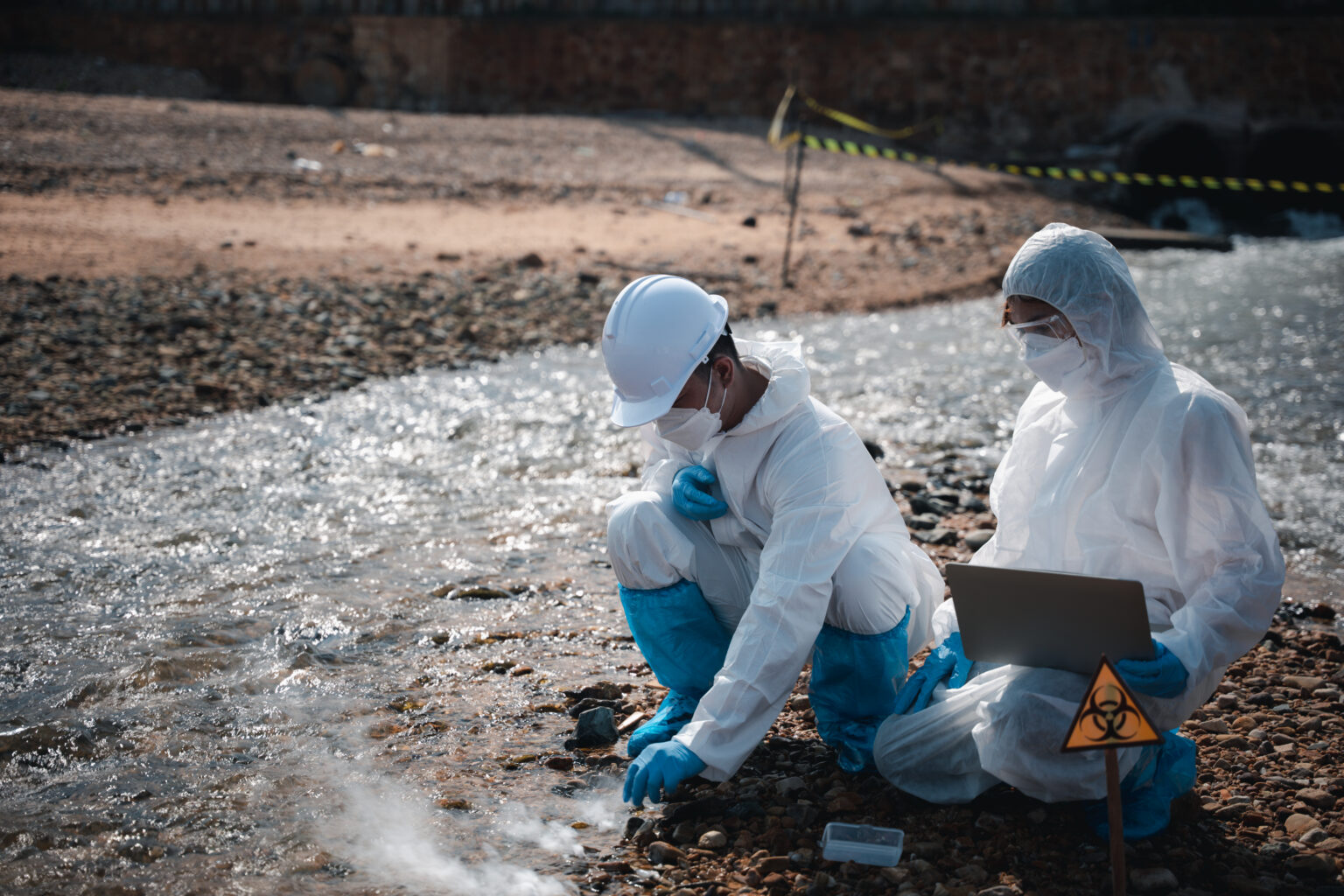
Underground tank remediation is an essential procedure whenever a tank used for storing diesel, fuel, or other liquid substances is decommissioned, replaced, or presents conditions that may pose a risk to the environment and safety. It's not simply a matter of draining a tank: remediation involves a series of technical operations aimed at eliminating every product residue, securing the system.
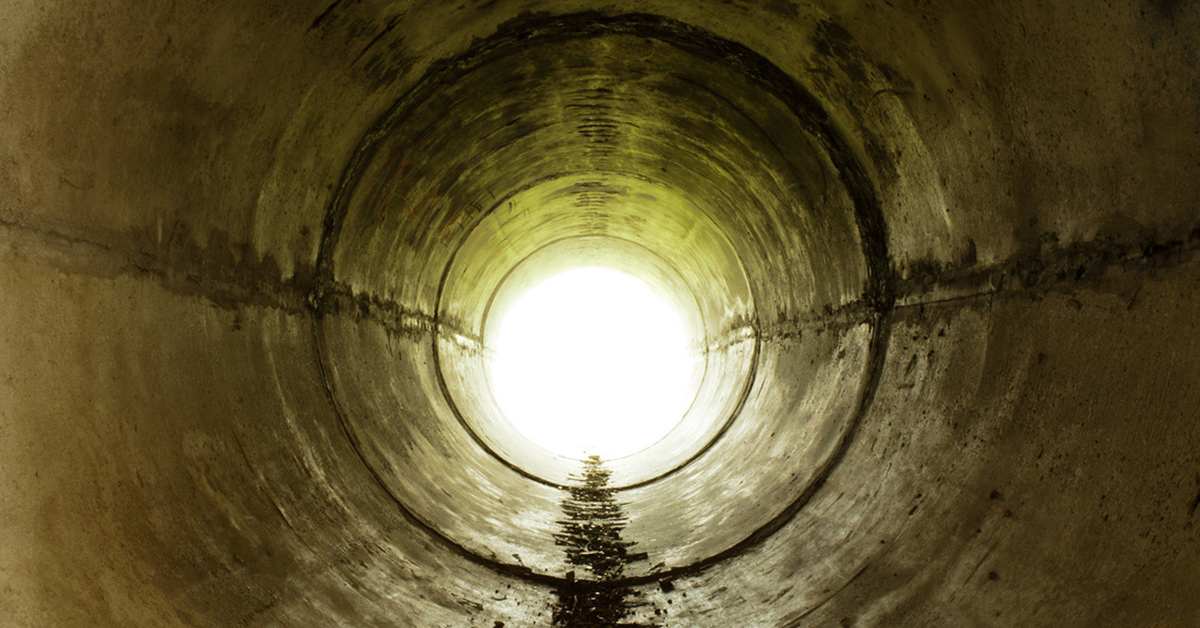
Pipeline and drain video inspections are among the most effective methods for assessing the condition of sewer networks, industrial systems, and underground pipelines without the need for excavation or demolition. Using high-definition cameras inserted directly into the pipes, technicians can accurately identify blockages, structural failures, infiltrations, and damage, allowing targeted maintenance while reducing costs and downtime.
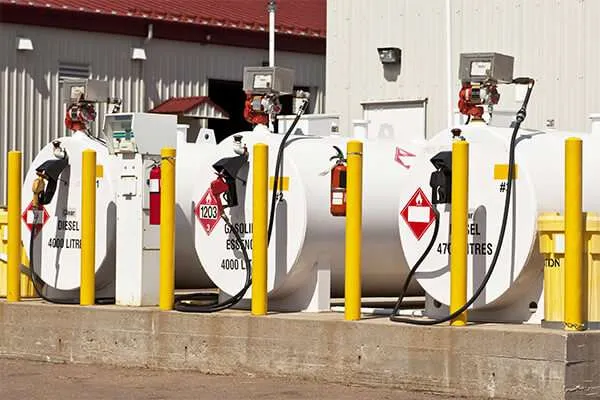
Fuel tank cleaning is an essential technical operation to ensure safety, operational continuity and, above all, regulatory compliance in the management of industrial storage tanks and fuel supply systems. Over time, tanks tend to accumulate sludge, degraded fuel residues, sediments and condensation water that can compromise fuel quality and the proper operation of the system.
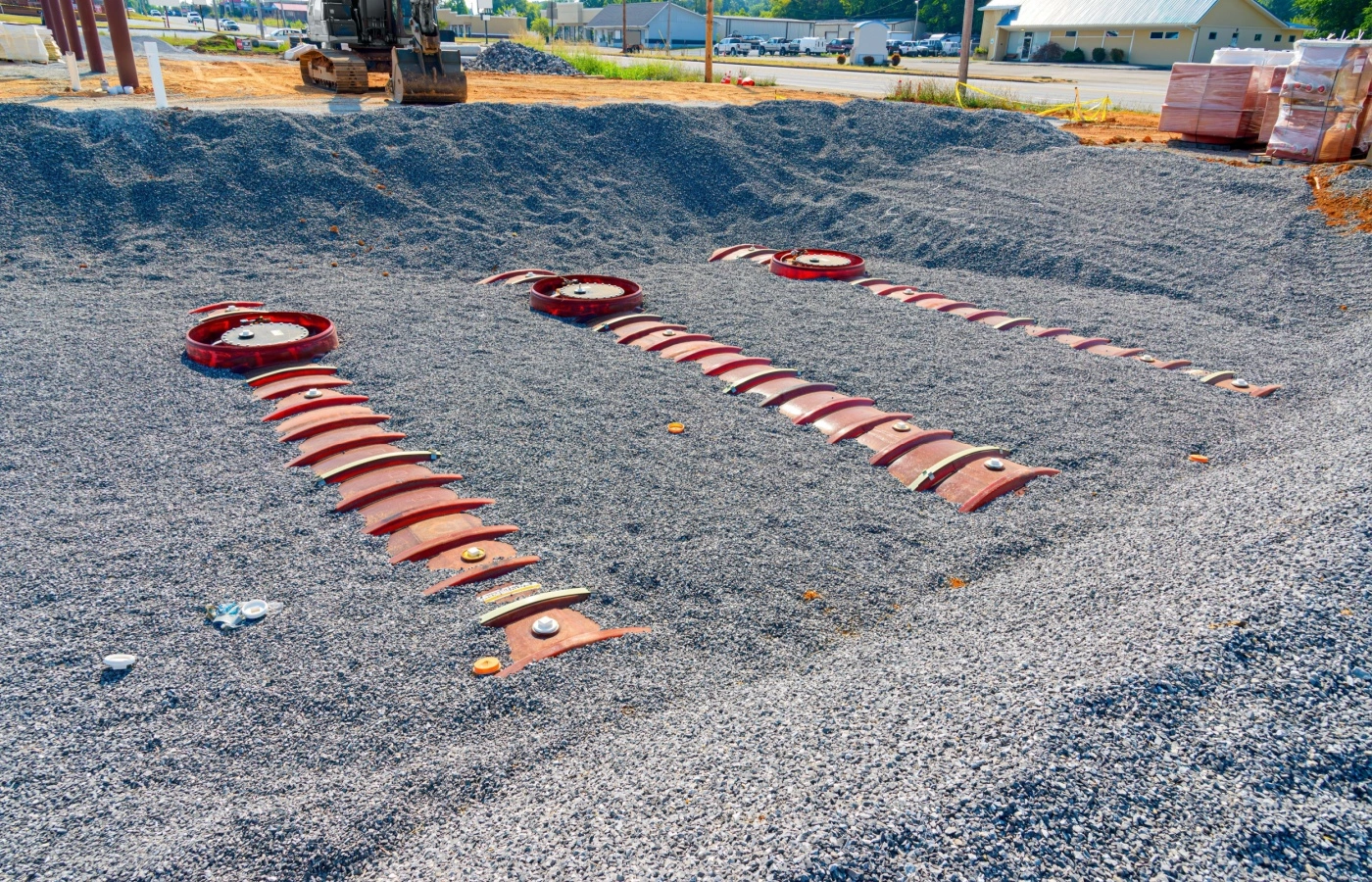
Nitrogen leak testing is one of the safest and most effective methods for checking the integrity of tanks and pipelines without invasive work or demolition. This type of inspection is widely used in industrial, energy and plant engineering sectors to detect leaks, anomalies or pressure drops that could compromise safety, operational continuity and regulatory compliance.
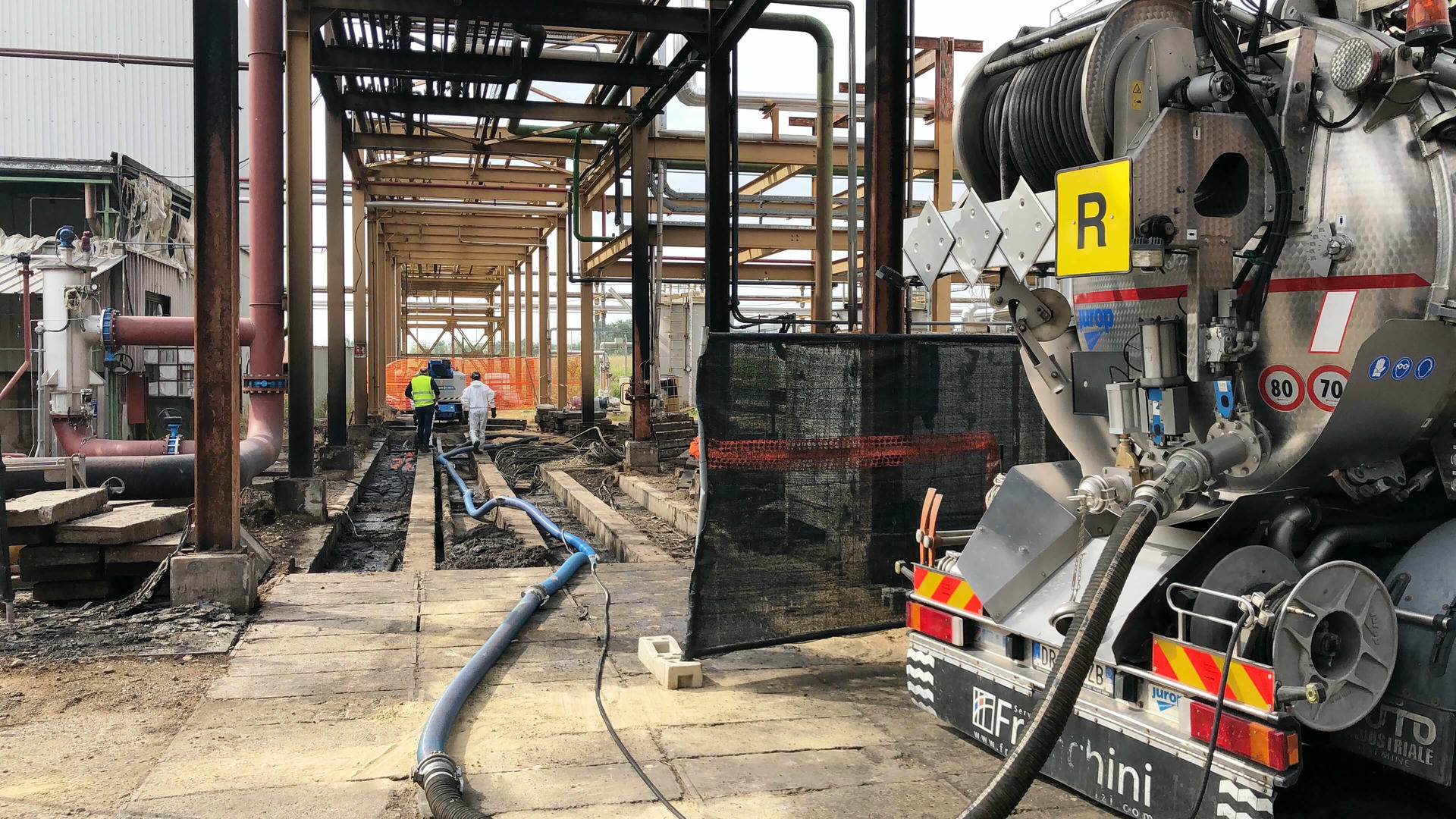
Pipe mapping is the technical process that allows you to accurately identify the route, depth, and condition of buried sewer, industrial, and service pipes. In short: it turns an invisible network into a documented system you can work on without guesswork.
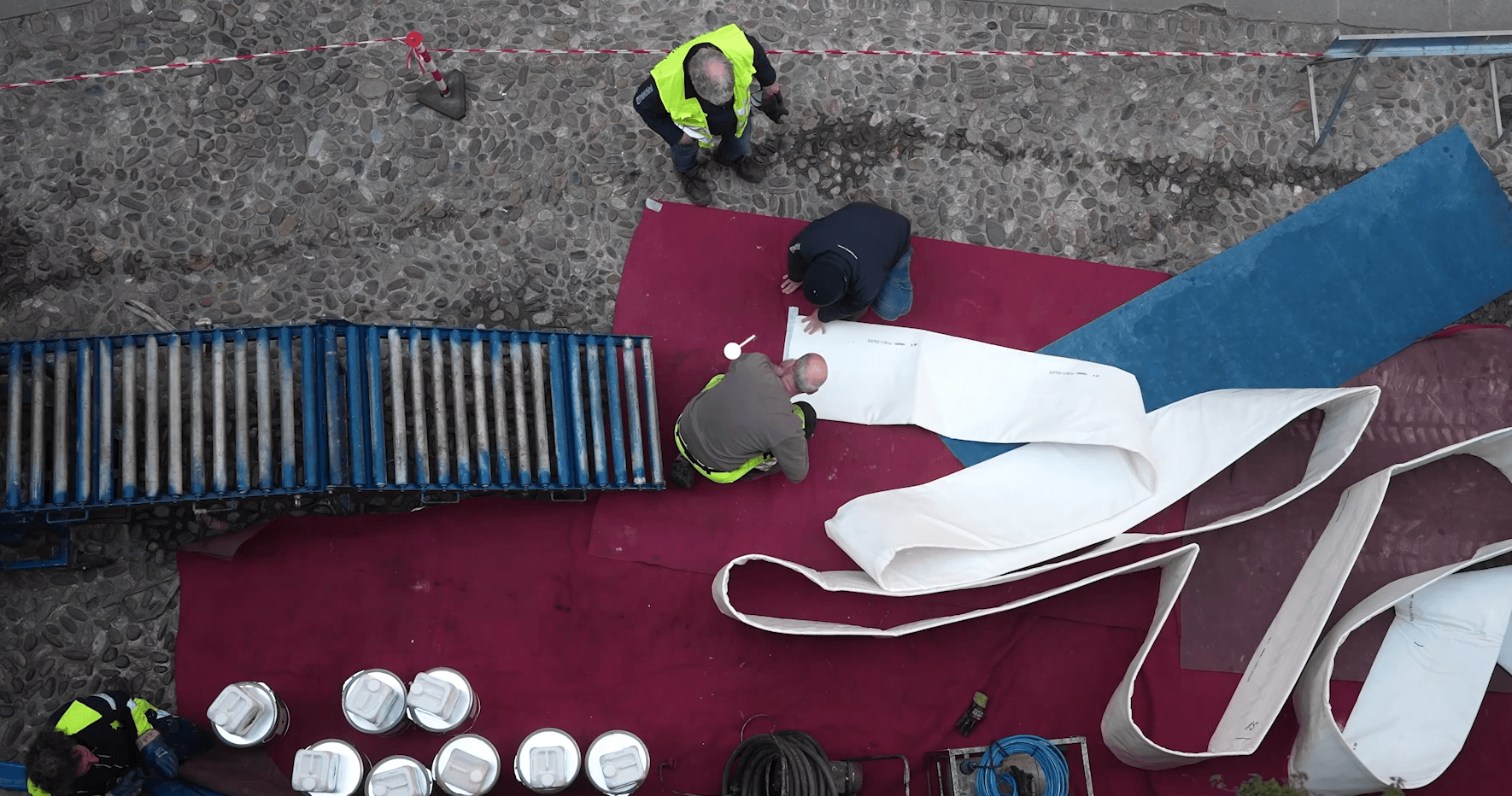
Trenchless pipe rehabilitation is today an innovative solution for repairing pipelines without invasive works or production downtime. This technology allows direct intervention from inside the pipes, restoring structural integrity and functionality quickly and efficiently.
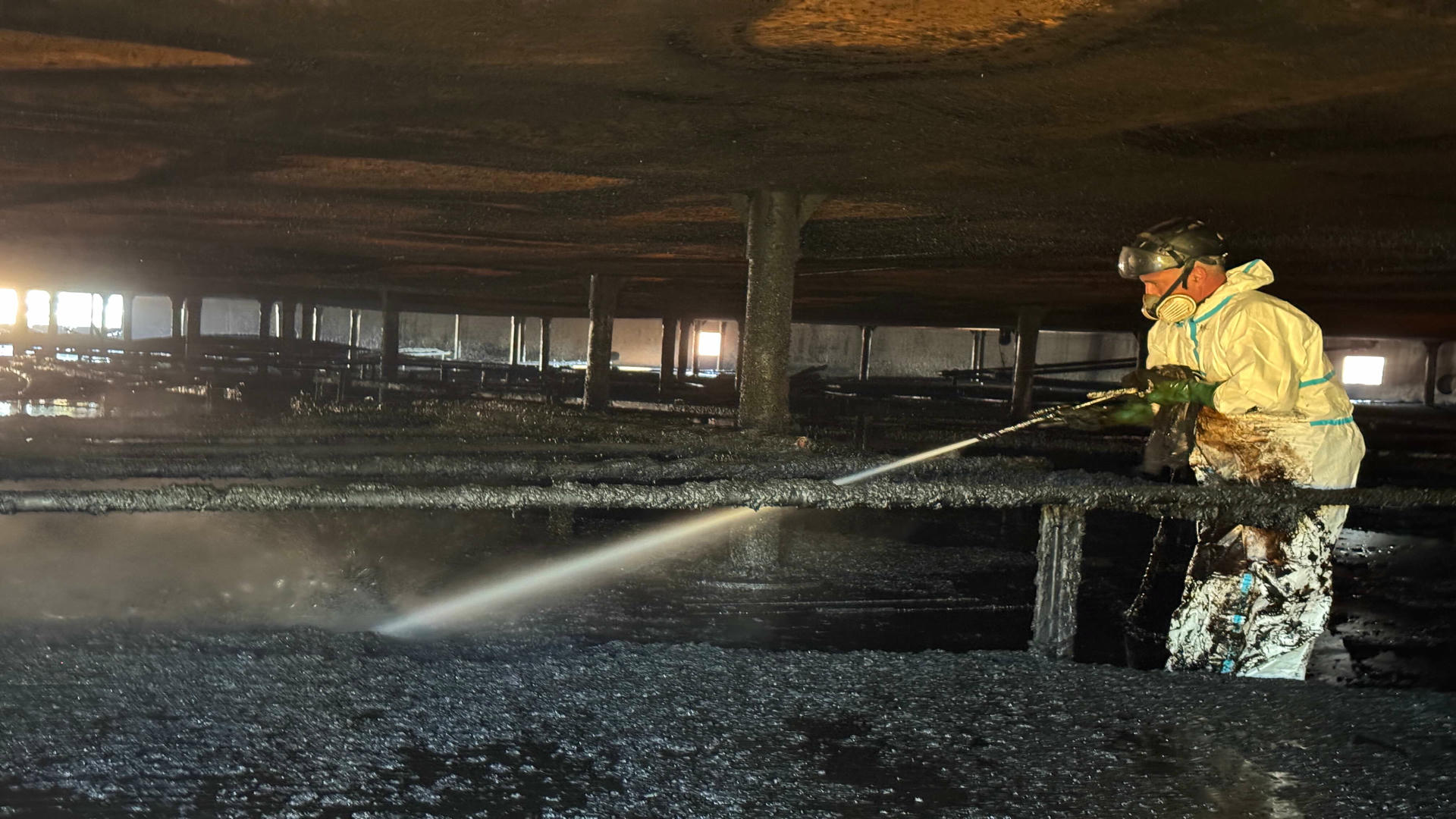
High-pressure hydrodynamic cleaning is one of the most effective techniques for industrial pipeline maintenance, especially when it comes to removing hard scaling, solid residues, and persistent deposits.
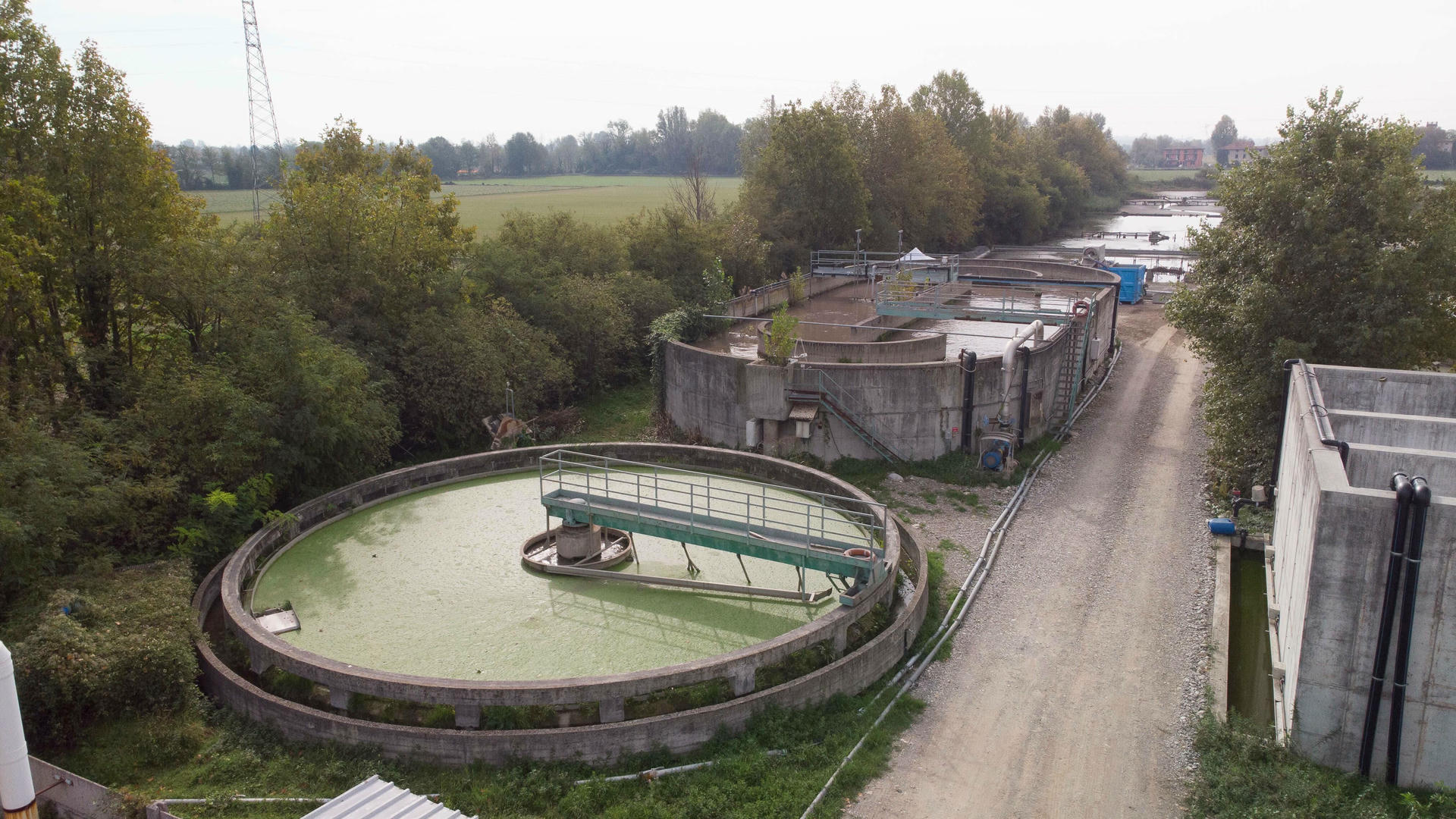
Cleaning industrial tanks and remediating industrial lagoons are essential activities to ensure operational efficiency and continuity. Traditional methods involving full draining often result in production stoppages and high costs.
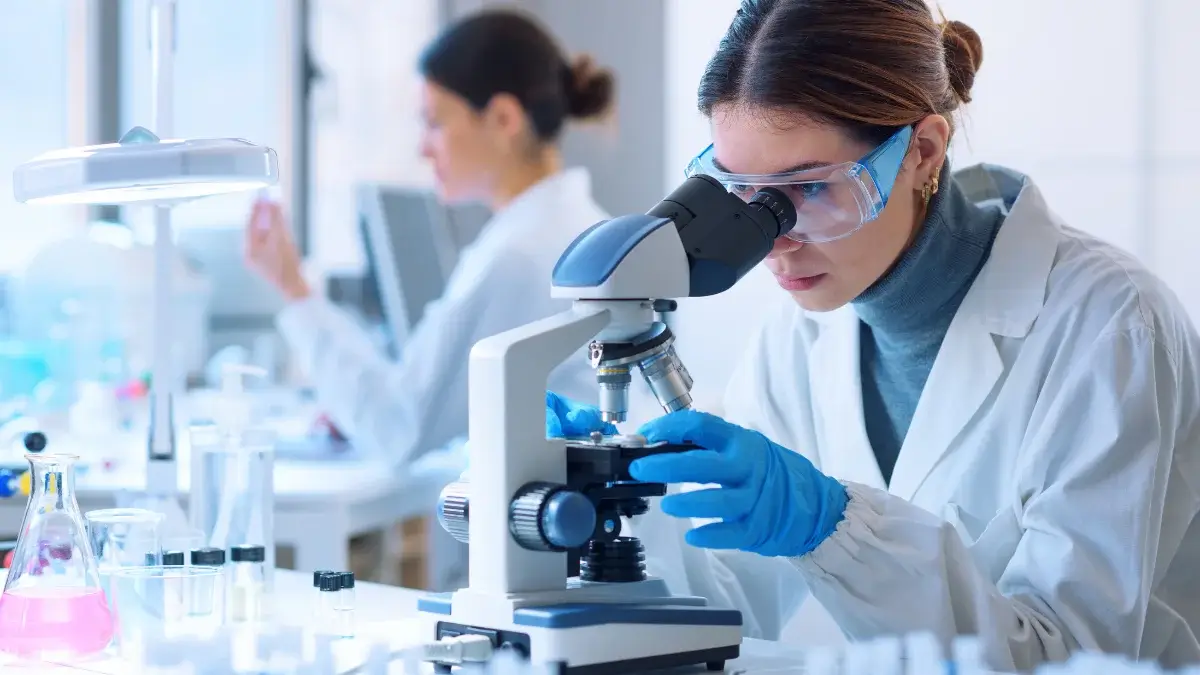
Process analysis in the laboratory is a fundamental tool for companies managing industrial sludge and wastewater. By collecting samples directly from the plants, it is possible to monitor effluent quality, identify potential critical issues, and intervene before they turn into operational or environmental problems.
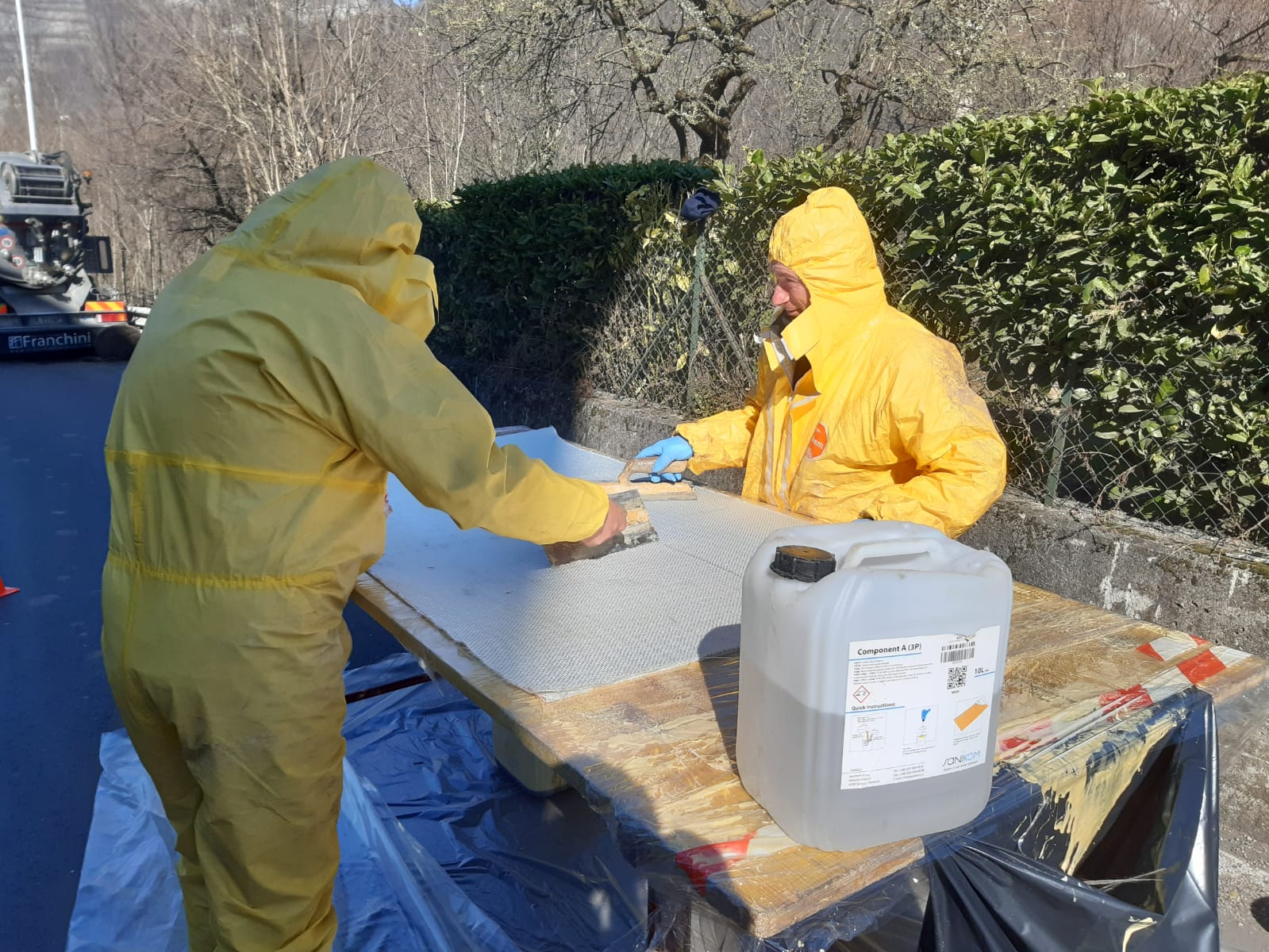
Relining or packer? Discover differences, benefits, and the best trenchless solution for sewer pipe repair and rehabilitation.
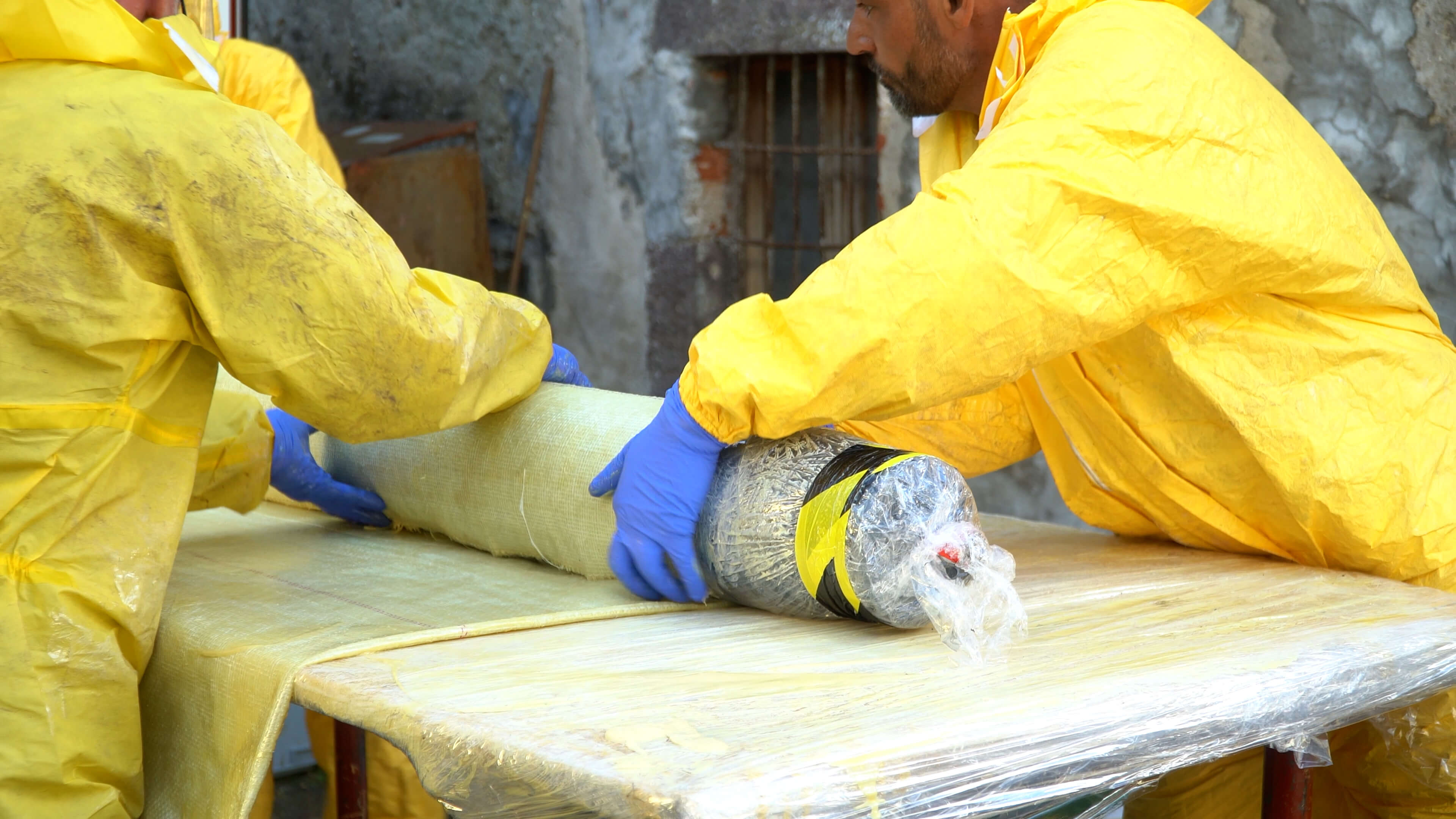
Repairing broken pipes without resorting to demolition is possible thanks to relining, a no-dig technology that allows the pipeline to be reconstructed from the inside by inserting a thermosetting resin liner. This method eliminates the need to break walls, floors, or dig up the garden, reducing intervention times by 50% and significantly cutting costs related to restoring building surfaces.