Diesel tank cleaning is an essential maintenance operation to preserve plant efficiency, ensure fuel quality, and prevent breakdowns that can lead to costly operational downtime.
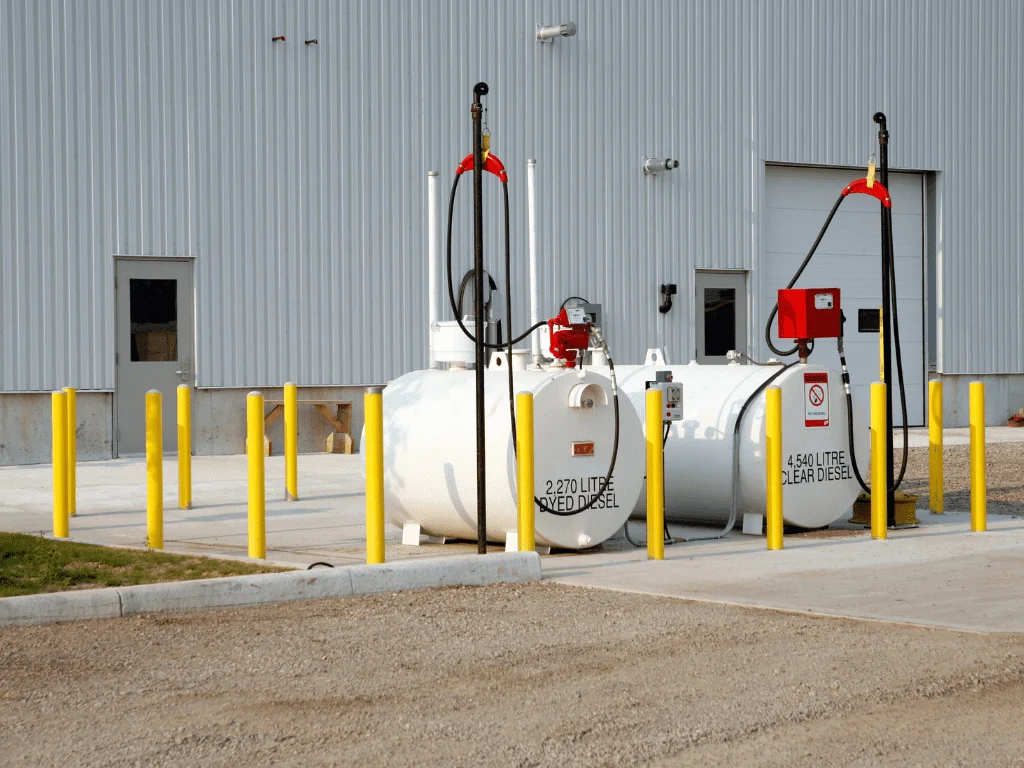
Diesel tank cleaning is an essential maintenance operation to preserve plant efficiency, ensure fuel quality, and prevent breakdowns that can lead to costly operational downtime. Over time, condensation water, sludge, sediments, and microbiological contamination build up inside tanks, compromising the proper functioning of the entire fuel supply system.
Many companies only notice the problem when obvious symptoms appear, such as frequently clogged filters, performance drops, or fuel delivery anomalies. Timely diesel tank cleaning helps avoid more serious damage, extends the useful life of the system, and ensures compliance with environmental and safety regulations.
There is no single deadline valid for all systems, but certain situations make cleaning particularly advisable. In addition to scheduled maintenance, several signs clearly indicate that the time has come to take action.
It is advisable to clean a diesel tank when:
Recognising these symptoms allows you to act before deterioration compromises the entire system.
Ignoring tank maintenance can have significant consequences from both a technical and an economic standpoint. Residues at the bottom of the tank tend to be drawn in during normal use, contaminating the fuel and damaging system components.
The most common consequences are:
| Problem | Possible effects |
| Oil build-up | Filter clogging |
| Water presence | Tank corrosion and bacterial growth |
| Sediments | Damage to pumps and fuel systems |
| Contaminated fuel | Reduced engine performance |
| Lack of maintenance | Higher risk of breakdowns and plant downtime |
Intervening only when the problem is already evident usually means facing costs far higher than those of simple preventive maintenance.
Natural phenomena occur inside diesel tanks that promote the formation of deposits.
The main causes include:
These substances gradually settle on the bottom of the tank, forming a layer of sludge that can compromise the proper functioning of the entire system.
Diesel tank cleaning is performed through specific technical procedures that completely remove residues, sludge, and contamination without damaging the tank.
The operation generally includes:
After the operation, the tank is restored to optimal conditions, improving fuel quality and reducing the risk of breakdowns.
Many companies only request cleaning after the first problems appear. However, scheduled maintenance helps avoid sudden shutdowns and significantly reduces operating costs.
Preventive maintenance allows you to:
Regular inspections are therefore the most effective way to avoid emergencies and extraordinary interventions.
Tanks used for fuel storage must be managed in compliance with environmental and safety regulations. Insufficient maintenance can increase the risk of leaks, soil contamination, and malfunctions that could result in fines or remediation work.
Entrusting cleaning to qualified personnel means operating with suitable equipment, certified procedures, and proper management of the waste produced during the operation.
Diesel tank cleaning (SERVICE LINK) is one of the most important activities for preserving the efficiency of storage systems, preventing breakdowns, and ensuring fuel quality. An operation carried out by specialised personnel removes sludge, water, and sediments before they can damage equipment.
Franchini Servizi Ecologici performs professional diesel tank cleaning, residue suction, tank remediation, and waste management from maintenance operations, guaranteeing safe, fast interventions that comply with current regulations.
The frequency depends on the tank size, the amount of fuel stored, and the intensity of use. Generally, it is advisable to carry out periodic checks and schedule cleaning when water, sludge, or sediments begin to accumulate, or according to the plant maintenance plan. Preventive maintenance helps avoid breakdowns and preserve fuel quality.
The most common signs include frequent filter clogging, fuel delivery difficulties, engine performance drops, the presence of water or impurities in the fuel, and system operating anomalies. If these symptoms are neglected, they can cause more serious damage to pumps, pipes, and fuel systems.
Yes, if the fuel is still compliant and not significantly contaminated, it can be filtered and recovered during the cleaning operations. If, however, it contains high amounts of water, sediments, or microbiological contamination, it will need to be managed and disposed of in accordance with current environmental regulations.
Regulations do not establish a mandatory frequency valid for all systems, but they require the operator to maintain tanks in safe conditions and prevent environmental risks. Regular maintenance therefore represents an essential best practice to ensure operational efficiency, regulatory compliance, and reduced risk of contamination.