Digester maintenance is essential to ensure operational continuity, safety and efficiency in wastewater treatment plants, biogas facilities and industrial processing systems. A digester operating under optimal conditions maintains high process performance, reduces energy consumption and minimizes the risk of unexpected failures that may result in long and costly plant shutdowns.
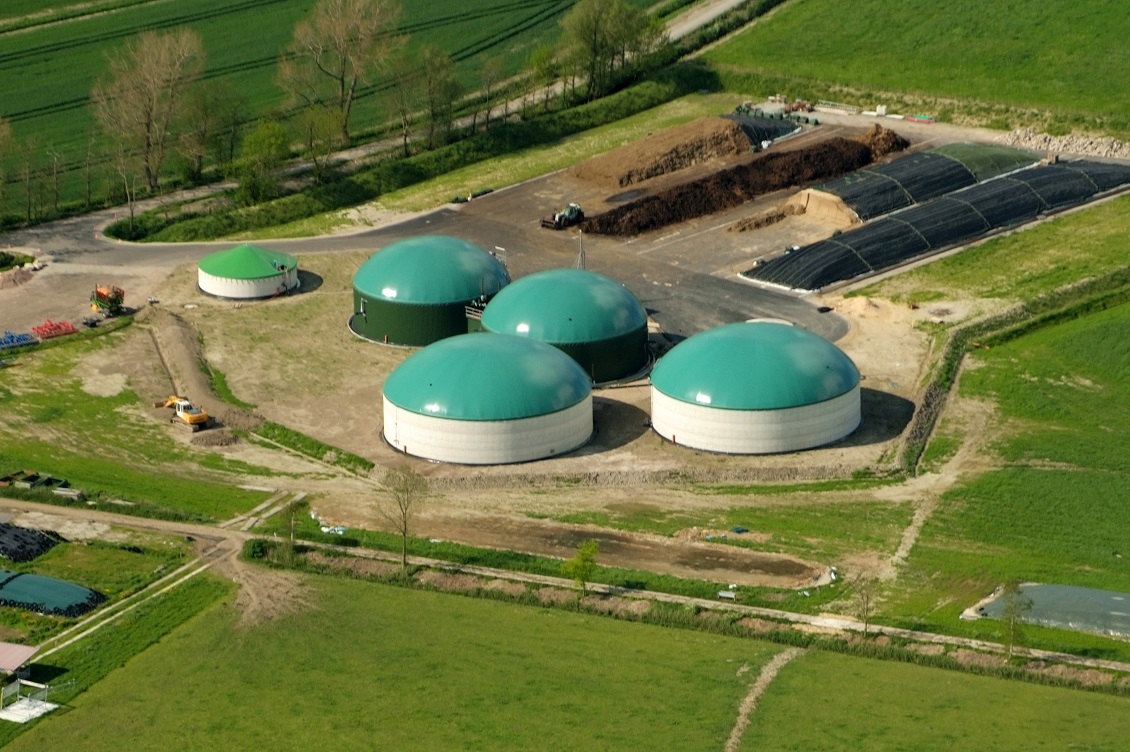
Digesters operate under particularly demanding conditions. High temperatures, corrosive substances, sludge, gas and continuous mechanical stress constantly put the plant under strain.
Regular maintenance makes it possible to:
Addressing potential issues before they occur is generally far more cost-effective than carrying out emergency repairs.
Routine maintenance includes all scheduled activities aimed at keeping the digester in optimal operating condition and preventing equipment deterioration.
The most common activities include:
Scheduled maintenance allows potential issues to be detected early, before they affect the performance of the plant.
Extraordinary maintenance becomes necessary when the digester develops issues that cannot be resolved through routine maintenance or when worn or damaged components must be repaired or replaced.
The most common situations include:
In these situations, a comprehensive technical intervention is required to restore proper operating conditions and prevent further damage.
Each maintenance operation is planned according to the characteristics of the facility and the condition of the digester.
Activities may include:
A structured maintenance approach minimizes downtime and enables the facility to return to full operation as quickly as possible.
One of the main reasons to invest in digester maintenance is the high cost associated with unplanned plant downtime.
An unexpected shutdown may result in:
In many cases, the financial impact of an unexpected shutdown is far greater than the cost of preventive maintenance.
Proper maintenance planning helps optimize both operating costs and plant performance.
The main benefits include:
Preventive maintenance is therefore a strategic investment that improves overall plant efficiency while reducing long-term operating costs.
Digester maintenance requires specialist expertise, qualified personnel and dedicated equipment to operate safely within complex industrial facilities. Every intervention must be carefully planned in compliance with workplace safety regulations, confined space procedures and operational protocols to minimize downtime and restore optimal operating conditions.
Franchini Servizi Ecologici provides both routine and extraordinary digester maintenance services , including internal cleaning, sludge removal, technical inspections and plant restoration. Thanks to its specialized organization, the company supports wastewater treatment plants and industrial facilities in reducing operating costs, preventing failures and maintaining high production efficiency.
Maintenance frequency depends on the type of plant, operating hours, digester characteristics and the amount of material being processed. In general, regular inspections and preventive maintenance should be scheduled to identify potential issues before they lead to equipment failures or unplanned shutdowns. A well-planned maintenance program also improves plant reliability, extends equipment lifespan and reduces long-term operating costs.
Routine maintenance includes all scheduled inspections, cleaning activities and technical checks required to keep the digester operating efficiently and prevent equipment deterioration. Extraordinary maintenance is carried out when failures, excessive sludge accumulation, worn components or other significant issues require more extensive repairs to restore proper plant operation. Both types of maintenance are essential to ensure safety, operational continuity and high plant performance.
Unplanned plant downtime often results in costs that are significantly higher than those associated with preventive maintenance. In addition to production or treatment interruptions, companies may face operational delays, expensive emergency repairs, increased energy consumption and potential environmental issues. In some cases, downtime can also affect contractual commitments and service continuity, further increasing its overall financial impact.
Maintenance activities may include emptying the digester, removing accumulated sludge, cleaning internal surfaces, inspecting structural components, checking mixers, pumps, valves and safety systems, and carrying out final performance tests before restarting the plant. The maintenance plan is tailored to the digester's characteristics, condition and operational requirements to ensure maximum efficiency and reliability.
Yes. Scheduled maintenance helps prevent equipment failures, reduce emergency interventions, improve plant performance and minimize downtime. It also allows maintenance activities to be planned during less critical production periods, optimizes energy consumption and extends the service life of equipment. Over time, this proactive approach leads to greater operational efficiency, improved plant reliability and significant savings in overall operating costs.