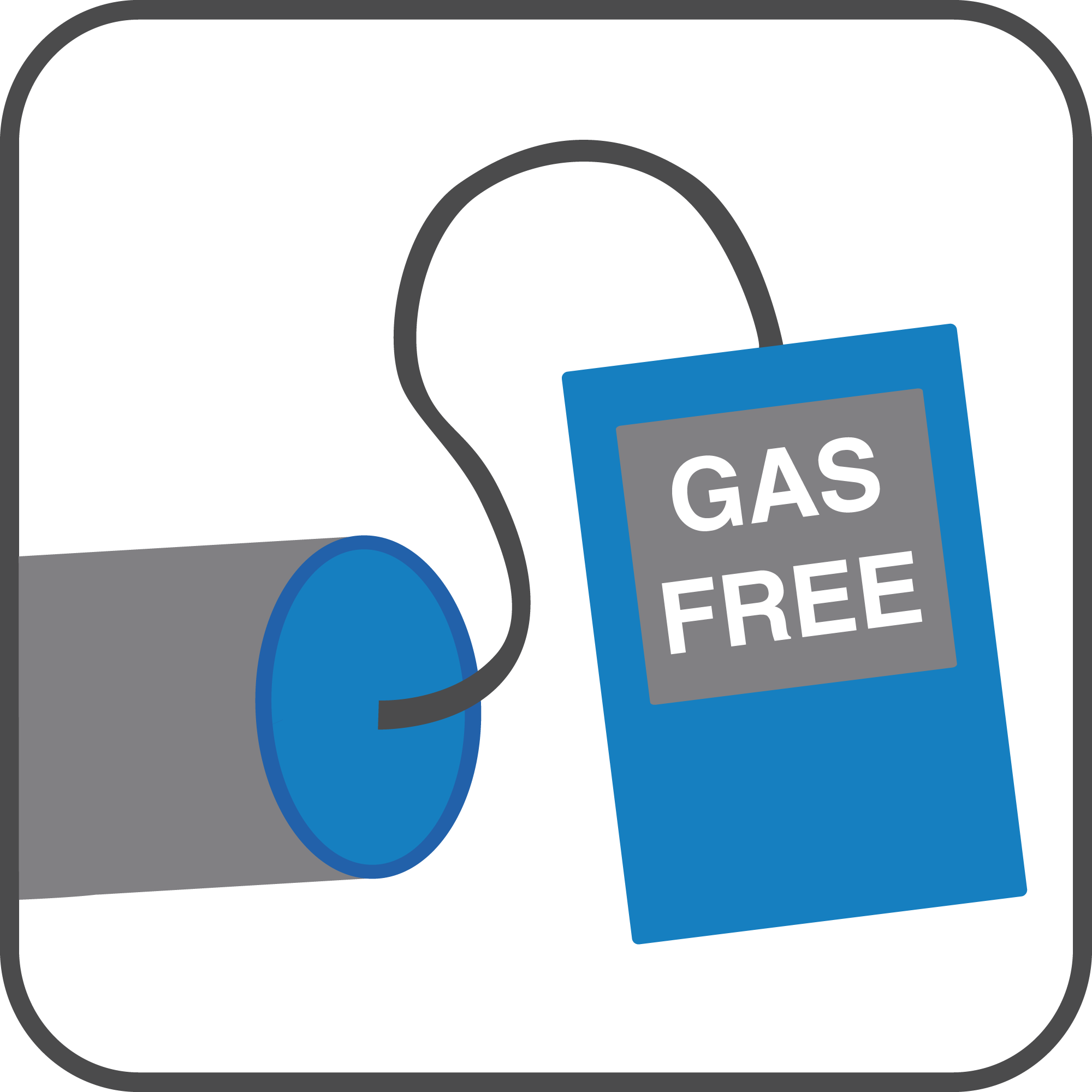
Gas-free verification is a fundamental safety procedure for operations in confined spaces or environments suspected of contamination. Its purpose is to ensure that no hazardous gases, explosive atmospheres, or unsafe conditions are present inside enclosed areas.
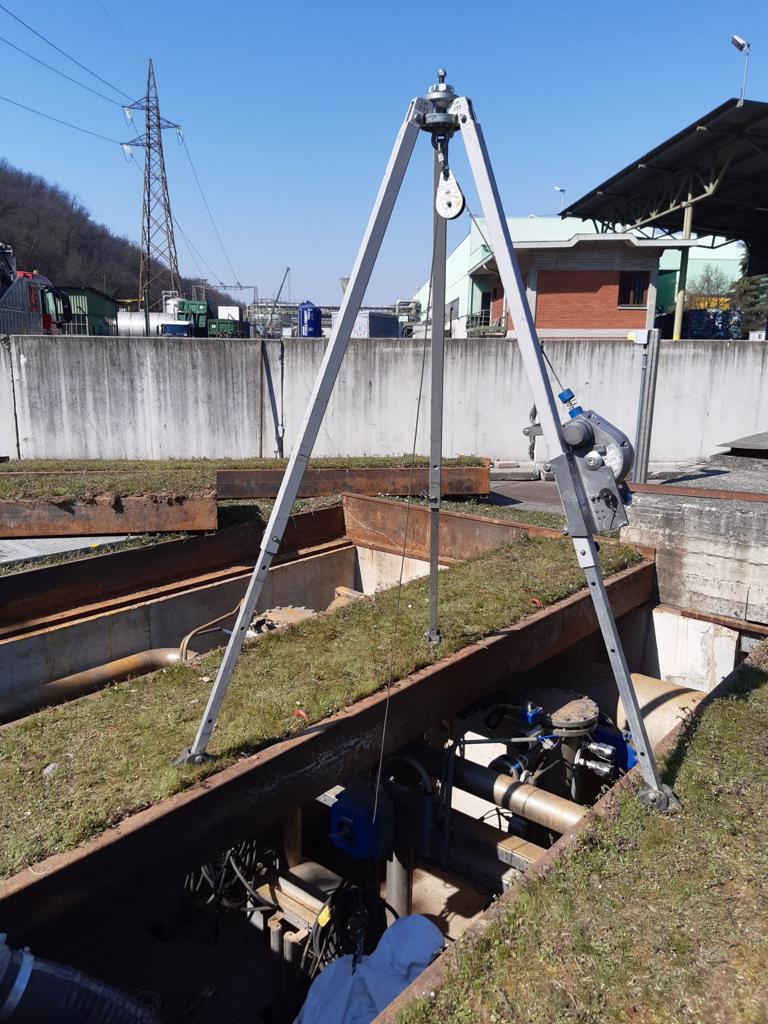
Gas-free verification is a technical check that measures the presence and concentration of gases inside a confined space before workers enter.
The goal is to ensure that the air is breathable and that there are no risks related to explosion, toxicity, or oxygen deficiency.
Specifically, the following are monitored:
Only after a positive result can safe entry be authorized.
Gas-free verification is mandatory because confined spaces present high risks that are often not immediately visible. Even environments that appear safe may contain dangerous atmospheres.
The main risks include:
For this reason, regulations require mandatory checks before any access.
This procedure is carried out in all environments classified as confined spaces or suspected of contamination.
The most common include:
Each enclosed environment must be individually assessed before intervention.
The procedure is carried out by qualified personnel using certified instruments capable of detecting the internal atmospheric composition.
The main steps include:
Operations can proceed only when safe conditions are confirmed.
Gas-free verification is regulated by workplace safety laws, particularly those concerning confined spaces.
The main reference in Italy is Legislative Decree 81/2008, which establishes obligations for risk assessment, worker training, and safety procedures.
Compliance requires:
Failure to perform these checks may result in serious liabilities for the company.
Gas-free verification is one of the most important preventive measures in confined space operations, as it helps avoid potentially fatal accidents.
Key benefits include:
It is therefore an essential step before any intervention.
Gas-free verification is a highly specialized activity requiring advanced equipment and qualified personnel.
Franchini Servizi Ecologici supports companies in confined space operations, ensuring accurate checks, safe procedures, and full regulatory compliance, guaranteeing interventions in total operational safety.
It is the control of the atmosphere in confined spaces to detect hazardous gases.
Yes, before entering confined or potentially contaminated spaces.
Only trained personnel using certified instruments.
Oxygen, flammable gases, and toxic gases.
Access is prohibited until safe conditions are restored.
To prevent serious accidents and ensure worker safety.
DECRETO LEGISLATIVO 9 aprile 2008, n 81 - Decreto Salute e Sicurezza nei Luoghi di Lavoro