.jpeg)
Gas-Free Tank Verification: Safety Certification and Remediation
The ""Gas Free"" certification is an essential instrumental analysis that certifies the non-hazardous atmosphere inside a tank. It is the fundamental safety requirement for authorizing any cleaning, maintenance, or decommissioning operation, protecting operators from the risk of explosion, poisoning, or asphyxiation.
Franchini Servizi Ecologici performs gas-free checks on all types of tanks, using state-of-the-art equipment and issuing certifications with full legal validity, drawn up by qualified technicians.
A Must-Have for Safety and Regulatory Compliance
Obtaining a gas-free certificate is not just good practice, but a legal requirement and an operational necessity for:
- Preventing the Risk of Explosion: The inspection ensures the absence of flammable vapors, eliminating the risk of ignition during hot work (e.g., welding) or when using electrical equipment.
- Protecting the Health of Operators: It ensures that the atmosphere is breathable and free of toxic or asphyxiating gases, an essential condition for accessing confined spaces (according to Presidential Decree 177/11).
- Obtaining the ""Work Permit"": The gas-free inspection report is a key document for processing the Work Permit, which safely authorizes maintenance activities.
- Proceed with Decommissioning: This is a mandatory step before scrapping or removing a tank (""gas free for demolition"").
Our Instrumental Verification Process
Our intervention follows a rigorous protocol to guarantee certain and reliable data.
- Preliminary Analysis: We evaluate the history of the tank and the substances it contained to identify potential risks.
- Use of Multigas Detectors: We use portable analyzers, constantly calibrated and certified, to measure key atmospheric parameters, including:
- Percentage of Oxygen (O2)
- Lower Explosive Limit (LEL)
- Carbon Monoxide (CO)
- Hydrogen Sulfide (H2S)
- Measurements Stratified: We perform measurements at different levels within the tank, as gases have different densities and can stratify. Forced Ventilation (if necessary): If the values are not compliant, we proceed with controlled ventilation to purify the atmosphere and make it safe.
The Gas Free Verification Report: A Legally Valid Document
After completing the measurements, our qualified and registered technician prepares and issues the Gas Verification Report. This document certifies the values recorded, the date, time, and validity period of the measurement, constituting an official certification that relieves the customer of any liability and guarantees compliance with regulations.
Ensure Maximum Safety for Your Tank Work.
Don't take risks. Trust our professionals to obtain a reliable and legally compliant gas-free certification, valid throughout the country.
.jpeg) Confined Space Interventions
Confined Space Interventions .jpeg) Confined Space Interventions
Confined Space Interventions 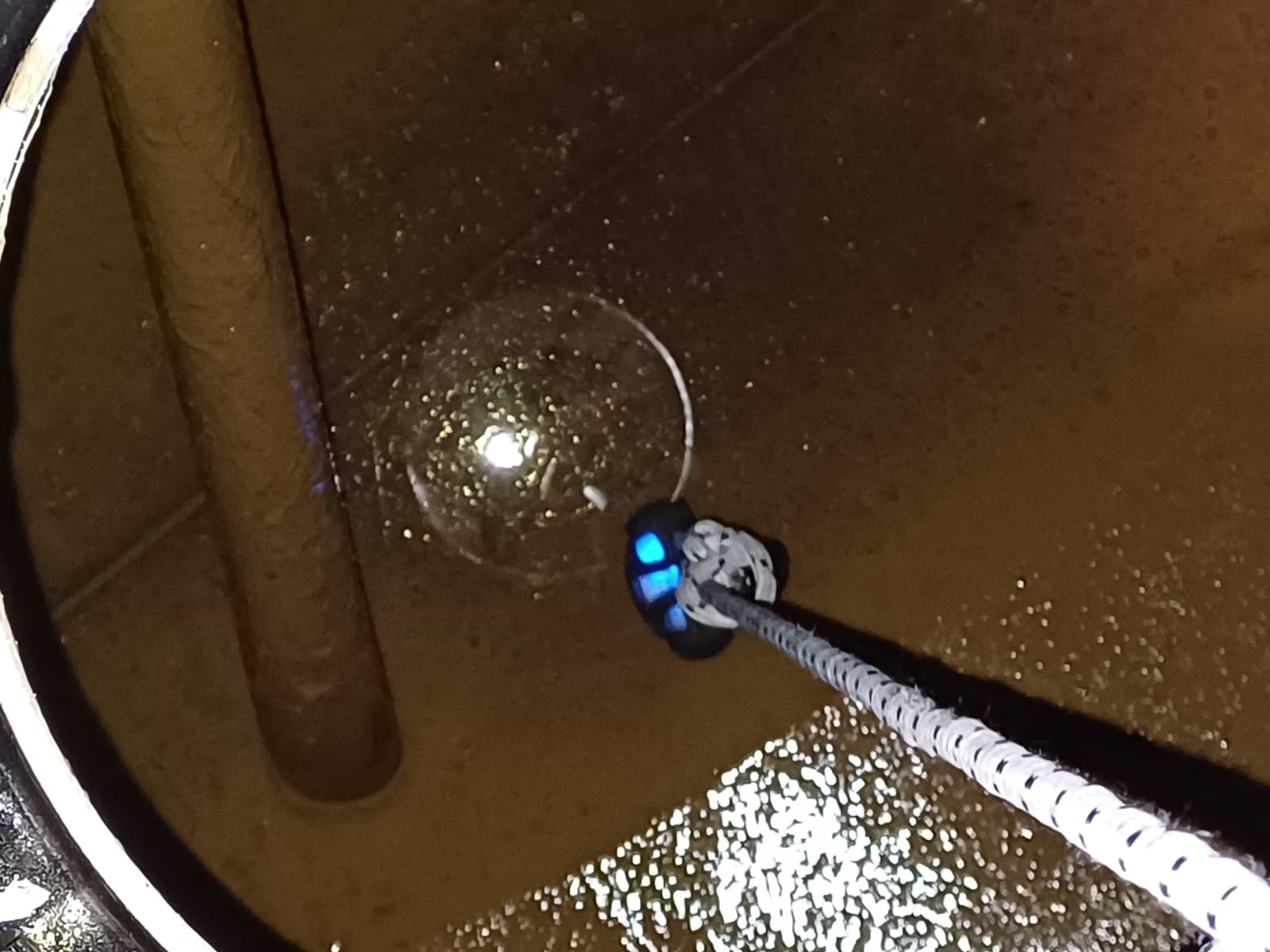 Gas Free
 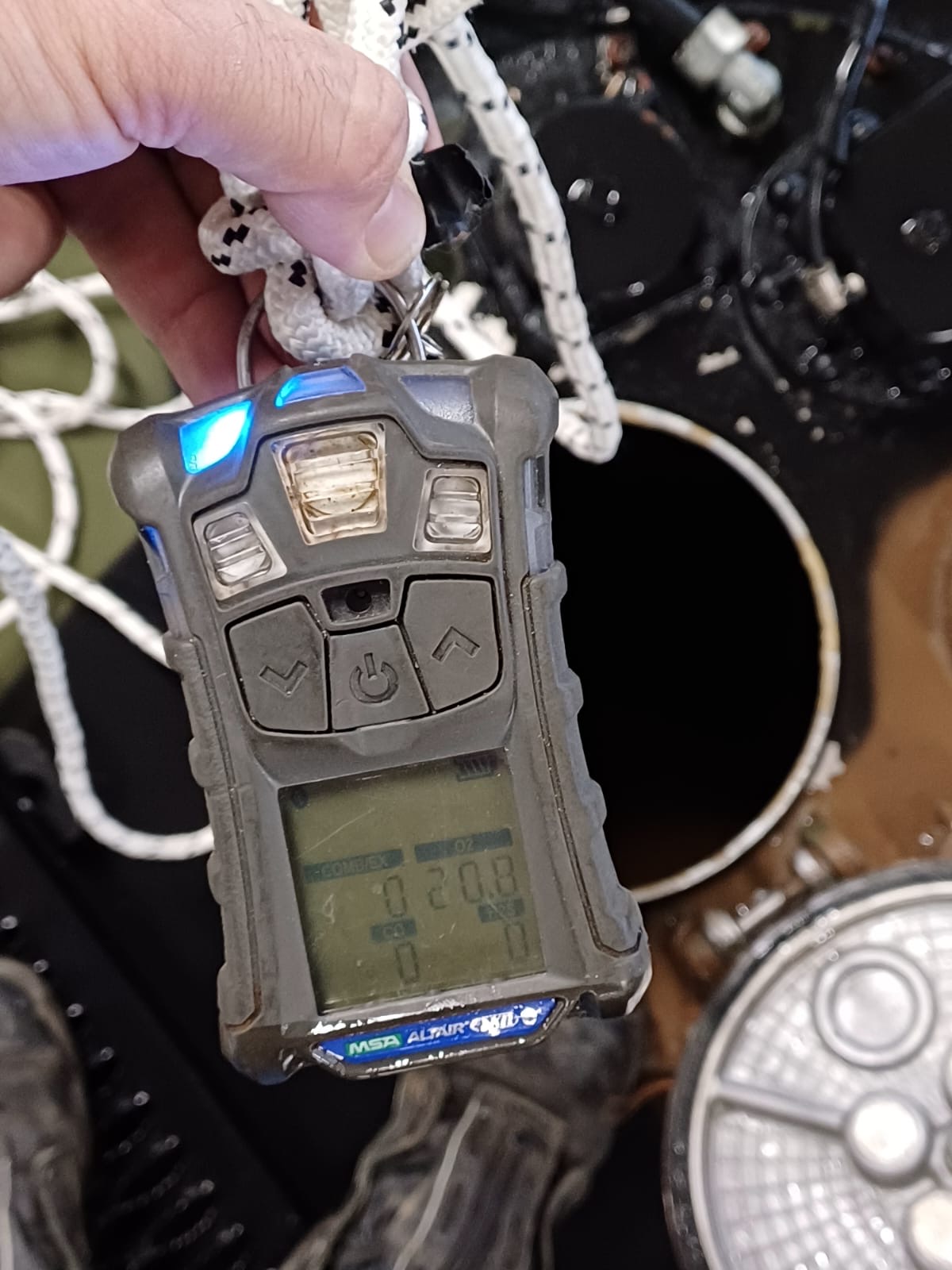 Gas free
 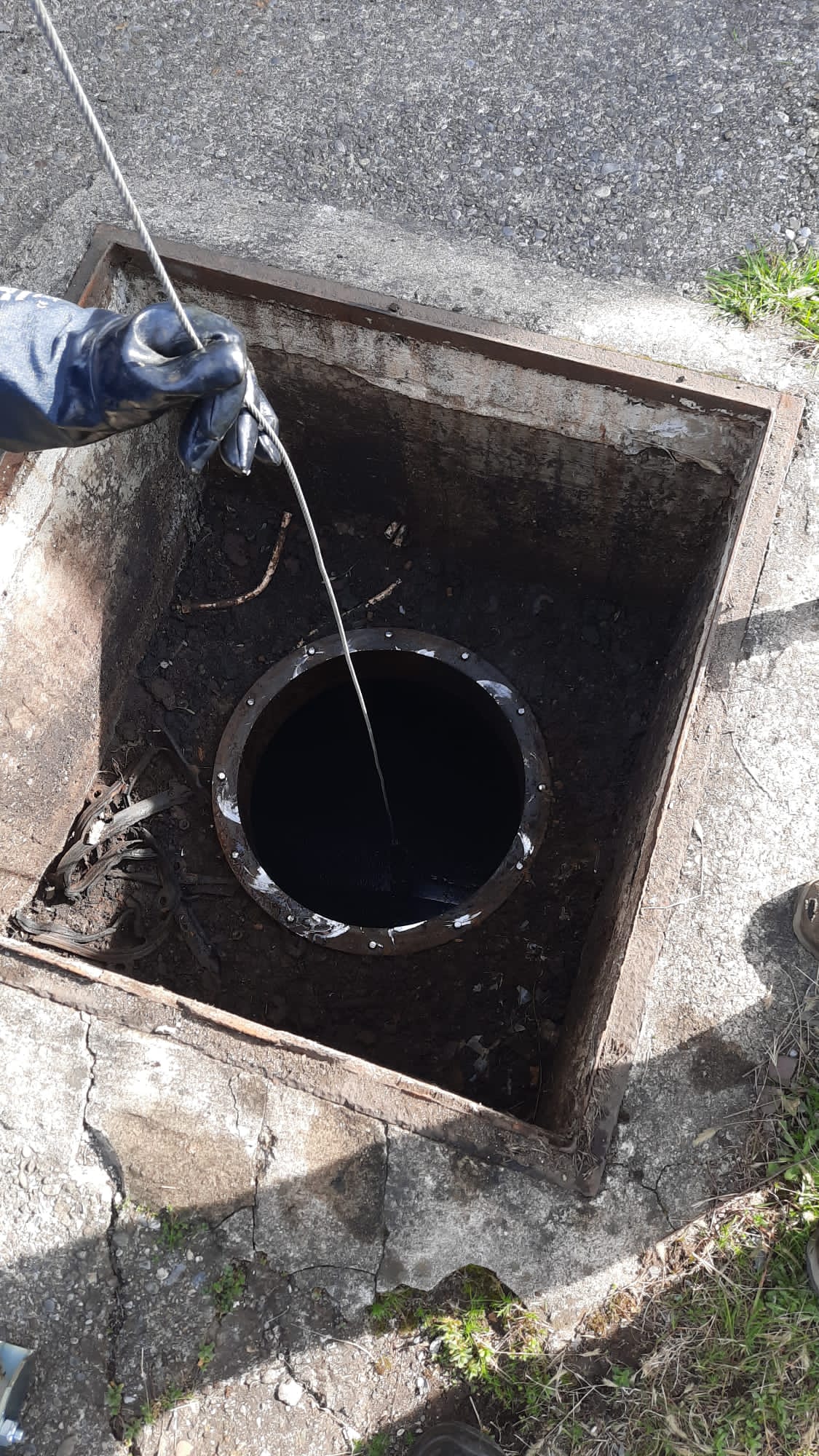 Gas-free tank checks
 Related Econews
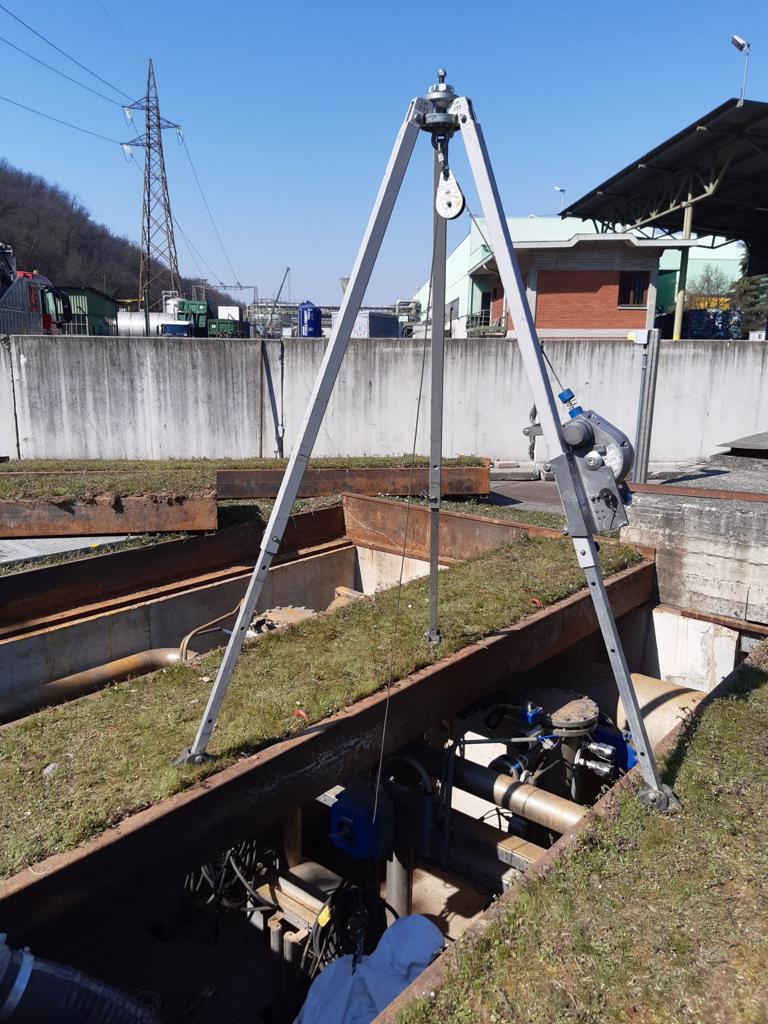
Gas-Free Verification: What It Is and Why It Is Mandatory in Confined Spaces
Gas-free verification is a fundamental safety procedure for operations in confined spaces or environments suspected of contamination. Its purpose is to ensure that no hazardous gases, explosive atmospheres, or unsafe conditions are present inside enclosed areas.
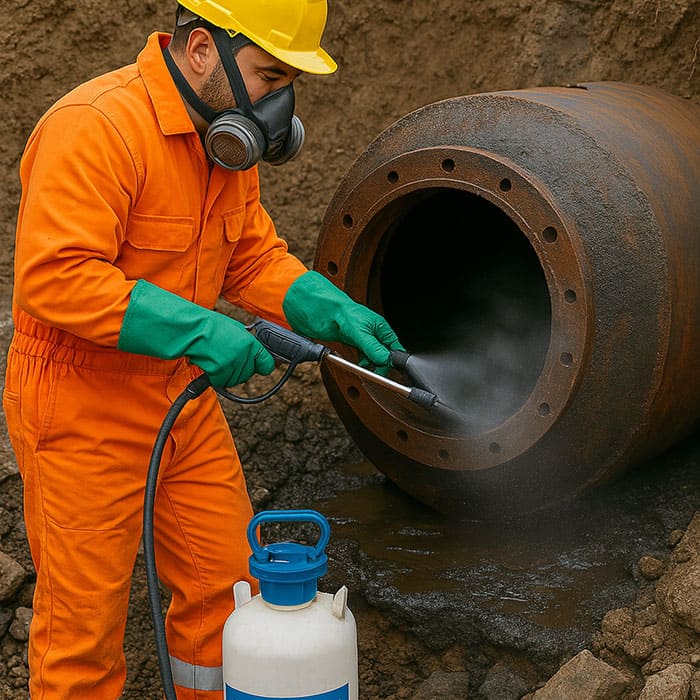
Underground Tank Remediation: Regulations and Safety Procedures
Underground tank remediation is essential to prevent environmental, health, and legal risks. Learn about regulations, procedures, and safety requirements to ensure full compliance.
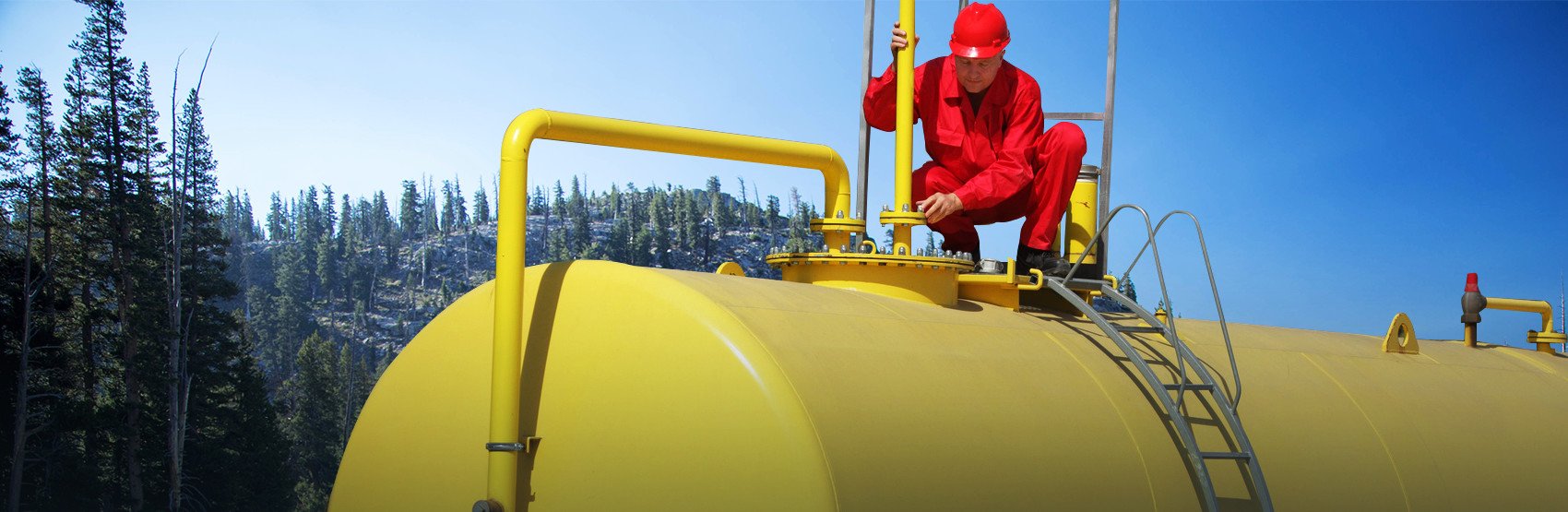
Gas free verification: when it is required before entering a tank
Gas free verification is a mandatory safety procedure before any access to tanks, cisterns, and confined spaces in industrial settings. It certifies that the internal atmosphere is free from toxic gases, flammable vapours, and oxygen deficiencies, preventing serious health risks for operators and ensuring safe working conditions that comply with current regulations and occupational safety standards.