Industrial tank cleaning is essential for ensuring plant safety, operational continuity, and overall efficiency. Traditionally, these operations required tanks to be completely emptied, resulting in production downtime with significant impacts on costs and business operations.
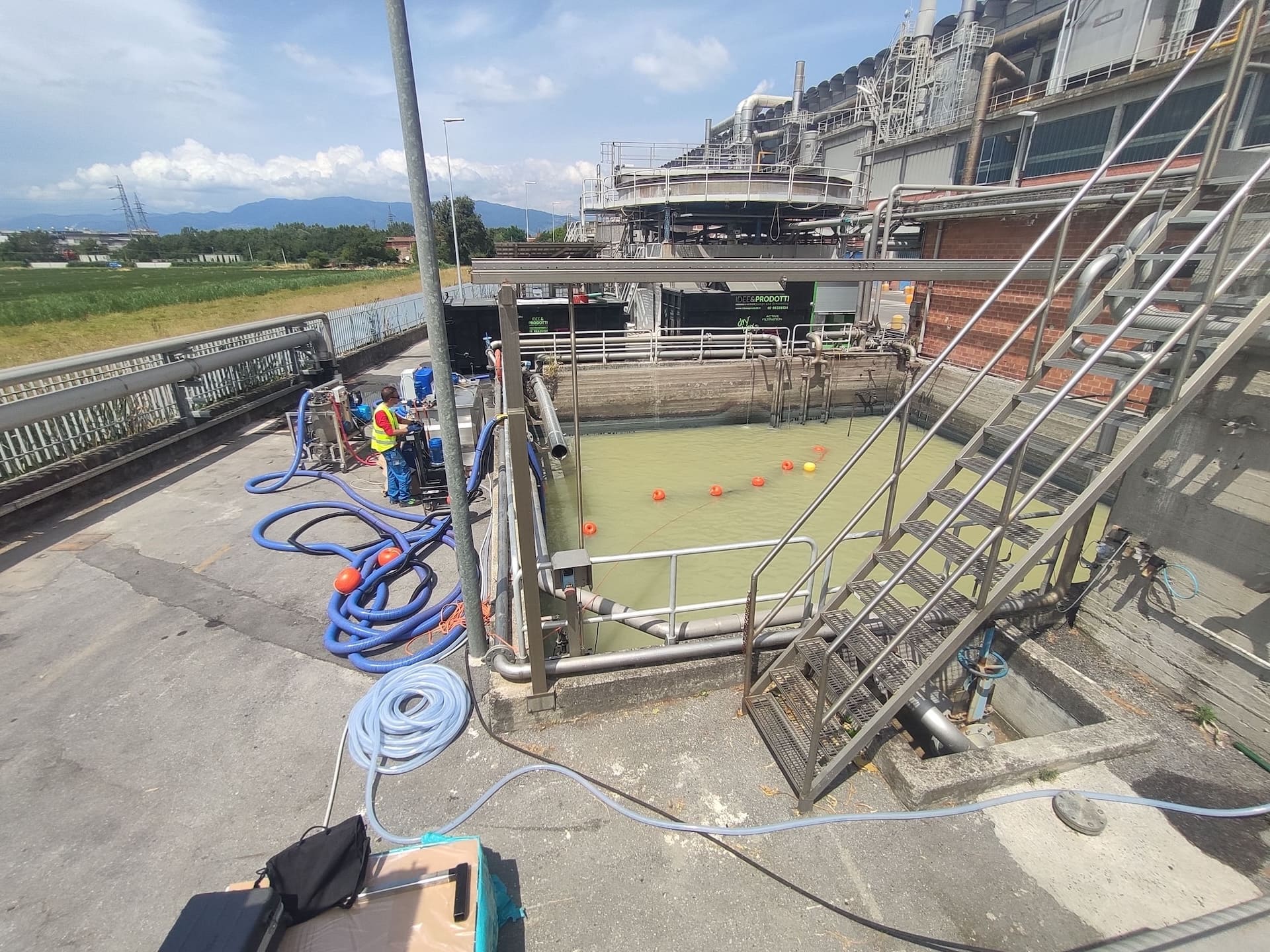
Over time, industrial tanks accumulate sludge, sediment, sand, processing residues, and other materials that reduce plant efficiency. If left untreated, these deposits can decrease tank capacity, increase energy consumption, and lead to equipment malfunctions.
Regular cleaning makes it possible to:
Scheduled maintenance also helps prevent emergency interventions and costly repairs.
Modern technologies make it possible to clean many industrial tanks without completely emptying their contents.
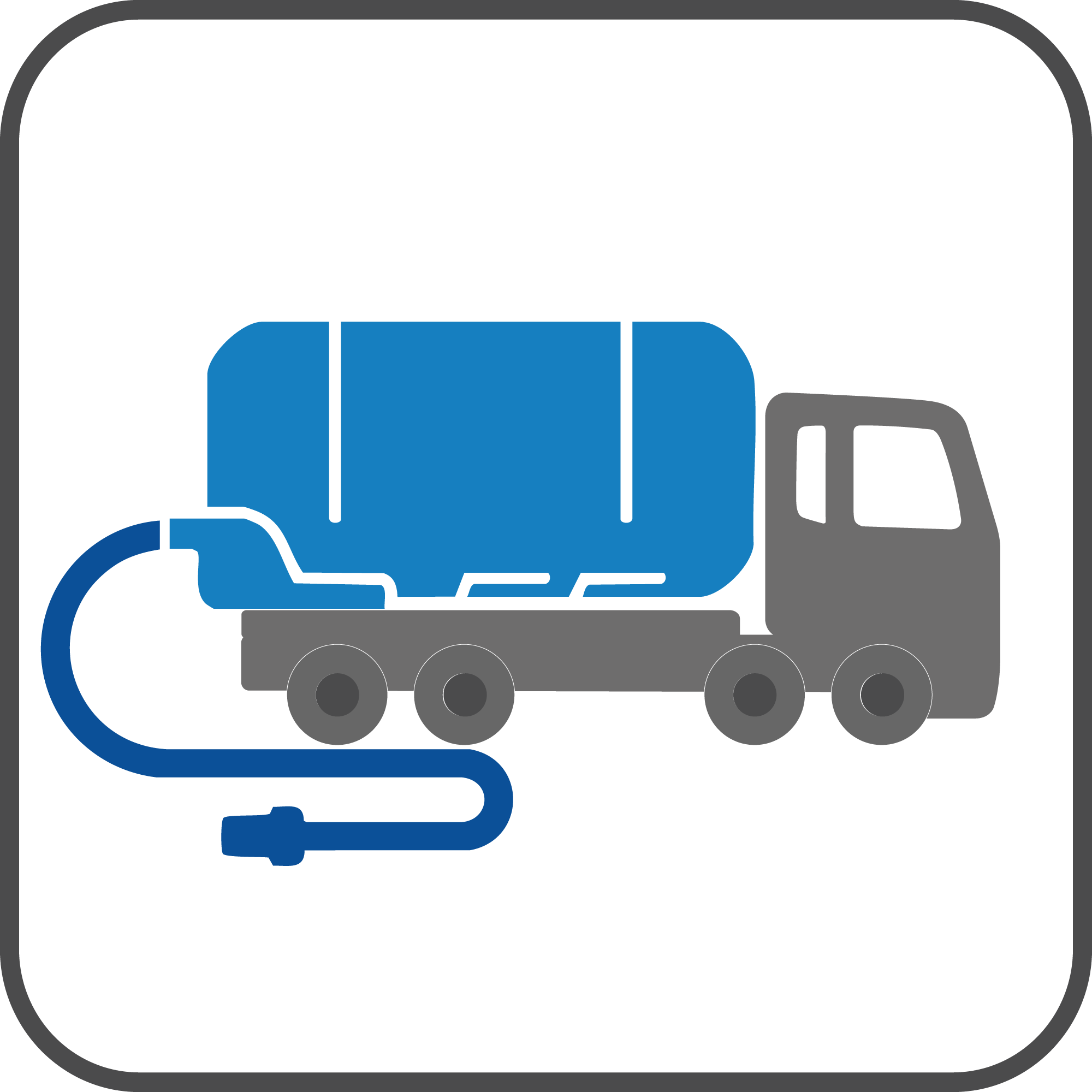
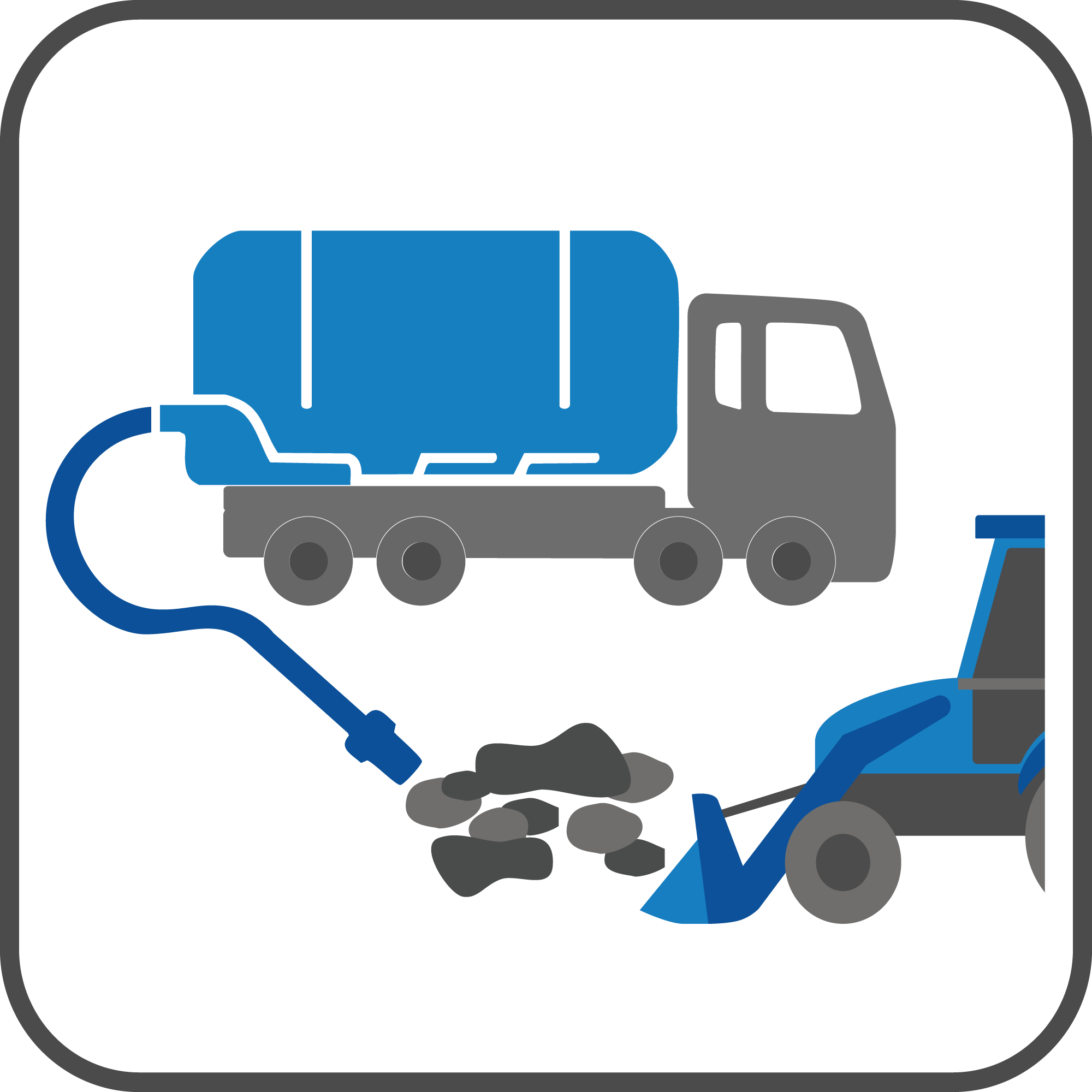
By using high-capacity vacuum trucks, high-performance pumps, advanced suction systems, and dedicated equipment, technicians can progressively remove sediment while keeping production processes running.
This operating method makes it possible to:
The feasibility of cleaning without emptying the tank depends on the tank design, the materials contained inside it, and the characteristics of the plant.
Each cleaning operation is planned by selecting the technologies best suited to the specific characteristics of the facility.
The main technologies include:
| Technology | Function |
| High-flow suction | Removal of sludge and sediment |
| Submersible pumps | Transfer of liquids during the operation |
| Hydrodynamic systems | Removal of deposits adhering to the walls |
| Combined self-cleaning systems | Simultaneous suction and flushing |
| Equipment for confined spaces | Operations in complete safety |
| Video inspection | Inspection of the tank’s condition before and after cleaning |
Combining these technologies reduces operational time while improving the overall quality and effectiveness of the cleaning process.
Not every cleaning operation necessarily requires the production plant to be shut down.
In many cases, cleaning operations can be carried out while production lines remain operational, especially when:
A thorough technical assessment makes it possible to identify the most efficient solution without disrupting production.
Carrying out industrial tank cleaning without interrupting production offers significant economic and operational advantages.
The main benefits include:
For many companies, this approach has become the most cost-effective way to manage industrial plant maintenance.
Industrial tank cleaning is often carried out in confined spaces or in environments containing potentially hazardous substances. For this reason, every operation must be preceded by a detailed risk assessment and careful operational planning.
The main safety measures include:
Safety is an essential requirement throughout every stage of the cleaning process.
Scheduling industrial tank cleaning allows maintenance to be carried out before accumulated deposits compromise plant performance.
Effective maintenance planning makes it possible to:
Today, preventive maintenance is one of the most effective strategies for increasing productivity while reducing operating costs.
Industrial tank cleaning requires specialized expertise, high-performance equipment, and carefully designed operating procedures to ensure safety, speed, and efficiency. The ability to clean tanks without completely emptying them or interrupting production has become a significant competitive advantage for many industrial companies.
Franchini Servizi Ecologici provides industrial tank cleaning services using advanced technologies, high-capacity vacuum trucks, and highly qualified personnel. The goal is to minimize downtime, optimize plant performance, and ensure that every operation complies with environmental and safety regulations.
In many cases, yes. Thanks to high-capacity vacuum systems, dedicated pumps, and continuous cleaning techniques, sludge and sediment can be removed while keeping the process liquid inside the tank. However, feasibility depends on the type of plant, the material contained in the tank, and the operating conditions, all of which are assessed during the technical inspection.
The main advantage is uninterrupted production. Avoiding plant downtime reduces the costs associated with production interruptions, minimizes delays, and improves maintenance scheduling. In addition, these operations are often faster and have a much smaller impact on business operations.
The recommended frequency depends on the industry, the production process, and the amount of residue generated during operation. In most cases, a scheduled maintenance plan is recommended to prevent excessive buildup and maintain consistent plant efficiency over time.
Cleaning operations may involve combined vacuum trucks, submersible pumps, high-pressure hydro-jetting systems, confined-space equipment, and CCTV inspections. The technologies selected depend on the characteristics of the tank and the objectives of the intervention, ensuring maximum effectiveness while reducing both time and costs.
Yes. These operations are often carried out in confined spaces or in environments containing potentially hazardous substances, making strict safety procedures essential. The work is performed by trained personnel using certified equipment, appropriate personal protective equipment, continuous atmospheric monitoring, and procedures that fully comply with occupational safety and environmental regulations.