Non-stop cleaning of industrial tanks and lagoons
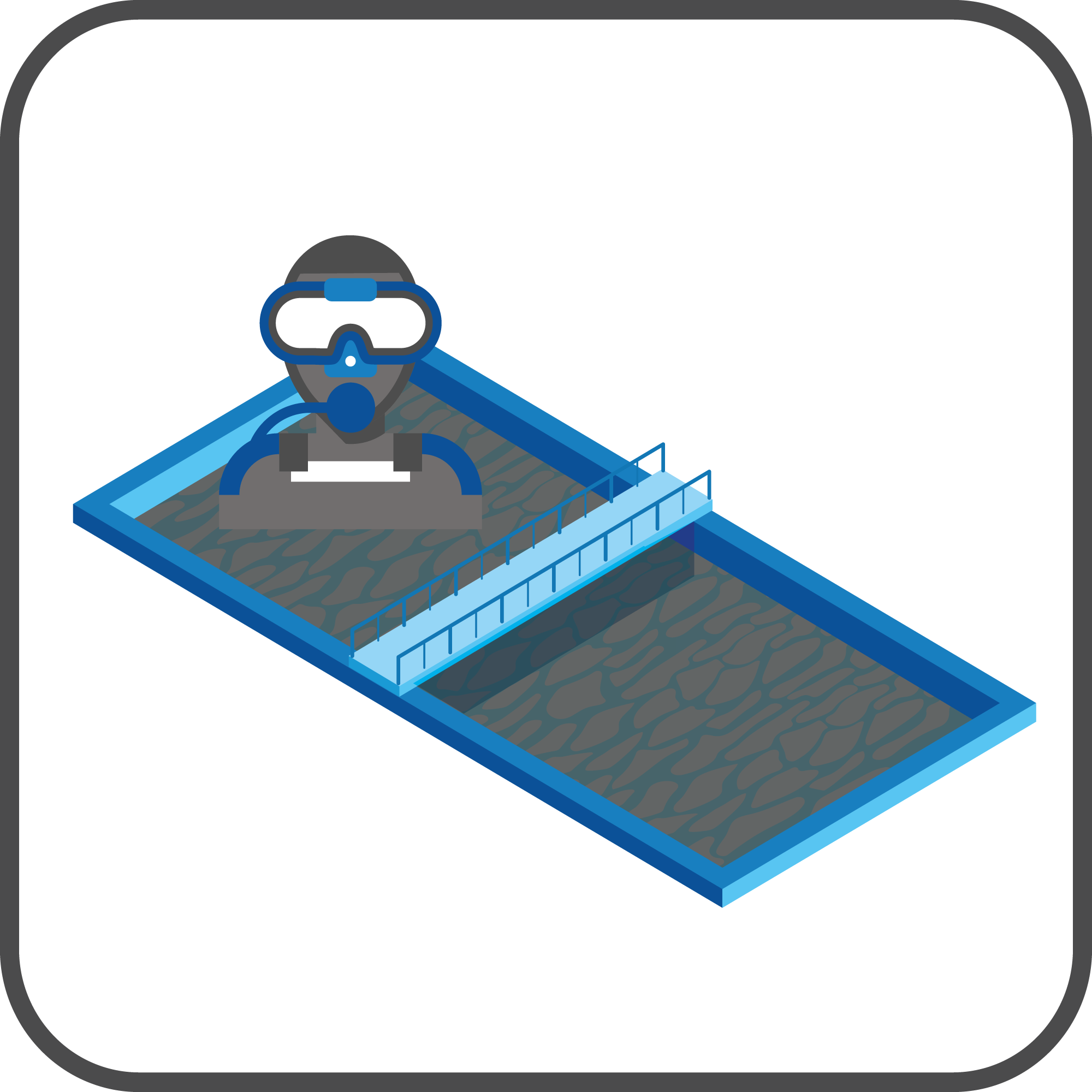
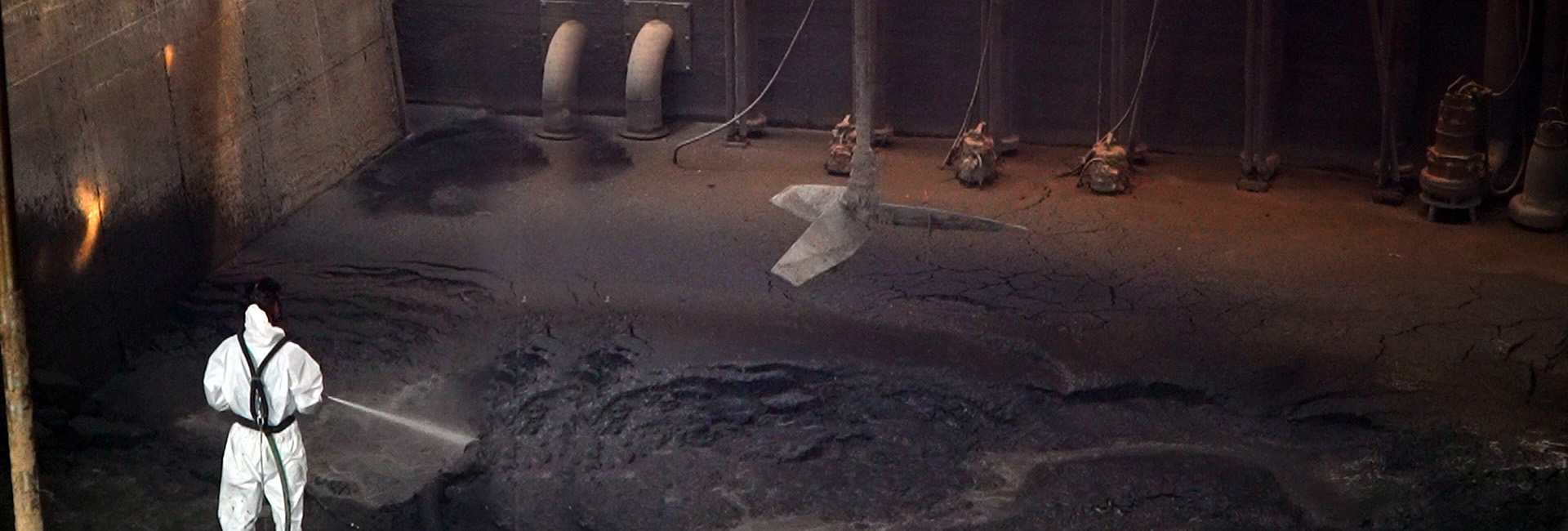
As in the case of tanks, the basins and all the concrete elements used in the water purification process also require periodic cleaning operations. This is essential to reduce accumulated sediment and restore optimal efficiency of the purification cycle.
From lagoon tanks to settling tanks, to the structures in wastewater treatment plants, it is crucial to remove sediment deposited on the bottom to ensure proper operation without interrupting operations.
Considering the significant size of the tanks, high water volumes, and access challenges, Franchini has developed innovative approaches for cleaning industrial tanks.
Thanks to the experience accumulated over the years and specialized skills in the sector, Franchini S.p.A. has introduced new cleaning methodologies, supported by special equipment designed in-house. This allows operations to be performed without interrupting the workflow and keeping the tanks operational.
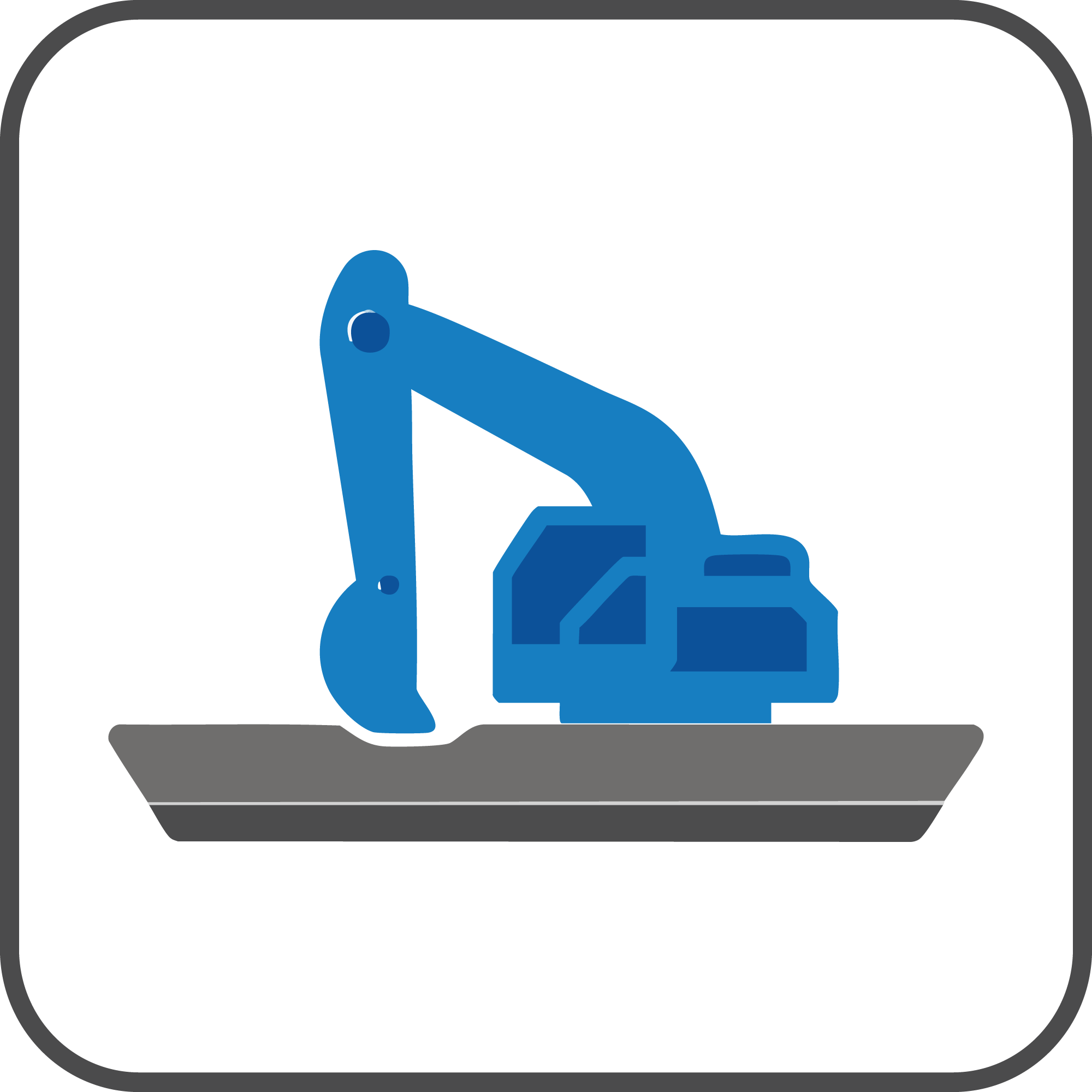
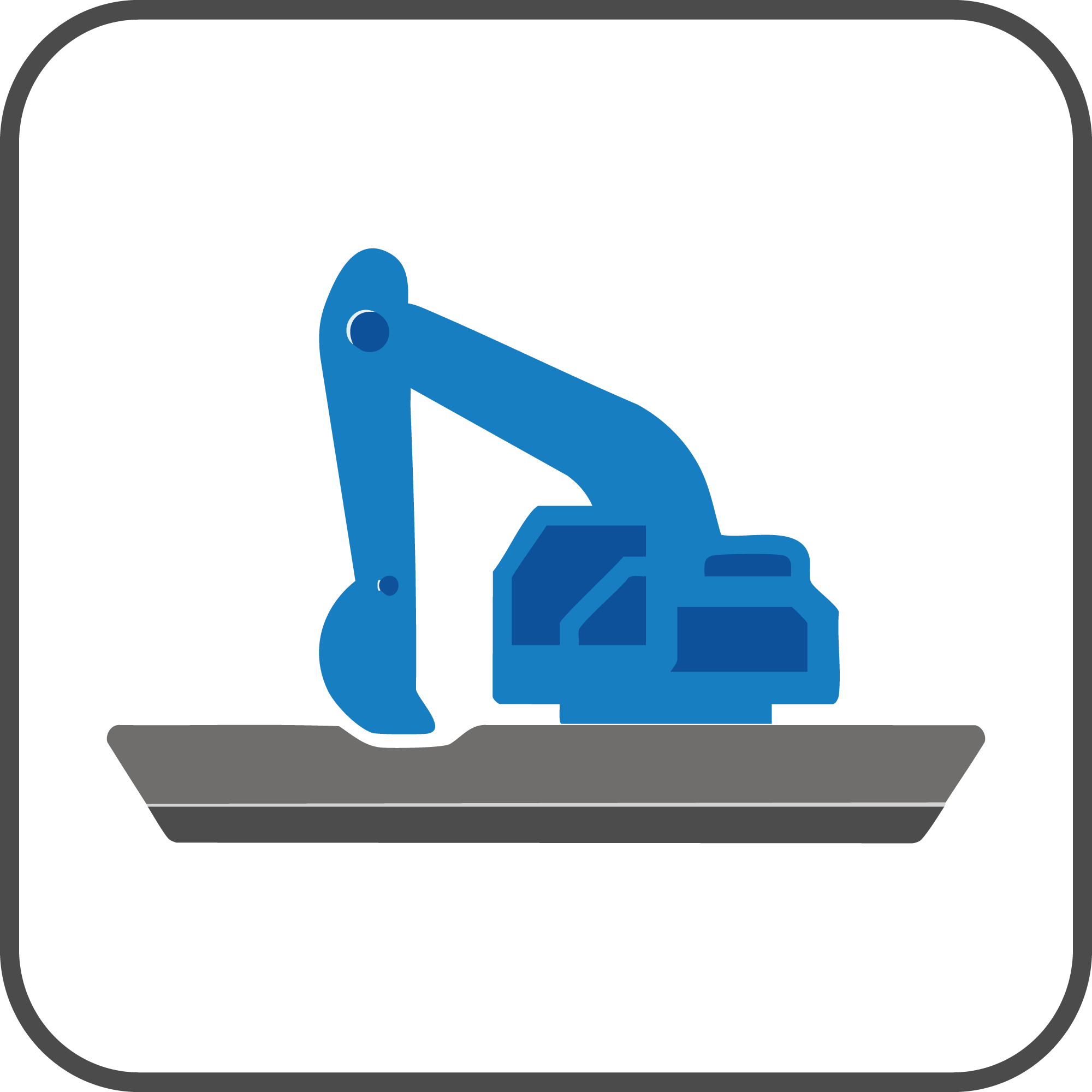
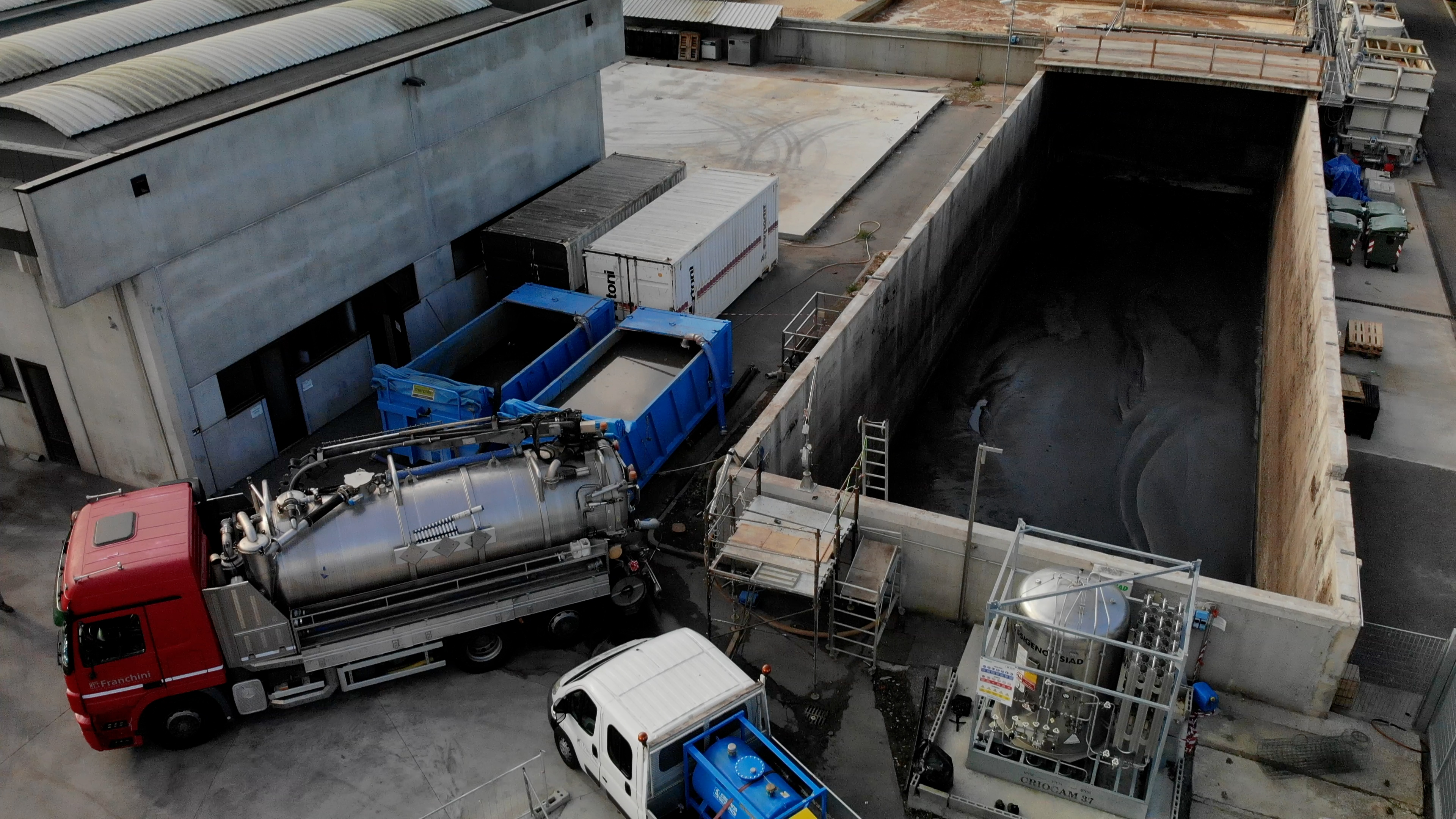
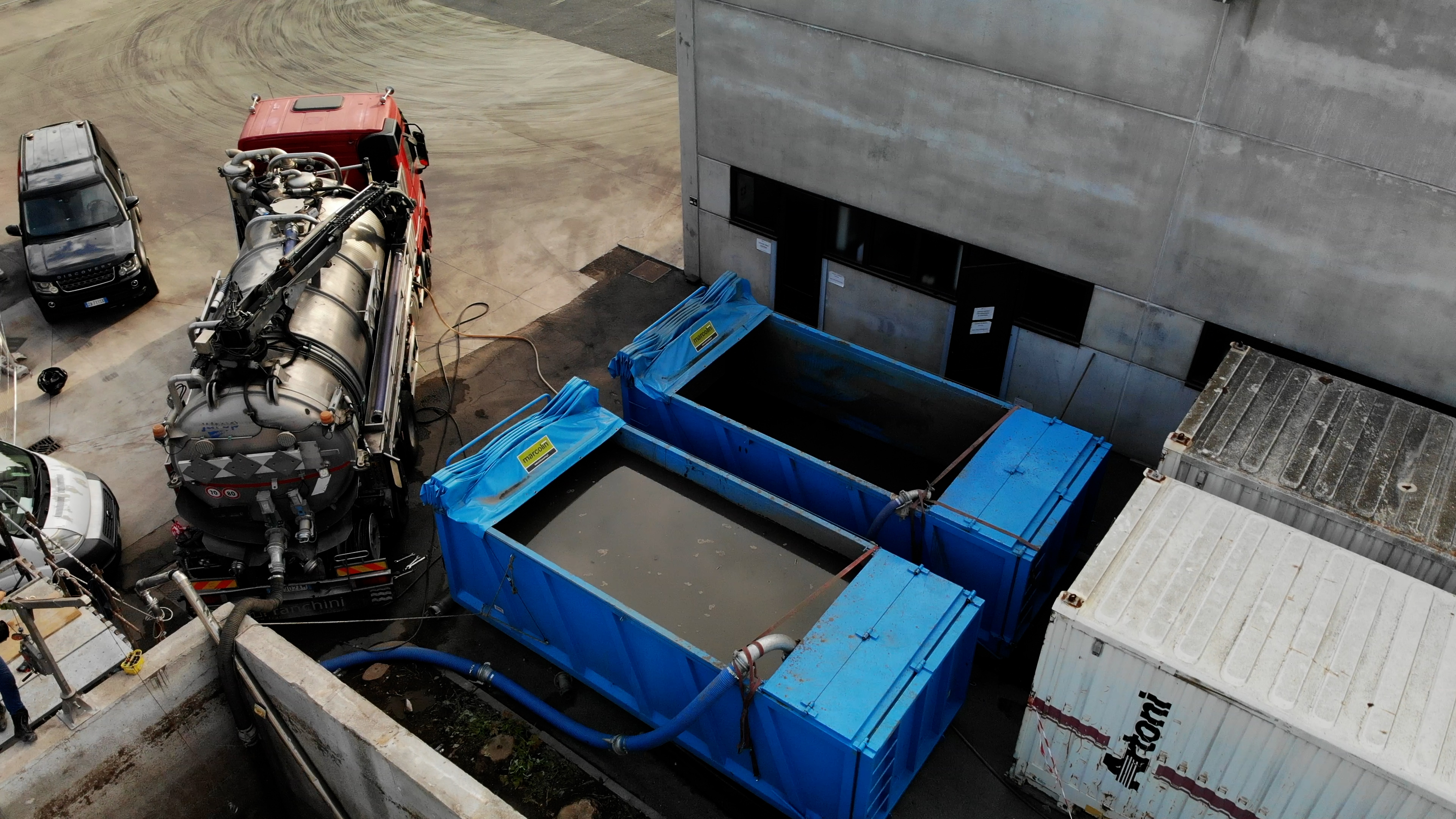
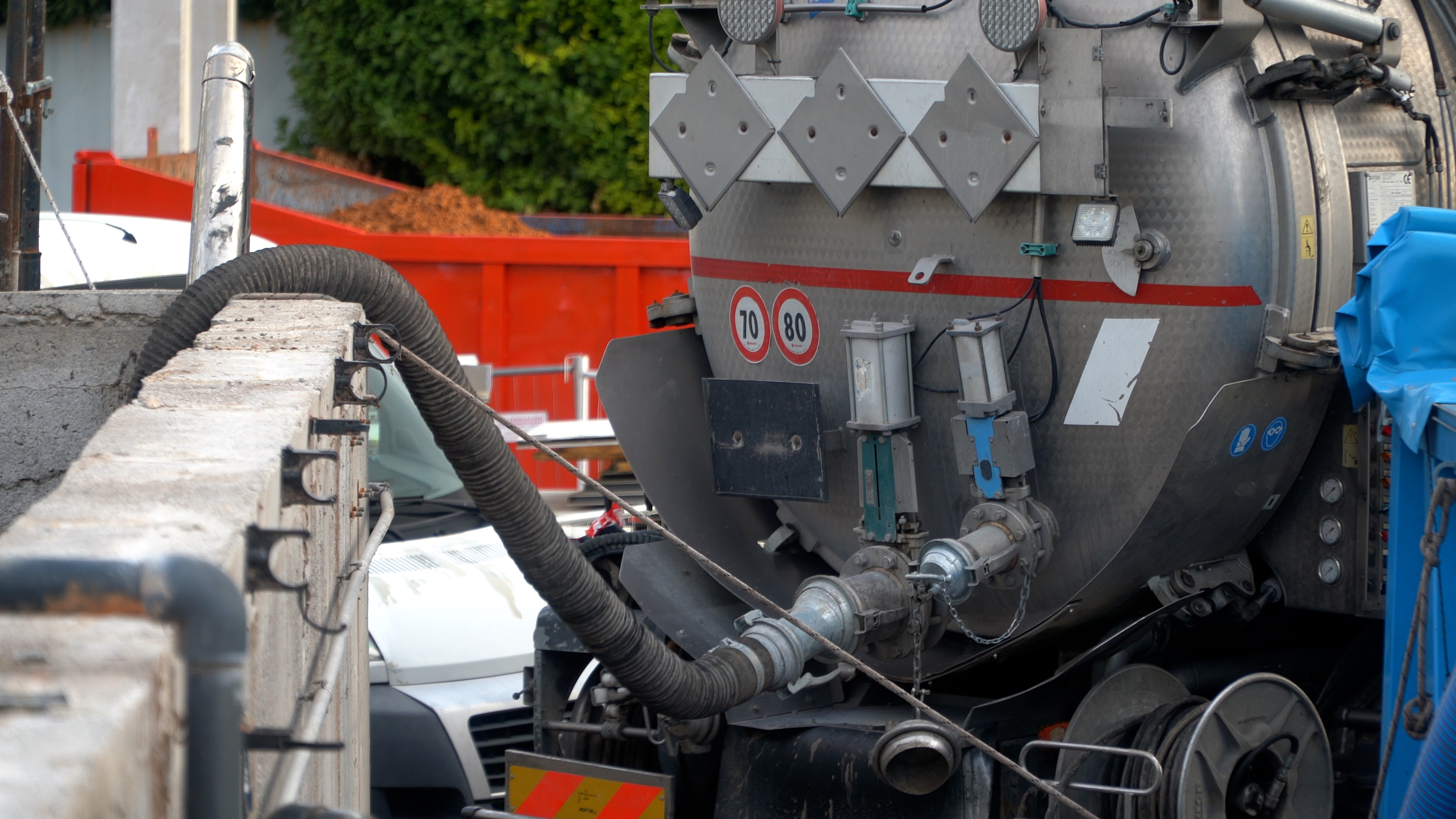
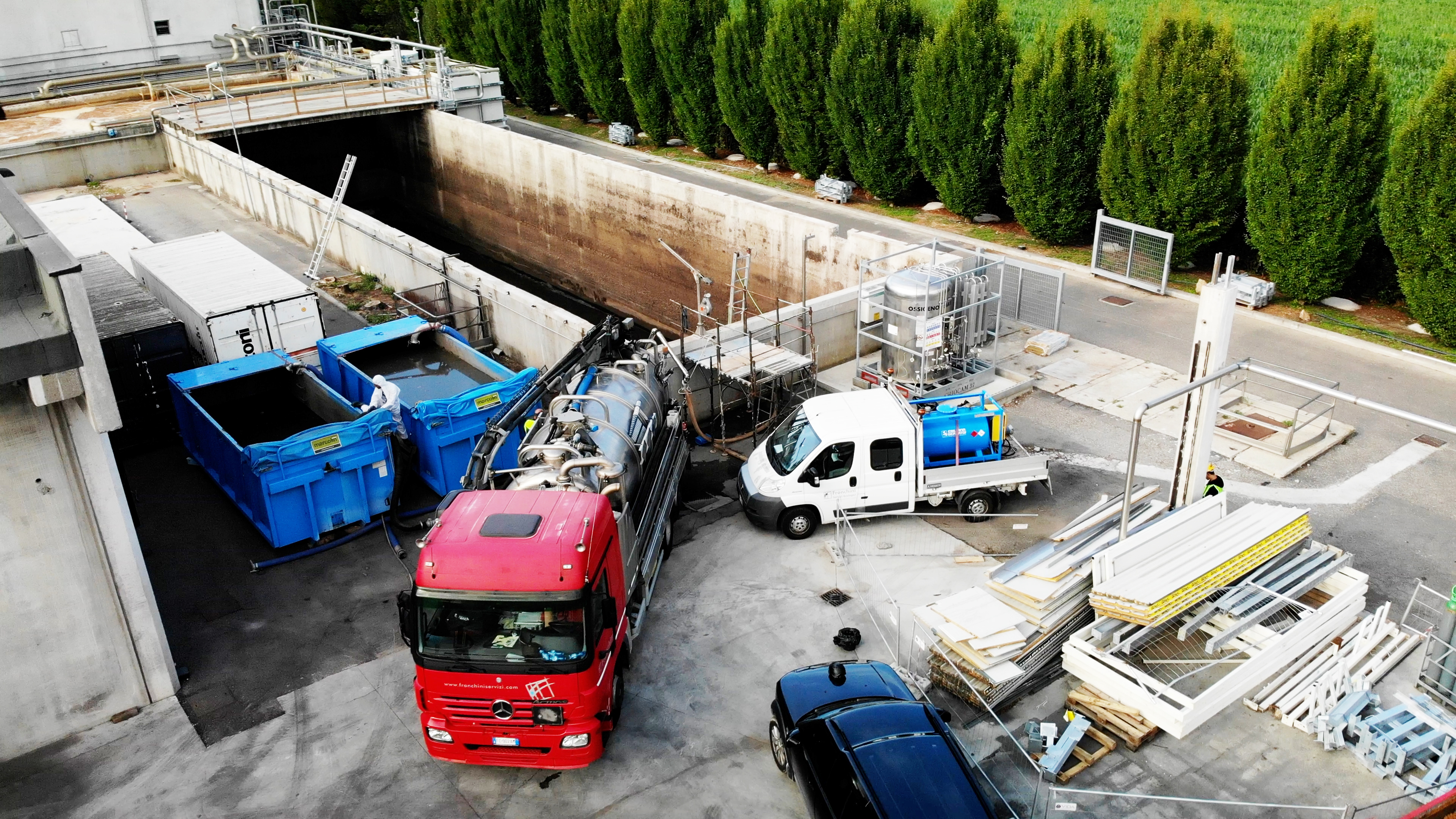
The cleaning process developed by Franchini Servizi Ecologici involves the use of a floating dredger. The collected sediment is then subjected to desanding, screening, and dewatering before being disposed of in the appropriate facilities. Operators work safely from the outside, eliminating the need to access confined spaces. This approach allows production activities to continue uninterrupted, as the tanks remain in operation.
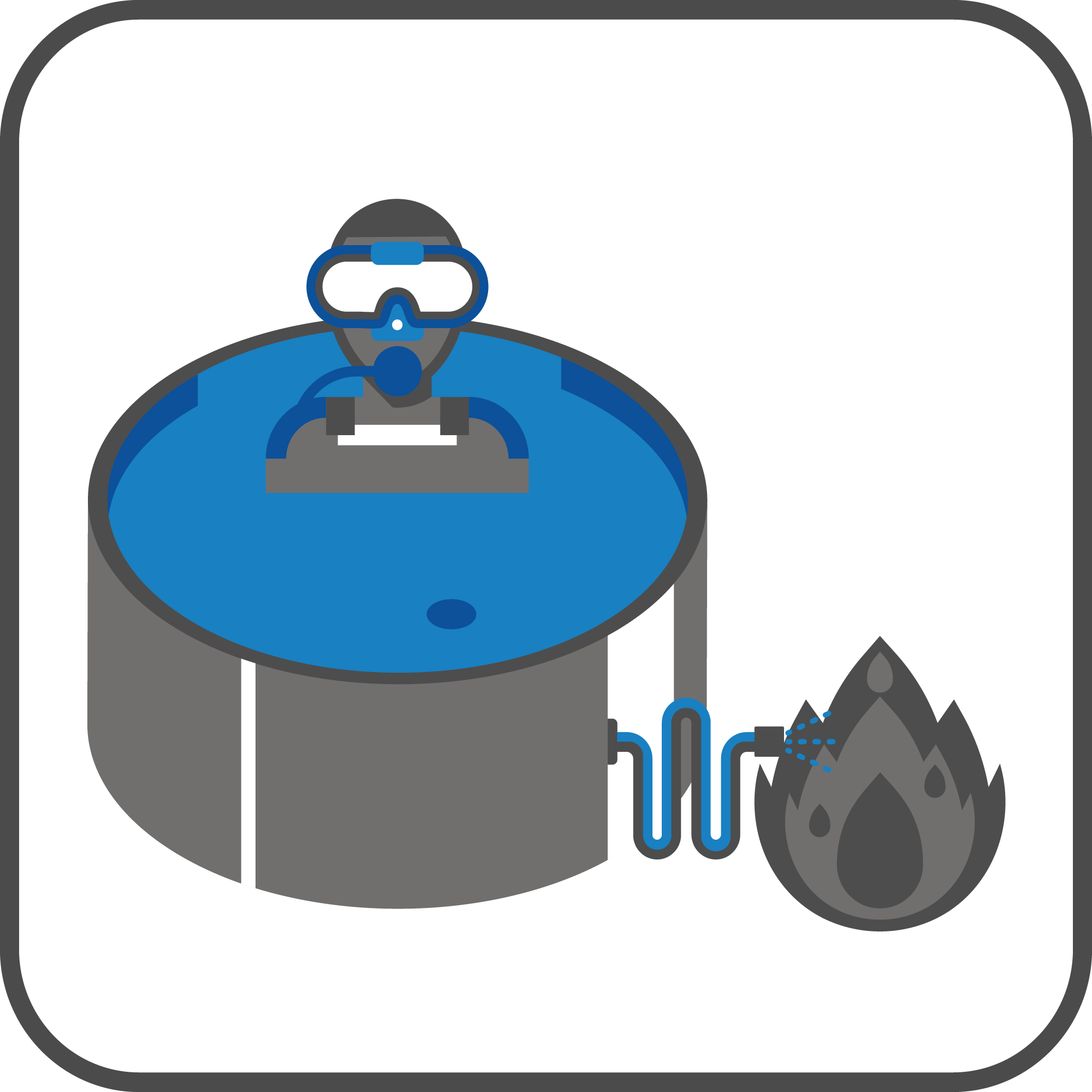
The uninterrupted cleaning service for industrial tanks and lagoons was conceived by Franchini Servizi Ecologici with the aim of improving personnel safety through the adoption of the no-entry methodology. Furthermore, whenever possible, we aim to reduce technical downtime, which can cause management complications for the end customer.
The personnel dedicated to cleaning the purification tanks are highly specialized, continuously trained, and updated regarding safety regulations.
 Cleaning Tanks
  Cleaning Tanks
  Cleaning Tanks
  Cleaning Tanks
  Cleaning Tanks
 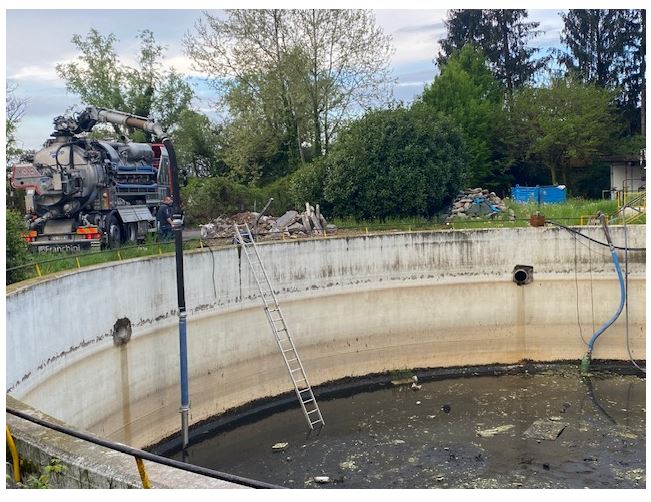 Reclamation of Basins and Lagoons
 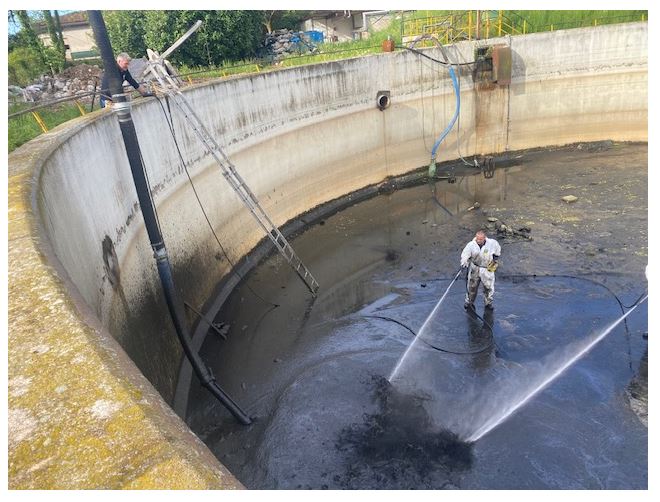 Reclamation of Basins and Lagoons
 Related Econews
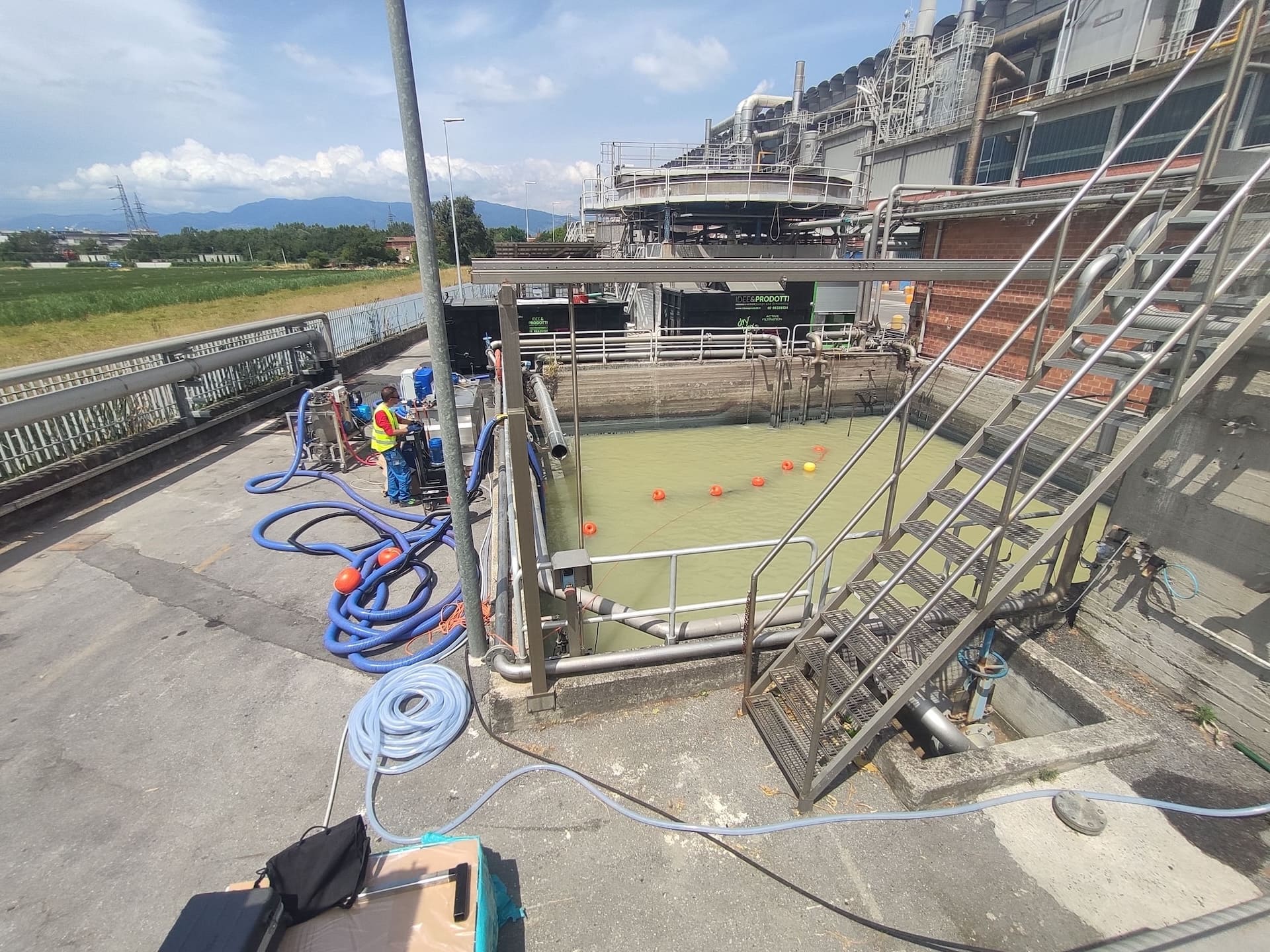
Industrial Tank Cleaning: Technologies for Cleaning Without Emptying or Production Downtime
Industrial tank cleaning is essential for ensuring plant safety, operational continuity, and overall efficiency. Traditionally, these operations required tanks to be completely emptied, resulting in production downtime with significant impacts on costs and business operations.
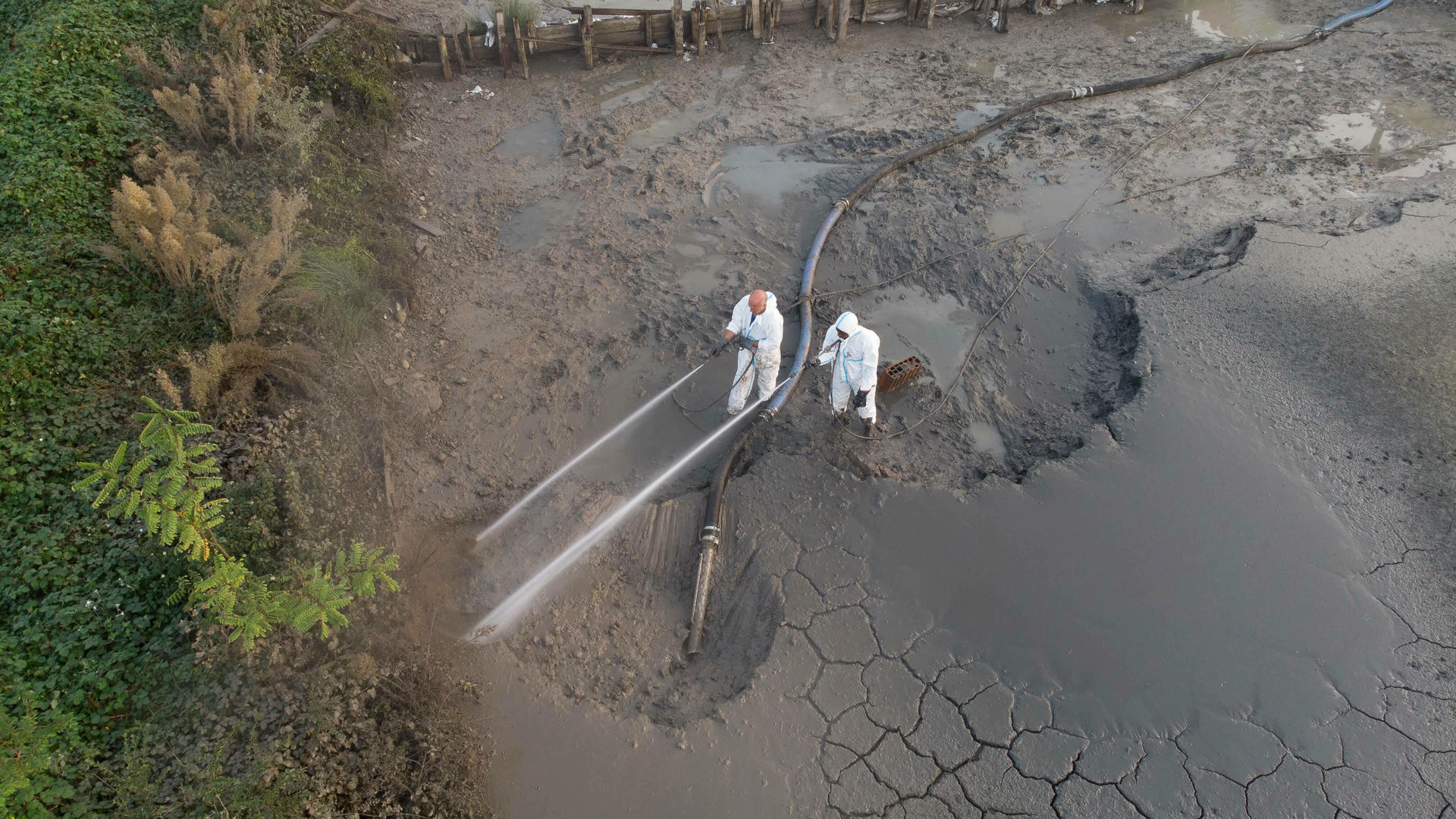
Industrial tank rehabilitation: technologies and interventions for plant continuity
Industrial tank rehabilitation is a key activity to ensure the efficiency and safety of production and treatment systems. Over time, tanks may be affected by wear, corrosion, sediment buildup, or structural deterioration that compromise their functionality.
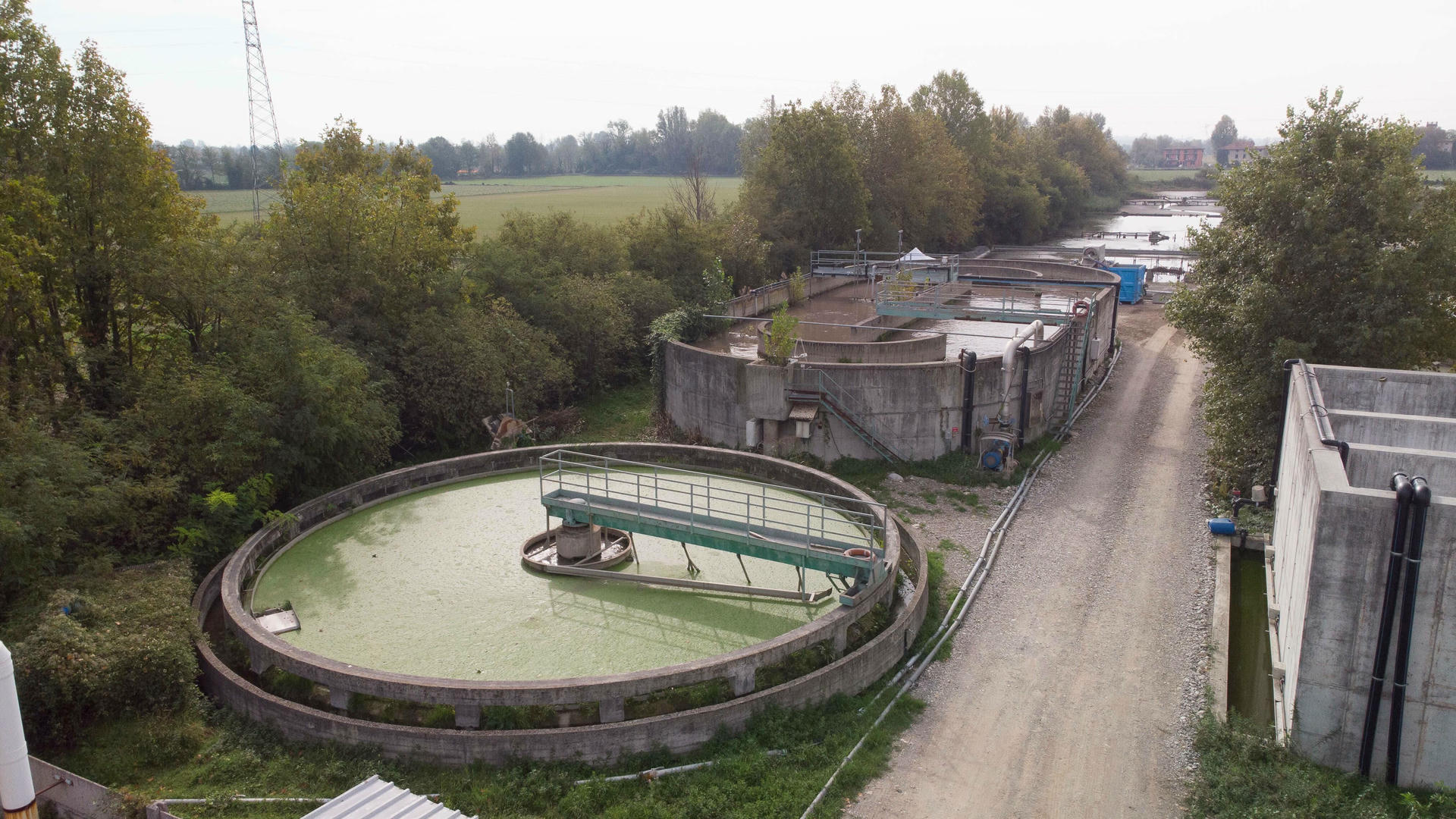
Industrial Tank Cleaning and Lagoon Remediation Without Draining: How to Operate Without Stopping the Plant
Cleaning industrial tanks and remediating industrial lagoons are essential activities to ensure operational efficiency and continuity. Traditional methods involving full draining often result in production stoppages and high costs.
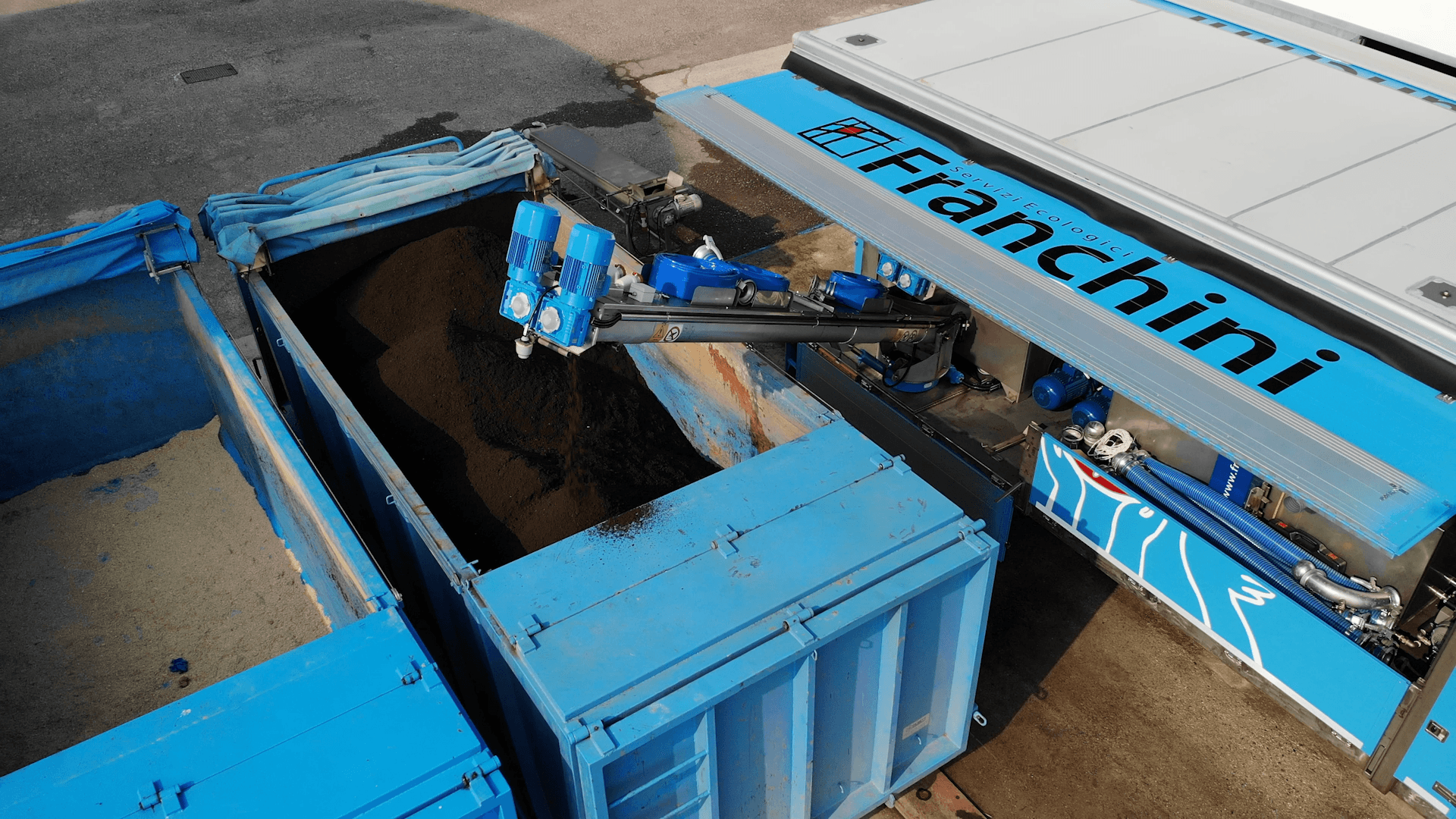
Dewatering sludge: how to reduce costs with mobile plants
Sludge management is one of the main costs for companies and treatment plants. In this context, mobile sludge treatment plants allow on-site operations, reducing disposal volumes. Dewatering separates liquid from solid components, making sludge more compact and cost-effective to handle.
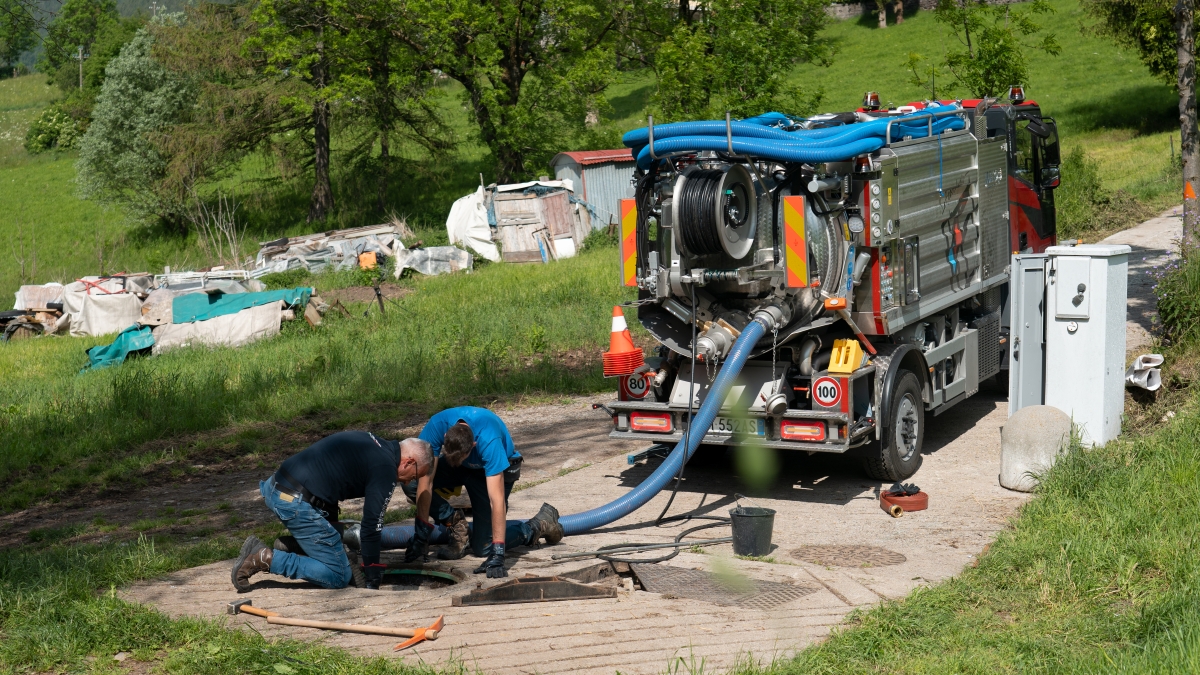
Septic Tank Full: 5 Clear Signs and What to Do Right Away
The main signs of a full septic tank are persistent odors, slow drainage, gurgling noises from the pipes, and, in more serious cases, sewage leaks or water pooling in the yard. If you experience any of these symptoms, you should schedule a professional septic tank cleaning service within 24-48 hours to avoid structural damage or home flooding.
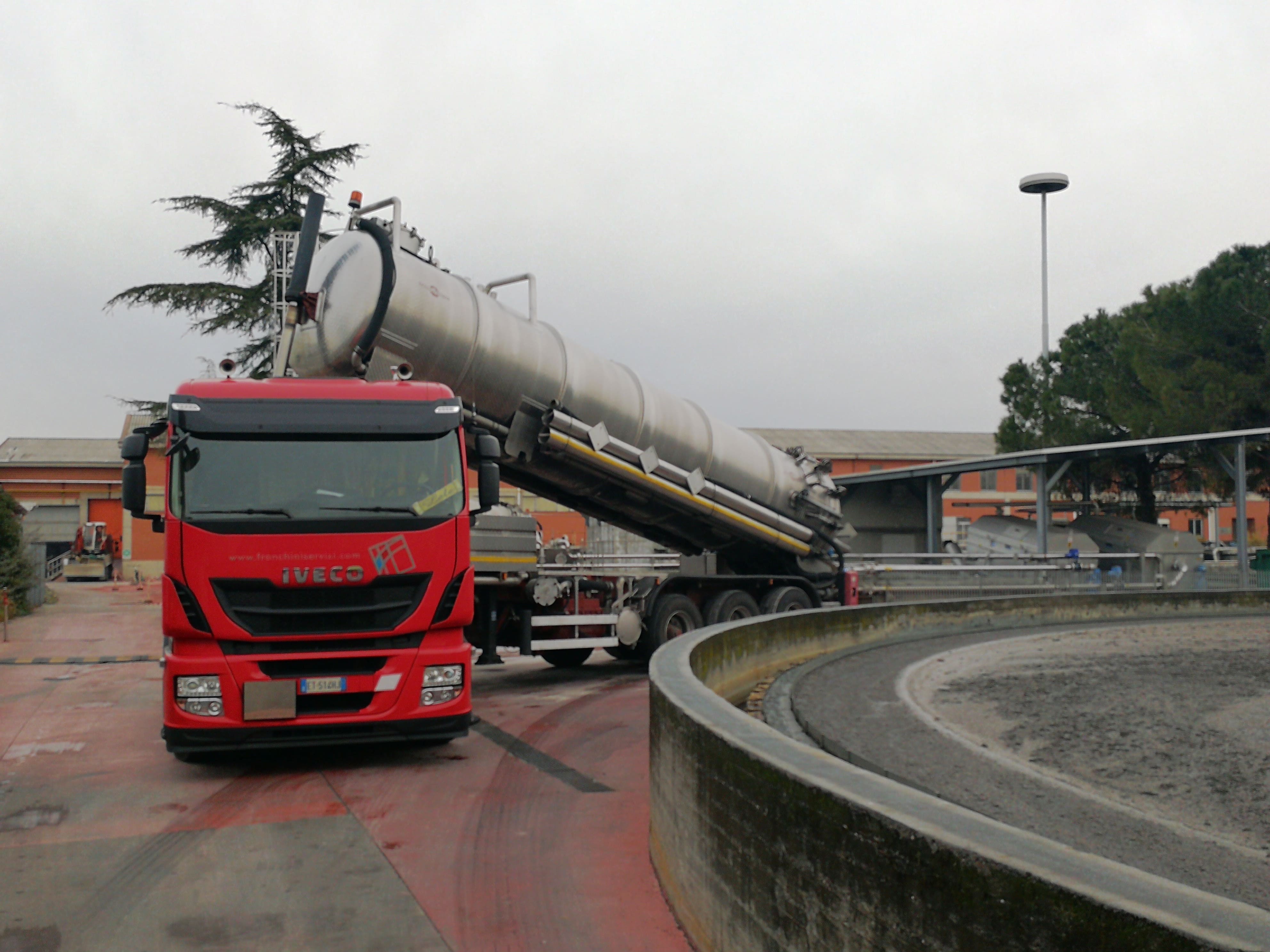
Liquid Waste Disposal: Collection, Transport and Legal Requirements for Businesses
Liquid waste disposal is a fundamental activity for all companies that generate liquid waste from production processes, maintenance operations or plant management. Besides being a legal obligation under environmental regulations, proper waste management helps reduce contamination risks, avoid penalties and ensure business continuity.