Nitrogen leak testing is one of the safest and most effective methods for checking the integrity of tanks and pipelines without invasive work or demolition. This type of inspection is widely used in industrial, energy and plant engineering sectors to detect leaks, anomalies or pressure drops that could compromise safety, operational continuity and regulatory compliance.
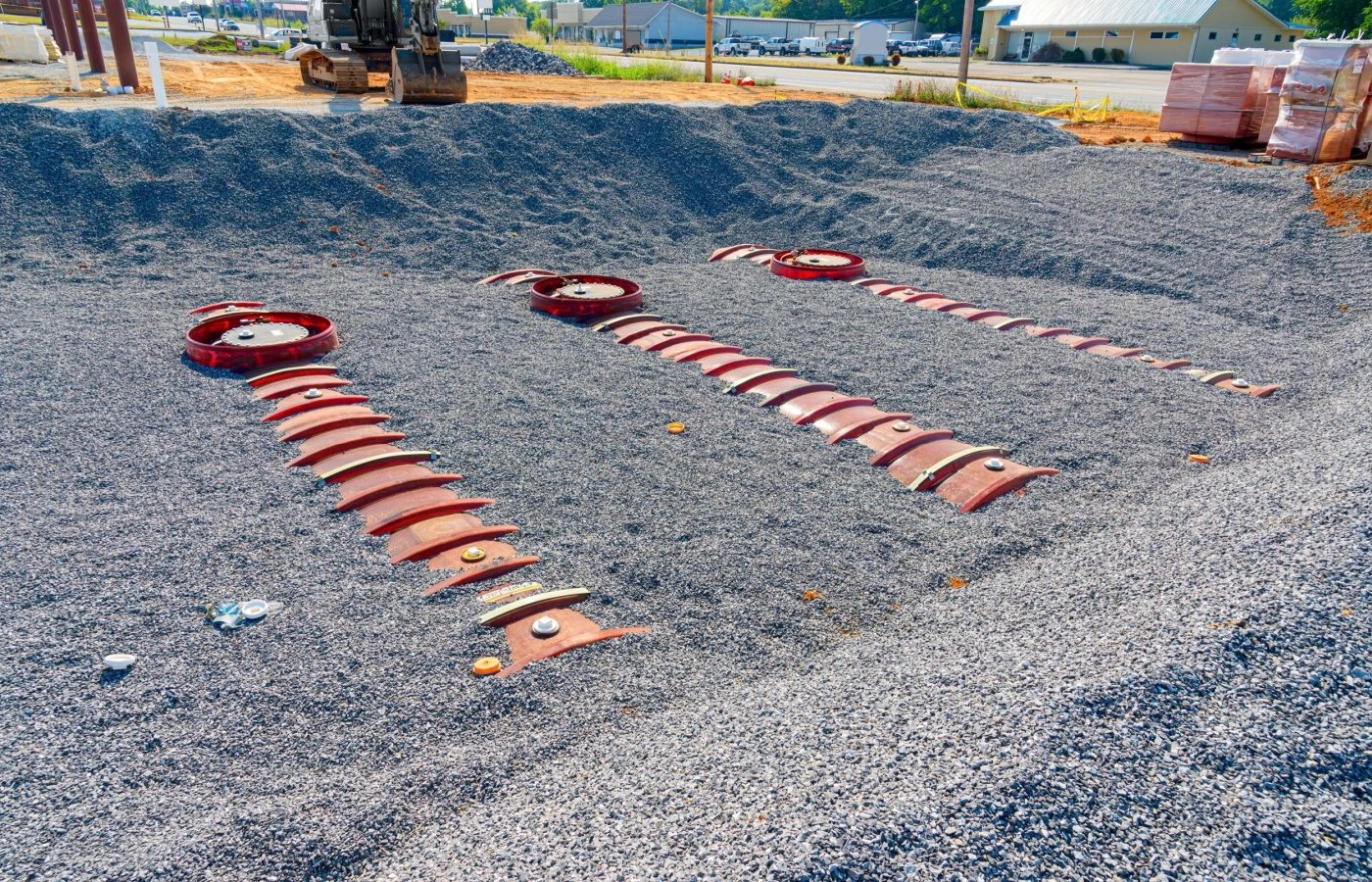
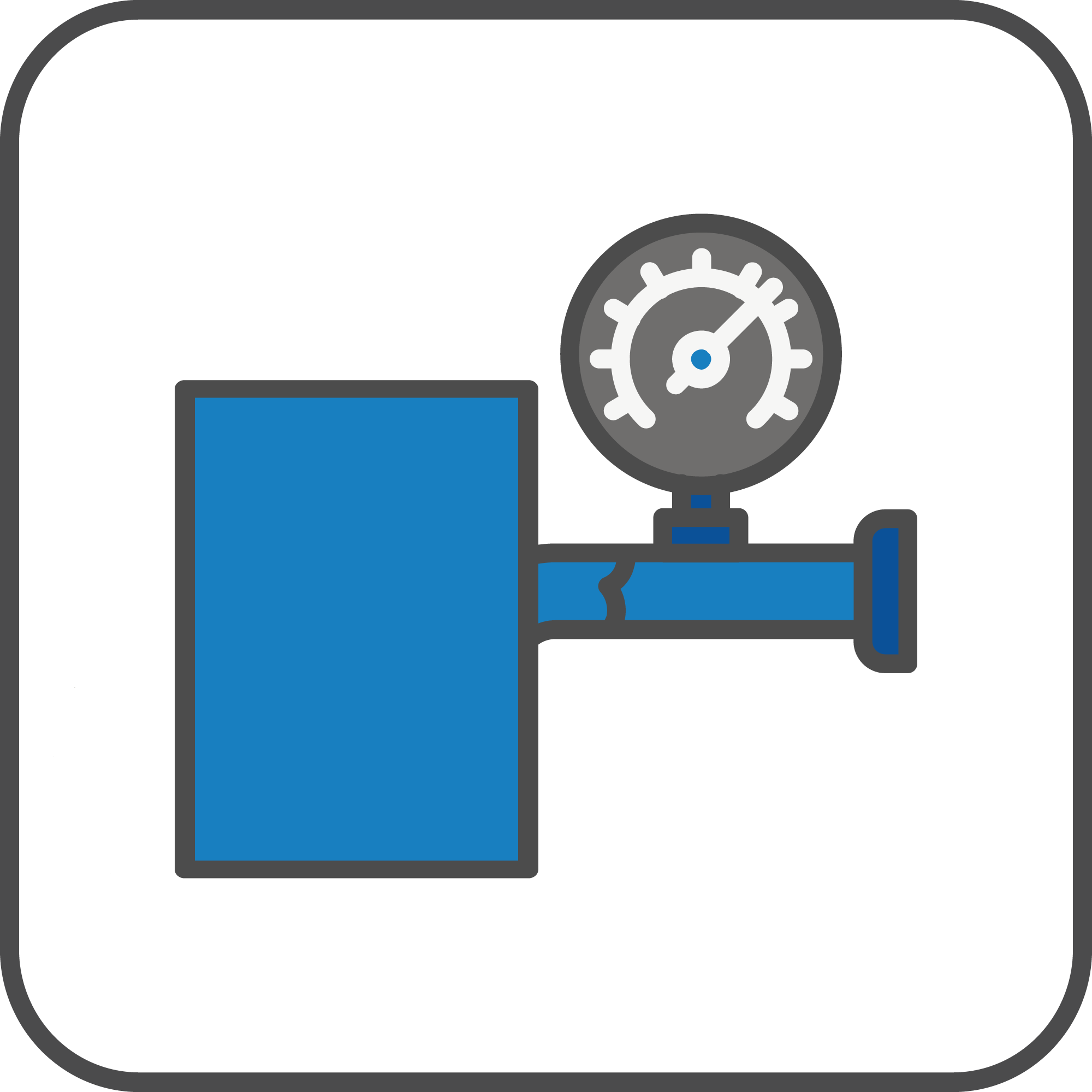
Nitrogen leak tests consist of introducing nitrogen into tanks, pipelines or systems to verify that pressure remains stable over time. Any variation may indicate the presence of leaks or structural defects.
This method is used because nitrogen:
These tests can be performed on both new installations and existing structures requiring maintenance or periodic inspection.
For tanks, the inspection is carried out by introducing nitrogen into the chamber or compartment to be tested. Once the required pressure is reached, the system is monitored to identify any pressure variations.
The main operational phases include:
If the pressure remains stable for the time established by the procedure, the tank is considered intact and compliant.
Pipeline leak tests make it possible to assess the condition of liquid or gas transport networks without excavation or complex disassembly. This type of inspection is particularly important for industrial plants, underground networks and infrastructures subject to wear over time.
These inspections allow companies to:
An undetected leak can compromise safety, operational efficiency and environmental compliance.
One of the main advantages of nitrogen leak testing is the possibility of performing inspections without invasive work on the system. Unlike traditional methods, there is no need for demolition, complete emptying or highly disruptive operations.
This approach allows companies to:
This method is therefore ideal wherever operational continuity is a critical factor.
Leak tests are not only used to identify leaks but also to assess the actual condition of the system and determine the most appropriate corrective action.
A local repair is generally suitable when:
A more extensive intervention is required when:
Proper diagnosis helps avoid both inadequate repairs and unnecessary expenses.
Nitrogen leak testing is applied in many industrial and plant engineering sectors.
The main applications include:
Every inspection is performed according to specific technical procedures and applicable regulations.
Nitrogen tank leak tests and pipeline inspections are essential tools for ensuring plant safety, reliability and operational continuity. Detecting leaks at an early stage helps reduce environmental risks, prevent unexpected failures and plan targeted maintenance before issues become critical.
Franchini Servizi Ecologici performs leak tests on tanks and pipelines using certified equipment and specialized technicians, providing accurate, non-invasive inspections compliant with technical and environmental regulations.
They are technical inspections that use pressurized nitrogen to verify the integrity of tanks and pipelines by identifying possible leaks through pressure monitoring.
Nitrogen is an inert and non-flammable gas that enables safe and accurate testing without contaminating the systems.
No. This is a non-invasive method that allows tanks and pipelines to be inspected without demolition or excavation.