Sewage sludge treatment and its subsequent disposal are among the most critical and expensive stages in the management of civil and industrial plants. The presence of water, sand and solid fractions results in high volumes, directly affecting transportation and final disposal costs.
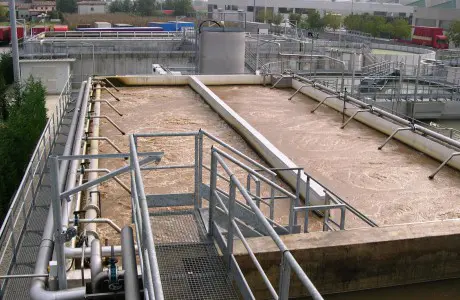
The treatment of sewage sludge includes all the operations required to transform residues generated by wastewater treatment processes into more stable and manageable materials. Sludge is composed of water, organic substances, suspended solids and impurities that must be separated and treated before final disposal.
The main objectives of sludge treatment are:
An effective treatment process is therefore essential to optimize the entire management chain and reduce operating expenses.
Sand removal is a key preliminary stage in sludge treatment. It consists of separating heavier inert particles, such as sand, gravel and mineral materials, which unnecessarily increase the amount of material that needs to be managed.
Through this process it is possible to:
Sand removal makes it possible to reduce volumes from the initial stages of the process, improving overall plant performance.
Sewage sludge management follows a technical process composed of several stages, each of which directly affects final volumes and management costs.
The typical process includes:
Proper flow management makes it possible to optimize every phase and progressively reduce volumes and related costs.
Sludge disposal is often one of the most significant costs for wastewater treatment plants, mainly due to the high water content that increases the weight and volume of the material.
Reducing sludge volumes means:
For this reason, reducing water content is one of the main goals of sludge treatment.
Sludge treatment and disposal are governed by environmental regulations that establish specific requirements regarding waste classification, traceability, transportation and delivery to authorized treatment facilities.
Compliance with regulations allows companies to:
Sewage sludge treatment, sand removal and final disposal require technical expertise, advanced technologies and integrated management of the entire process. Acting from the earliest stages allows companies to reduce volumes, contain costs and improve operational efficiency.
Franchini Servizi Ecologici supports civil and industrial plants with specialized sludge management services, from sand removal to treatment and disposal, ensuring regulatory compliance, efficiency and operational continuity.
It is the set of processes used to reduce the water content and volume of sludge, making it more stable, manageable and suitable for disposal or recovery.
Sand removal eliminates sand and inert materials that unnecessarily increase sludge volume, improving the efficiency of subsequent treatment stages.
Reducing sludge volume lowers transportation, storage and disposal costs, improving the overall economic efficiency of the process.
Sludge is transported to authorized facilities where it undergoes the necessary treatments or, when possible, is sent for recovery according to applicable regulations.
Yes, sludge management is regulated by environmental laws that define classification, traceability, transport and disposal requirements to ensure safety and environmental protection.