Sludge degritting
Mechanical separation of solid pollutants such as sand, silt, clay or organic substances
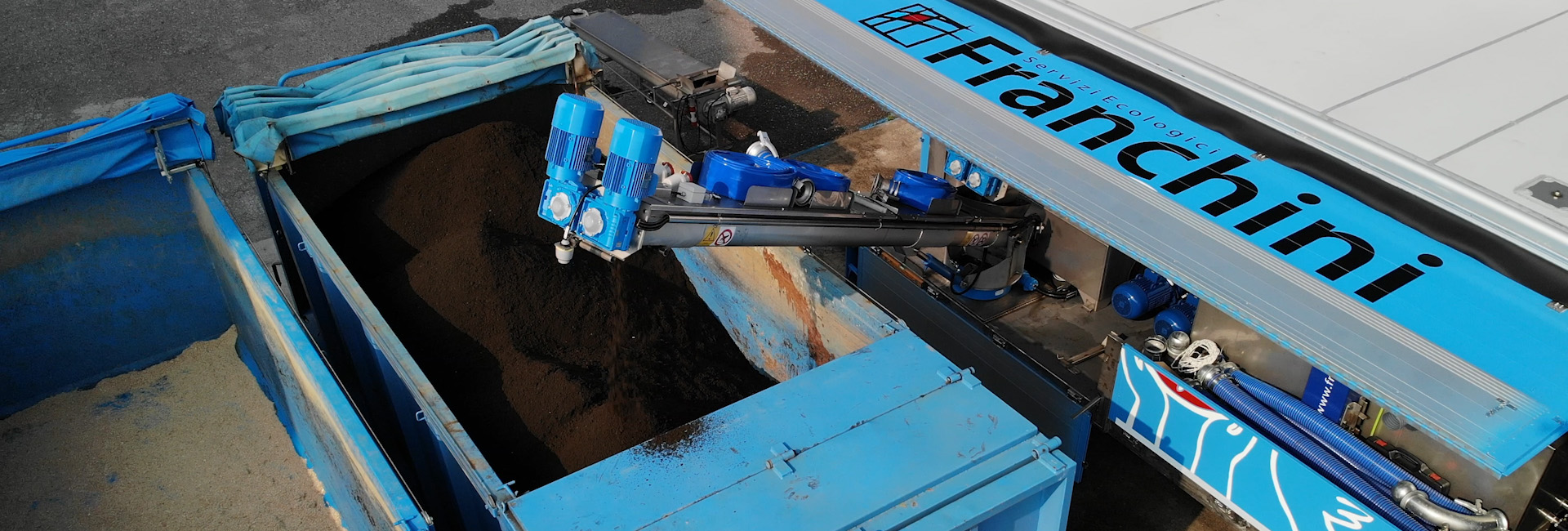
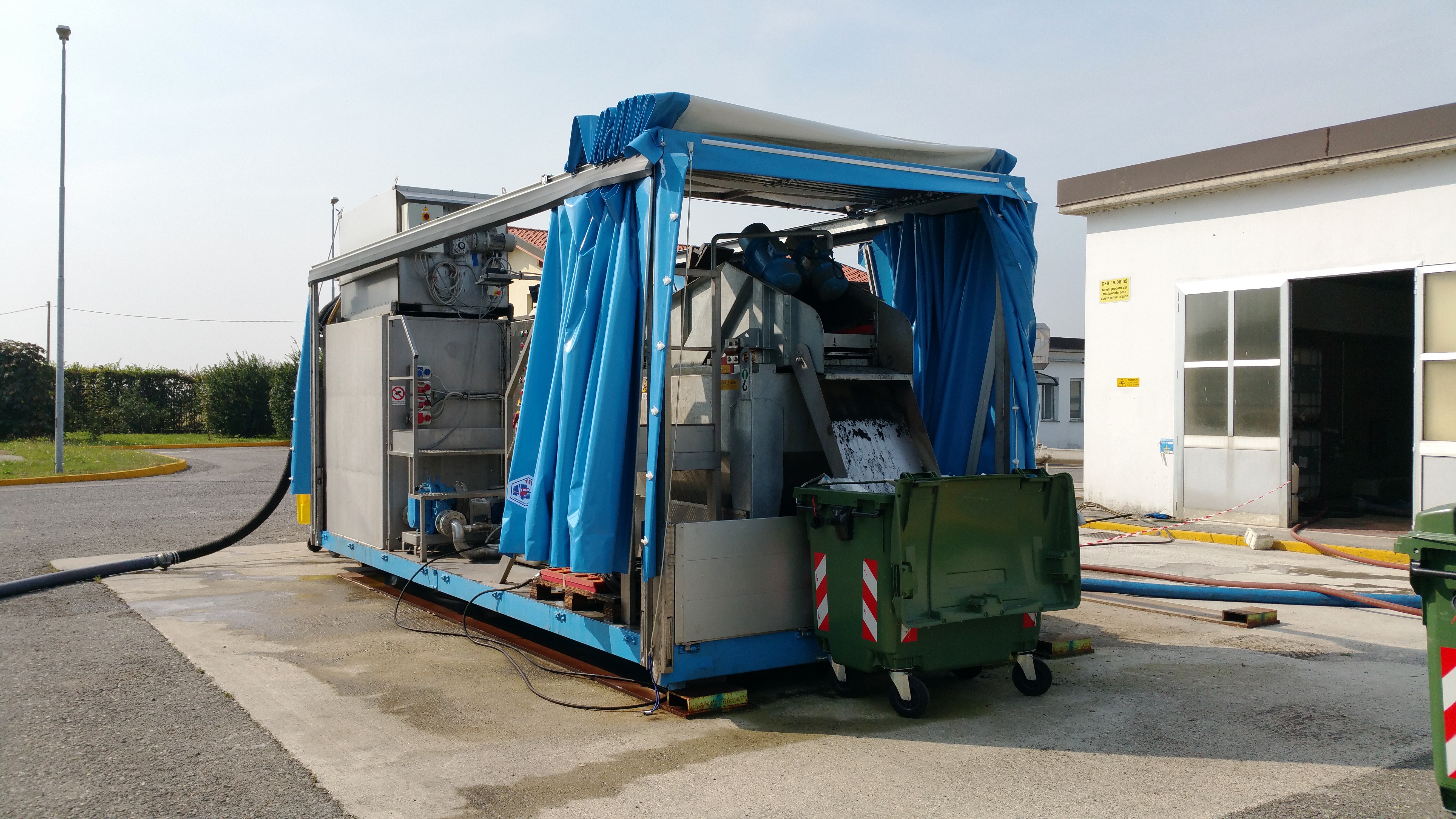
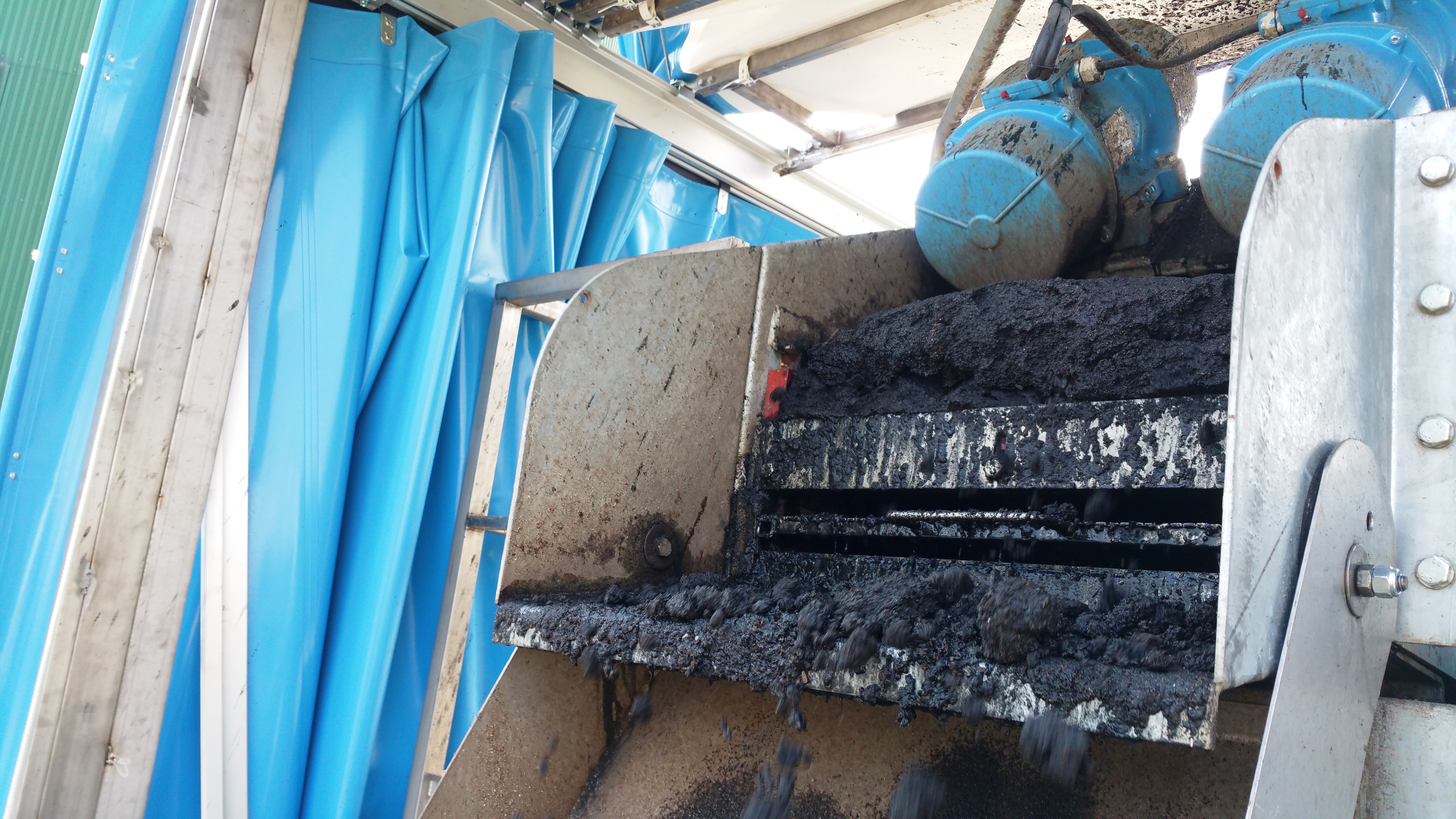
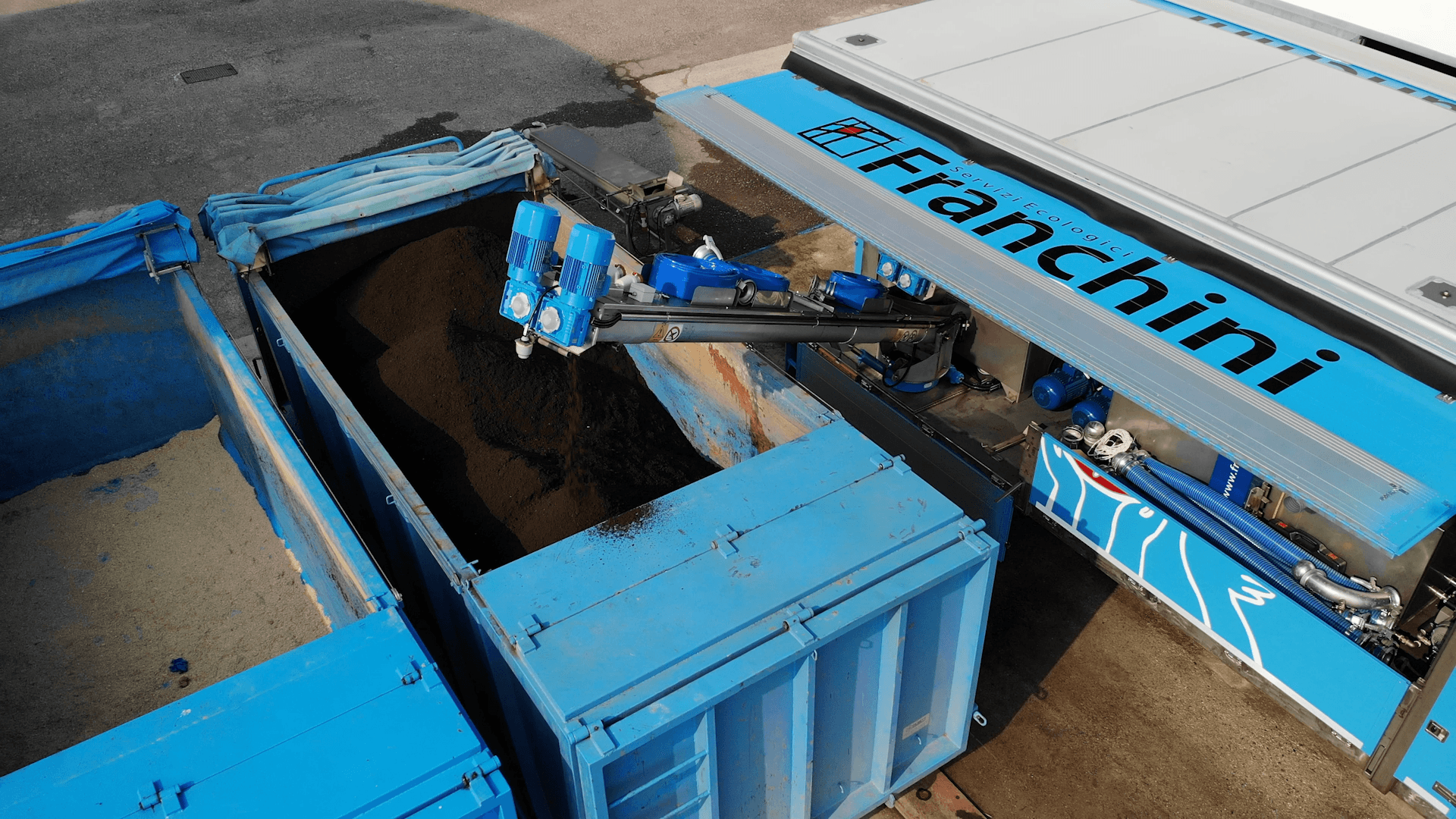
Sludge desanding is an activity aimed at effectively removing sand and inert solids, normally heavier than organic matter, present in sewage sludge and sludge at the bottom of structures.
This is a safety intervention for equipment: the sand and inert materials present could cause damage to the mechanical equipment used in the subsequent water treatment phases.
Franchini Servizi Ecologici is the only company in Italy capable of carrying out this process to remove particles up to 40 microns in size from the sludge using mobile systems.
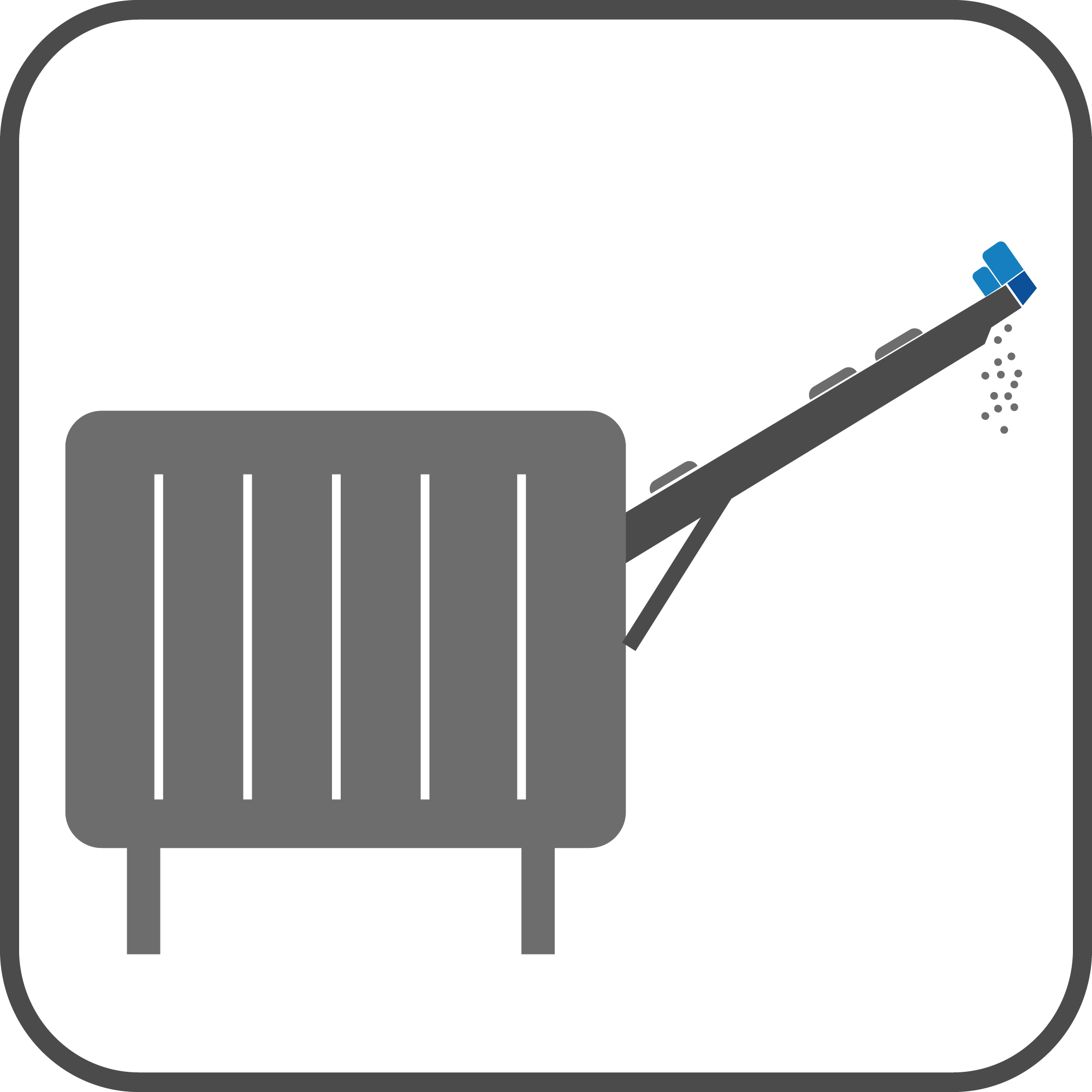
The extracted sand undergoes washing and dehydration operations before being sent to landfill and/or reuse before being deposited in a special container.
- Sludge desanding can be used and particularly recommended during maintenance of technical components in wastewater treatment plants.
- Sludge desanding is particularly suitable for classifying the sludge present in anaerobic digesters, tanks, and purification compartments.
- Sludge desanding allows for the correct separation of the various phases directly on site, thus reducing waste disposal management costs.
 Sludge desanding
  Sludge desanding
 Related Econews
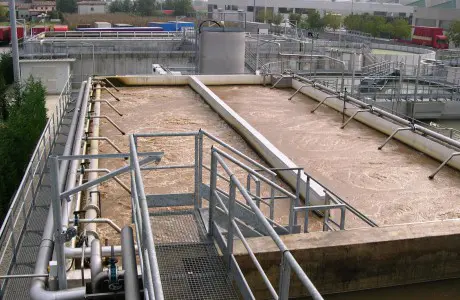
Sewage Sludge Treatment and Disposal: Sand Removal, Regulations and Management Processes
Sewage sludge treatment and its subsequent disposal are among the most critical and expensive stages in the management of civil and industrial plants. The presence of water, sand and solid fractions results in high volumes, directly affecting transportation and final disposal costs.
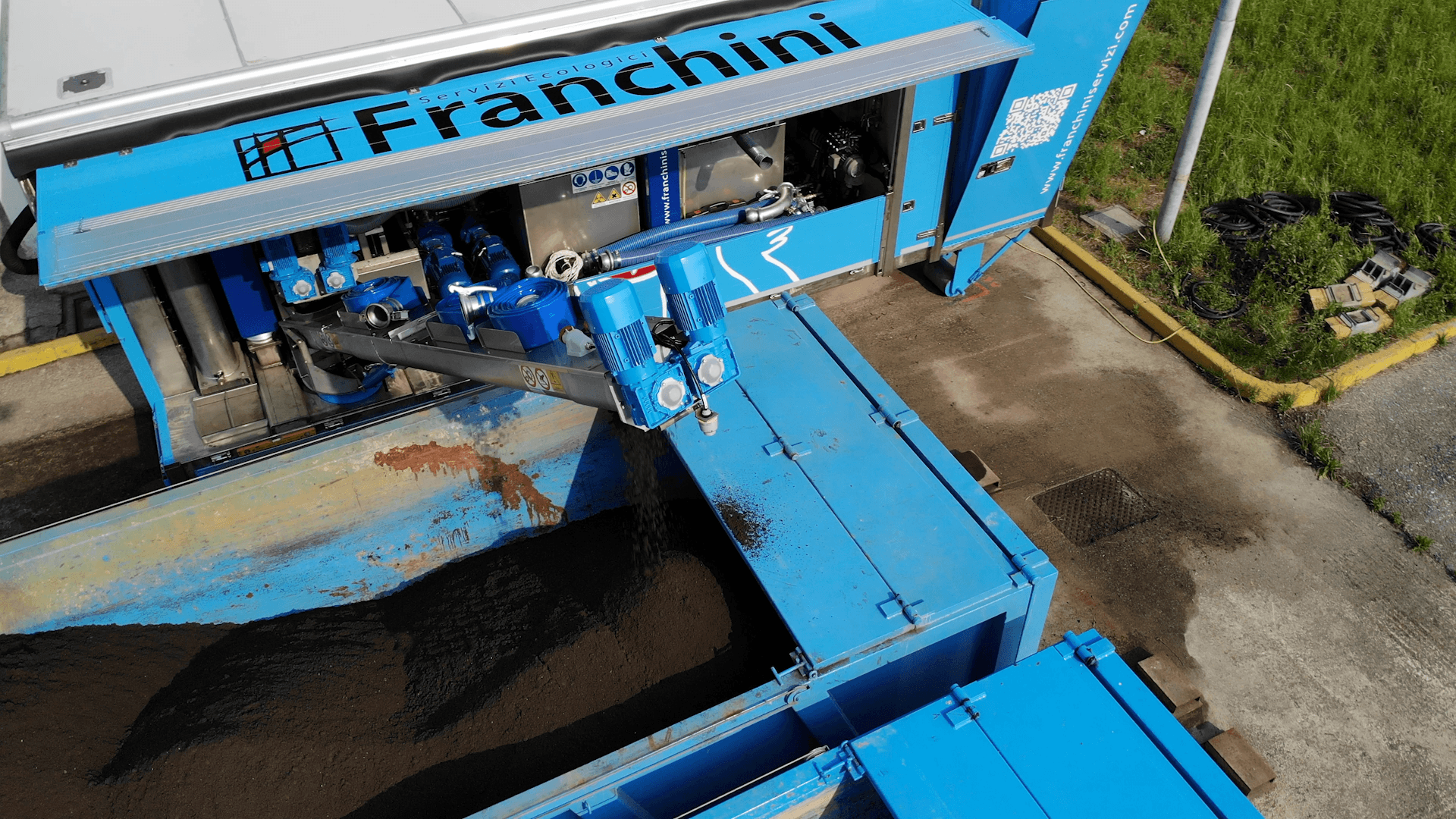
Sludge Centrifuge Rental: When It Is Better Than a Fixed System
Industrial sludge management and wastewater treatment processes often require flexible solutions, especially when sludge volumes vary over time or when installing a fixed system is not economically justified. In this context, sludge centrifuge rental represents a strategic solution to ensure operational continuity, reduce initial investment costs, and optimize treatment performance.
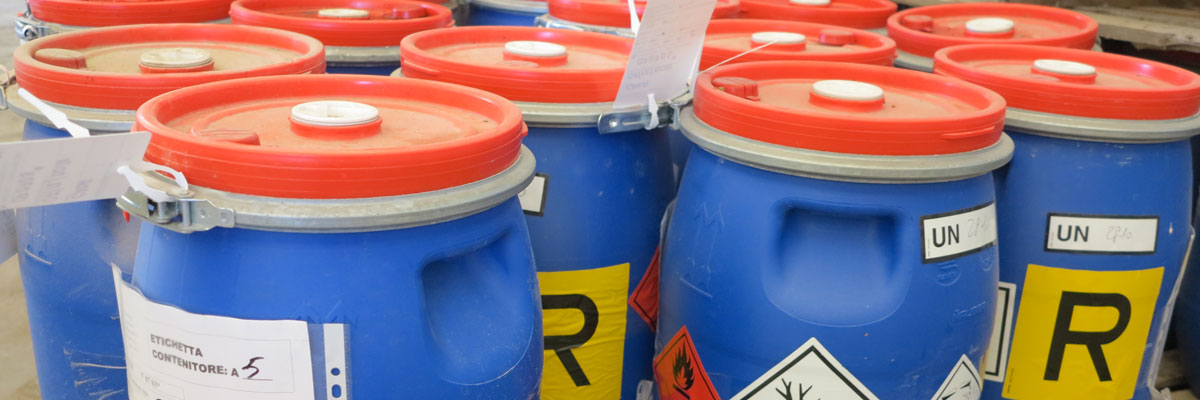
CER Codes Guide: How to Properly Classify Special Waste
Correct classification of special waste is a fundamental step for any company that produces, manages, or disposes of waste. CER codes (European Waste Catalogue), now more accurately referred to as EER codes (European Waste List), are the main tool used to identify the type of waste and ensure compliant management.
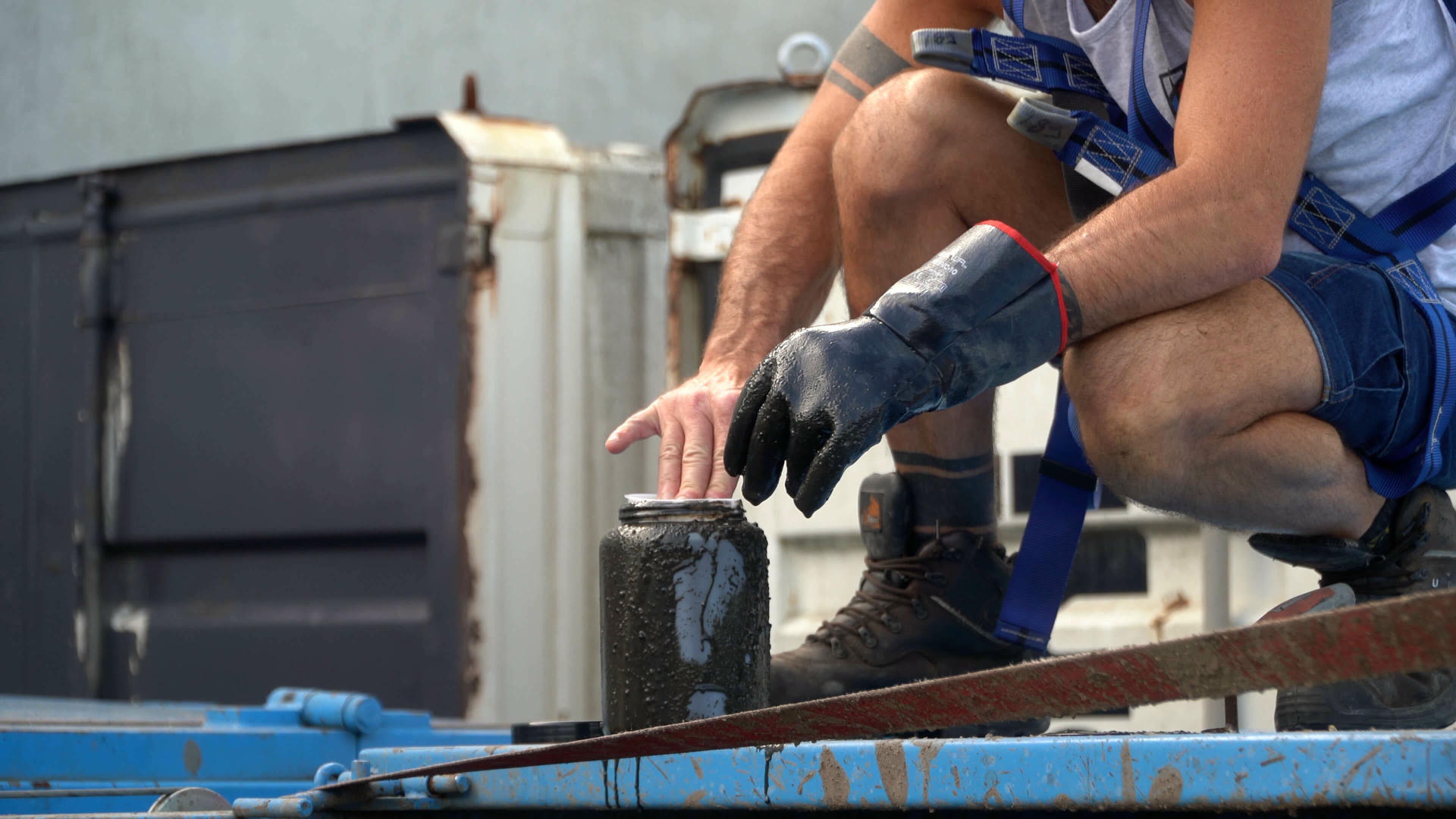
Process Laboratory Analysis: Monitoring Industrial Sludge and Wastewater
Laboratory process analysis is an activity that provides companies with an essential tool for the correct management of industrial sludge and wastewater. Through samples taken directly from plants, it is possible to monitor effluent quality, identify potential critical issues, and intervene before they develop into serious operational or environmental problems.
Dewatering sludge: how to reduce costs with mobile plants
Sludge management is one of the main costs for companies and treatment plants. In this context, mobile sludge treatment plants allow on-site operations, reducing disposal volumes. Dewatering separates liquid from solid components, making sludge more compact and cost-effective to handle.

Process Analysis Laboratory: Monitoring Industrial Sludge and Wastewater
Process analysis in the laboratory is a fundamental tool for companies managing industrial sludge and wastewater. By collecting samples directly from the plants, it is possible to monitor effluent quality, identify potential critical issues, and intervene before they turn into operational or environmental problems.

Sludge centrifuge and dewatering: technologies to reduce volume and disposal costs
The management of sludge produced by wastewater treatment plants represents one of the most significant operational cost and logistics challenges. Due to their high water content, sludge volumes can become considerable, directly impacting transport, storage, and final disposal activities.