Sewer network cleaning and drain cleaning operations are essential to prevent sudden blockages, flooding, and damage to domestic or industrial systems. In most cases, these issues do not occur unexpectedly: the drainage system gradually shows warning signs that indicate a developing obstruction, and recognizing them early allows intervention before the situation turns into an emergency.
A sewer system that is starting to clog does not stop working immediately, but gradually shows symptoms that can be identified in advance. Recognizing these warning signs makes it possible to intervene before a complete blockage occurs, reducing the risk of emergencies and system damage.
| Sign | What it indicates | Urgency level |
| Slow drains | Initial buildup inside the pipes | Medium |
| Persistent bad odors | Accumulation of organic waste or stagnant water | Medium-High |
| Gurgling noises in drains | Trapped air or partial obstructions | High |
| Water stagnation in manholes | Significant reduction in flow capacity | High |
| Backflow or wastewater return | Advanced obstruction or near-complete blockage | Very high (emergency) |
When these signs appear, especially together, it is highly likely that the sewer network is already in a critical condition and requires prompt drain cleaning intervention to restore proper functionality.
Blockages in sewer systems are rarely random. In most cases, they are caused by everyday habits or insufficient maintenance over time. Whether in domestic, industrial, or condominium environments, the causes are often recurring.
The most common include:
These materials gradually reduce the effective diameter of the pipes until the flow becomes completely blocked.
Acting quickly with a professional drain cleaning service is essential to avoid more serious and expensive damage. It is not necessary to wait for a total blockage: in many cases, the first warning signs are already enough to require intervention.
A cleaning operation is recommended when:
In these situations, sewer network cleaning restores proper flow before a complete system failure occurs.
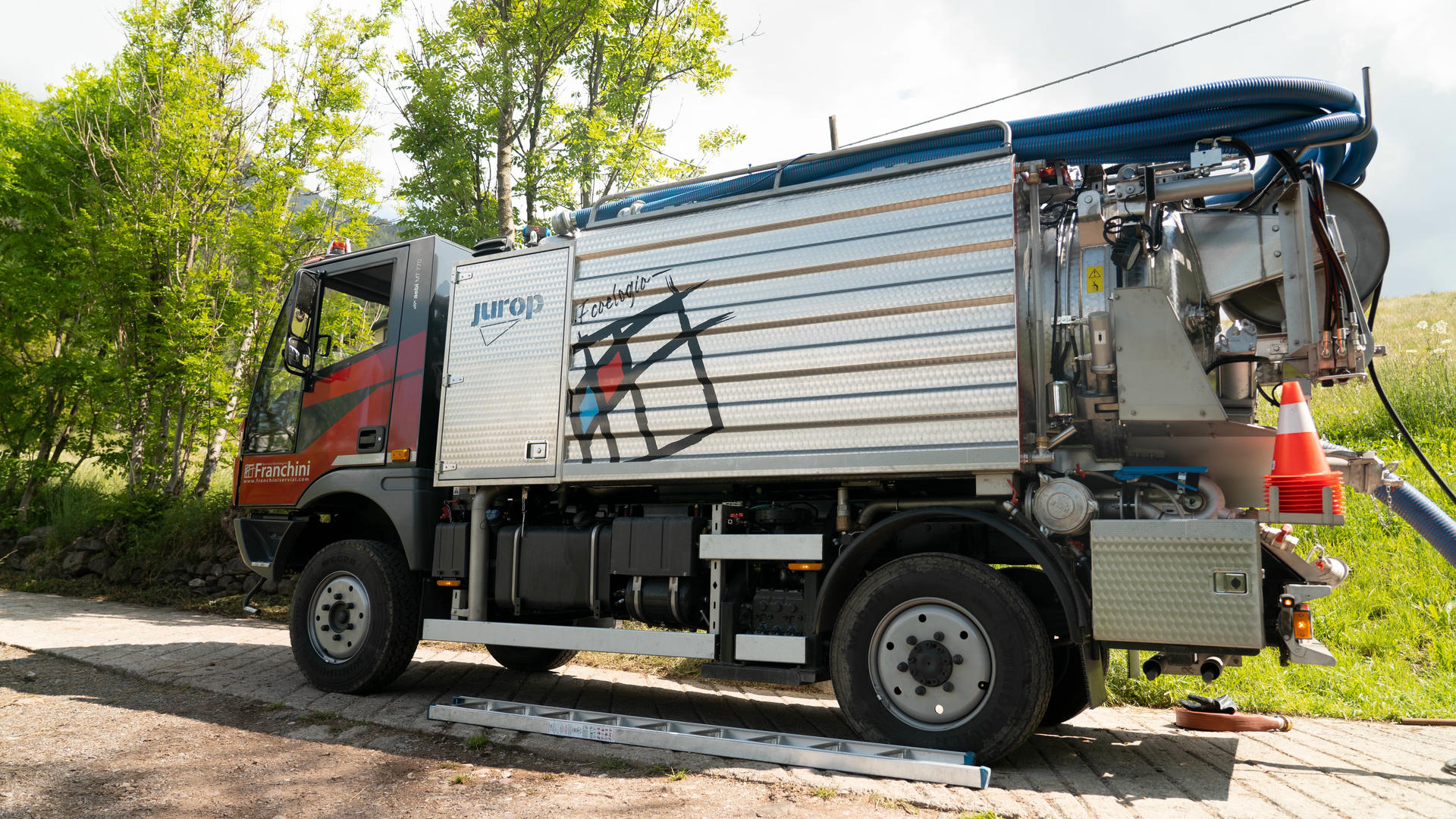
Cleaning and drain clearing operations are performed using specialized equipment capable of removing even the most resistant buildup inside the pipelines.
The process generally includes:
This type of intervention not only solves the immediate issue but also restores the full efficiency of the sewer system.
Prevention is the most effective strategy to avoid urgent and costly interventions. A properly maintained sewer network operates more reliably over time and significantly reduces the risk of sudden blockages.
Good practices include:
Planned maintenance allows problems to be solved before they become critical.
A professional drain cleaning service does not simply remove the blockage but works on the entire system to ensure long-term efficiency and reliability. The difference between an improvised intervention and a specialized one is particularly evident in the durability of the results and the prevention of future issues.
Franchini Servizi Ecologici operates with specialized equipment and qualified personnel for sewer network cleaning and drain cleaning services, guaranteeing fast, effective, and targeted interventions in both residential and industrial environments.
The most common warning signs are slow drains, persistent bad odors, and unusual noises inside the pipes. If these symptoms appear in multiple parts of the system, it is very likely that a blockage is forming inside the sewer network. Acting quickly with professional cleaning prevents the issue from becoming more serious.
If the problem is ignored, the obstruction usually becomes worse until the flow is completely blocked. This can cause flooding, wastewater backflow, and damage to internal or external systems, resulting in significantly higher repair costs compared to timely intervention.
No. Sewer cleaning is also an important preventive maintenance activity designed to keep the system efficient over time. In many cases, scheduled maintenance drastically reduces the risk of unexpected blockages and emergency situations.
The duration depends on the extent of the blockage and the condition of the sewer network. Standard operations are usually quick and targeted, while more severe obstructions may require more extensive cleaning and inspection work to fully restore the system.
It is impossible to eliminate the risk entirely, but proper drain usage and regular maintenance significantly reduce the likelihood of severe blockages. Prevention remains the most effective strategy for avoiding emergencies, operational disruptions, and unexpected costs.