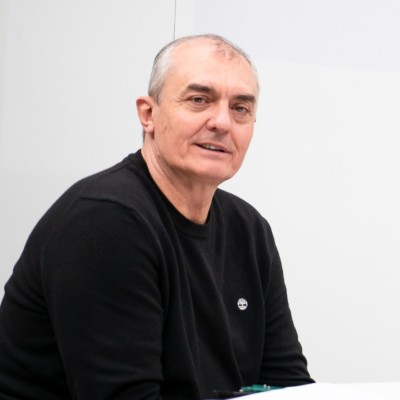
Co-owner of Franchini S.p.A., he earned his surveyor diploma at the Istituto Giacomo Quarenghi in Bergamo. He brings over forty years of experience within the company, having accompanied and contributed to its growth and development over time. As Commercial Manager, he oversees client relationships and supervises the preparation, review, and approval of quotes for all services provided.
With experience in the waste management sector, including transportation and disposal methods, he has deep expertise in interpreting EWC codes and managing operational activities. He is also actively involved in human resources, personally overseeing recruitment processes and contributing to the growth and strengthening of the company’s team.
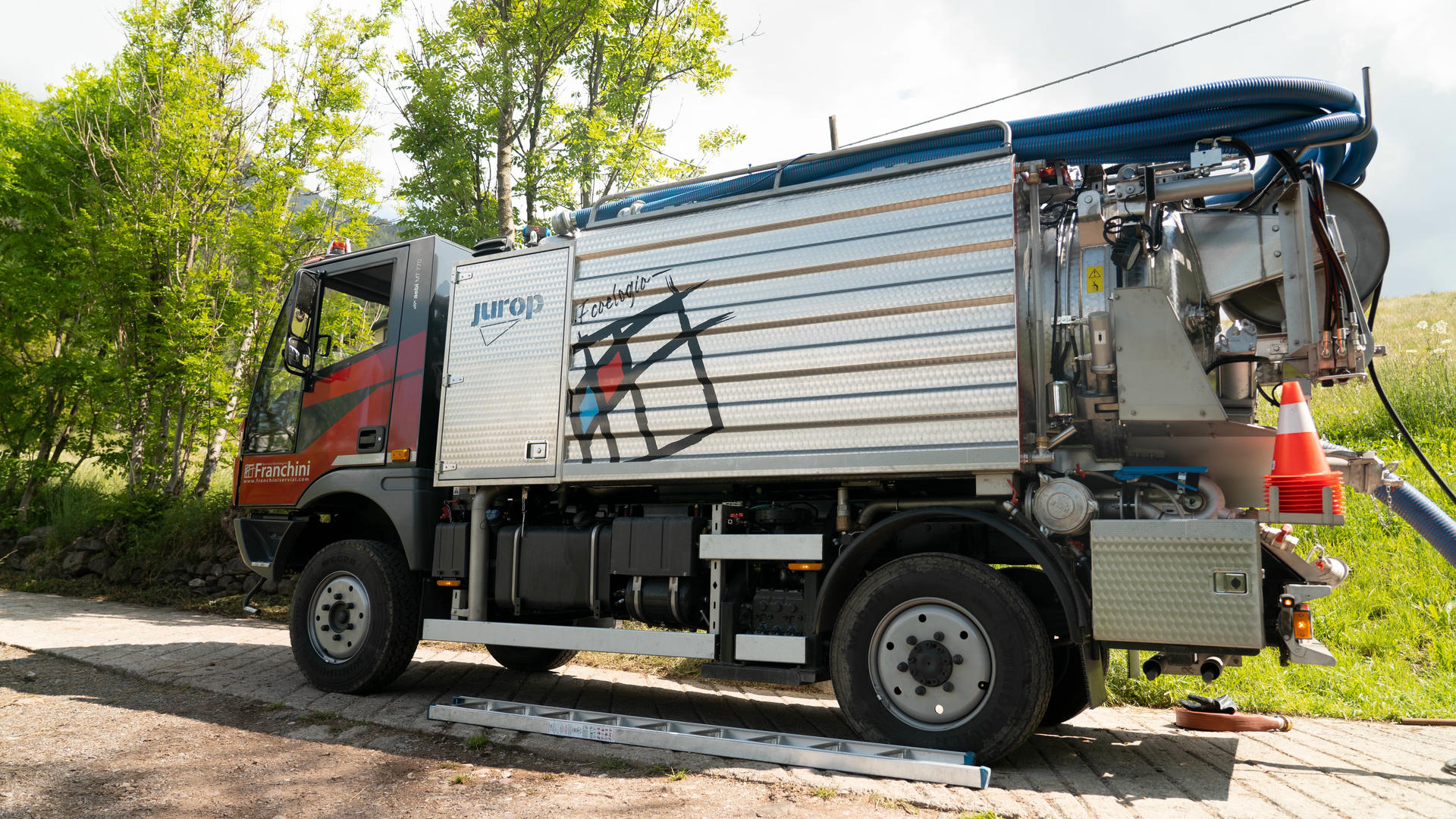
Sewer network cleaning and drain cleaning operations are essential to prevent sudden blockages, flooding, and damage to domestic or industrial systems. In most cases, these issues do not occur unexpectedly: the drainage system gradually shows warning signs that indicate a developing obstruction, and recognizing them early allows intervention before the situation turns into an emergency.
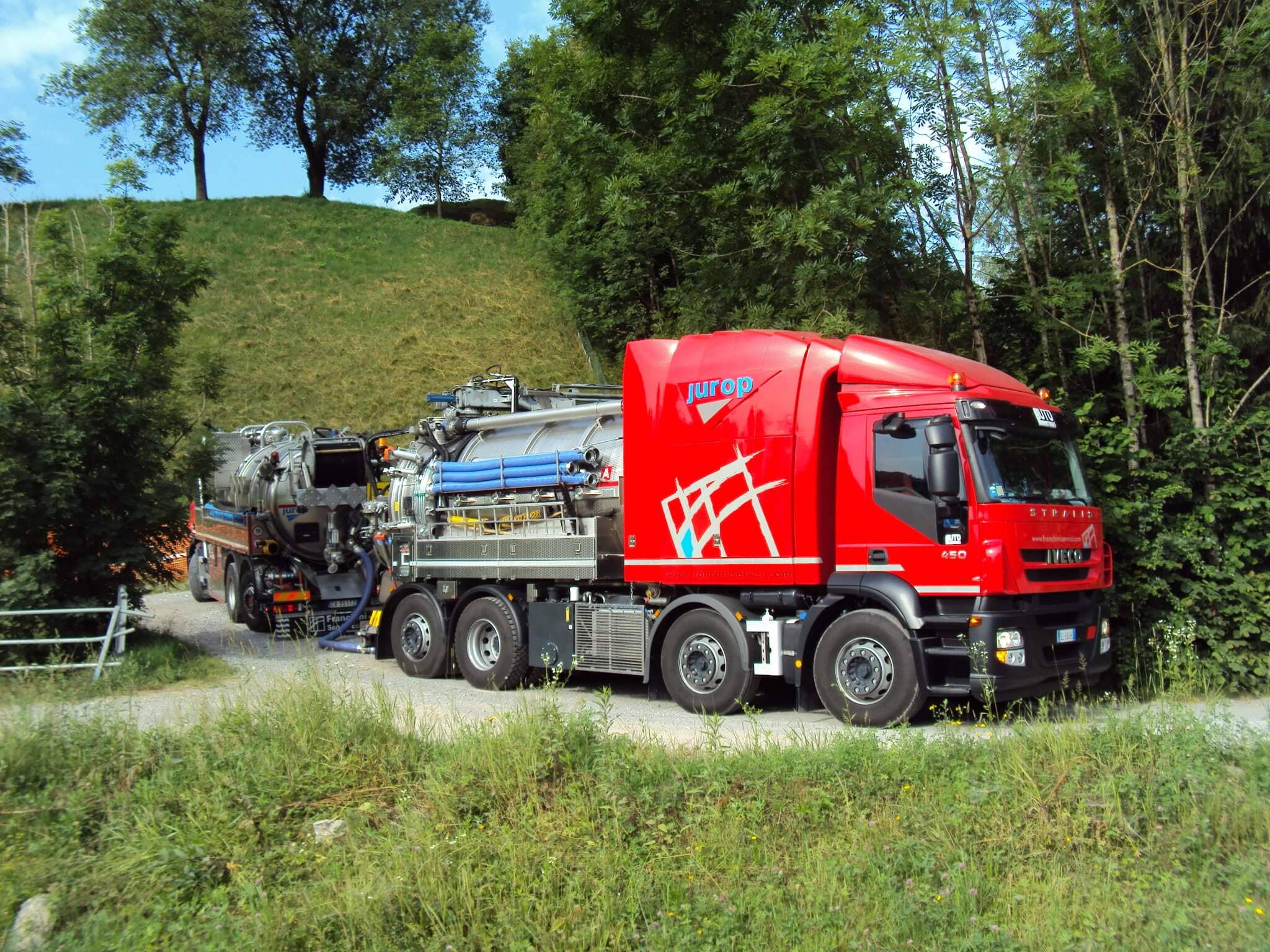
Liquid waste collection is the starting point of the entire process and plays a crucial role in determining its overall quality. Any mistake at this stage—such as cross-contamination or improper storage—can compromise all subsequent operations, with both operational and legal consequences.
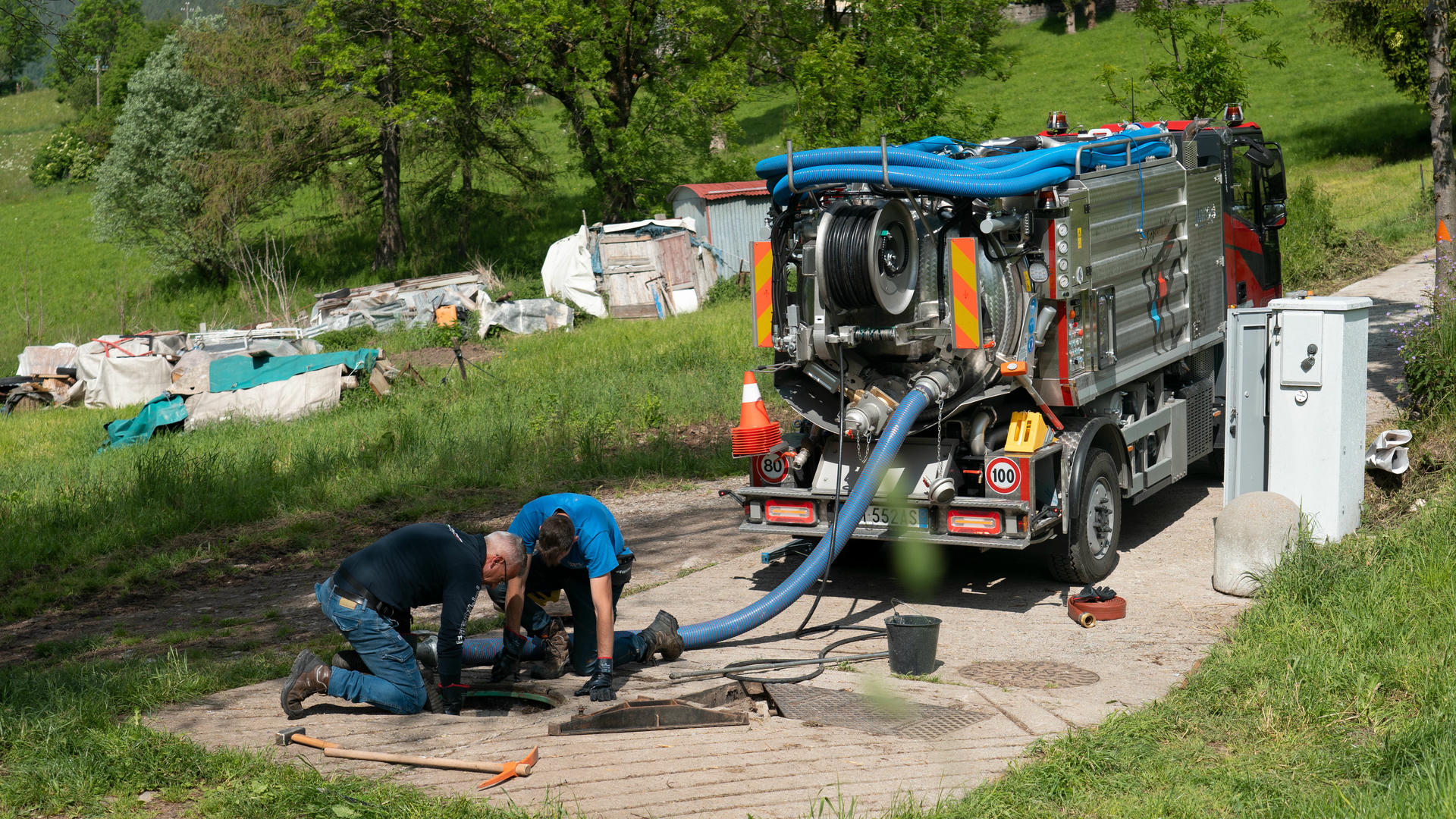
Sewer cleaning services are essential to ensure the proper functioning of domestic drainage systems and sewer networks. Over time, residues, grease, sand, and solid materials can accumulate inside pipes, causing blockages and slowing down water flow.
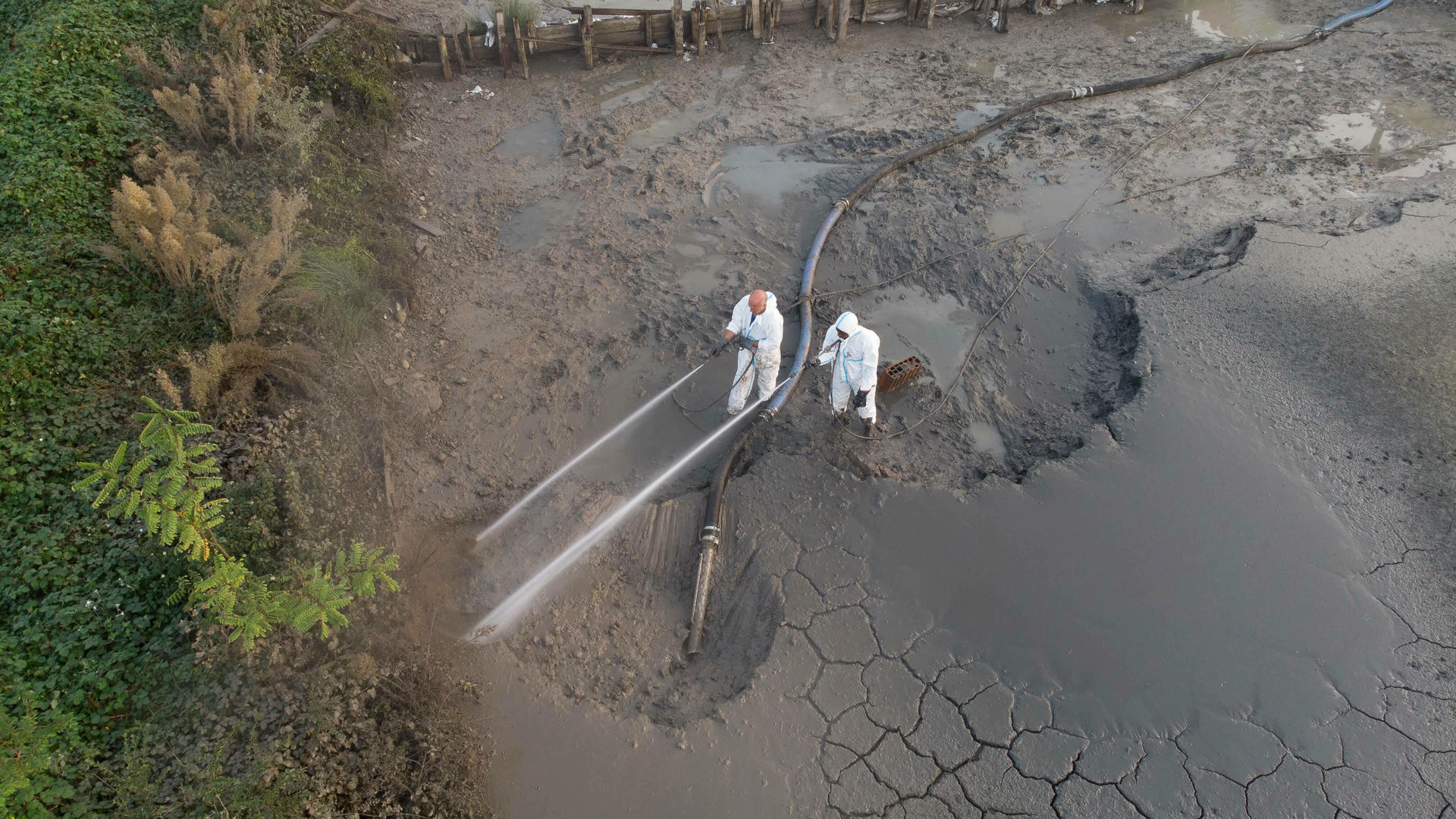
Industrial tank rehabilitation is a key activity to ensure the efficiency and safety of production and treatment systems. Over time, tanks may be affected by wear, corrosion, sediment buildup, or structural deterioration that compromise their functionality.
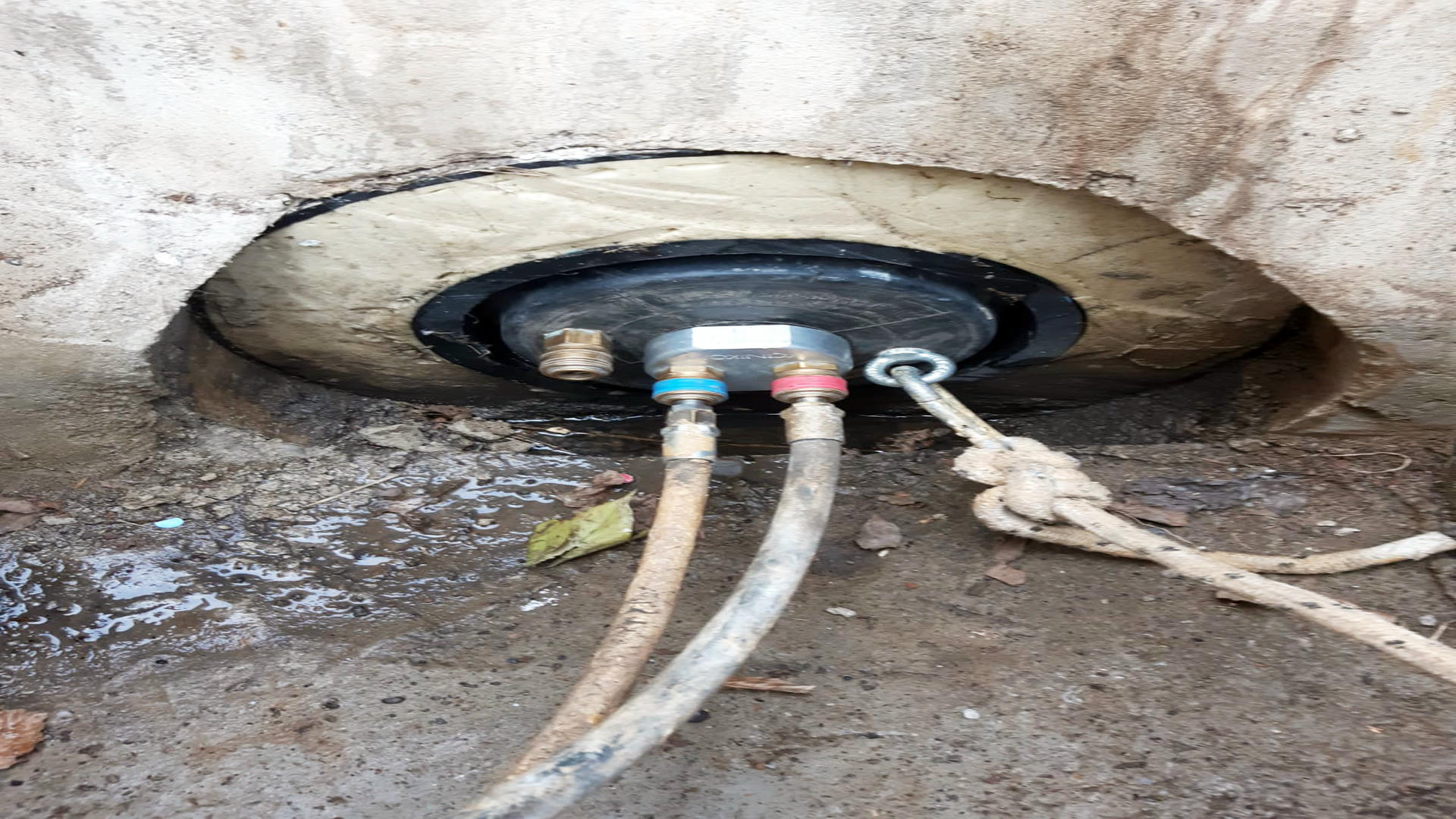
Nitrogen tank leak tests are a fundamental method used to verify the integrity of storage systems and prevent potential leaks. This type of inspection is especially important for double-chamber tanks, where even small, non-visible leaks can compromise the overall safety of the system. The use of nitrogen allows for precise, fast, and non-invasive verification.
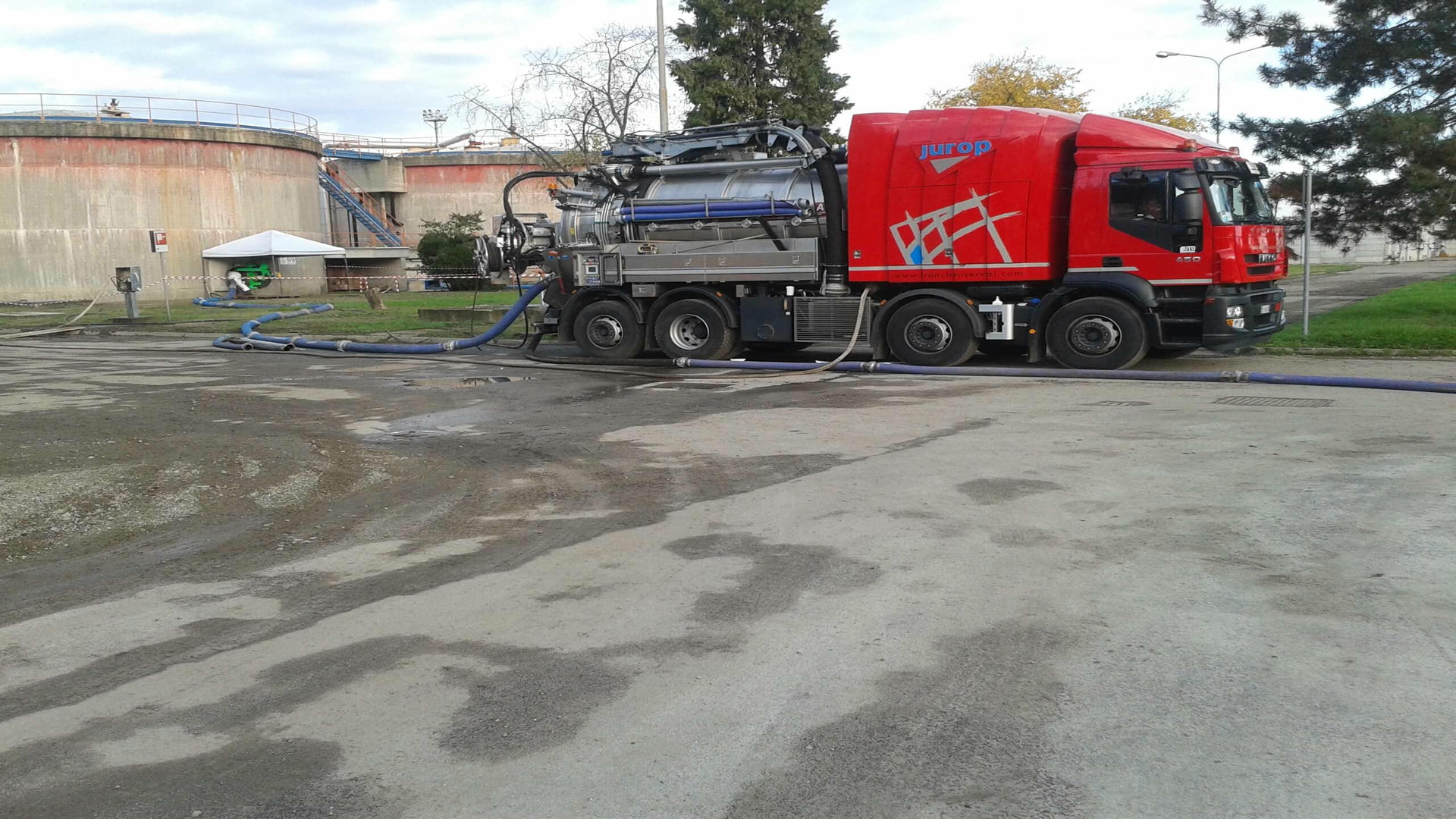
Road drain cleaning is an essential activity to ensure the proper functioning of urban sewer systems and prevent issues that could compromise public safety and traffic conditions. In urban environments, sewer networks are constantly exposed to the accumulation of debris, sand, sludge, and waste that, if not promptly removed, can cause blockages, flooding, and service disruptions.
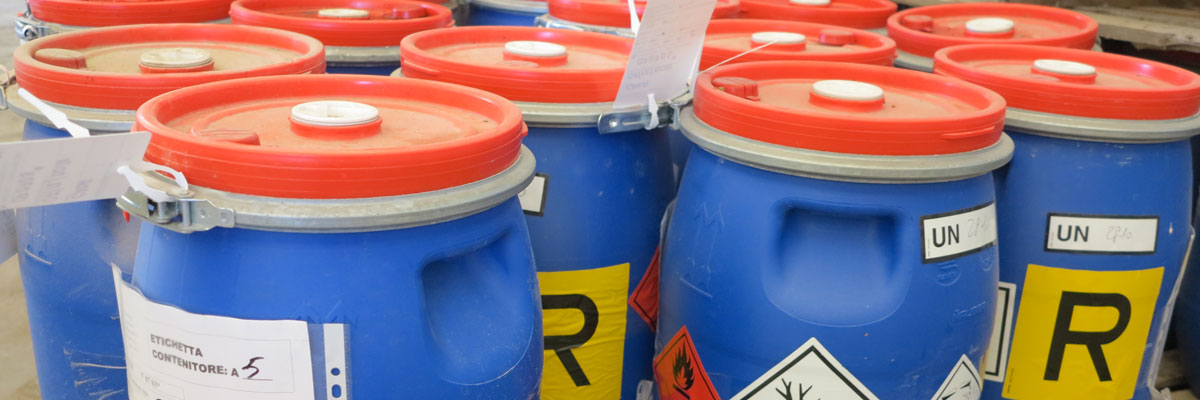
Correct classification of special waste is a fundamental step for any company that produces, manages, or disposes of waste. CER codes (European Waste Catalogue), now more accurately referred to as EER codes (European Waste List), are the main tool used to identify the type of waste and ensure compliant management.
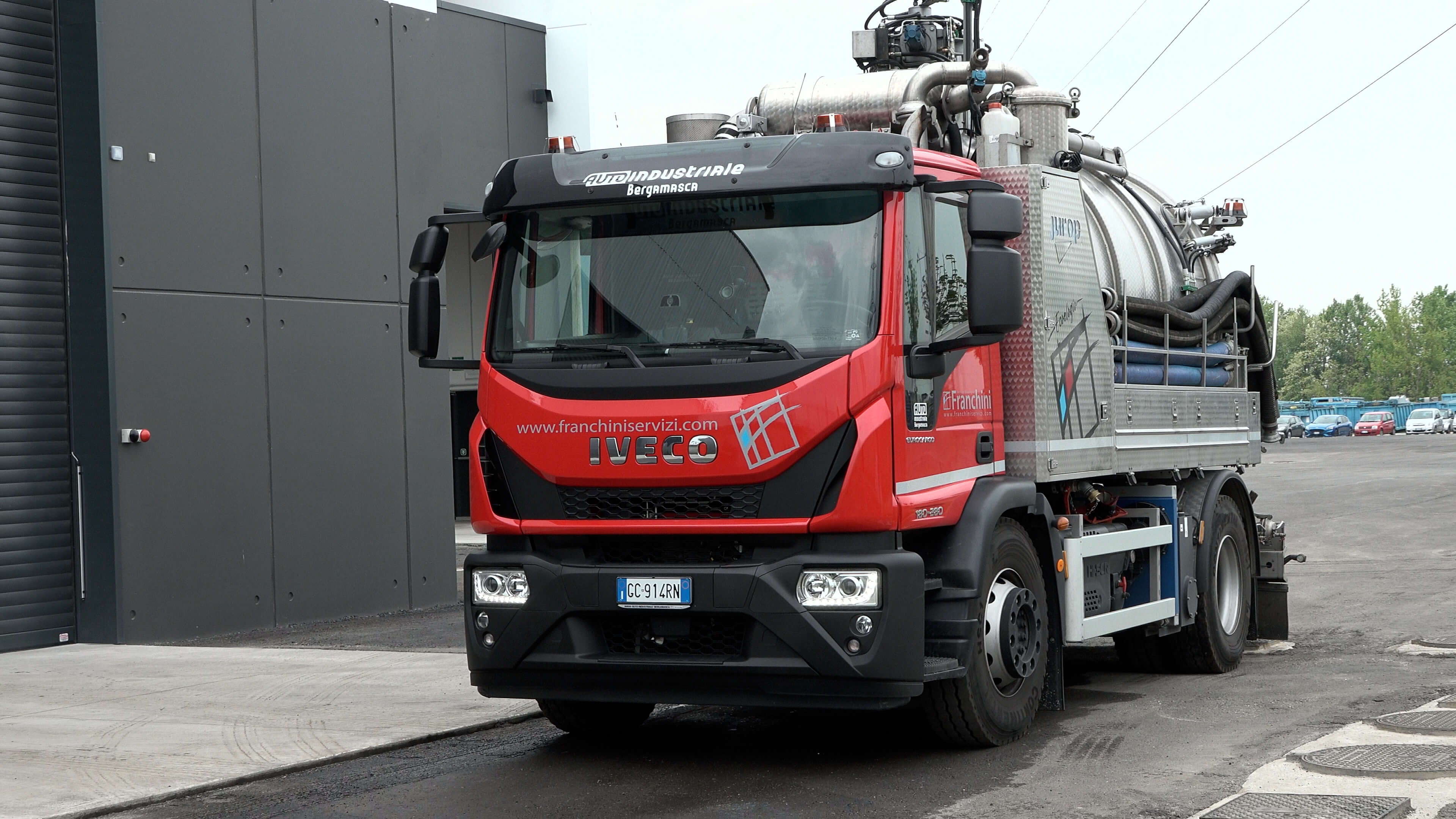
The management of liquid waste is a significant responsibility and a crucial step for any company. Every day, industrial and domestic effluents containing chemicals, used oils, or sludge are produced, which, if not properly treated, can contaminate the environment and lead to heavy penalties.
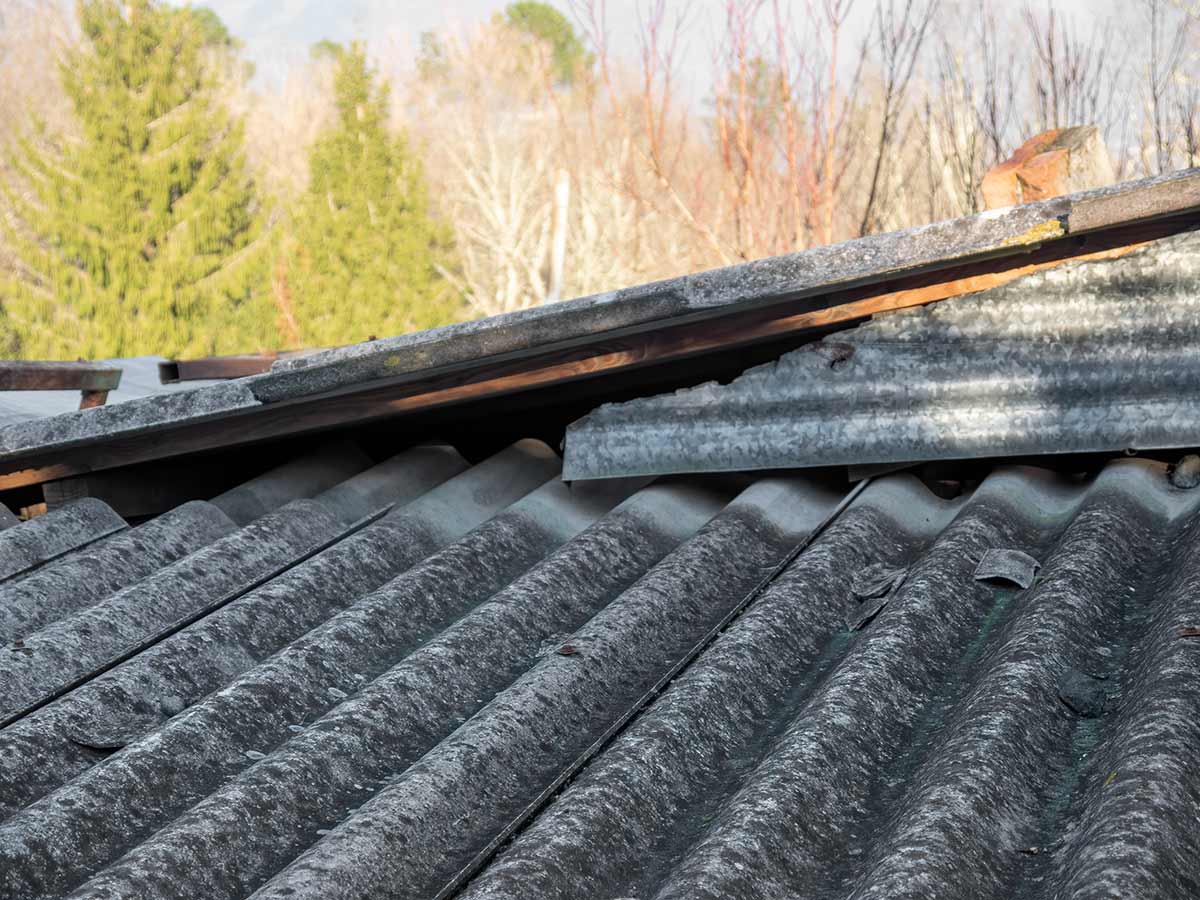
The disposal of asbestos and fiber cement is regulated by Legislative Decree 81/08 and Ministerial Decree 06/09/1994, which require removal to be carried out by companies registered with the National Environmental Managers Register. The procedure includes submitting a work plan to the ATS 30 days in advance, encapsulating the fibers, transport using FIR documentation, and disposal in authorized landfills.