Sewer network maintenance and cleaning is a fundamental activity to ensure the proper functioning of systems and prevent operational issues that could compromise the entire drainage infrastructure. Planned interventions help avoid emergencies, reduce costs, and maintain high safety standards.
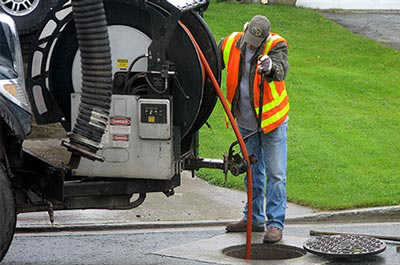
Sewer maintenance includes all activities required to keep pipelines efficient in both civil and industrial contexts, combining inspections and operational interventions to prevent issues.
These activities include:
A structured approach helps preserve system performance over time.
Sewer networks are subject to continuous use, which promotes residue buildup and blockages; without proper maintenance, these can lead to more serious issues.
The main risks include:
Prevention is therefore essential to ensure safety and operational efficiency.
Cleaning operations are performed using specific technologies selected according to the condition of the network and the type of deposits present, following a structured process that ensures effective and long-lasting results.
During the intervention, the following steps are carried out:
Each step is essential to guarantee a safe and complete intervention.
Implementing planned maintenance allows companies to prevent emergencies and optimize system management, keeping pipeline conditions under control.
An effective plan includes:
This approach reduces costs and increases system reliability.
Sewer network maintenance must comply with environmental and safety regulations, ensuring proper waste management and worker protection.
The main regulatory reference is Article 230, paragraph 5 of Legislative Decree 152/2006, which states that waste generated from sewer maintenance activities is considered to be produced by the company performing the cleaning operations.
It is essential to operate with:
Compliance with regulations prevents penalties and ensures safety and legal conformity.
Sewer network maintenance and cleaning is a strategic activity to ensure operational continuity, safety, and efficiency.
Franchini Servizi Ecologici supports companies with targeted interventions, advanced technologies, and planned maintenance programs, helping prevent issues, reduce costs, and maintain high performance over time.
It prevents blockages, failures, and operational issues.
It depends on usage, but periodic maintenance is recommended.
Hydrodynamic cleaning, vacuum trucks, and video inspections.
There is a risk of blockages, flooding, and system damage.
No, they are targeted and do not damage infrastructure.
According to regulations, through collection, transport, and authorized disposal.
DECRETO LEGISLATIVO 3 aprile 2006, n. 250 - Norme in materia ambientale.