Gas free verification is a mandatory safety procedure before any access to tanks, cisterns, and confined spaces in industrial settings. It certifies that the internal atmosphere is free from toxic gases, flammable vapours, and oxygen deficiencies, preventing serious health risks for operators and ensuring safe working conditions that comply with current regulations and occupational safety standards.
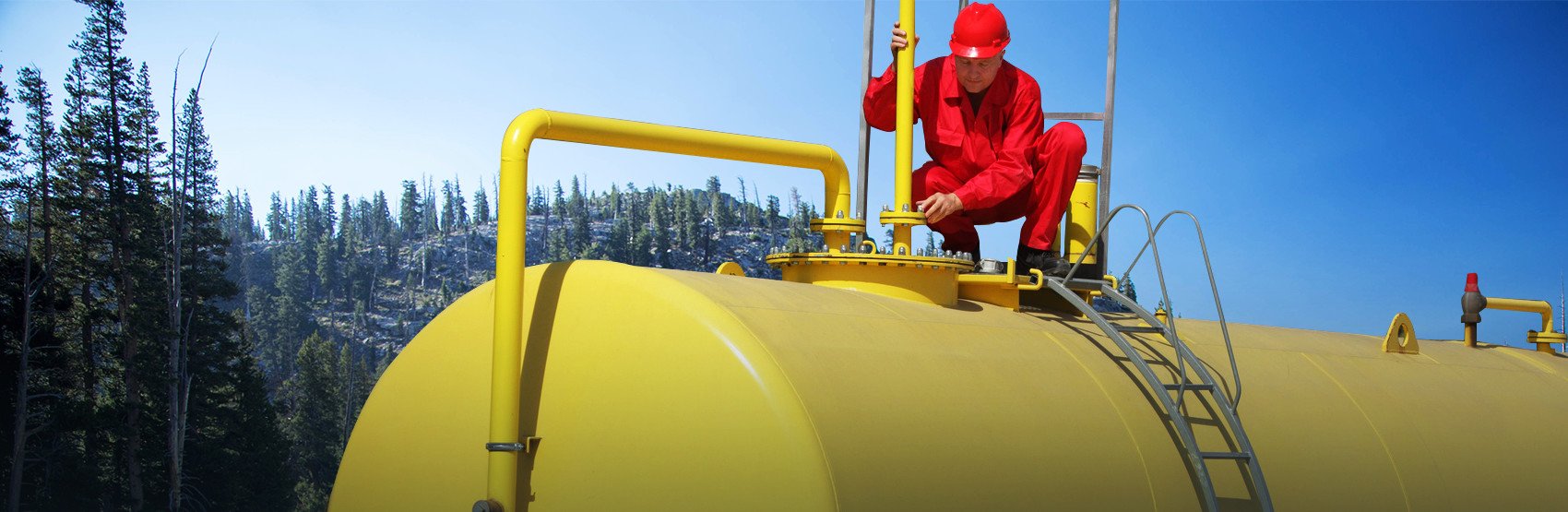
Gas free verification is a mandatory safety procedure before any access to tanks, cisterns, and confined spaces in industrial settings. It certifies that the internal atmosphere is free from toxic gases, flammable vapours, and oxygen deficiencies, preventing serious health risks for operators and ensuring safe working conditions that comply with current regulations and occupational safety standards.
In many production environments, entry into confined spaces represents one of the highest-risk activities for workers. Incidents related to the presence of hazardous atmospheres inside tanks, vessels, cisterns, and pipelines continue to occur, often with fatal consequences. Gas free verification is the primary tool for preventing these events, confirming that the environment is safe before any operator enters.
Gas free verification is an instrumental check of the internal atmosphere of a tank, cistern, or any confined space, aimed at detecting the presence of hazardous substances and verifying that the oxygen concentration falls within safe parameters.
The purpose of the procedure is to certify that the environment is free from risks before personnel entry, ruling out the presence of toxic gases, flammable or explosive vapours, and conditions of under-oxygenated or over-oxygenated atmosphere that could endanger the lives of operators.
Gas free verification is mandatory every time an operator needs to access a confined or potentially contaminated environment, as required by occupational safety regulations. It is not a simple recommendation but an essential requirement for authorising entry.
Verification is required in particular before:
Verification must be repeated every time environmental conditions may have changed, for example after an extended break, after the introduction of new materials, or following changes in the plant's operating conditions.
During gas free verification, several parameters of the internal atmosphere are measured using certified portable instrumentation. Each parameter is compared with the limit values established by regulations to determine whether the environment is safe for access.
The main parameters subject to control are:
| Parameter | What it detects | Associated risk |
| Oxygen concentration (O₂) | Oxygen level in the air | Asphyxiation or over-oxygenated atmosphere |
| Flammable gases (LEL) | Combustible vapours | Explosion or fire |
| Hydrogen sulphide (H₂S) | Toxic gas from decomposition | Acute poisoning |
| Carbon monoxide (CO) | Odourless toxic gas | Intoxication and loss of consciousness |
| Volatile organic compounds (VOC) | Hazardous chemical vapours | Exposure to harmful substances |
Only when all parameters comply with safety limits can personnel entry into the confined space be authorised. Otherwise, further remediation and ventilation operations must be carried out before repeating the verification.
Entering a tank or confined space without adequate gas free verification exposes operators to extremely serious risks, often invisible and difficult to perceive without proper instrumentation.
The main risks that verification helps prevent are:
Many of the most serious accidents in confined spaces occur precisely because of absent, incomplete, or improperly calibrated verification. The correct execution of gas free control therefore represents the first and most important preventive measure for operator safety.
Gas free verification is carried out by qualified and trained personnel, using certified portable multi-gas detectors calibrated according to manufacturer specifications and current regulations.
The main phases of the procedure include:
Measurements are taken at multiple levels of the confined environment, as some gases tend to stratify according to their specific weight: gases heavier than air concentrate towards the bottom, while lighter ones accumulate at the top. A verification carried out at a single level might therefore fail to detect the presence of hazardous substances in other areas of the volume.
Gas free verification should always be planned as an integral part of the confined space access procedure, and not as an emergency operation to be carried out at the last moment. A scheduled approach allows every phase of the intervention to be managed safely and risk situations to be prevented.
Scheduled management of gas free verification allows you to:
A programme of periodic verifications, integrated with routine maintenance activities, represents the most effective choice for constantly monitoring the safety conditions of confined spaces within the plant.
Italian occupational safety legislation, particularly Legislative Decree 81/2008 and Presidential Decree 177/2011, establishes precise obligations for access to confined spaces and environments suspected of contamination. The employer is required to ensure that every access is preceded by a risk assessment, gas free verification, and the adoption of all necessary prevention and protection measures.
Failure to carry out gas free verification, the use of uncalibrated instrumentation, or entrusting the activity to unqualified personnel may result in criminal and administrative liability for the employer, in addition to exposing workers to potentially lethal risks.
Gas free verification is an essential step to ensure the safety of personnel who need to access tanks, cisterns, vessels, and any confined space in industrial settings. A check carried out by qualified personnel with certified instrumentation allows the atmospheric conditions of the environment to be ascertained and accidents related to the presence of toxic gases, flammable vapours, or oxygen deficiencies to be prevented.
Franchini Servizi Ecologici carries out professional gas free verifications on tanks, cisterns, and industrial confined spaces, using certified multi-gas instrumentation and personnel trained in accordance with current regulations. Every intervention is documented with the issuance of the gas free certificate, ensuring full compliance with occupational safety provisions.
Gas free verification is an instrumental check of the internal atmosphere of tanks, cisterns, and confined spaces, aimed at detecting the presence of toxic gases, flammable vapours, and verifying that the oxygen concentration falls within the safety parameters established by regulations. The procedure must be carried out exclusively by qualified and specifically trained personnel, possessing the necessary technical skills to use certified multi-gas instrumentation and to correctly interpret measurement results. At the end of the verification, a gas free certificate is issued that authorises or denies access to the confined environment.
Gas free verification must be carried out before every entry into the confined space and must be repeated whenever environmental conditions may have changed. This includes situations such as an extended break in work, the introduction of new materials or chemical substances into the environment, changes in the plant's operating conditions, or the resumption of work the following day. In many cases, it is also necessary to maintain continuous atmosphere monitoring throughout the entire duration of operations inside the confined space, using fixed or portable detectors capable of promptly signalling any changes in atmospheric parameters that could put operator safety at risk.
Yes, gas free verification is an obligation under Italian occupational safety legislation. Legislative Decree 81/2008, which constitutes the Consolidated Safety Act, requires the employer to assess all risks associated with access to confined spaces and to adopt the necessary preventive measures, including internal atmosphere control. Presidential Decree 177/2011 also establishes specific requirements for companies operating in confined or potentially contaminated environments, including training obligations, personnel qualification, and documented operating procedures. Failure to comply with these provisions exposes the employer to criminal and administrative liability and, most importantly, endangers workers' lives.
Portable multi-gas detectors are used for gas free verification — certified electronic instruments capable of simultaneously measuring several atmospheric parameters. The main gases detected include oxygen concentration, the level of flammable gases expressed as a percentage of the lower explosive limit, the presence of hydrogen sulphide, carbon monoxide, and volatile organic compounds. Instruments must undergo periodic calibrations according to manufacturer instructions and relevant regulations, to ensure measurement accuracy. The use of uncalibrated or non-compliant instrumentation can compromise the reliability of the verification and put at risk the safety of operators accessing the confined space.
If gas free verification detects values outside safety limits, access to the confined space is not authorised until atmospheric conditions are restored within regulatory parameters. In this situation, forced ventilation operations are generally carried out to promote air exchange and the dispersal of hazardous gases, followed by further remediation cycles if necessary. At the end of remediation operations, gas free verification is repeated to confirm that all parameters fall within safety limits. Only after the positive outcome of the new verification and the issuance of the updated gas free certificate can personnel entry be authorised. Under no circumstances is access to the confined space permitted if the verification reveals non-compliant atmospheric conditions.