Cleaning industrial tanks and remediating industrial lagoons are essential activities to ensure operational efficiency and continuity. Traditional methods involving full draining often result in production stoppages and high costs.
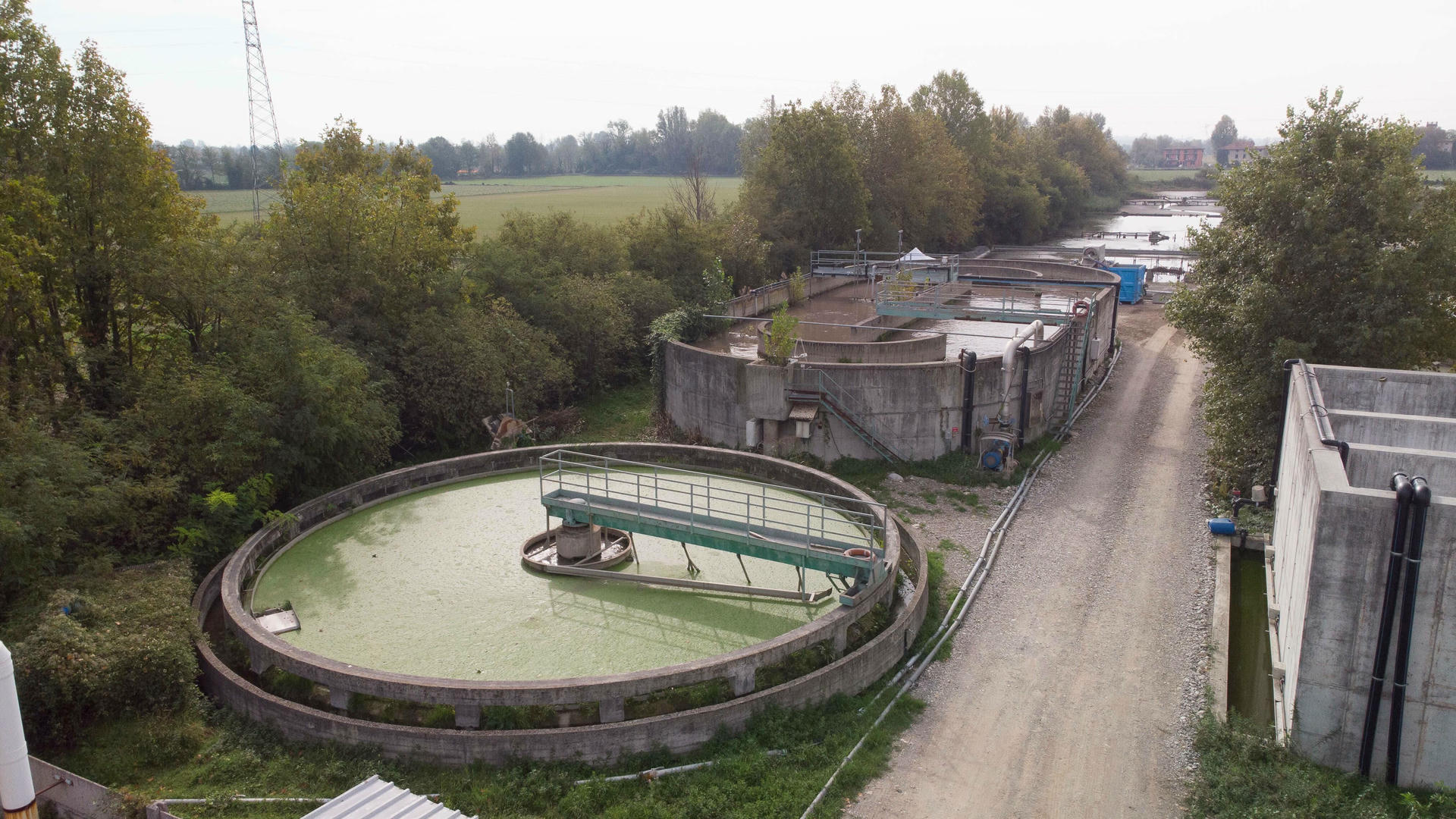
Cleaning industrial tanks and remediating industrial lagoons is essential to maintain efficiency and continuity of operations. Traditional methods require complete draining, which carries significant operational risks.
At Franchini Servizi Ecologici, we use non-draining cleaning techniques because this approach provides numerous advantages and reduces the risks associated with traditional methods:
Thanks to modern technologies used by our company, it is possible to clean without draining, keeping the plant active and eliminating these issues.
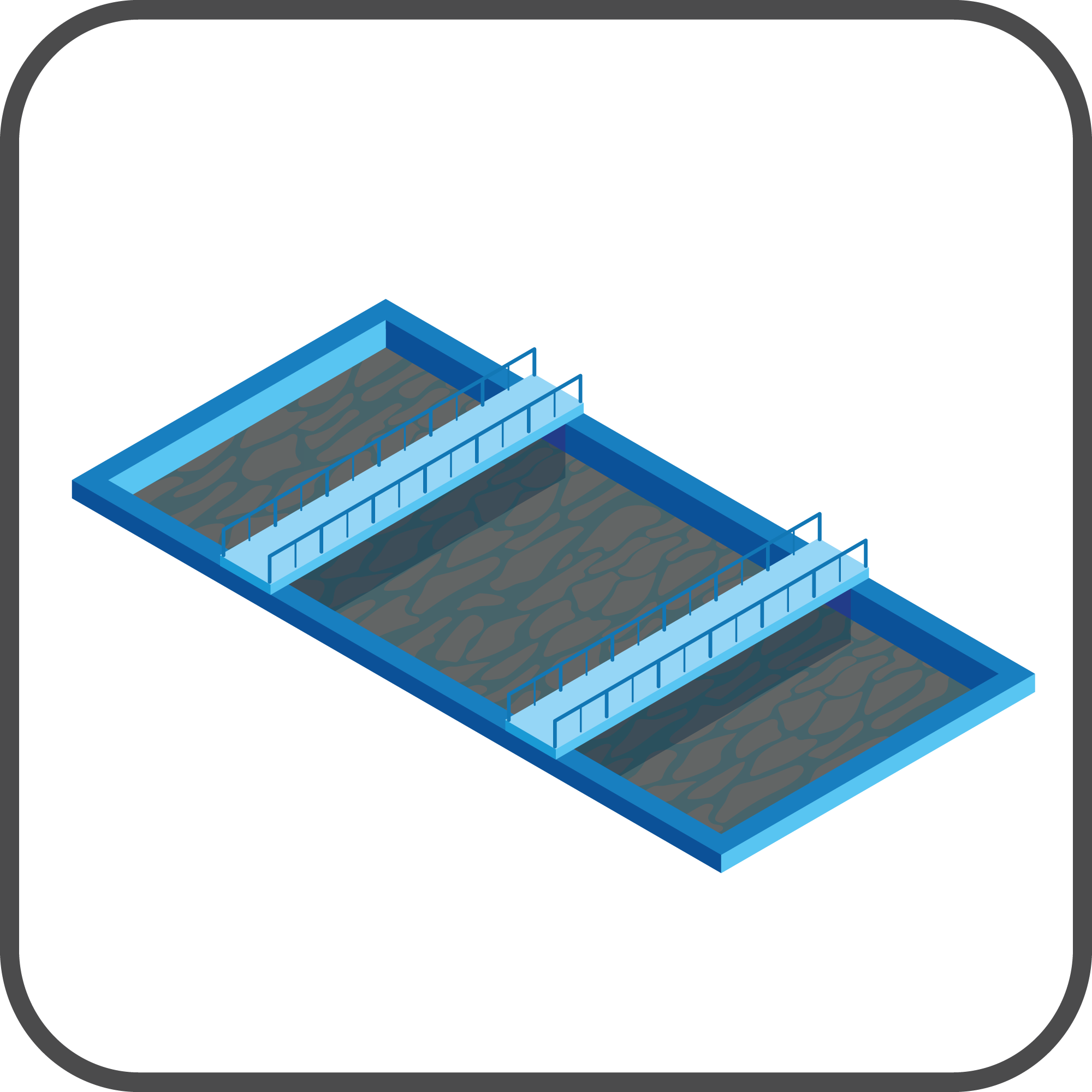
Industrial tanks and lagoons are key structures in production and wastewater treatment processes. They function as storage tanks, sedimentation systems, and flow regulation tools.
Their main functions include:
They tend to become dirty due to:
Risks if not cleaned:
| Problem | Consequence |
| Accumulated sediments | Reduced storage capacity |
| Crusts and encrustations | Blockages and malfunctions |
| Stagnant sludge | Reduced purification efficiency |
| Odors and contamination | Environmental issues and fines |
Without regular maintenance, these accumulations can severely compromise tank and lagoon efficiency.
Industrial lagoons are large basins where sludge and sediments accumulate over time. Remediation is essential to ensure process continuity and environmental safety.
Situations requiring intervention:
Benefits of timely intervention:
It is now possible to clean industrial tanks and lagoons without interrupting production thanks to innovative technologies. This approach ensures:
The Franchini Servizi Ecologici team uses cutting-edge technologies to guarantee deep cleaning of industrial tanks and lagoons.
| Professional / Tool | Function |
| Specialized divers | Mechanical sediment cleaning and targeted suction |
| Underwater ROVs | Robotic inspection and suction with video monitoring |
| Submersible pumps and suction devices | Controlled sludge transport to disposal systems |
The combined use of specialized divers and ROVs (remotely operated vehicles) allows intervention on tanks and lagoons without stopping the plant.
Cleaning and remediation operations for industrial tanks and lagoons must strictly comply with environmental regulations and safety procedures.
It is essential to:
Compliance protects the environment, reduces health risks for operators, avoids fines and legal liability, and ensures all operations are documented accurately, providing companies with certainty that maintenance is fully compliant and that plants remain efficient and safe.
Relying on Franchini Servizi Ecologici for industrial tank cleaning and lagoon remediation ensures safe, efficient, and compliant interventions without interrupting production.
Thanks to the use of specialized divers and underwater ROVs, every operation is targeted, monitored, and documented. This guarantees complete removal of sludge and sediments while maintaining optimal plant performance.
Companies can thus operate continuously, reducing risks, costs, and environmental impacts, relying on an expert, technologically advanced partner for integrated maintenance and remediation of industrial tanks and lagoons.
Yes, with divers and ROVs it is possible to intervene without interrupting production.
When sludge, crusts, or sediment layers reduce plant efficiency.
Yes, if performed by qualified operators with certified equipment.
It is suctioned, transported, and disposed of according to current regulations.