Manhole rehabilitation is a specialised intervention that restores the structural integrity and hydraulic tightness of inspection and collection structures in sewer networks and industrial plants, without requiring complete demolition and reconstruction. Thanks to modern techniques such as spray-applied coatings and resin injections, it is possible to carry out targeted interventions effectively.
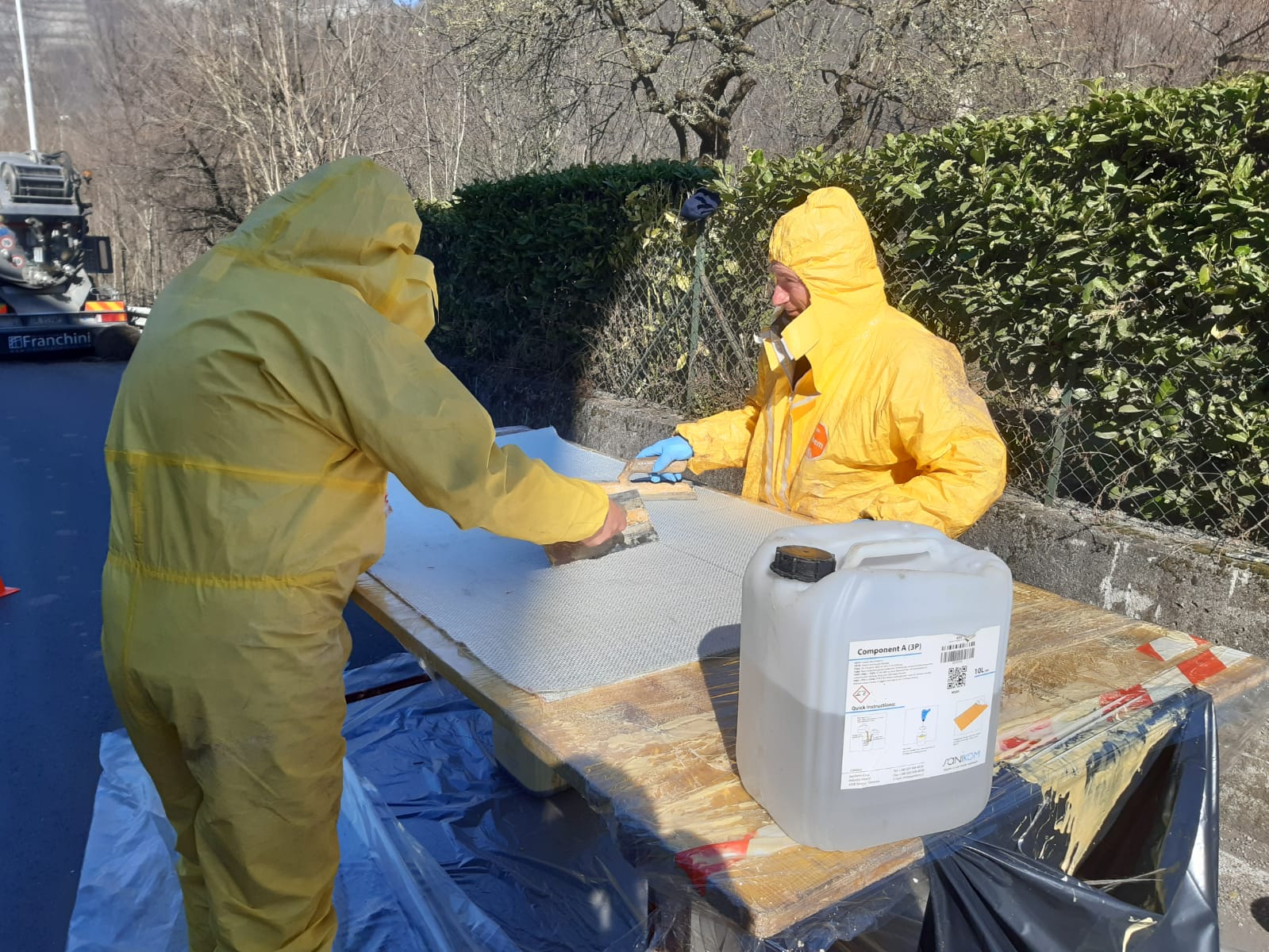
Manholes are exposed to particularly aggressive operating conditions: permanent contact with effluent, temperature variations, freeze-thaw cycles, chemical attack from transported substances, and mechanical stress from overlying traffic. These conditions cause progressive deterioration over time, which can manifest as cracks, coating detachment, wall corrosion, infiltrations, and loss of hydraulic tightness.
Neglecting manhole deterioration exposes the entire system to growing risks: parasitic water overloading the treatment plant, effluent dispersing into the ground with the risk of groundwater contamination, structural failures that can compromise overlying roads, and cascading malfunctions throughout the drainage network.
Manhole rehabilitation can be carried out using various techniques, selected based on the type and extent of deterioration, the construction material, the size of the structure, and the plant's operating conditions.
The most commonly used techniques include:
| Technique | Description | Main application |
| Spray-applied coating | Application of cementitious mortar or resin to internal walls | Manholes with widespread corrosion or cracking |
| Liner insertion | Installation of prefabricated linings inside the structure | Manholes with advanced deterioration |
| Resin injection | Sealing of cracks and infiltration points | Localised leaks and deteriorated joints |
| Partial reconstruction | Rebuilding damaged portions of the structure | Localised failures of the base or walls |
The choice of technique is made based on the data collected during the preliminary inspection, which may include traditional video inspection or specific instrumental surveys to assess the overall condition of the structure.
Compared to complete demolition and reconstruction, manhole rehabilitation offers significant advantages from a technical, economic, and operational perspective.
The main advantages include:
The combination of lower invasiveness, contained costs, and speed of execution makes rehabilitation the preferred choice in most cases where the load-bearing structure of the manhole is still sufficiently intact.
Manhole rehabilitation should be scheduled as an integral part of the network maintenance plan, and not limited to emergency interventions when deterioration is already advanced.
It is advisable to intervene when:
A preventive approach, based on periodic inspections and structural condition monitoring, allows interventions to be planned with maximum efficiency and significantly reduces costs compared to emergency repairs.
Every rehabilitation intervention follows a structured process comprising several operational phases, from initial assessment to material application to final verification.
The main phases of the intervention include:
The entire intervention can be completed in significantly less time than reconstruction, with minimal impact on plant operations and surrounding activities.
The materials used for manhole rehabilitation are selected based on the type of deterioration found, operating conditions, and the nature of the effluent the structure comes into contact with. The most common include high chemical resistance cementitious mortars for spray-applied coatings, two-component epoxy resins for sealing and injections, polyethylene or fibreglass linings for prefabricated liners, and structural mortars for partial reconstructions.
All materials must be certified for use in sewer environments and resistant to the chemical and biological attack of effluent. The selection of the most appropriate material is made based on the analyses conducted during the inspection phase, considering the pH of the effluent, the presence of aggressive substances, operating temperatures, and the mechanical stresses to which the structure is subjected.
Manhole rehabilitation is a specialised intervention that requires specific technical skills, professional equipment, and certified materials. An intervention carried out by qualified personnel restores the full functionality and hydraulic tightness of the structure, preventing more serious and costly problems.
Franchini Servizi Ecologici carries out professional manhole rehabilitation, protective coatings, and waterproofing on sewer networks and industrial plants, using advanced technologies and qualified personnel. Every intervention is custom-designed to ensure the complete restoration of the structure, operating safely and in full compliance with current regulations.
The cost of manhole rehabilitation is generally significantly lower than that of complete demolition and reconstruction, with savings that can range from 40% to 70% depending on the size of the structure, the rehabilitation technique used, and the complexity of operating conditions. Traditional reconstruction involves significant additional costs related to the demolition of the existing structure, excavation, demolition waste management, construction of a new structure, and restoration of surrounding surfaces. Rehabilitation eliminates most of these cost items, intervening on the existing structure from the inside and restoring its functionality with non-destructive techniques. The savings are even more significant when considering the cost of plant downtime: rehabilitation requires much shorter timeframes than reconstruction, with minimal impact on production activities.
The choice of technique depends on the type and extent of deterioration. For widespread corrosion and surface cracks, spray-applied coating with cementitious mortar or epoxy resin is the most common solution, as it creates a new continuous protective surface over the entire internal wall. For localised leaks and point infiltrations, two-component resin injections are particularly effective because they seal the exact point of water passage. In cases of advanced deterioration, the insertion of prefabricated polyethylene or fibreglass liners provides a complete reconstruction of the internal surface. Partial reconstruction is reserved for localised base or wall failures where the structural geometry needs to be restored.
In most cases, manhole rehabilitation can be carried out without requiring a complete plant shutdown. Modern rehabilitation techniques allow work on the structure while keeping the portions of the network not directly affected by the intervention active. When necessary, flow can be temporarily diverted via bypass to allow cleaning operations and material application. Downtime is generally limited to the coating application and curing phase, which can range from a few hours to one or two days depending on the technique used and the size of the structure. This operational flexibility is one of the main advantages of rehabilitation compared to complete reconstruction, which requires significantly longer downtime.
The assessment of a manhole's condition before rehabilitation is carried out through a combination of visual inspection and instrumental surveys. Video inspection with camera allows the condition of the walls, base, pipe connections, and all internal surfaces to be documented in detail, identifying cracks, corrosion, active infiltrations, and structural anomalies. In specific cases, surveys with dedicated instrumentation may be carried out to measure the residual wall thickness, verify hydraulic tightness through pressure or vacuum tests, and assess the mechanical resistance of the material. The documentation collected during inspection allows the most appropriate technique and materials to be precisely defined, calibrating the intervention to the actual conditions of the structure and optimising the relationship between effectiveness and cost.
A correctly rehabilitated manhole with certified materials and appropriate techniques can achieve a useful life comparable to that of a new structure, with life expectations that can exceed 30-50 years depending on the type of coating applied and operating conditions. Epoxy resin-based coatings, in particular, offer excellent resistance to chemical corrosion and abrasion, providing long-term protection even in aggressive environments. The actual lifespan depends on the quality of surface preparation before application, the correct execution of the intervention, and the operating conditions the structure will be subjected to. A routine maintenance programme with periodic inspections allows the condition of the coating to be verified over time and prompt intervention in the event of localised deterioration, maximising the useful life of the intervention.