Spray-applied pipe rehabilitation is an innovative internal lining technique that restores the functionality and tightness of deteriorated pipelines by applying a protective coating directly onto the inner walls of the existing pipe, without the need for excavation, demolition, or complete pipe replacement, significantly reducing intervention time and overall costs.
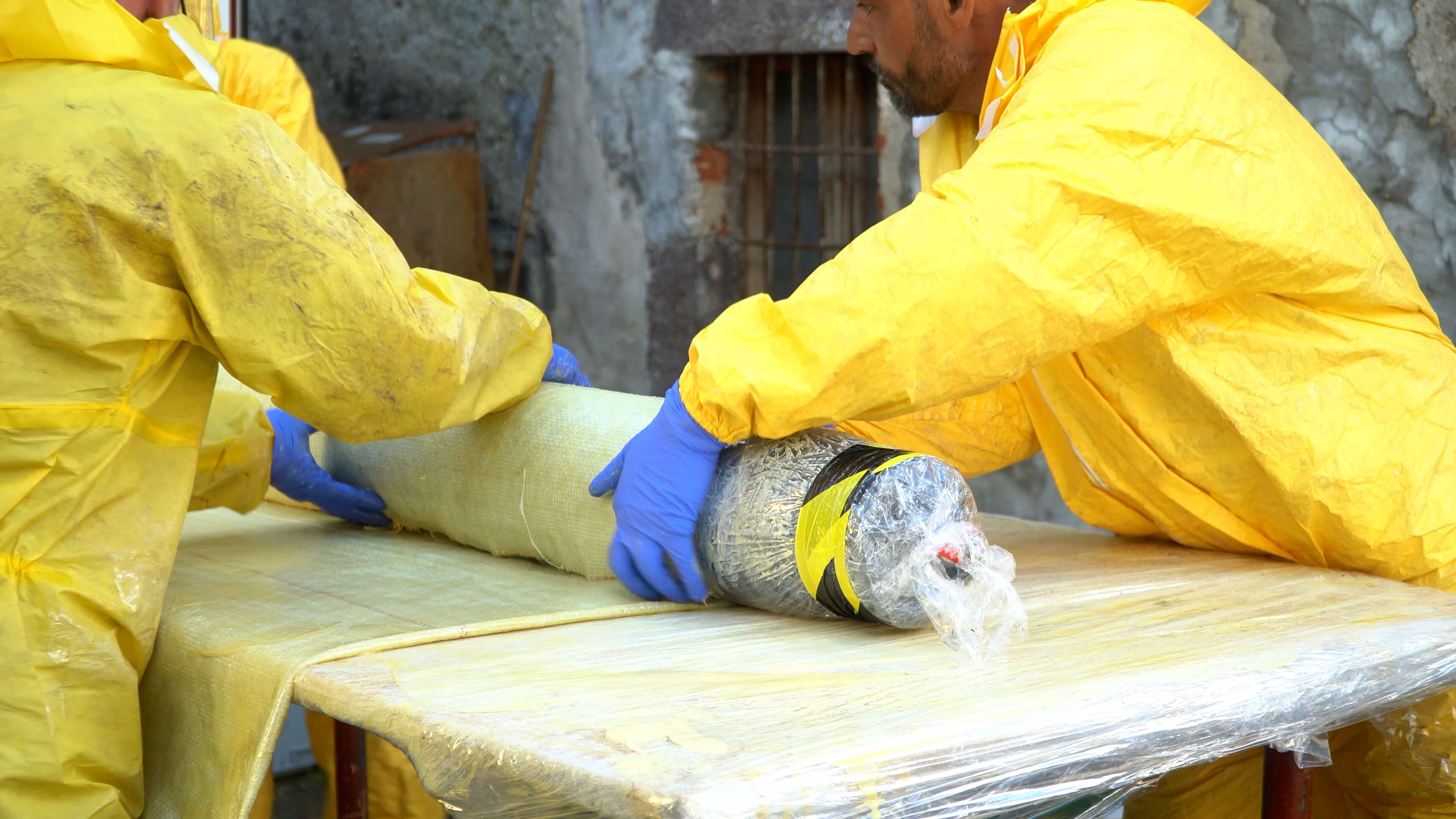
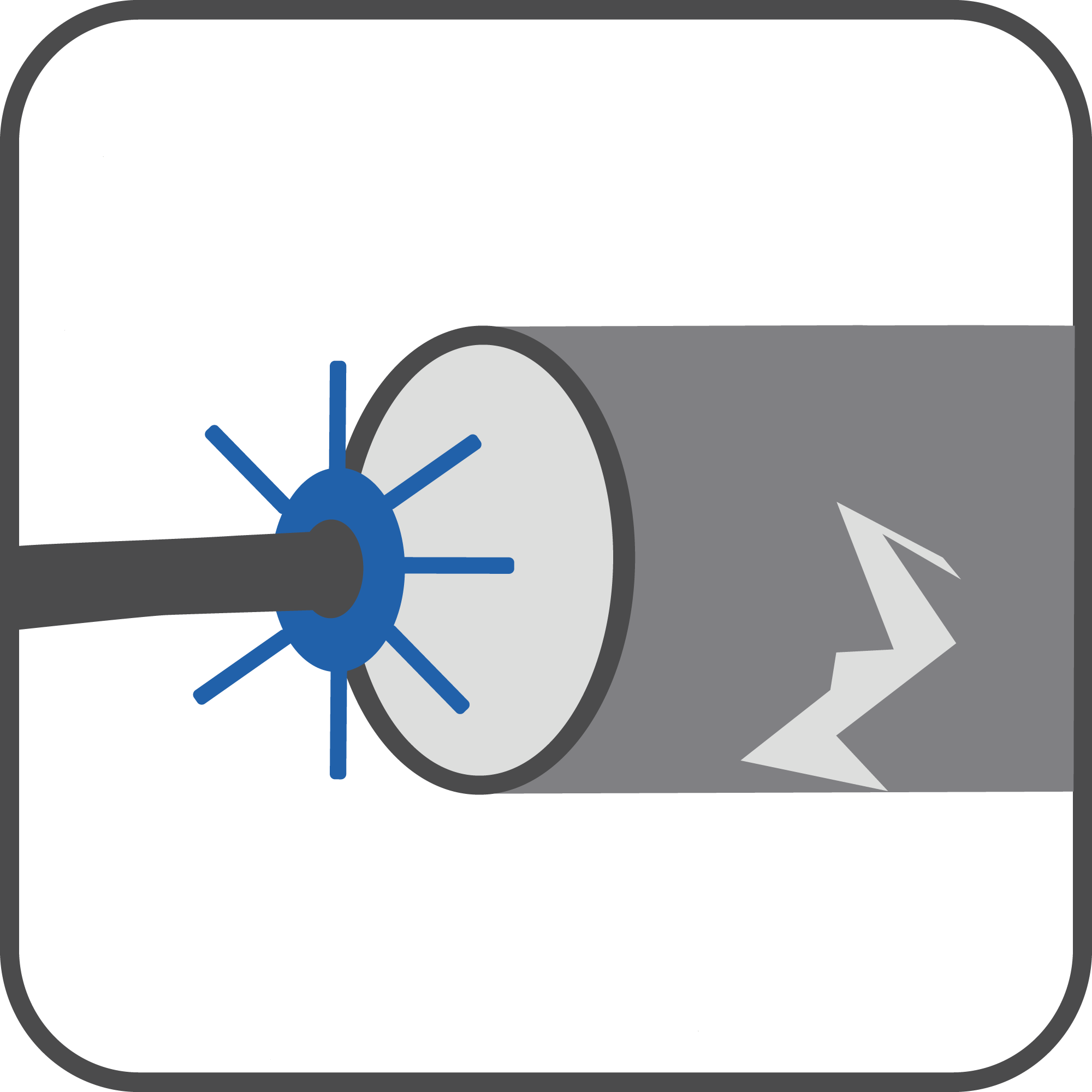
Spray-applied rehabilitation is a process that involves applying a protective coating — generally based on epoxy resin, polyurethane, or cementitious material — to the internal surfaces of the pipe using a rotating applicator that distributes the material uniformly across the entire circumference of the pipeline.
The equipment is introduced into the pipe through existing access points and advances along the pipeline route, applying the coating layer with controlled and consistent thickness. Once cured, the coating forms a smooth, adherent, and structurally resistant surface that seals cracks, covers irregularities, and protects the pipe from further deterioration.
Spray-applied rehabilitation is the most suitable solution when the pipe shows signs of deterioration that compromise its functionality, but the load-bearing structure of the pipeline is still sufficiently intact to support the internal coating.
It is particularly recommended in the presence of:
Spray-applied rehabilitation is a versatile solution that adapts to a wide range of diameters and materials, offering a concrete alternative to complete pipe replacement in all cases where the load-bearing structure of the pipe allows it.
Compared to traditional excavation-based replacement, spray-applied pipe rehabilitation offers significant advantages from a technical, economic, and environmental perspective.
A comparison between the two solutions highlights significant differences:
| Feature | Excavation replacement | Spray-applied rehabilitation |
| Need for excavation | Yes | No |
| Intervention time | Long | Reduced |
| Plant downtime | Generally required | Avoidable in most cases |
| Overall costs | High | 30-50% lower |
| Environmental impact | Significant | Minimal |
| Adaptability to complex geometries | Limited | High |
The combination of lower invasiveness, reduced costs, and shorter execution times makes spray-applied rehabilitation one of the most sought-after technologies for the maintenance and life extension of industrial and civil pipe networks.
Spray-applied rehabilitation is compatible with a wide variety of materials and diameters, making it applicable in numerous industrial and civil contexts.
The main types of treatable pipelines include:
The choice of coating type and application thickness is defined based on the specific characteristics of the pipeline, the type of fluid transported, and the operating conditions of the plant.
Every spray-applied rehabilitation intervention follows a structured process comprising several operational phases, from pipeline preparation to coating application to final verification.
The main phases of the intervention include:
The entire intervention can be completed in significantly less time than traditional replacement, with minimal impact on plant operations and surrounding production activities.
Spray-applied pipe rehabilitation is a technologically advanced solution for restoring the functionality and tightness of deteriorated pipelines without excavation or complete replacement. An intervention carried out by specialised personnel with state-of-the-art equipment guarantees a uniform, adherent, and long-lasting coating that protects the pipe from further deterioration.
Franchini Servizi Ecologici carries out professional spray-applied rehabilitation operations on industrial pipes, sewer networks, and discharge pipelines, using certified resins and coatings and qualified personnel. Every intervention is custom-designed based on the pipeline characteristics and the plant's operational needs, ensuring maximum effectiveness and full technical compliance.
The lifespan of the coating applied using the spray technique depends on the type of material used, the operating conditions of the pipeline, and the type of fluid transported. Under standard conditions, epoxy or polyurethane resin-based coatings guarantee a useful life ranging from 30 to over 50 years, providing effective protection against corrosion, abrasion, and chemical attack. Cementitious coatings, used in specific contexts, have comparable lifespans but with different mechanical resistance characteristics. The longevity of the treatment is closely linked to the correct surface preparation before application: thorough cleaning and a dry, residue-free surface are essential conditions to ensure optimal coating adhesion and its durability over time.
Yes, the application of the coating involves a reduction in the pipe's internal diameter, but it is a minimal reduction, generally between 3 and 6 millimetres depending on the thickness of the applied coating. This slight decrease in diameter is largely offset by the improvement in the hydraulic characteristics of the internal surface: the coating creates a perfectly smooth surface that drastically reduces roughness and flow resistance. The result is that the flow capacity of the rehabilitated pipe is in most cases equivalent to or greater than that of the original pipe, especially when the latter had scale, deposits, or irregularities that reduced its effective cross-section.
Spray-applied rehabilitation can be applied to pipes with highly variable diameters, generally starting from DN 70-80 mm up to diameters exceeding DN 1500 mm, depending on the equipment used and the pipeline access conditions. For smaller diameters, where operator access is not possible, robotic equipment is used that travels through the pipe interior applying the coating automatically. For larger diameters, application can also be carried out with operator-guided manual equipment. The versatility of spray technology allows complex geometries, curves, deviations, and fittings to be treated that would be difficult to manage with other rehabilitation techniques such as relining with preformed liners.
Yes, spray-applied rehabilitation can also be used on pipelines intended for drinking water transport, provided that coatings specifically certified for contact with water intended for human consumption are used. There are epoxy resins and cementitious coatings specifically formulated and tested to meet the suitability requirements for drinking water contact established by current regulations. Material certification is an essential requirement in these applications: the coating must guarantee the absence of harmful substance release into the transported water and the maintenance of the fluid's organoleptic characteristics. Franchini Servizi Ecologici exclusively uses certified materials compliant with the relevant regulations for each specific application.
The cost of spray-applied rehabilitation is generally between 30% and 50% less than traditional excavation-based replacement, with variations depending on the pipe diameter, the length of the section to be treated, the type of coating chosen, and the complexity of the access conditions. The savings are mainly determined by the elimination of excavation, demolition, surface restoration, and construction waste management costs, and above all by the avoidance of production plant shutdown during the work. In addition to direct savings, spray-applied rehabilitation also offers an indirect economic advantage linked to the speed of execution: an intervention that would require weeks with excavation can be completed in just a few days, with minimal impact on the organisation of production activities and company logistics.