
Spray Remediation: The Trenchless Protective Coating
Spray rehabilitation, also known as spray lining, is an advanced no-dig technology that involves applying a high-strength polymer coating to the inside of an existing pipe. Unlike structural relining, this method creates a seamless, waterproof protective film that seals leaks and protects the host pipe from corrosion, all without trenching and with minimal reduction in the internal diameter.
Franchini Servizi Ecologici uses this versatile technology to restore the integrity of pipelines with complex geometries, where other solutions would be impractical.
The Key Advantages of Spray Coating
This technology offers a series of unique benefits, ideal for specific problems:
- Nearly Total Diameter Maintenance: The applied resin layer is just a few millimeters thick, making the reduction in the internal cross-section negligible and preserving the original hydraulic capacity.
- Perfect for Complex Geometry: Unlike pre-formed sheaths, spray resin uniformly coats even the most complex pipes, including 90° bends, T-pieces, branches, and diameter changes.
- Maximum Adhesion and Sealing: The coating creates a monolithic, seamless ""film"" that adheres perfectly to the internal wall of the pipe, sealing micro-cracks, porosity, and defective joints.
- Active Corrosion Protection: It is the ideal solution for protecting pipes metal surfaces (e.g., cast iron) from chemical attack and corrosion, significantly extending their service life.
- Rapid Intervention: The application and curing of the resin are very fast processes that minimize plant downtime.
The Application Process: Precision and Control
An optimal result depends on meticulous surface preparation.
- Mechanical Cleaning and Drying: The preliminary phase is the most critical. The pipe is thoroughly cleaned with rotating mechanical brushes or other abrasive systems to remove all traces of sediment or corrosion, and then completely dried.
- Video Inspection: A camera verifies that the surface is perfectly clean and ready for treatment.
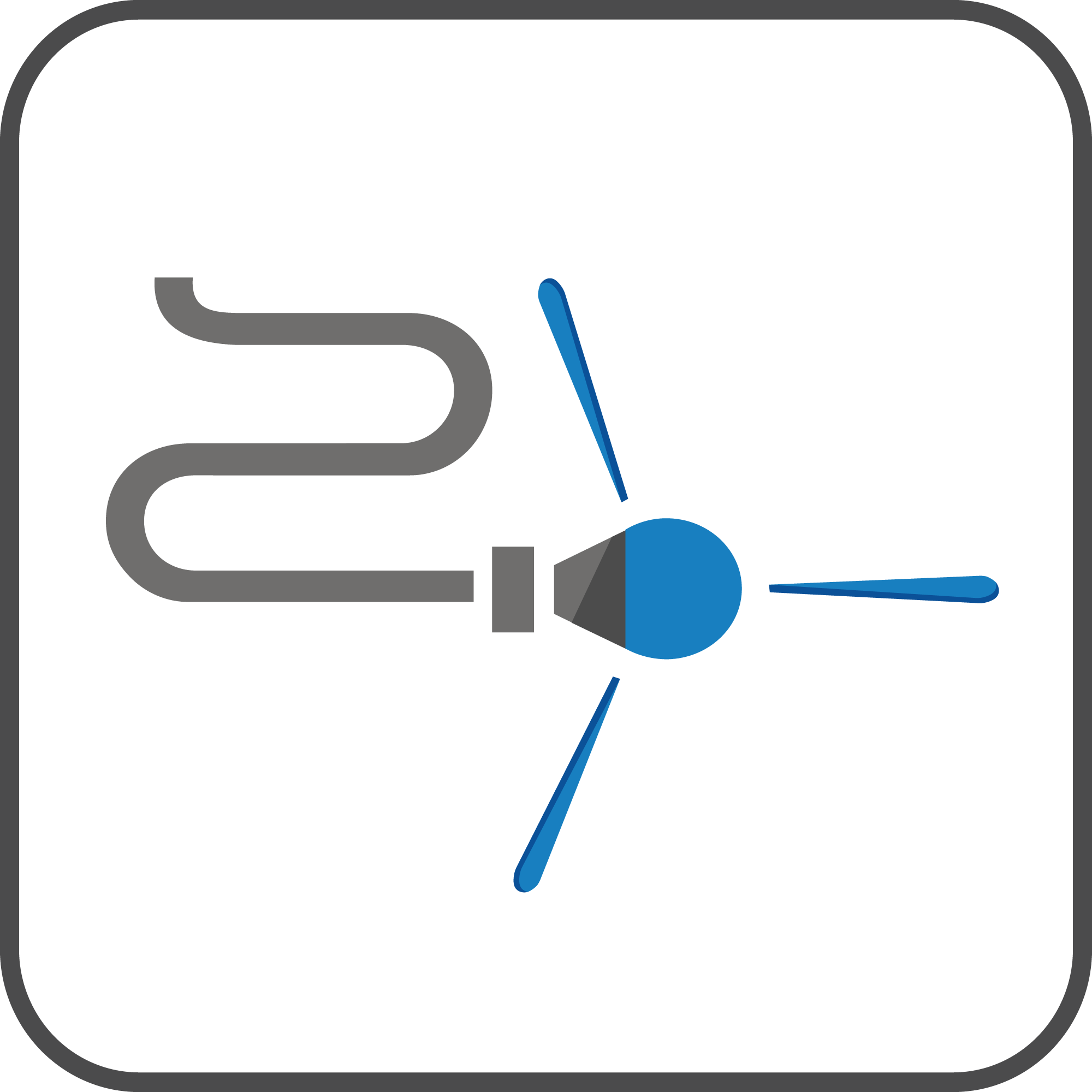
- Spray Application: A special rotating spray head is inserted and advanced into the pipe at a controlled speed. The head atomizes the polymer resin in uniform layers, ensuring complete coverage.
- Curing and Testing: The resin cures rapidly, often with only forced ventilation. A final video inspection certifies the quality and uniformity of the coating.
When to Choose Spray Restoration?
This technology is the winning choice for:
- Rehabilitating vertical drainpipes in residential and industrial buildings, with numerous connections and bends.
- Waterproofing pipes with widespread leaks but without structural failure.
- Protecting metal pipes from internal corrosion.
- Working on non-linear pipes where inserting a sleeve would be impossible.
- Sealing joints and connections in a non-invasive way.
The Flexible Solution to Protect and Seal Your Pipes.
If your pipes have leaks or corrosion problems in complex and inaccessible areas, spray rehabilitation may be the right technology. Contact us for a technical analysis.
Related Econews
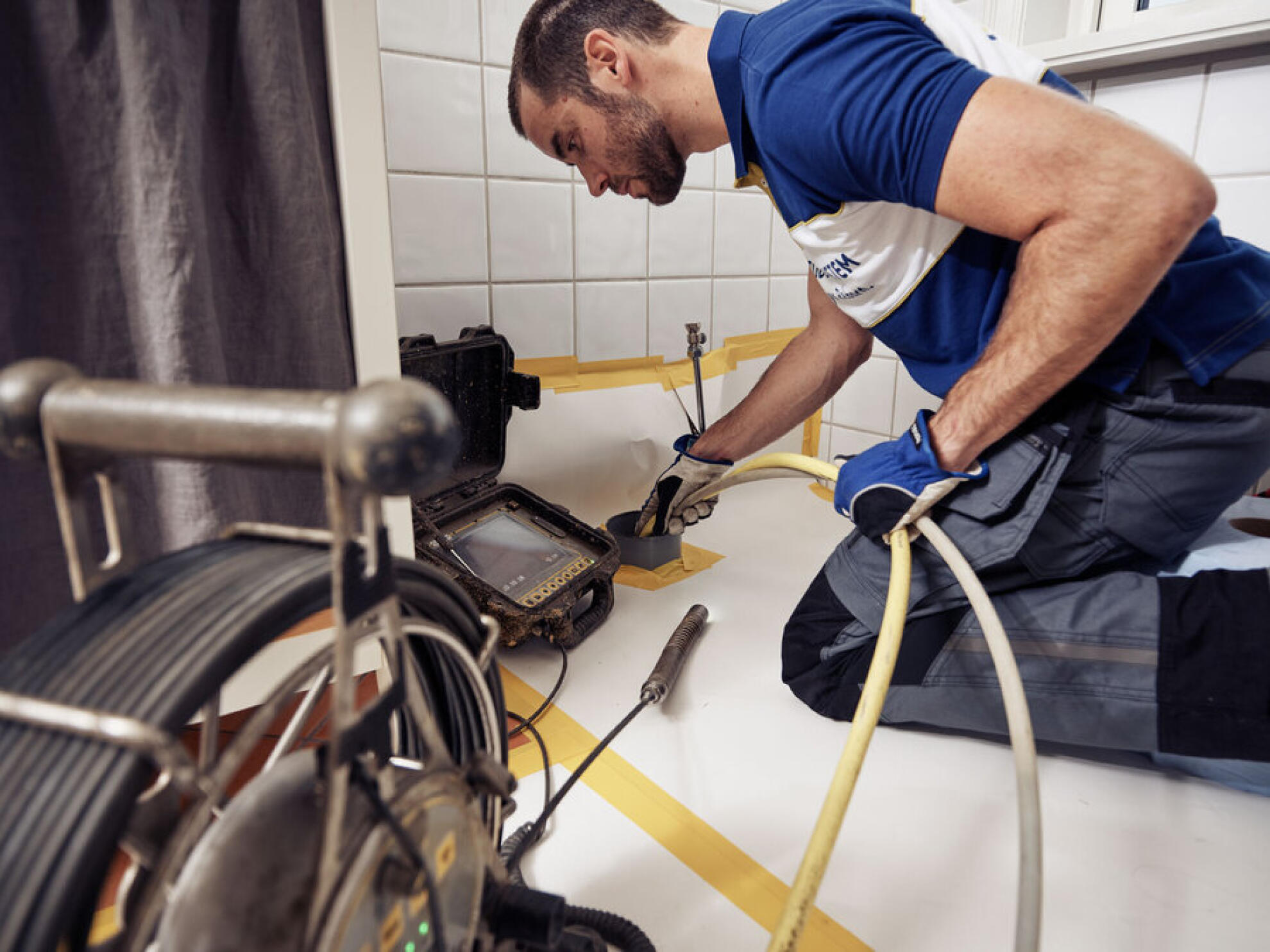
Trenchless relining: pipeline and pipe rehabilitation without stopping the plant
Trenchless relining is an advanced technology for the rehabilitation of industrial pipelines and pipes that restores structural integrity without demolition, without production shutdowns, and without the costs and timeframes associated with traditional replacement. An innovative solution to keep the plant running throughout the entire rehabilitation process.
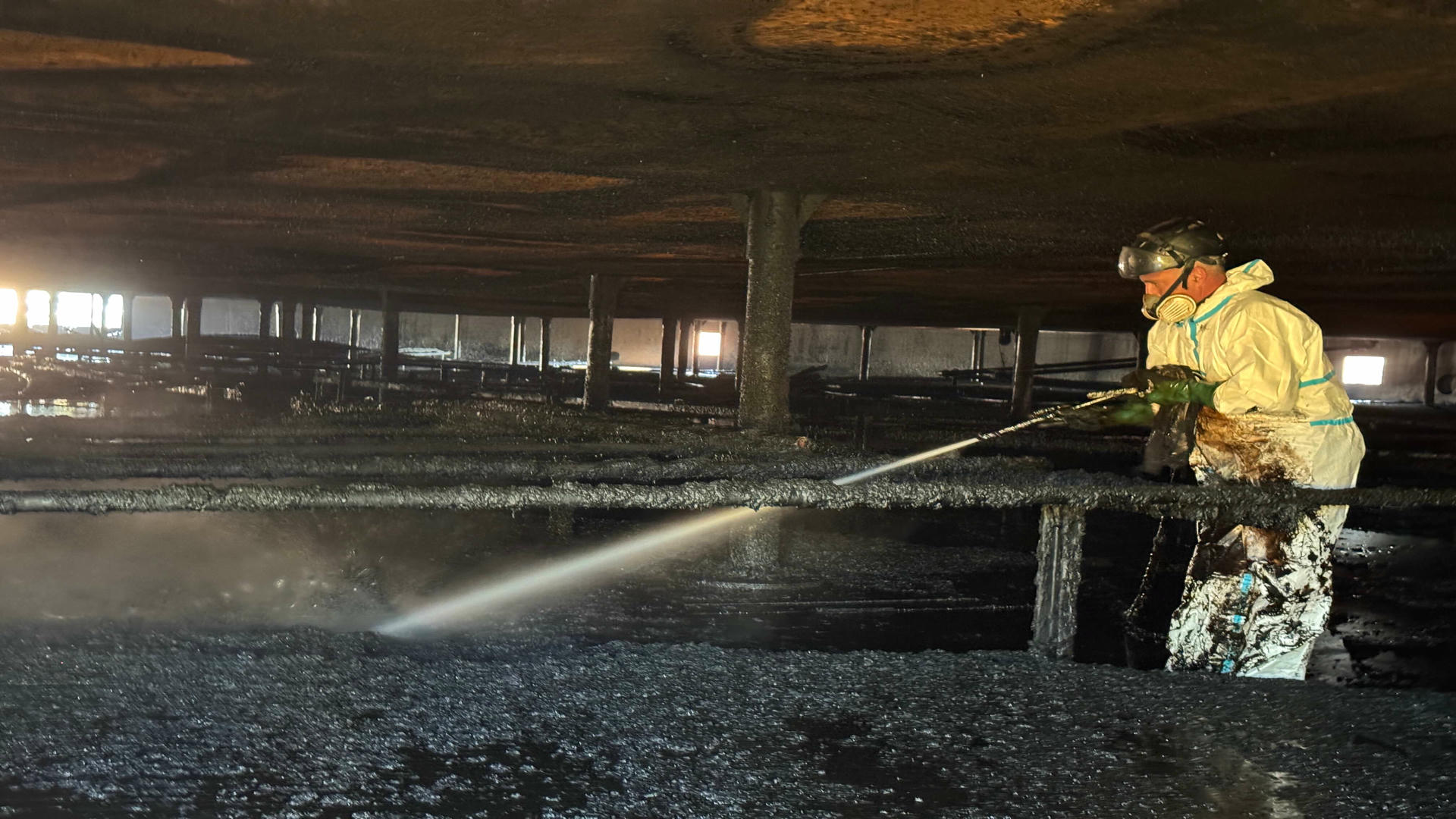
High-Pressure Hydrodynamic Cleaning: Benefits for Industrial Pipelines
High-pressure hydrodynamic cleaning is one of the most effective techniques for industrial pipeline maintenance, especially when it comes to removing hard scaling, solid residues, and persistent deposits.
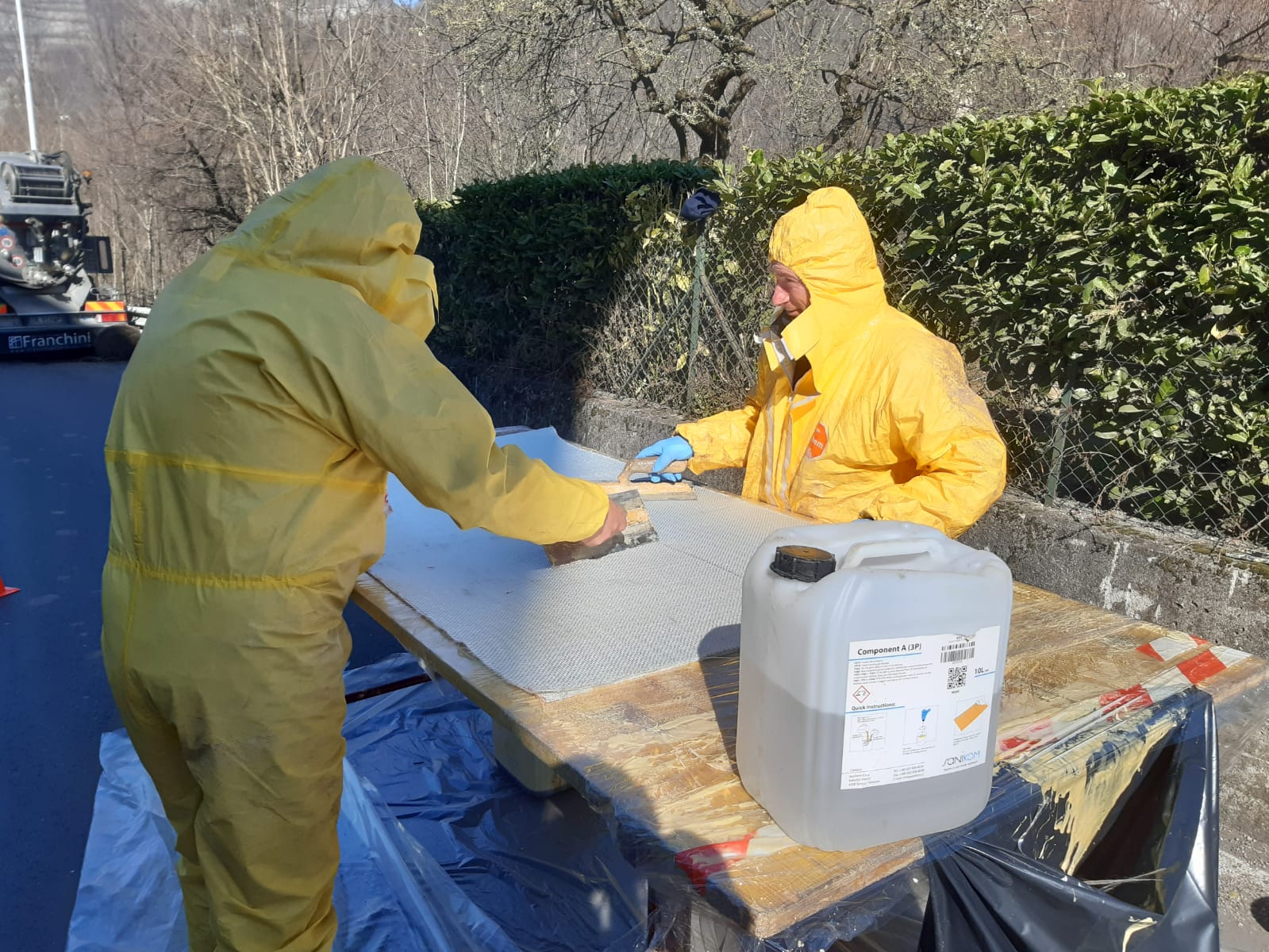
Relining vs Packer: Best Sewer Repair Method
Relining or packer? Discover differences, benefits, and the best trenchless solution for sewer pipe repair and rehabilitation.
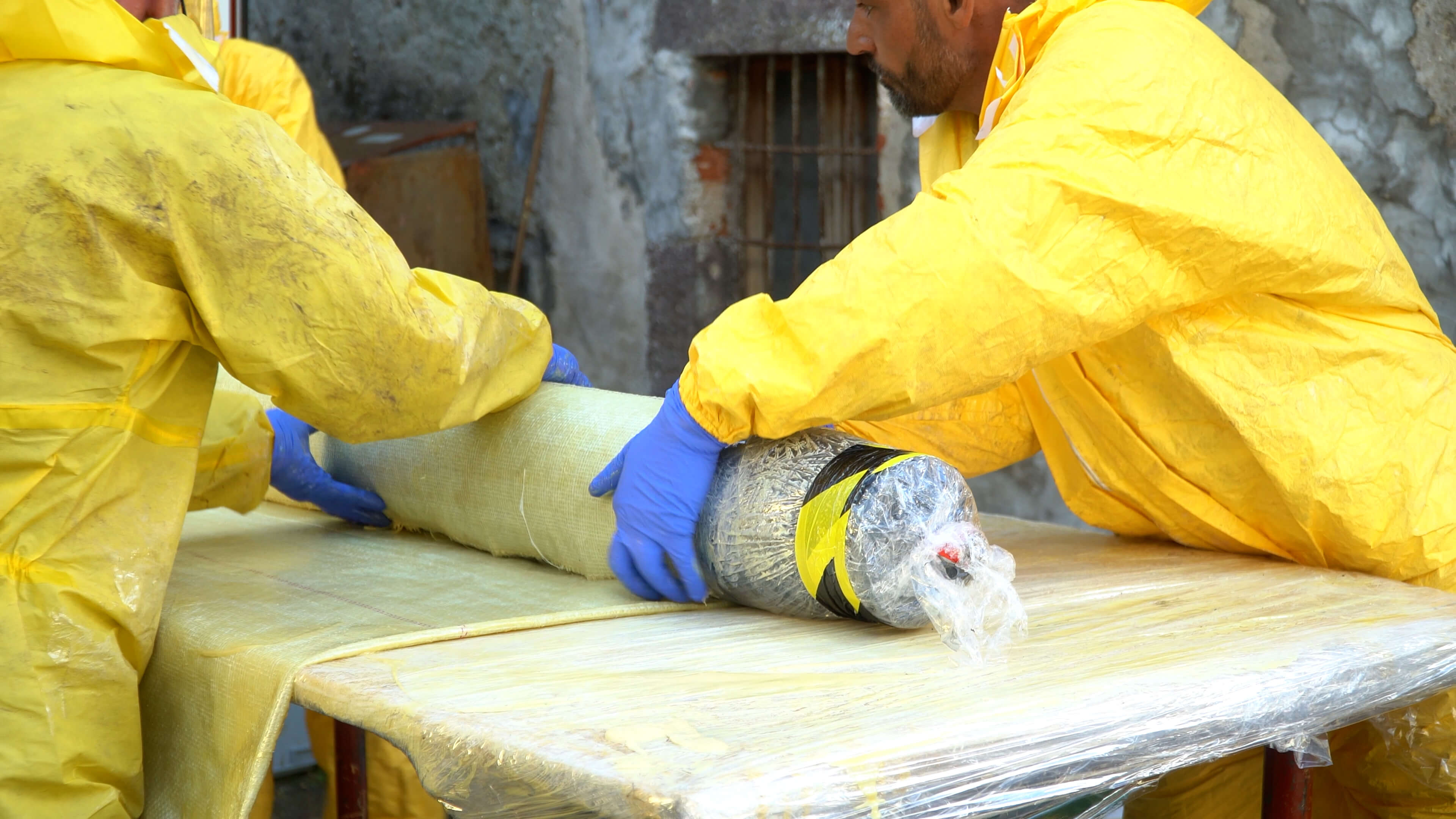
Repairing pipes without breaking anything: the ultimate guide to relining
Repairing broken pipes without resorting to demolition is possible thanks to relining, a no-dig technology that allows the pipeline to be reconstructed from the inside by inserting a thermosetting resin liner. This method eliminates the need to break walls, floors, or dig up the garden, reducing intervention times by 50% and significantly cutting costs related to restoring building surfaces.
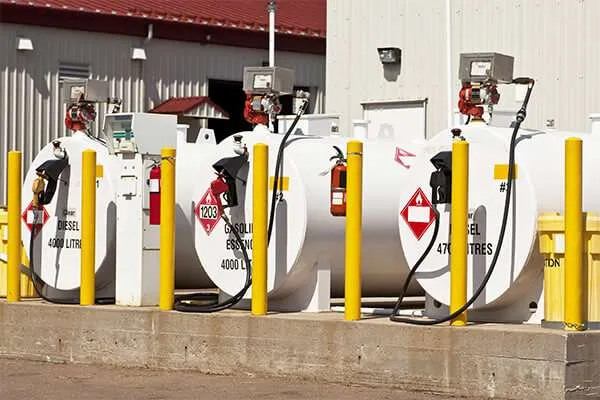
Fuel Tank Cleaning: Services for Industrial Storage Tanks and Fuel Supply Systems
Fuel tank cleaning is an essential technical operation to ensure safety, operational continuity and, above all, regulatory compliance in the management of industrial storage tanks and fuel supply systems. Over time, tanks tend to accumulate sludge, degraded fuel residues, sediments and condensation water that can compromise fuel quality and the proper operation of the system.
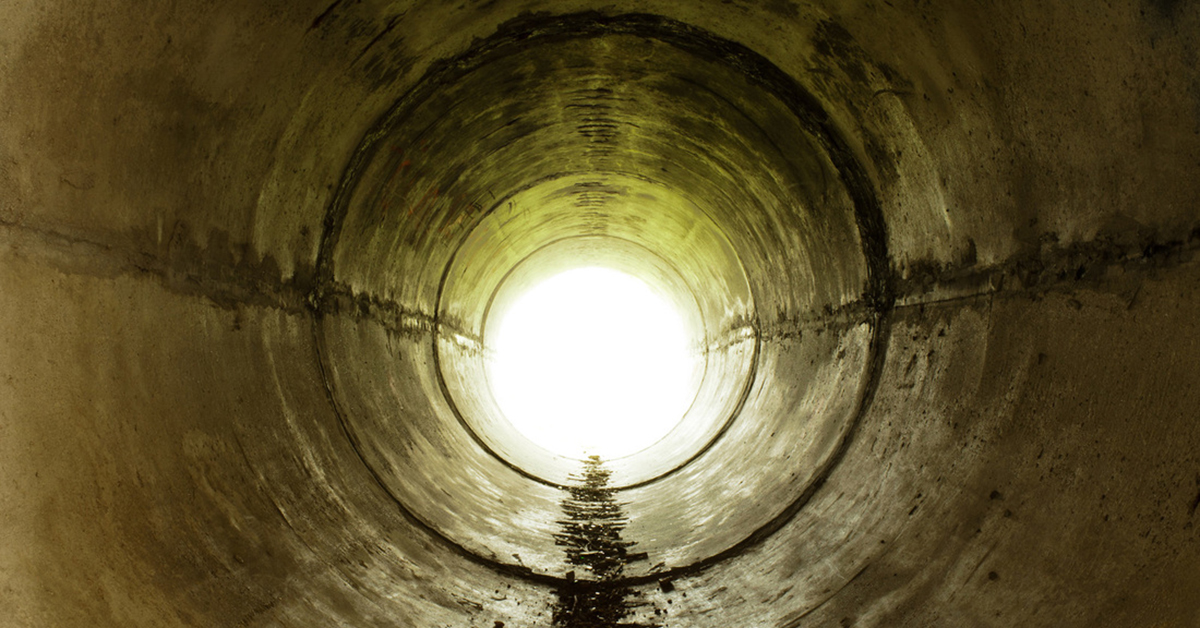
Pipeline and Drain Video Inspection: What It Reveals, What It Detects, and When It Is Required
Pipeline and drain video inspections are among the most effective methods for assessing the condition of sewer networks, industrial systems, and underground pipelines without the need for excavation or demolition. Using high-definition cameras inserted directly into the pipes, technicians can accurately identify blockages, structural failures, infiltrations, and damage, allowing targeted maintenance while reducing costs and downtime.