The suction excavator is a specialised vehicle that uses a powerful vacuum system to remove materials from the ground without resorting to traditional mechanical excavation. It is employed in environmental and industrial work where precision, safety, and reduced risk of damaging underground utilities and buried structures are required.
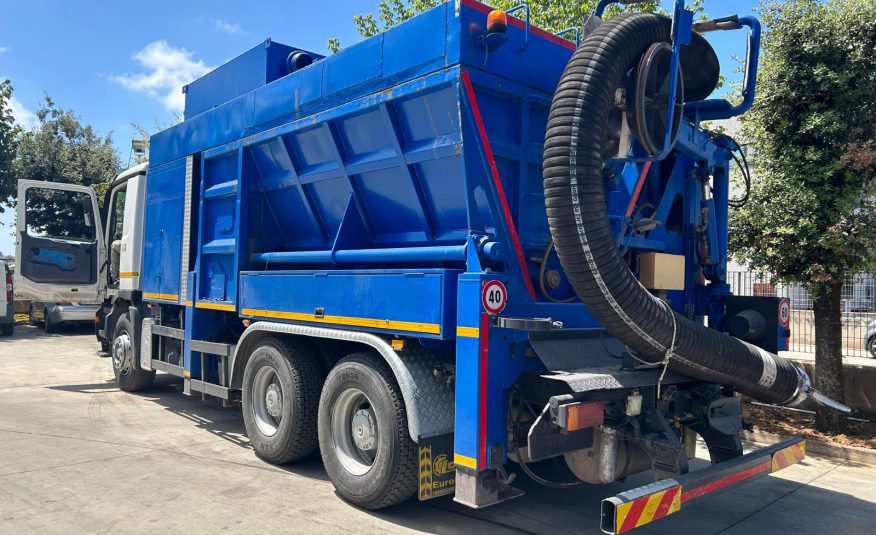
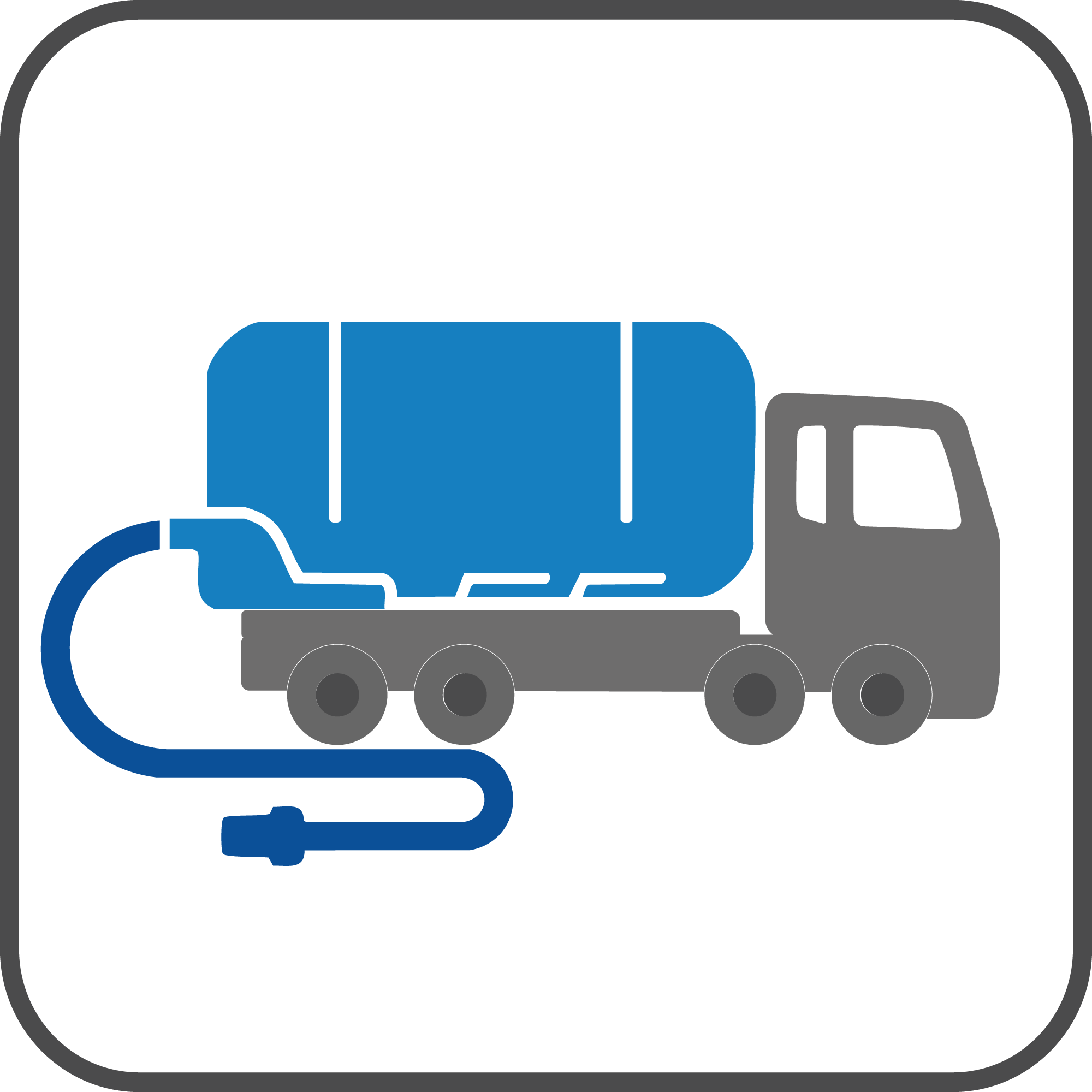
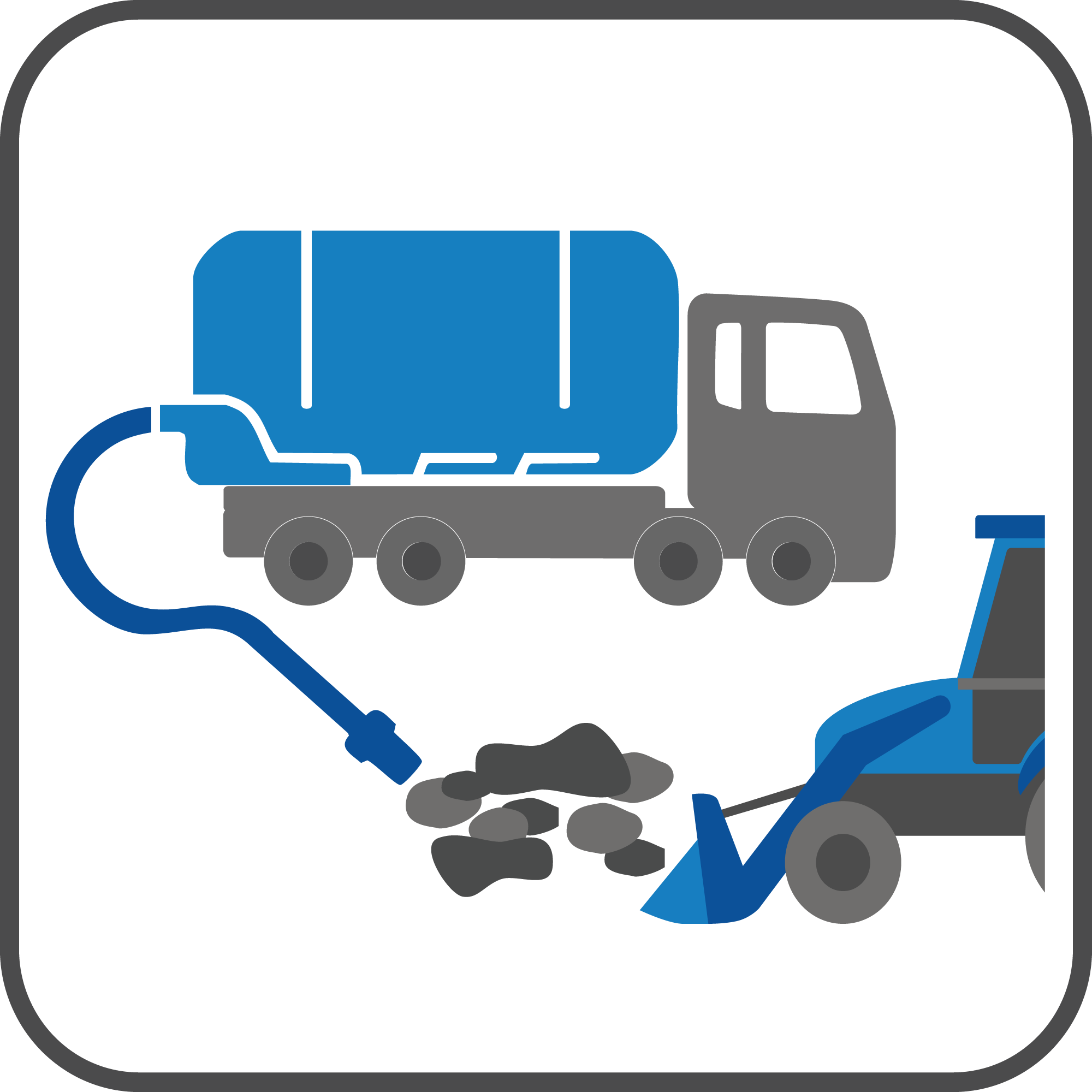
The suction excavator consists of a vehicle equipped with a powerful suction turbine connected to a large-diameter flexible hose. The material is broken up using compressed air jets or high-pressure water and immediately suctioned through the hose, conveyed into the collection tank mounted on the vehicle. The entire process takes place without direct mechanical contact between metal tools and the ground, eliminating the risk of damaging underground utilities.
The suction power allows the removal of a wide range of materials: soil, sand, gravel, sludge, debris, and granular materials of various kinds. Some advanced models can also suction wet or partially consolidated materials, adapting the pressure and airflow to the specific site conditions. The suctioned material is collected in the tank and subsequently transported for disposal or reuse in accordance with current regulations.
The suction excavator is used in all situations where traditional mechanical excavation is risky, imprecise, or not permitted by site conditions.
The most common applications include:
The versatility of the suction excavator makes it an essential tool on sites where safety, precision, and the protection of existing infrastructure are fundamental operational priorities.
Compared to traditional mechanical excavation with excavators and loaders, the suction excavator offers significant advantages in terms of safety, precision, and environmental impact.
The comparison between the two methods highlights:
| Aspect | Traditional excavation | Suction excavator |
| Risk to utilities | High due to direct mechanical contact | Minimal thanks to non-contact suction |
| Excavation precision | Limited by tool size | High thanks to flow control |
| Site footprint | Significant for equipment and spoil | Reduced thanks to direct collection in tank |
| Material management | On-site accumulation and separate transport | Direct suction and integrated transport |
| Environmental impact | High dust, noise, and vibrations | Reduced thanks to closed suction system |
The combination of operational safety, precision, and reduced environmental impact makes the suction excavator the most appropriate choice in all contexts where traditional excavation would pose unacceptable risks to existing infrastructure or the surrounding environment.
In environmental remediation work, the suction excavator plays a particularly important role in the controlled removal of contaminated soil. The ability to suction material directly from the excavation point and convey it into sealed tanks minimises the dispersion of pollutants into the air and surrounding soil, ensuring safer management in compliance with regulatory requirements.
The suction excavator also allows for surgical precision, selectively removing only contaminated material and preserving the surrounding uncontaminated soil. This targeted intervention capability translates into a significant reduction in the volumes of material to be disposed of and, consequently, in treatment and disposal costs.
The use of the suction excavator requires specific operational planning that takes into account the site characteristics, the nature of the materials to be removed, and access conditions. The vehicle must be able to reach the work area and position itself to operate with the suction hose in the excavation zone, maintaining an operational distance compatible with the arm and hose length.
The collection tank capacity determines the operational autonomy of the vehicle: larger tanks allow longer work sessions before the collected material needs to be transported to the disposal site. For long-duration interventions or with significant material volumes, a transport cycle with multiple tanks can be organised to ensure operational continuity.
The use of the suction excavator is a specialised service that requires professional equipment, qualified operators, and established experience in managing excavations in complex environmental and industrial contexts. The correct selection of equipment, tools, and operational methods is crucial to ensuring the effectiveness and safety of the intervention.
Franchini Servizi Ecologici has professional suction excavators for material aspiration, precision excavation, environmental remediation, and cleaning of buried structures. Every intervention is custom-planned based on the specific site conditions, operating in full compliance with current environmental and safety regulations.
The suction excavator can remove a wide range of materials: loose and compact soil, sand, gravel, sludge, debris, granular materials, industrial dust, and processing residues. The suction capacity varies based on the turbine power and hose diameter. Some advanced models can also work on wet, partially consolidated, or mixed materials, adapting the air or water jet pressure to break up the material before suction. The main limitations concern very compact materials such as rock, large reinforced concrete blocks, and heavy metallic materials, which require prior mechanical breaking before they can be suctioned. In any case, a preliminary assessment of the material to be removed determines the feasibility of the intervention and allows the most suitable configuration to be selected.
The risk of damaging underground utilities with the suction excavator is drastically lower compared to traditional mechanical excavation. Since material is removed by suction and not by direct mechanical contact with metal tools, pipes, cables, and conduits are progressively exposed without suffering impacts or mechanical stress. The pressure of the air or water jet used to break up the soil can be adjusted based on the sensitivity of the underground utilities present, further reducing the risk of damage. In the presence of particularly delicate utilities or pipelines made of fragile materials, the operator can reduce the suction power and work more cautiously in the critical zone. This operational flexibility makes the suction excavator the safest available tool for excavations near buried infrastructure.
The cost of a suction excavator intervention depends on several factors: the duration of the intervention, the volume of material to be removed, the distance from the disposal site, the nature of the suctioned material, and site access conditions. In general, the hourly cost of the suction excavator is higher than that of a traditional mechanical excavator. However, the overall intervention cost is often lower when considering the savings from reduced need to repair damaged utilities, shorter working times thanks to the elimination of manual approach excavation phases, and integrated material management. In environmental remediation contexts, the savings are even more significant due to the reduction in volumes of contaminated material to be disposed of. A preliminary assessment allows costs to be estimated and compared with available alternatives.
The suction excavator is one of the most suitable tools for contaminated site remediation. The ability to suction contaminated soil directly at the removal point and convey it into sealed tanks allows the material to be managed under controlled conditions, minimising the dispersion of pollutants into the surrounding environment. The closed suction and collection system significantly reduces operator exposure to contaminants and dust production, aspects that are particularly critical at sites with hazardous substances. The precision of suction also allows removal to be limited to only the actually contaminated soil, reducing the overall volumes to be sent to treatment facilities. For remediation of sites with asbestos, hydrocarbons, heavy metals, or other hazardous substances, the suction excavator often represents the safest operational solution that complies with control authority requirements.