Tank integrity tests are a critical step in ensuring the safety and regulatory compliance of industrial facilities. Through specific testing methodologies it is possible to detect leaks, micro-cracks and structural defects that could compromise the containment of hazardous liquids. Periodically verifying the integrity of an industrial tank helps prevent environmental contamination, regulatory penalties and costly emergency interventions.
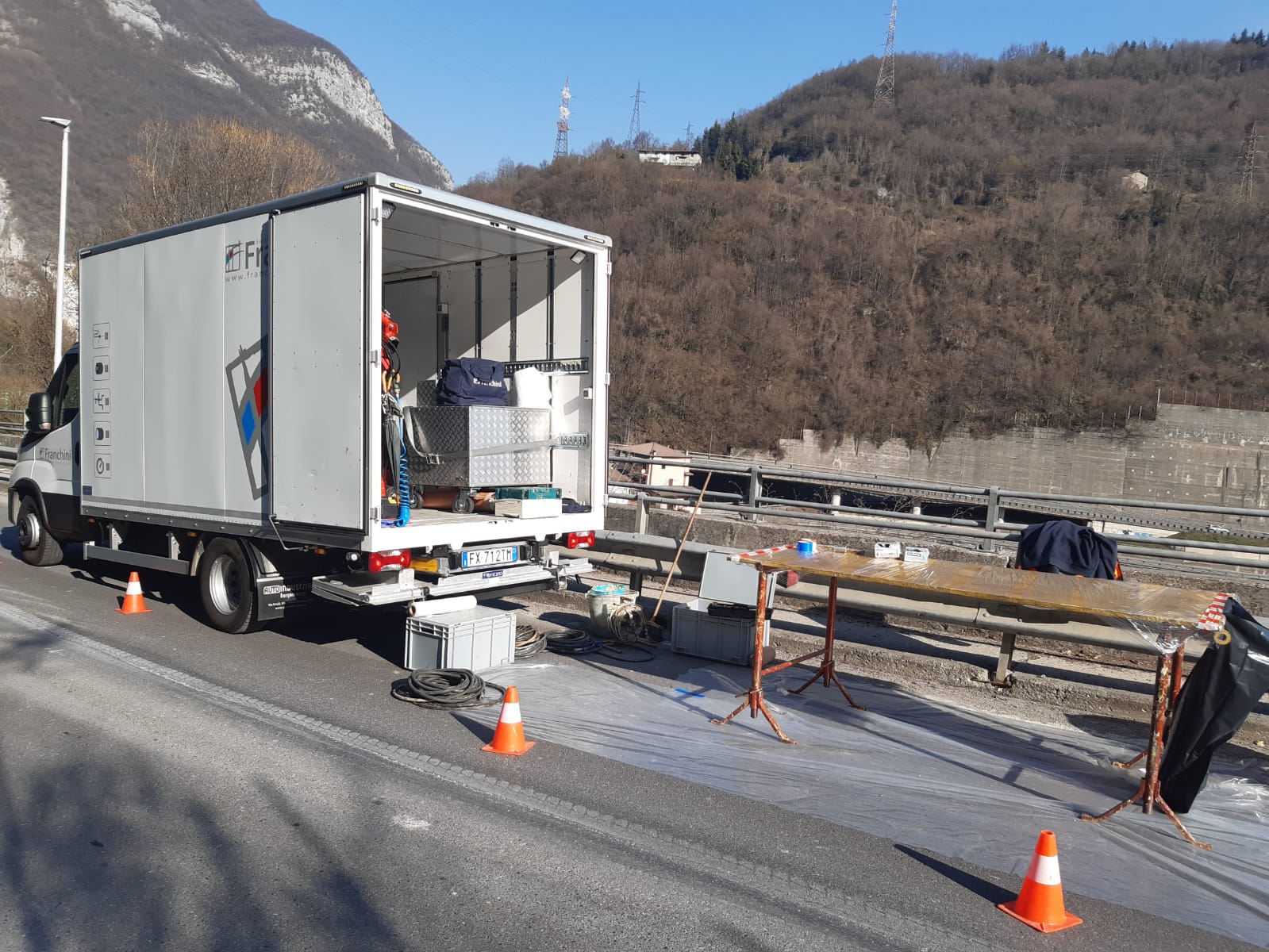
There are several methodologies for performing an integrity test on an industrial tank, each with specific characteristics that make it more or less suitable depending on the type of tank, the construction material and the operating conditions. The choice of method also depends on the regulatory requirements applicable to the site and the type of substances contained. The main techniques employed in the sector are described below.
The main types of integrity tests include:
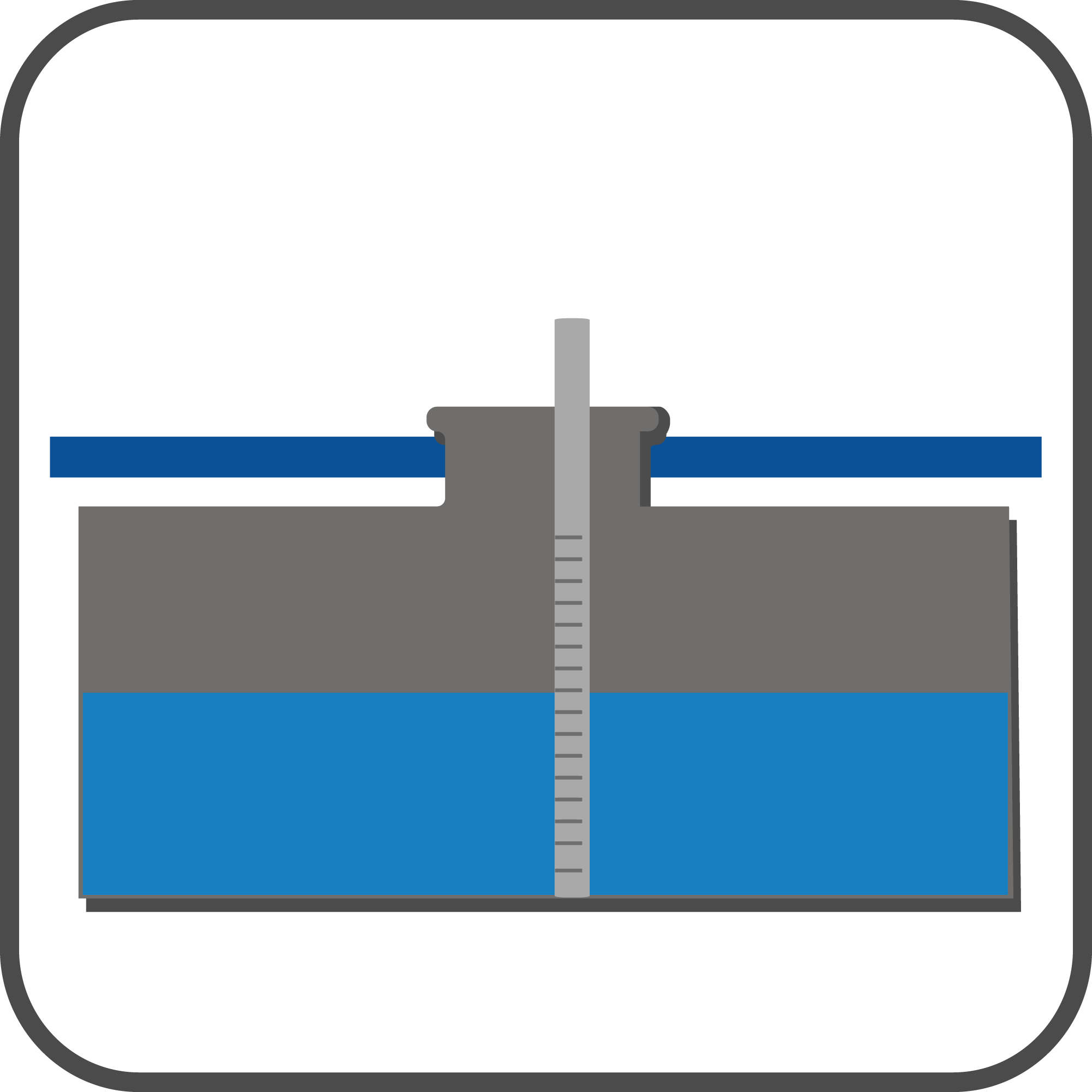
• Hydraulic (or hydrostatic) test: the tank is completely filled with water and the level is monitored for a set period. A drop in level indicates the presence of a leak. It is the most widely used method for underground and above-ground tanks.
• Vacuum test: a negative pressure is created inside the tank or on portions of it using vacuum bells. Any air infiltration through cracks or defective joints is detected by measuring instruments.
• Pressure (pneumatic) test: air or inert gas is introduced into the tank at a pressure above atmospheric and the pressure is verified to remain constant over time. It is particularly suitable for tanks that cannot be filled with water.
• Visual and instrumental inspection: specialised technicians examine the internal and external surfaces of the tank looking for cracks, corrosion, deformation or signs of failure. It can be supplemented with the use of endoscopic cameras.
• Tracer test: a tracer (fluorescent dye or specific gas) is introduced into the tank and its possible escape to the outside is checked using dedicated detectors. It is useful for precisely locating the point of leakage.
Scheduling integrity tests with the right timing is essential to keep the tank in safe and compliant operating conditions. There is no single universal rule: the frequency depends on the type of tank, the substances contained, the age of the facility and the requirements of the environmental authorisation. However, there are specific situations in which an integrity test becomes particularly urgent or mandatory.
The first circumstance is the initial acceptance test, which is carried out when a new tank is installed before it enters service. This test is necessary to certify that the tank has been correctly built and installed and that it has no manufacturing defects. A second common circumstance is the scheduled periodic verification, established by regulations or by the prescriptions of the integrated environmental authorisation, with intervals that typically range from one to five years.
Further situations requiring an integrity test include the detection of anomalies during routine visual inspections, reports of suspicious odours or traces of liquid near the tank, the execution of extraordinary maintenance or repair work on the structure, and a change in the type of substance stored. Seismic events or exceptional mechanical stresses may also make an immediate integrity check necessary.
The following table compares the main integrity test methods, highlighting the characteristics, advantages and limitations of each to facilitate the choice of the most suitable solution for different operational needs.
| Method | Operating principle | Main advantages | Limitations |
| Hydraulic test | Water filling and level monitoring | High reliability, well-established standards | Requires large water volumes and long times |
| Vacuum test | Negative pressure and air infiltration detection | Precise defect localisation | Applicable only to limited tank sections |
| Pneumatic test | Air/gas injection and pressure monitoring | No water needed, fast execution | Safety risk with pressurised gas |
| Visual inspection | Direct surface examination | Low cost, immediate | Detects only visible surface defects |
| Tracer test | Tracer injection and external detection | Precise leak point localisation | High costs, requires specific equipment |
The choice of the most suitable method must be made according to the specific characteristics of the tank, the operational context and the regulatory requirements. In many cases, the most effective approach involves combining several methodologies to obtain a complete and reliable diagnostic picture of the container's structural integrity.
Integrity tests make it possible to identify a wide range of problems that can compromise the functionality and safety of an industrial tank. The types of defects that can be detected depend on the method used, but overall these checks provide an extremely useful diagnostic picture for planning maintenance work and preventing environmental incidents.
Among the most common problems are micro-cracks in the structure, caused by thermal loading and unloading cycles, by chemical reactions with the substances contained or by the natural ageing of materials. Corrosion is also a frequently encountered defect, particularly in metal tanks or those with deteriorated linings. Integrity tests also make it possible to detect defects in weld joints, gaskets and pipe connection points, which are the most vulnerable areas of the structure.
A further category of identifiable problems concerns structural deformations due to ground subsidence, overloading or seismic stress. These deformations, even when they do not cause immediate leaks, can progressively weaken the tank to the point of failure. Finally, integrity tests can reveal original construction defects, such as concrete porosity, defective waterproofing or errors in the assembly of prefabricated components.
Franchini Servizi Ecologici provides a team of highly qualified technicians for carrying out integrity tests on industrial tanks of any size and type. Thanks to many years of experience in the ecological and environmental services sector, we are able to offer a comprehensive service that includes preliminary assessment, test execution with the most suitable methodology, preparation of the technical report and advice on any necessary corrective actions.
Every intervention is planned to minimise the impact on the client's production activities, while ensuring full compliance with current regulations and the highest safety standards. Our certified instrumentation and proven operating procedures allow us to provide reliable results and complete technical documentation, valid for inspection purposes and environmental authorisations. Find out more about our integrity testing services by visiting our service page or return to the home to explore all the solutions we can offer you.
An integrity test is a technical procedure that verifies the ability of an industrial tank to contain liquids without any dispersion to the outside. It is performed by applying controlled stresses such as water filling, vacuum creation or pressurised gas injection, and monitoring the relevant parameters over a defined period. The importance of carrying it out regularly lies in the fact that many problems, such as micro-cracks and corrosion, develop gradually and may not be visible to the naked eye. Without periodic checks, a small leak can worsen to the point of causing significant environmental contamination of the soil or groundwater, with very serious economic and legal consequences. Furthermore, Italian environmental legislation, in particular Legislative Decree 152/2006, sets specific periodic verification obligations for certain types of tanks and facilities. Regular integrity testing therefore not only protects the environment and worker safety, but also maintains regulatory compliance and avoids penalties.
The hydraulic test involves completely filling the tank with water and monitoring the level for a set period, usually between 24 and 72 hours. If the level drops beyond the tolerance threshold defined by regulations, the presence of a leak is inferred. This method is considered the most reliable because water, being incompressible, makes it possible to detect even very small leaks. The pneumatic test, on the other hand, involves introducing compressed air or inert gas into the tank and monitoring the pressure over time. It is particularly useful when the tank cannot be filled with water, for example for structural reasons or because the tank's contents are incompatible with water. The hydraulic test is generally preferable for underground tanks used for liquid storage, because it provides more accurate results and also allows the integrity to be checked under actual operating conditions. The pneumatic test is more suitable for elevated tanks, small containers or situations where water availability is limited, but it requires greater safety precautions due to the energy stored in the compressed gas.
The duration of an integrity test varies significantly depending on the method used, the size of the tank and the specific conditions of the facility. A complete hydraulic test can take from a minimum of 48 hours up to a week, considering the filling, stabilisation and monitoring phases. Pneumatic and vacuum tests are generally faster and can be completed within a working day. The process typically consists of five main stages: the first is preparation, which includes emptying and cleaning the tank, checking the condition of the pipes and valves, and installing the monitoring instrumentation. The second stage is the application of the stress, namely filling with water, injecting air or creating a vacuum. The third stage is the stabilisation period, necessary to allow the parameters to reach equilibrium before the actual measurements begin. The fourth stage is active monitoring, during which technicians record data at regular intervals and verify the consistency of the parameters. Finally, the fifth stage comprises the analysis of the collected data and the preparation of the final technical report with the test outcome.
In Italy, the main regulatory framework governing industrial tank integrity tests is Legislative Decree 152/2006, known as the Consolidated Environmental Act, which establishes the general principles for waste management, water protection and soil pollution prevention. For underground tanks used to store hazardous substances, the decree sets specific obligations for periodic integrity verification. The integrated environmental authorisations (AIA) issued to individual facilities may also contain detailed prescriptions on the frequency and methods of integrity tests. At the technical level, UNI standards and European EN standards provide guidance on test procedures and acceptability criteria. The consequences of failing to comply with these obligations can be very severe: the administrative penalties provided for by Legislative Decree 152/2006 can reach significant amounts, and in the most serious cases environmental criminal offences may apply. Furthermore, in the event of confirmed contamination, the responsible party is required to remediate the site at their own expense, with costs that can reach very high figures. The lack of integrity test documentation can also lead to the suspension or revocation of the operating licence.
Yes, in many cases it is possible to plan integrity tests in a way that minimises the impact on production activities, although a certain degree of interference is generally unavoidable. The tank being tested must be emptied and made available for inspection, which means its contents must be temporarily transferred to another container or managed differently. However, an experienced operator such as Franchini Servizi Ecologici can coordinate the intervention to limit the tank downtime to the strictly necessary period. In some cases, partial tests can be performed, such as vacuum testing on specific sections of the tank, without the need to completely empty the container. Visual and instrumental inspection can also be conducted on tanks partially in service, provided that safety conditions are guaranteed for the operators. Forward planning is fundamental: scheduling the integrity test during routine maintenance periods or planned facility shutdowns makes it possible to optimise timing and reduce the overall costs of the intervention. Effective communication between the service provider and the facility manager is the key to finding the most balanced operational solution.