
Hydrostatic Testing of Tanks (Water Test)
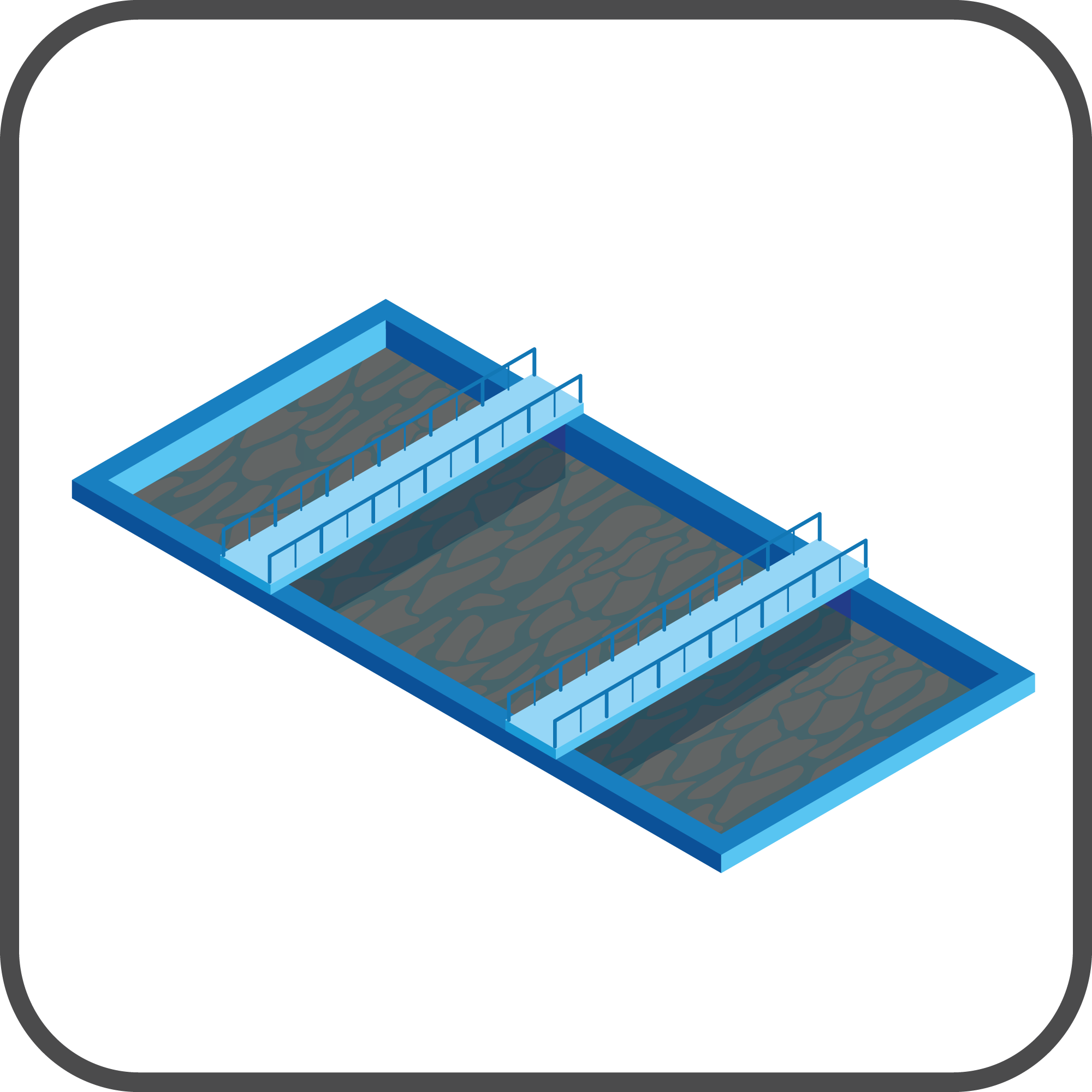
The perfect watertightness of tanks and basins is a non-negotiable requirement for fire safety, environmental protection, and regulatory compliance. Structures such as first flush tanks, fire-fighting water reserves, or industrial containment basins must guarantee absolute watertightness to perform their critical function.
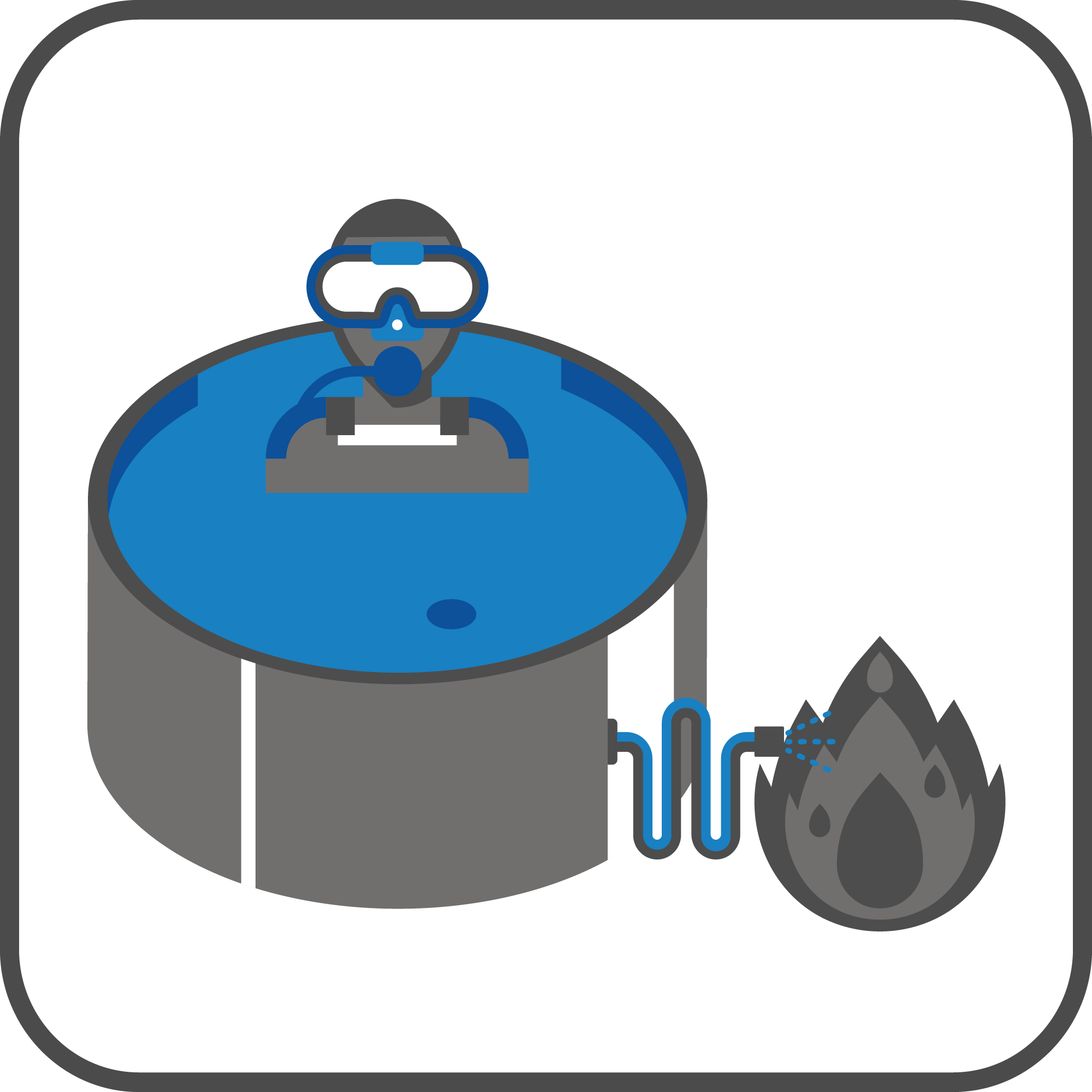
Franchini Servizi Ecologici performs tests and leak tests according to the hydrostatic method (Water Test), the procedure certified and recognized by UNI standards to unequivocally verify the watertightness of any containment structure.
Why is Tank Testing a Safety Guarantee?
Checking the watertightness of a tank is a fundamental operation for:
- Ensuring Fire Safety: A leaking water reserve tank may be insufficient or empty in the event of an emergency, negating the effectiveness of the fire prevention system.
- Ensuring Environmental Protection: First flush and containment tanks must be perfectly sealed to prevent pollutants and accidental spills from contaminating the ground.
- Complying with Regulatory and Insurance Requirements: A successful test is often a mandatory requirement for obtaining certifications (e.g., Fire Prevention Certificate) and is required by insurance companies.
- Verifying Structural Integrity: The test allows us to validate the correct execution of the work. and the absence of construction defects or cracks.
The Hydrostatic Method (Water Test) according to the UNI Standard
The principle of the Water Test is direct and rigorous: verify the stability of the water level inside the tank for a defined period of time. Our process scrupulously follows the relevant UNI standards.
- Filling the Tank: The structure is filled with water up to the maximum operating level envisaged by the design.
- Settling Period: A suitable period of time is allowed (as prescribed by the standard) to allow initial absorption by the concrete walls and stabilization of the structure.
- Precision Monitoring: The actual test begins. We use high-precision instruments (hydrometric levels, electronic sensors) to monitor the free water level for the period required by law (e.g., 24, 48, or 72 hours).
- Result Analysis and Certification: At the end of the monitoring, we verify that any decrease in the level falls within the maximum tolerances allowed by the law, also taking into account environmental factors (e.g., evaporation). If the result is positive, we issue the technical report and certification of successful testing.
Main Application Areas
The hydrostatic method is the test of choice for:
- Water reserve tanks for fire-fighting systems
- First rain tanks for rainwater treatment
- Containment basins for hazardous substances in industrial areas
- Tanks and tanks for wastewater treatment plants
- Swimming pools, fountains, and other artificial water bodies
Certify the Safety and Compliance of Your Containment Systems.
Trust our technicians to perform UNI-compliant leak tests and obtain certifications valid for all legal purposes.
Related Econews
Tank Leak Tests with Nitrogen: Effective Inspection and Plant Safety
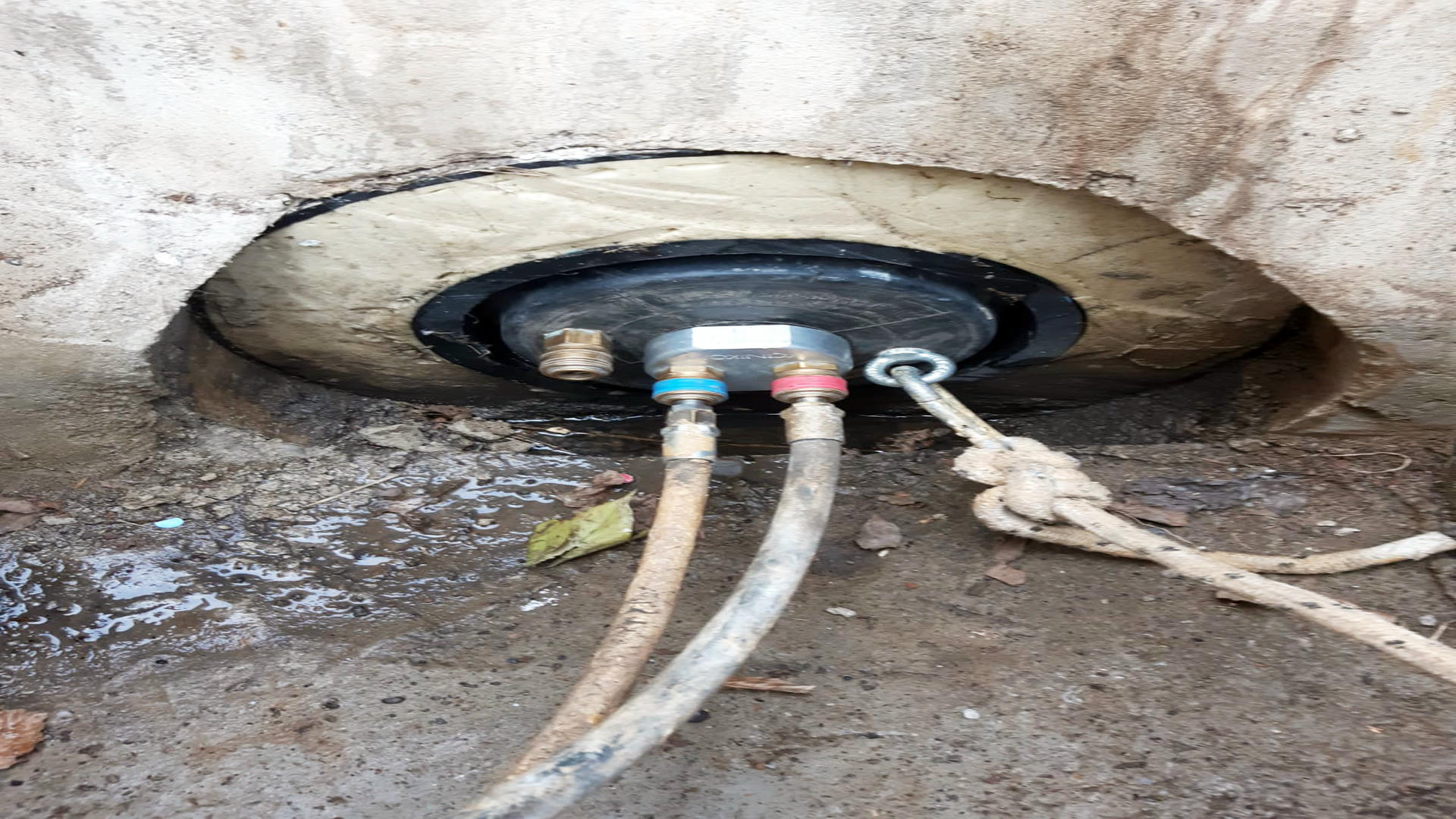
Nitrogen tank leak tests are a fundamental method used to verify the integrity of storage systems and prevent potential leaks. This type of inspection is especially important for double-chamber tanks, where even small, non-visible leaks can compromise the overall safety of the system. The use of nitrogen allows for precise, fast, and non-invasive verification.