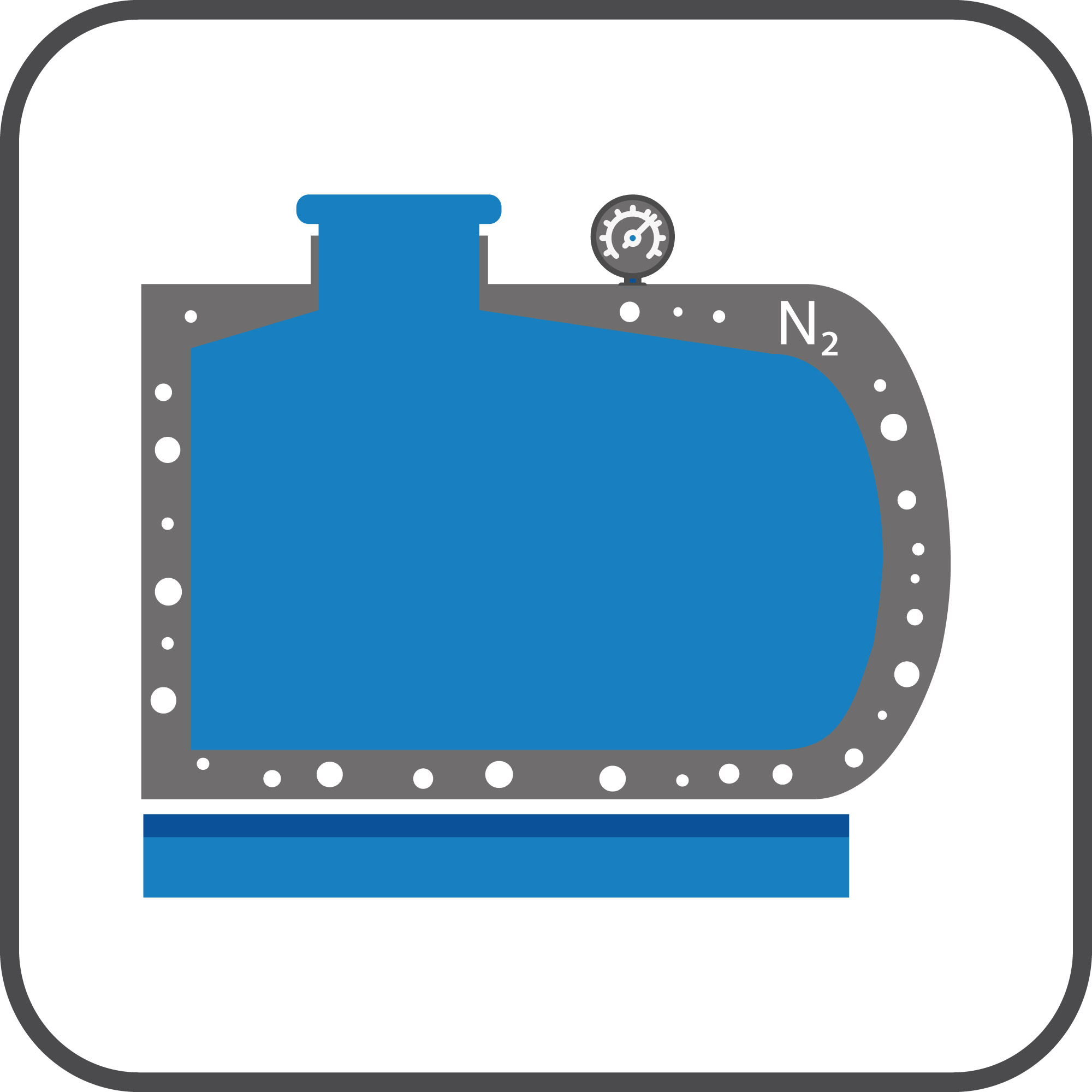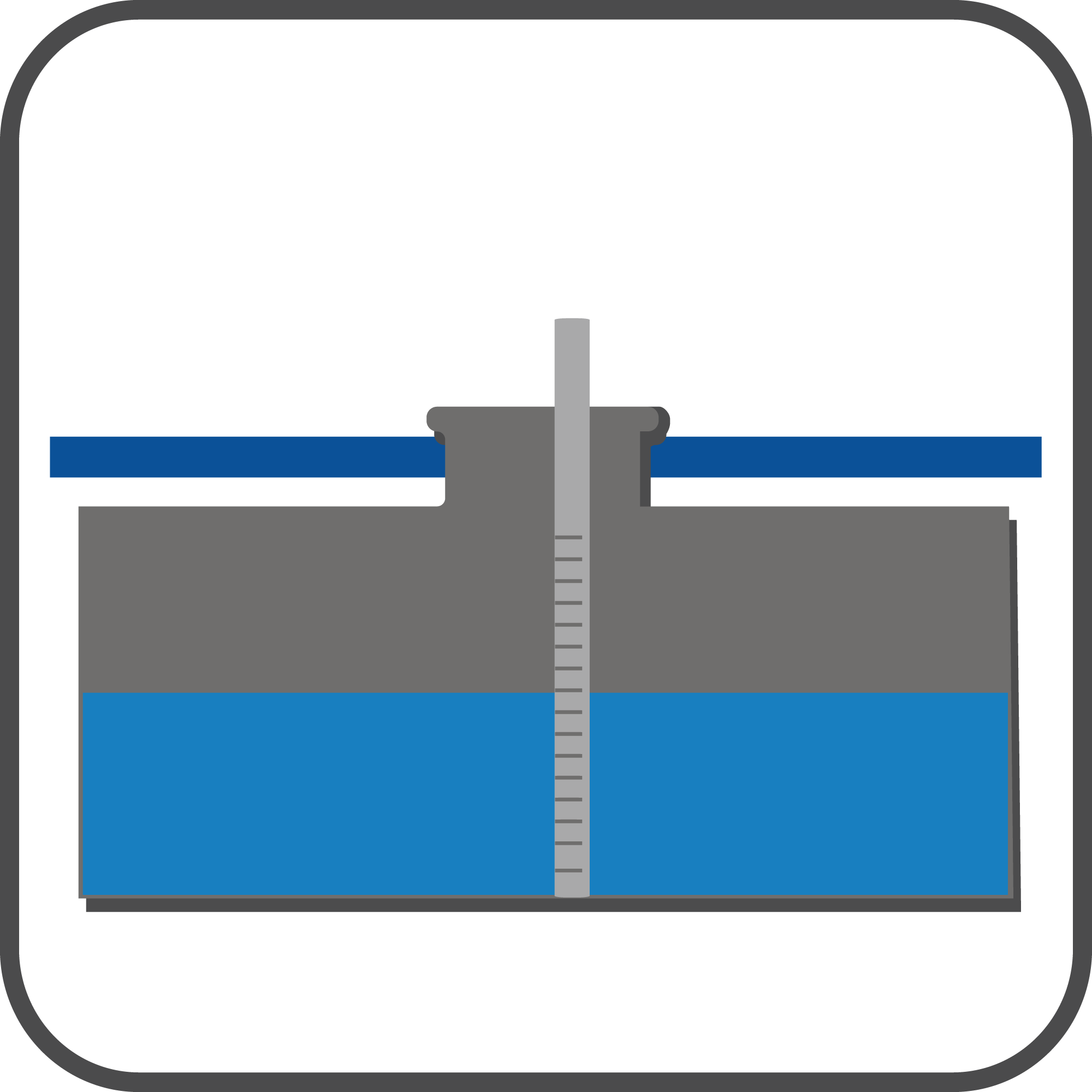
Nitrogen tank leak tests are a fundamental method used to verify the integrity of storage systems and prevent potential leaks. This type of inspection is especially important for double-chamber tanks, where even small, non-visible leaks can compromise the overall safety of the system. The use of nitrogen allows for precise, fast, and non-invasive verification.
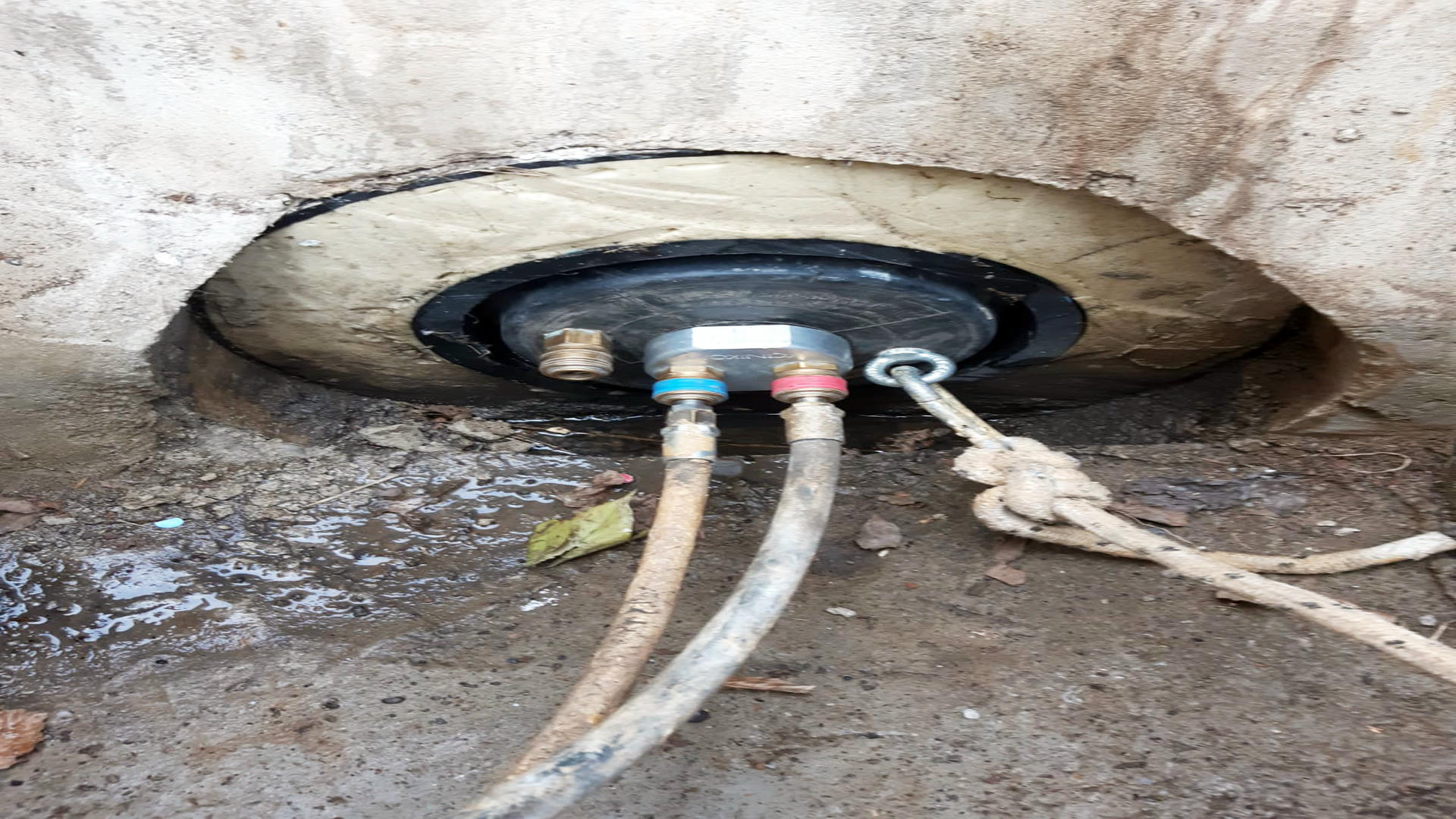
A nitrogen leak test is a technical procedure used to verify internal pressure stability in a tank and detect any possible losses.
Nitrogen is used because it is an inert, stable, and safe gas, ideal for this type of inspection.
The procedure is based on:
If the pressure remains stable, the tank is considered fully sealed.
Leak tests follow a standardized procedure that ensures reliable results and operational safety.
The main steps are:
This approach provides accurate diagnostics without interrupting system operation.
Using nitrogen for tank leak testing offers several advantages compared to traditional methods.
Key benefits include:
This method is particularly suitable for systems requiring continuous operation.
Tank leak tests must comply with environmental and safety regulations in force.
The main reference is the Italian Law No. 179 of 31 July 2002 – “Environmental Provisions”, published in Gazzetta Ufficiale (Official Gazette) No. 189 of 13 August 2002.
The regulation requires:
Compliance is essential to ensure system safety and legal conformity.
Nitrogen tank leak tests require specialized expertise and certified equipment to ensure reliable results.
Franchini Servizi Ecologici performs leak testing on double-chamber tanks using precise and non-invasive methods, ensuring fast, safe, and fully compliant inspections. The goal is to guarantee maximum system reliability while preventing any risk of leakage or contamination.
They are inspections used to verify tank pressure stability and detect possible leaks.
Because it is an inert, safe gas ideal for pressure testing without chemical reactions.
No, the test is performed without draining or interrupting operations.
It depends on the tank type, but it usually requires only a few minutes of monitoring.
It indicates a leak and the tank requires maintenance or repair.
It may be required depending on safety regulations and system type.
DECRETO LEGISLATIVO 13 agosto 2002, legge 31 luglio 2002, n 179 - Disposizioni in materia ambientale