Tank remediation is an essential technical operation to ensure the safety of industrial facilities and environmental protection. Whether dealing with underground, above-ground or decommissioned tanks, remediation operations include draining, degassing, cleaning and final certification. Understanding the correct procedures and regulatory framework enables compliant operations and prevents contamination risks.
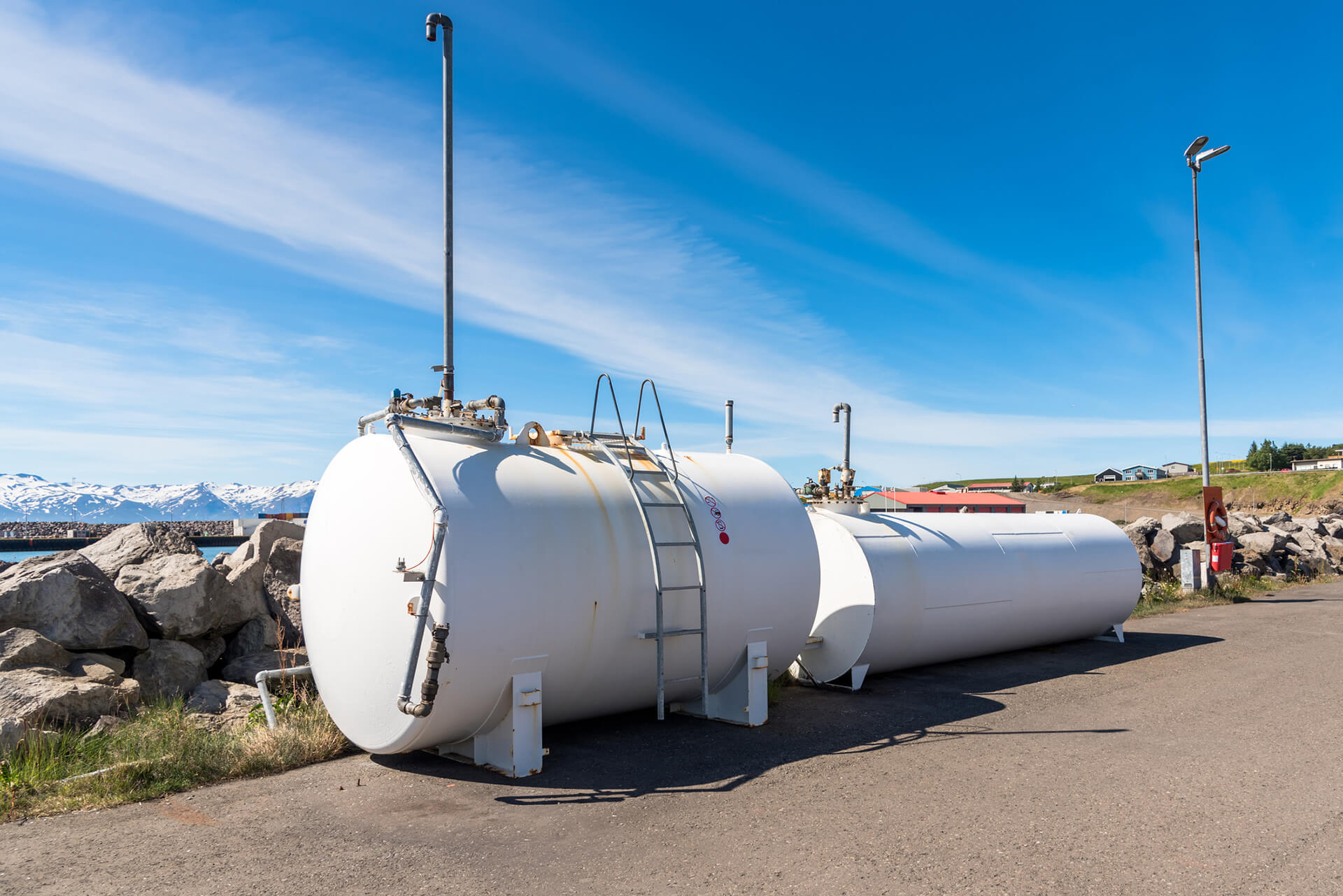
Tank remediation is the set of technical operations aimed at safely removing the residues contained within a tank, eliminating vapours and hazardous substances, and restoring conditions suitable for maintenance, conversion or decommissioning of the installation. It is not a simple cleaning operation but an articulated process requiring specialist expertise, certified equipment and strict compliance with environmental and occupational safety regulations.
The need to carry out remediation can stem from multiple factors: the permanent decommissioning of a tank, a change in intended use, the detection of contamination or leaks, or the fulfilment of periodic obligations imposed by current legislation. Neglecting this operation exposes the company to significant risks, including soil and groundwater contamination, administrative and criminal penalties, as well as concrete dangers to the health of workers and surrounding communities.
Relying on a specialist operator such as Franchini Servizi Ecologici means having the guarantee of a compliant, documented and traceable intervention, from the preliminary analysis phase through to the issue of the final remediation certification. Every phase is carried out according to established protocols, with suitable equipment and personnel trained to work in confined and potentially explosive environments.
Remediation operations can involve a wide range of tanks, each with specific characteristics that influence the intervention methods. The type of tank, the stored content and its location determine the level of complexity of the operation and the precautions necessary to ensure the safety of operators and the environment.
The main types of tanks requiring remediation include:
Tank remediation is structured into clearly defined operational phases, each of which is essential to ensure the safety of the intervention and regulatory compliance. The process begins with a preliminary analysis of the tank, which includes an assessment of the residual contents, structural condition and environmental conditions of the site. This phase enables targeted planning of the intervention and the preparation of all necessary safety measures.
The first operational phase is the complete draining of the tank, with suction of the residual product and sediments deposited on the bottom. The extracted material is classified and directed to the correct disposal or recovery process in accordance with waste regulations. This is followed by degassing, a critical step especially for tanks that have contained volatile or flammable substances. Through forced ventilation and atmospheric monitoring, concentrations of hazardous gases are reduced to safe levels for operator entry.
The internal cleaning of the tank then takes place using high-pressure washing, hydroblasting or industrial suction techniques. Once cleaning is complete, the tank is inspected to verify its structural integrity. The entire process concludes with the issue of the remediation certification, an essential document that certifies the compliance of the intervention and which must be retained by the company as documentary evidence.
Comparison of remediation types by tank category
The choice of remediation procedure depends on the type of tank, the stored content and the operational context. Each situation requires a specific approach that takes into account the associated risks and applicable regulations. The following table provides a comparative overview of the main scenarios.
Comparative table of tank remediation types:
| Tank type | Main procedure | Specific risk | Required certification |
| Underground diesel tank | Draining, degassing, cleaning, sludge removal | Explosion from residual vapours, aquifer contamination | Remediation certificate + soil analysis |
| Above-ground fuel tank | Residue suction, high-pressure washing, inspection | Fire, spillage during operations | Remediation certificate + reuse suitability |
| Chemical tank | Neutralisation, specific degassing, washing | Exposure to toxic or corrosive substances | Remediation certificate + updated safety data sheet |
| Decommissioned tank for removal | Complete remediation, inerting, excavation and removal | Subsoil contamination during removal | Remediation certificate + environmental characterisation |
| Wastewater tank | Sludge suction, wall cleaning, disinfection | Biological risk, toxic gases (H₂S) | Remediation certificate + residual effluent analysis |
As highlighted in the table, each type of tank presents specific risks that require adequate technical skills and professional equipment. Choosing the right operator is decisive for the success of the intervention and for the protection of the environment and health.
Tank remediation is governed by a comprehensive regulatory framework involving various provisions on environmental protection, workplace safety and waste management. The main reference is Legislative Decree 152/2006, the Consolidated Environmental Act, which regulates the remediation of contaminated sites and establishes the procedures to follow when contamination threshold concentrations are exceeded. For underground tanks, Ministerial Decree 246/1999 defines the technical requirements for installation, maintenance and decommissioning.
Regarding safety, Legislative Decree 81/2008 imposes specific obligations for work in confined spaces and environments suspected of contamination, with particular attention to operator training, emergency plan preparation and the use of personal protective equipment. Presidential Decree 177/2011 further strengthens these requirements, establishing that activities in confined spaces may only be carried out by qualified companies with trained and certified personnel.
Failure to comply with these regulations exposes the facility owner to civil and criminal liability, as well as administrative penalties that can reach significant amounts. Relying on a specialised company such as Franchini Servizi Ecologici means operating in full compliance with the regulatory framework, with the guarantee of complete and traceable documentation for every phase of the intervention.
Tank remediation is an operation that requires consolidated experience, specific equipment and thorough knowledge of current regulations. Franchini Servizi Ecologici operates in the industrial ecological services sector with a team of qualified professionals, holding the certifications necessary to work in confined and potentially hazardous environments. Every intervention is custom-planned based on the characteristics of the tank, the residual content and the specific needs of the client.
From the preliminary analysis phase through to the issue of the remediation certification, Franchini guarantees a complete, transparent and documented service. The company has state-of-the-art vehicles and technologies for draining, degassing, high-pressure washing and waste disposal, operating in full compliance with environmental and safety regulations. To request a site survey or a personalised quote, visit our dedicated process tank cleaning services page or our homepage to discover all the solutions we offer.
Tank remediation is mandatory in several circumstances specified by Italian legislation. First and foremost, when proceeding with the permanent decommissioning of a tank, whether underground or above-ground, remediation is an essential requirement before physical removal or site abandonment. Similarly, a change in the intended use of a tank, such as converting from fuel storage to food storage, requires certified remediation. The regulations also mandate remediation whenever leaks, contamination or exceedances of the threshold concentrations defined by Legislative Decree 152/2006 are detected. Even in the case of extraordinary maintenance requiring operator entry into the tank, preventive remediation is compulsory under Legislative Decree 81/2008 for safety in confined environments. Finally, environmental authorities may order remediation following inspections or reports, with binding timelines and procedures for the facility owner.
The duration of an industrial tank remediation varies significantly based on several factors, including the tank capacity, the type of residual content, structural conditions and the level of contamination found. A small tank with non-hazardous residues may require an intervention lasting one working day, while large tanks or those containing complex chemical substances may need several days of work. The degassing phase in particular can require longer periods if vapour concentrations are high and must be gradually reduced to ensure operator safety. The need for intermediate laboratory analyses to verify the effectiveness of the remediation can also extend the overall timeframe of the intervention. A specialised company such as Franchini Servizi Ecologici is able to provide an accurate time estimate during the preliminary site survey, planning the intervention to minimise plant downtime and ensure maximum operational efficiency.
Although the terms are sometimes used interchangeably, tank remediation and tank cleaning are two distinct interventions in terms of purpose, complexity and regulatory implications. Tank cleaning is a routine maintenance operation aimed at removing sediments, sludge and encrustations to maintain the operational efficiency of the container and the quality of the stored product. It is a periodic intervention that does not necessarily involve the presence of contamination or the decommissioning of the installation. Remediation, on the other hand, is a more complex and articulated intervention that includes not only cleaning but also degassing, neutralisation of any hazardous substances, structural integrity verification and the issue of formal certification. Remediation is required by regulations in specific situations such as decommissioning, change of use or detection of contamination, and must be carried out by qualified personnel according to rigorous protocols. In summary, every remediation includes a cleaning phase, but not every cleaning constitutes a remediation.