Fuel tank cleaning is an essential technical operation to ensure safety, operational continuity and, above all, regulatory compliance in the management of industrial storage tanks and fuel supply systems. Over time, tanks tend to accumulate sludge, degraded fuel residues, sediments and condensation water that can compromise fuel quality and the proper operation of the system.
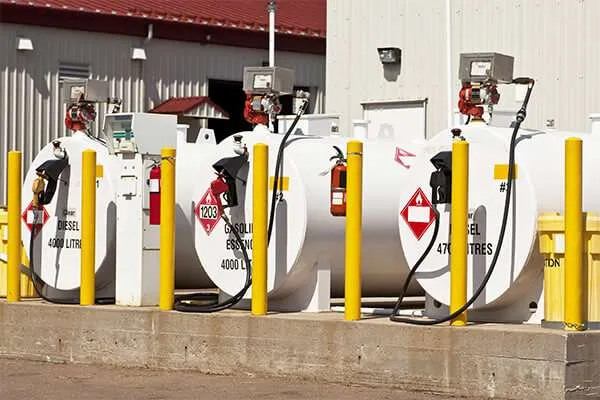
Fuel tanks, especially industrial and underground tanks, are subject to natural fuel degradation processes and the accumulation of impurities. If neglected, these phenomena can reduce system efficiency and increase operational risks.
Regular cleaning is necessary to:
Over time, an unclean tank can become a source of both technical and regulatory risks.
Failure to maintain fuel tanks can lead to significant consequences, especially in industrial facilities and fuel distribution stations. Accumulated impurities can compromise fuel quality and the proper functioning of equipment.
The main issues include:
These conditions may also result in non-compliance with environmental and safety regulations.
Fuel tank management is regulated by environmental and safety laws that require periodic inspections, preventive maintenance and measures to prevent pollution risks. Tank cleaning is therefore a key activity for ensuring company compliance.
A proper intervention allows companies to:
In this context, cleaning is not only a maintenance operation but also a legal, environmental and operational protection measure.
Fuel tank cleaning is carried out through controlled technical procedures that allow safe intervention even on underground tanks and complex systems. The goal is to completely remove residues and contaminants without compromising the integrity of the structure.
The main operational steps include:
Each phase is performed according to specific safety procedures for confined spaces.
In some cases, simple cleaning is not enough and a tank restoration intervention becomes necessary. This occurs when advanced corrosion, micro-cracks or leaks compromise the safety of the structure.
Tank restoration is recommended when:
A proper restoration intervention extends the tank’s service life and restores safe operating conditions.
Scheduled tank cleaning helps reduce operational risks and control costs related to unexpected failures or emergency interventions.
The main benefits include:
Preventive maintenance is therefore a strategic investment to ensure the continuity and reliability of facilities.
Fuel tank cleaning and restoration operations require specialized skills, dedicated equipment and in-depth knowledge of environmental and safety regulations. Incorrect procedures can create risks for the environment, workers and the company itself.
Franchini Servizi Ecologici provides professional tank cleaning and restoration services with certified procedures, ensuring maximum operational safety and full regulatory compliance for industrial facilities and fuel stations.
Cleaning prevents the accumulation of sludge, condensation water and residues that can compromise fuel quality, damage equipment and cause regulatory compliance issues.
The frequency depends on the type of tank, the stored fuel and the level of use. Scheduled maintenance helps prevent accumulation and keeps the system operating safely.
Failure to clean a tank can cause fuel contamination, internal corrosion, system malfunctions and possible violations of environmental regulations.
Yes, when required, the intervention may include internal decontamination operations, especially in the presence of hazardous residues or when working in confined spaces.
Tank restoration is required when corrosion, cracks or structural problems are present and cannot be solved through standard cleaning procedures.