Industrial tank cleaning is essential to ensure production efficiency, plant safety and compliance with environmental regulations. Residues, sediments and scale build up over time, compromising stored product quality and structural functionality. This article examines the main cleaning methods, recommended frequency and benefits of scheduled maintenance by specialized operators.
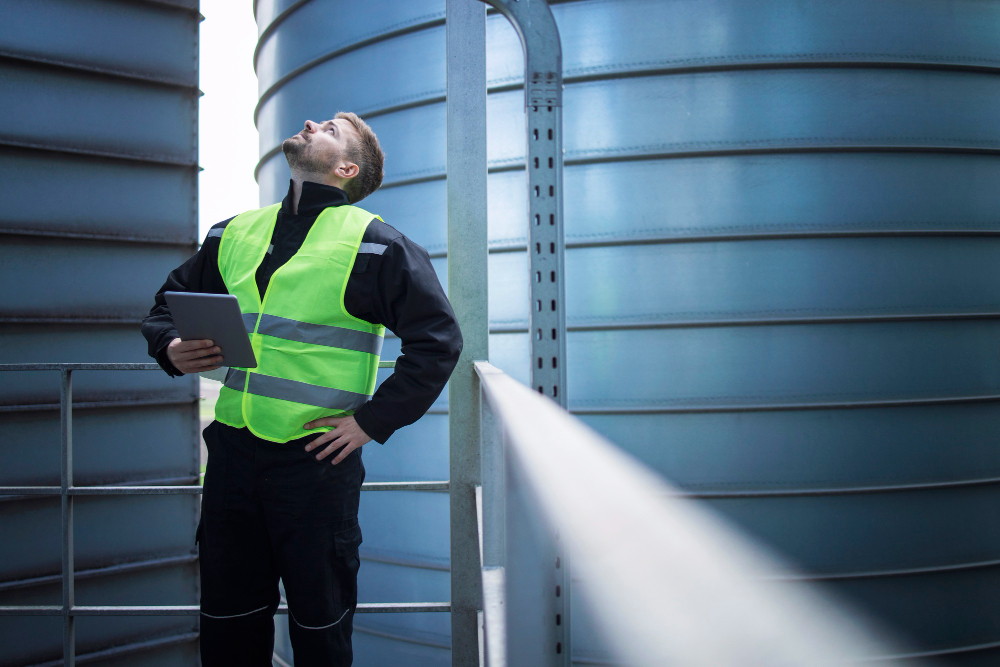
The choice of cleaning method depends on the tank type, the nature of the residues present and the operating conditions of the plant. Each technique has specific characteristics that make it more or less suitable for certain industrial contexts. A specialized operator can assess tank conditions and propose the most effective and safe solution.
The main industrial tank cleaning methods include:
The frequency of industrial tank cleaning depends on multiple factors, including the nature of stored substances, container volume, environmental conditions and sector-specific regulatory requirements. Generally, tanks used for storing fuels such as diesel require cleaning at least every two to three years, while those used for aggressive chemicals or food substances may need more frequent interventions, even annually.
Maintenance scheduling is a strategic element for plant operational efficiency. Planning interventions during production downtime minimizes interruptions and optimizes costs. A scheduled maintenance plan includes periodic inspections, residue condition monitoring and cleaning operations calendared according to the company's specific needs.
It is essential to document every intervention performed, keeping technical reports and waste disposal certificates. This documentation not only demonstrates regulatory compliance during inspections by competent authorities but also provides a valuable database for optimizing future intervention scheduling, adapting it to the actual rate of residue accumulation.
The following table compares the main industrial tank cleaning techniques, highlighting application areas, effectiveness and operational considerations for each method.
| Method | Ideal application | Effectiveness | Operating time |
| High-pressure hydroblasting | Scale, calcareous deposits, solid residues | Very high | Medium-long |
| Mechanical cleaning | Strongly adhered residues, delicate linings | High | Long |
| Chemical cleaning | Oils, greases, organic residues, chemicals | High | Medium |
| Suction and emptying | Sludge, sediments, residual liquids | High | Short-medium |
| Rotating heads | Large tanks, complex geometries | Very high | Medium |
Combining multiple methods often represents the most effective strategy: initial sludge suction followed by high-pressure hydroblasting and a possible final chemical treatment achieves optimal cleaning results and prepares the tank for subsequent structural inspections.
Relying on a planned maintenance program for tank cleaning offers significant advantages over reactive management based on emergency interventions. The first and most obvious benefit is reduced overall costs: a scheduled intervention costs on average 30 to 50 percent less than an emergency operation, which requires immediate mobilization of personnel and equipment, often under unfavorable operating conditions.
Scheduled maintenance allows planning interventions during periods of minimal production impact, avoiding unexpected plant shutdowns that can cause economic losses far exceeding the cleaning cost itself. Additionally, planned interventions enable adequate site preparation with optimal safety procedures and controlled management of waste extracted from the tank.
A further advantage concerns the tank's own longevity. Regular residue removal prevents accelerated corrosion, degradation of protective coatings and structural weakening caused by prolonged chemical action of sludge and sediments. A regularly maintained tank can last significantly longer, representing a protected long-term investment.
Franchini Ecological Services is the ideal partner for industrial tank cleaning, thanks to consolidated experience, state-of-the-art equipment and a team of highly qualified operators. We offer a comprehensive service that includes preliminary site survey, intervention planning, cleaning execution with the most appropriate technologies and certified management of extracted waste, in full compliance with current environmental regulations.
Discover our dedicated process tank cleaning services and operator-free high-pressure washing. For a complete overview of our industrial solutions, visit our website. Contact us for a customized quote: our technical team is available to analyze your needs and propose the most effective solution for your tank maintenance.
Cleaning frequency depends on several key factors: the type of stored substance, tank volume, environmental conditions and sector-specific regulations. For diesel tanks, the general recommendation is cleaning every two to three years, but this interval may shorten with lower-quality fuel or climatic conditions that favor condensation. Tanks used in the food or pharmaceutical industries generally require more frequent interventions, even semi-annually, to ensure the required hygiene standards. It is advisable to conduct annual visual inspections to assess residue accumulation levels and schedule cleaning accordingly, adapting the frequency to actual conditions rather than fixed intervals.
Several signs can indicate the urgent need for tank cleaning. The presence of unusual odors coming from the container is often the first indicator of decomposition or contamination of stored products. A change in the color, consistency or properties of the contained liquid suggests contamination from residues accumulated on the bottom or walls. Frequent clogging of filters or pipes connected to the tank indicates a high level of suspended particulate caused by sludge and sediments. The appearance of moisture stains or liquid traces on the exterior of the tank may signal leaks caused by undetected internal corrosion. Finally, any unexplained variation in the performance of equipment connected to the tank should be investigated, as it may be related to the container's cleanliness condition.
No, not all cleaning operations require operators to enter inside the tank. Modern high-pressure washing technologies with rotating heads allow thorough cleaning from outside, inserting nozzles through manholes or inspection openings. This approach significantly reduces operator safety risks by eliminating exposure to potentially hazardous atmospheres, confined spaces and toxic substances. Robotic systems and inspection cameras also enable real-time monitoring of cleaning progress and result verification without direct access. However, in specific cases such as removal of very resistant scale or the need for internal repairs, personnel access with appropriate confined space safety procedures may be necessary.
Waste management during tank cleaning is a crucial aspect of the entire process, strictly regulated by environmental legislation. Liquid and solid residues are collected in suitable containers and classified according to their chemical composition and hazard level. A specialized operator like Franchini Ecological Services handles the entire management cycle: from collection to analytical characterization, from transport to disposal or recovery at authorized facilities. For every operation, documentation required by environmental regulations is issued, including waste identification forms and disposal certificates. This complete traceability protects the commissioning company from any environmental liability and ensures full compliance with legal obligations.
The cost of industrial tank cleaning varies considerably based on several parameters: container size and geometry, nature and quantity of residues present, cleaning method required, site accessibility and extracted waste disposal methods. For this reason, it is impossible to provide a standard price applicable to all situations. A small tank with moderate residues may require a contained investment, while interventions on large underground cisterns with hazardous sludge involve significantly higher costs. It is important to consider that the cost of scheduled cleaning is always lower than emergency intervention, which includes surcharges for urgency and often adds to the economic damage of plant downtime. To obtain an accurate and personalized quote, the recommendation is to request a free technical site survey that allows assessment of the tank's specific conditions.