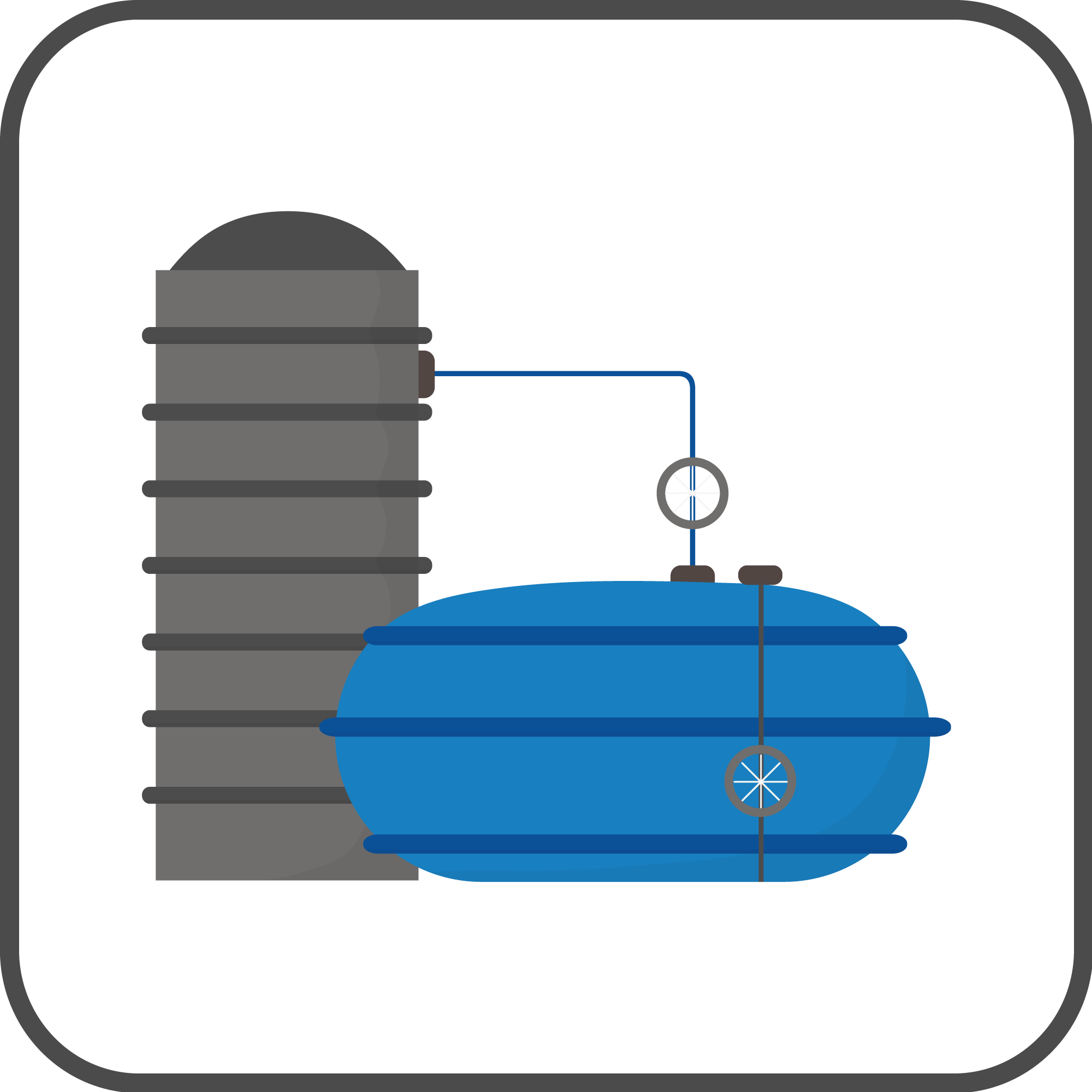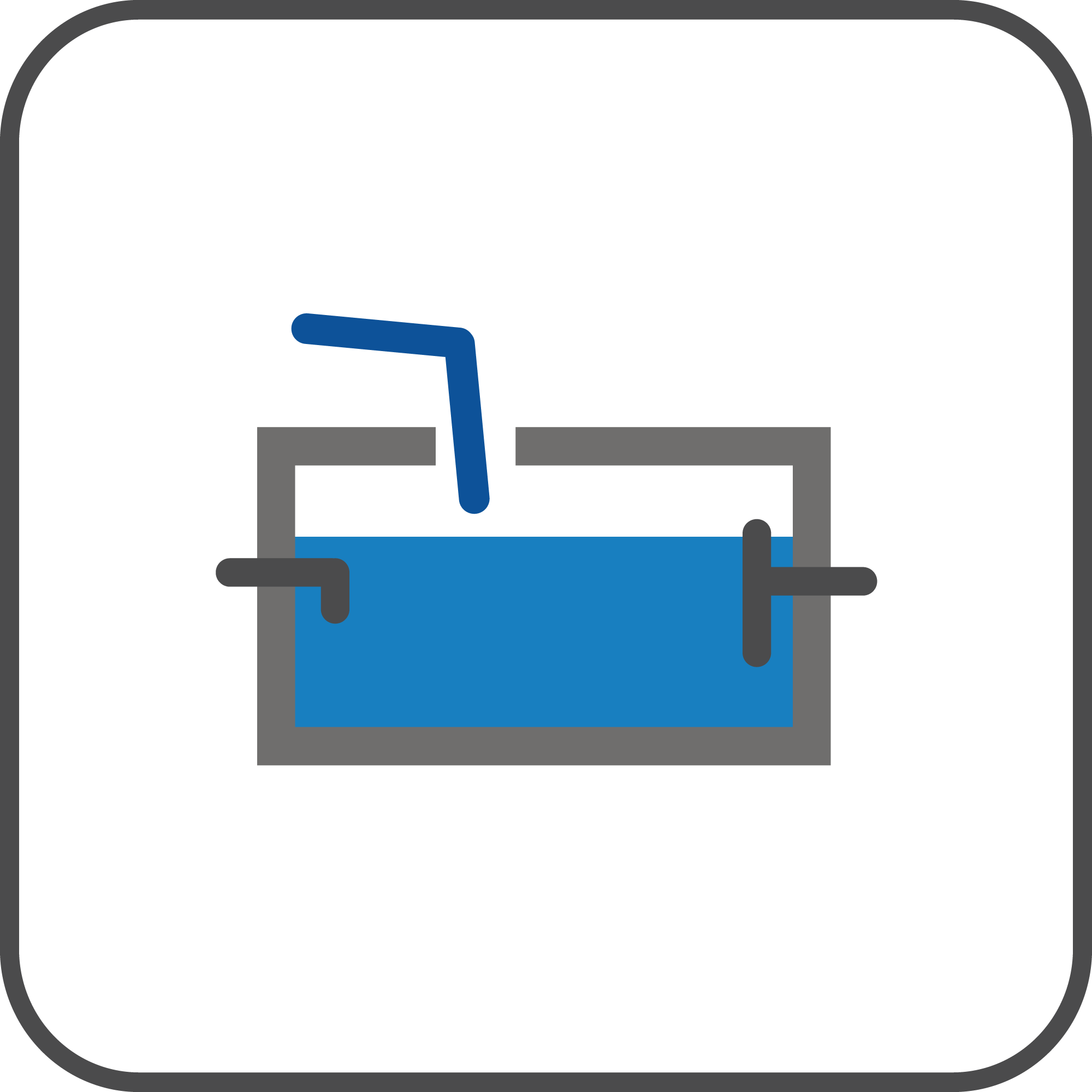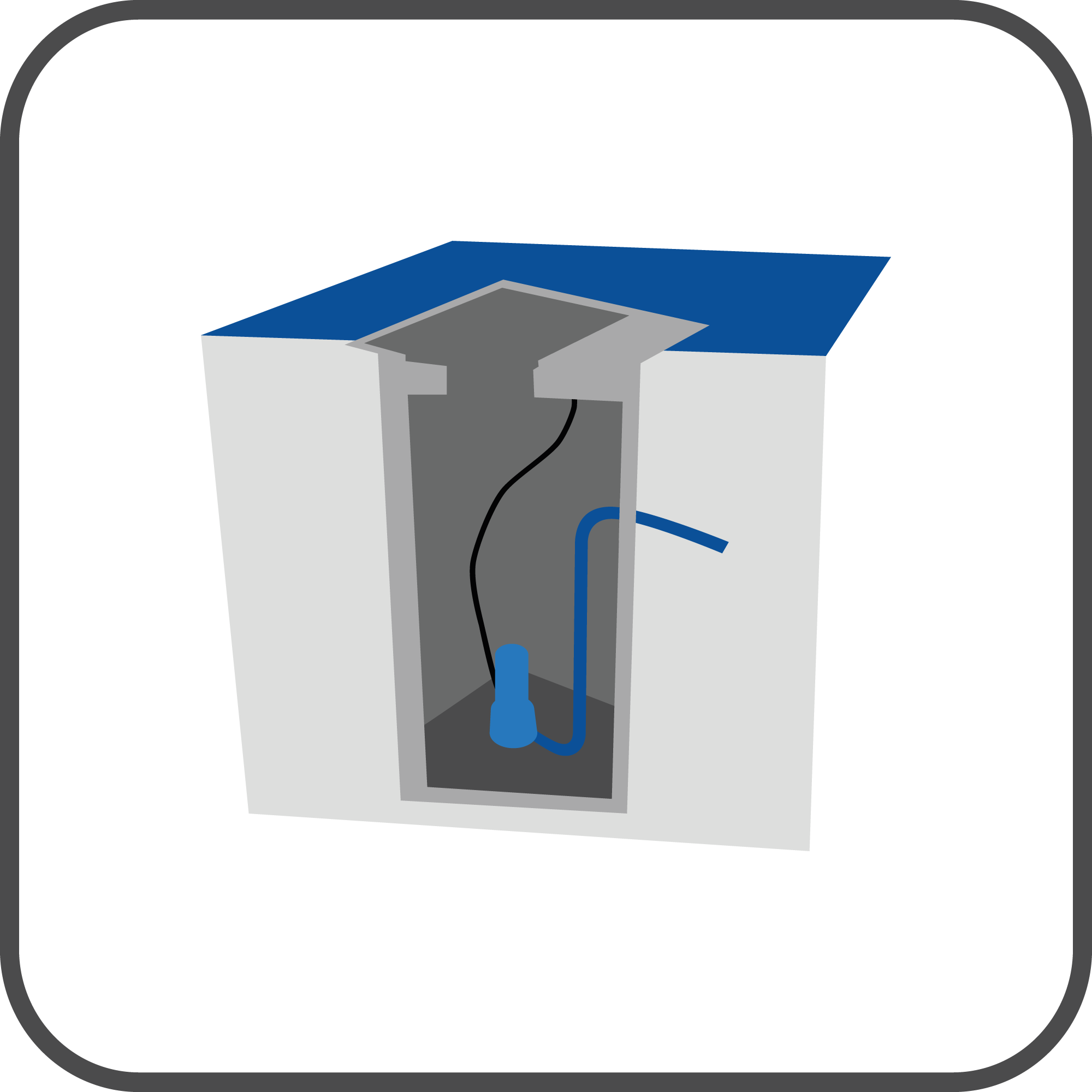
Liquid waste collection is the starting point of the entire process and plays a crucial role in determining its overall quality. Any mistake at this stage—such as cross-contamination or improper storage—can compromise all subsequent operations, with both operational and legal consequences.
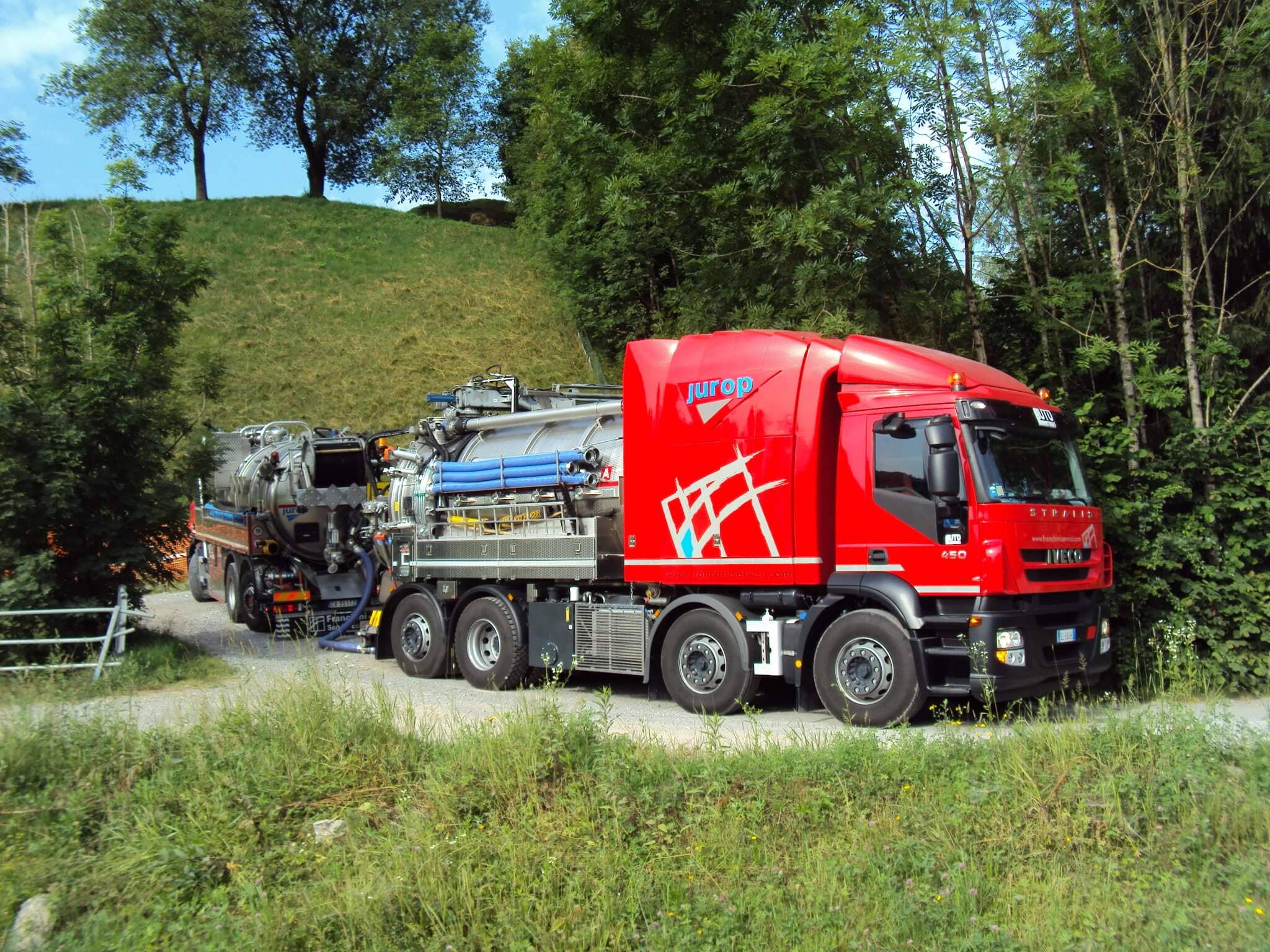
The management of liquid waste is a complex process that involves several closely interconnected stages. If you want to understand what liquid waste is and how it is classified, you can start from our guide on liquid waste collection, transport and disposal. In this article, we focus instead on the operational side: how collection, transport and disposal are effectively organized and managed within companies.
A well-structured system helps reduce the risk of environmental emergencies, optimize time and costs, and ensure operational continuity throughout the entire waste lifecycle.
To ensure safe and efficient collection, companies must:
A well-structured liquid waste collection process significantly reduces environmental and operational risks while simplifying the following stages.
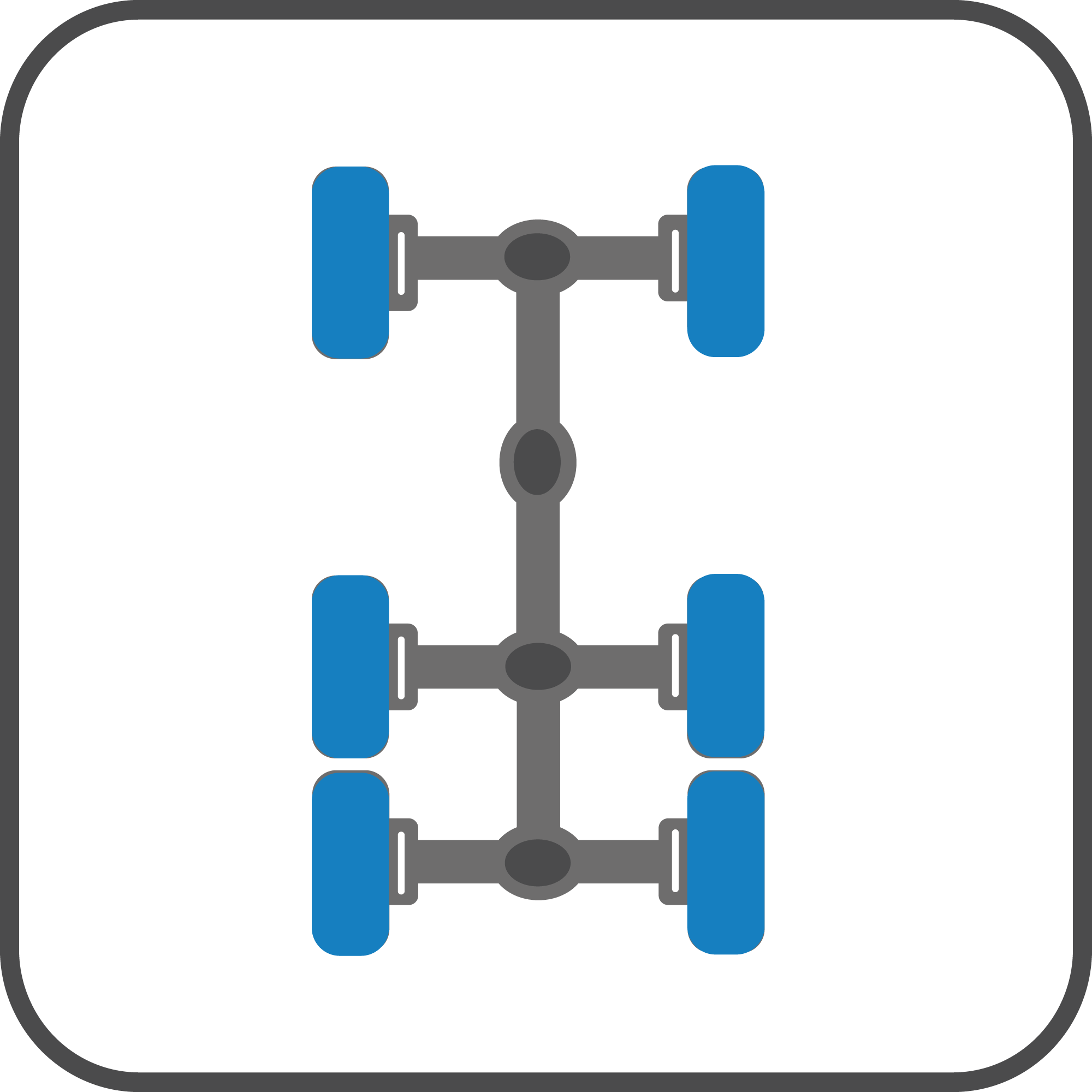
Transporting liquid waste is one of the most sensitive phases of the entire cycle, especially when dealing with hazardous, flammable or potentially contaminating substances. For this reason, it is strictly regulated and requires qualified vehicles, personnel and procedures.
Key elements for safe and compliant transport include:
Proper liquid waste transport protects the environment, ensures operator safety and safeguards the legal responsibility of the waste producer.
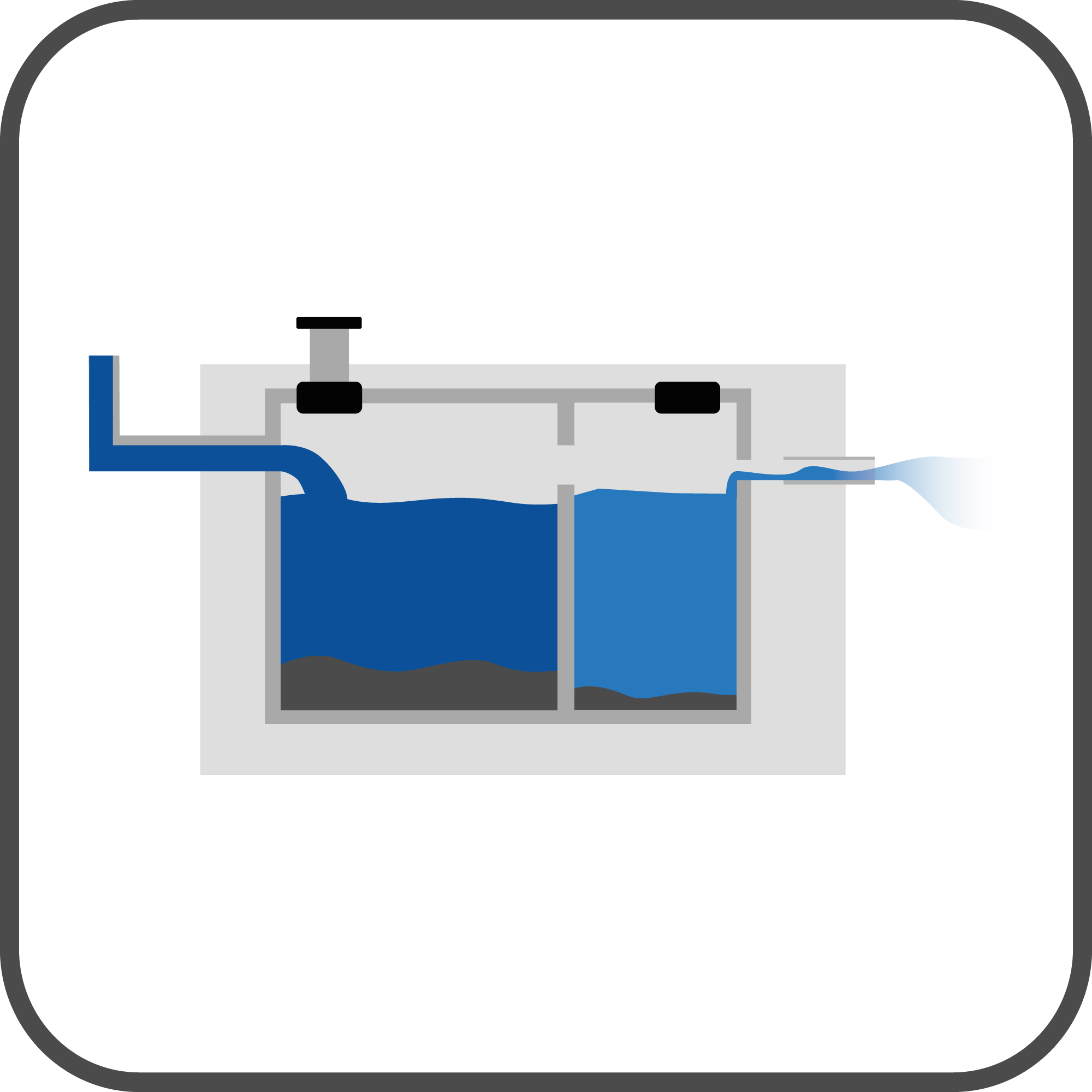
Liquid waste disposal is the final stage of the process and has a dual purpose: neutralizing the hazardous nature of the waste and, where possible, recovering materials for reuse in production cycles.
Main treatment methods in authorized facilities include:
Correct liquid waste disposal ensures environmental compliance while reducing overall ecological impact and promoting a more sustainable waste management approach.
True efficiency in liquid waste management comes from coordinating collection, transport and disposal as a single, integrated system. Proper planning allows companies to:
Planning is therefore not just an operational tool, but a strategic advantage that transforms regulatory obligations into an efficient, traceable and sustainable process.
Managing liquid waste requires technical expertise, operational experience and a strong understanding of environmental regulations. Franchini Servizi Ecologici supports companies throughout the entire process—from liquid waste collection and transport to final disposal—ensuring operational safety, full traceability and regulatory compliance at every stage.
No single phase is more important than the others. Collection, transport and disposal of liquid waste form an integrated system where each step directly affects the next. Any error can lead to environmental risks, operational inefficiencies and legal penalties.
Traceability allows companies to document and control every stage of the waste lifecycle, from generation to final disposal. Tools such as the FIR form and mandatory registers ensure compliance, reduce legal risks and provide transparency during inspections.
Yes, always. Especially for hazardous substances, ADR regulations apply, defining strict rules for vehicles, personnel and documentation. Compliance is mandatory in all cases.
Liquid waste is disposed of only in authorized facilities equipped with appropriate technologies. Depending on its characteristics, it may undergo chemical-physical, biological or thermal treatment. In some cases, partial material recovery is also possible.
Yes. A structured and planned management approach helps optimize each phase of the process, avoid emergency interventions and select more efficient solutions from both an economic and environmental perspective.