Caricamento in corso...

WE RESPECT THE PLANET

While you visit the Franchini portal, in the event of prolonged inactivity, this screen allows us to reduce energy consumption.

Liquid Waste: Collection, Transport, and Disposal

The management of liquid waste is a significant responsibility and a crucial step for any company. Every day, industrial and domestic effluents containing chemicals, used oils, or sludge are produced, which, if not properly treated, can contaminate the environment and lead to heavy penalties.
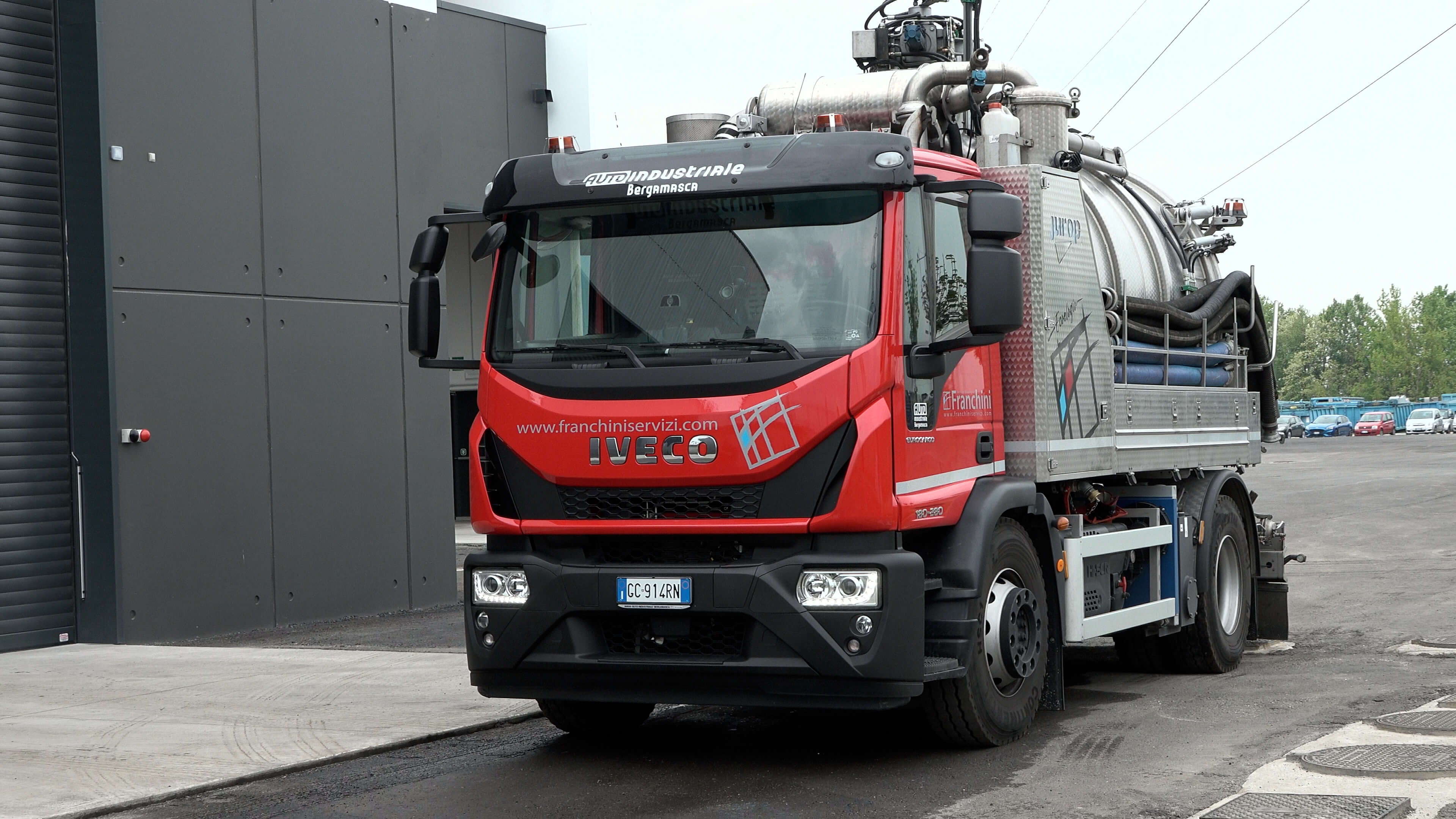
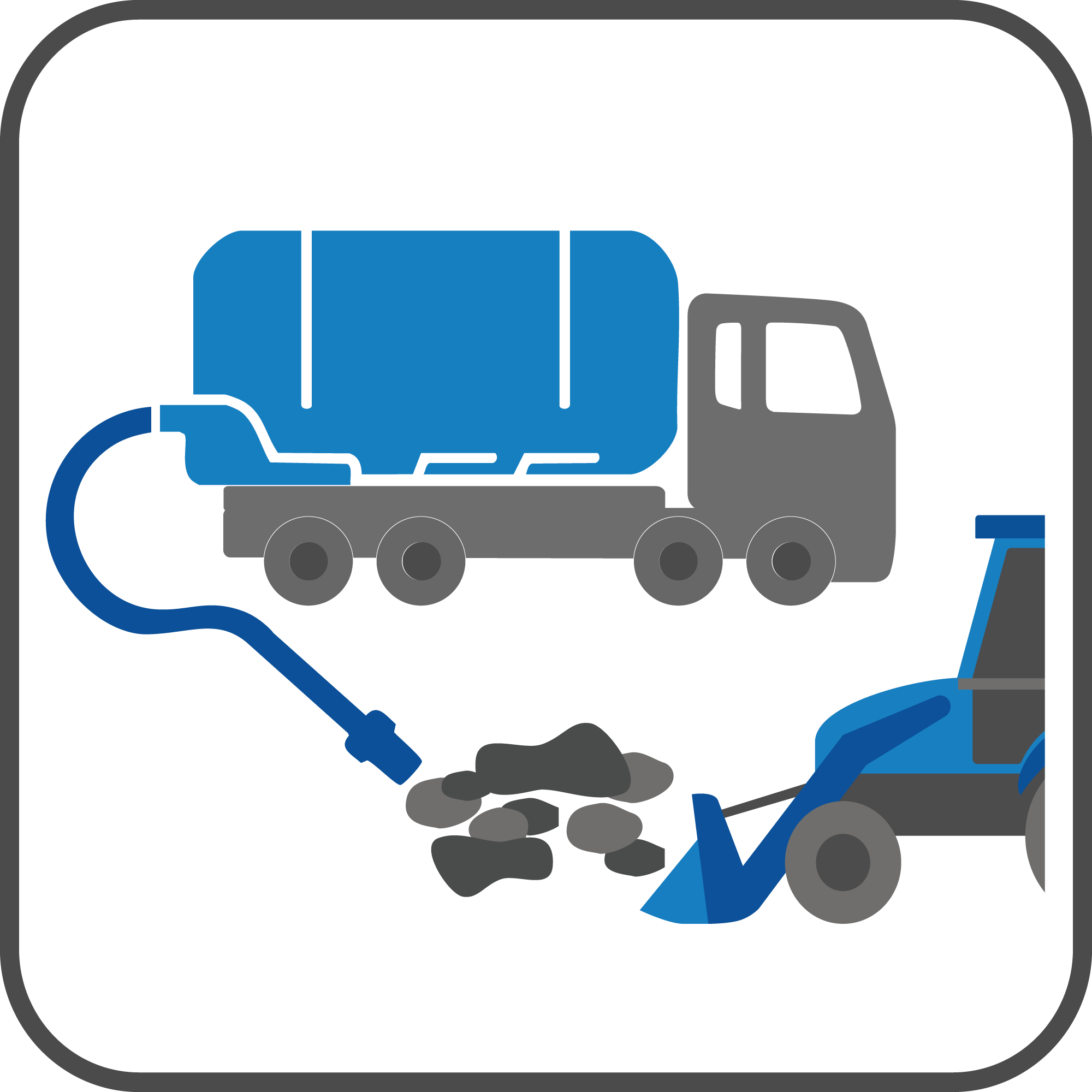
Franchini handling safe collection, transport, and disposal of industrial and domestic liquid waste
08/04/2026 15:35

What Are Liquid Waste?

Liquid waste includes all effluents produced by industrial, artisanal, and domestic activities that cannot be discharged directly into the environment without treatment. Proper management is essential to protect the environment, public health, and workplace safety.

Specifically:

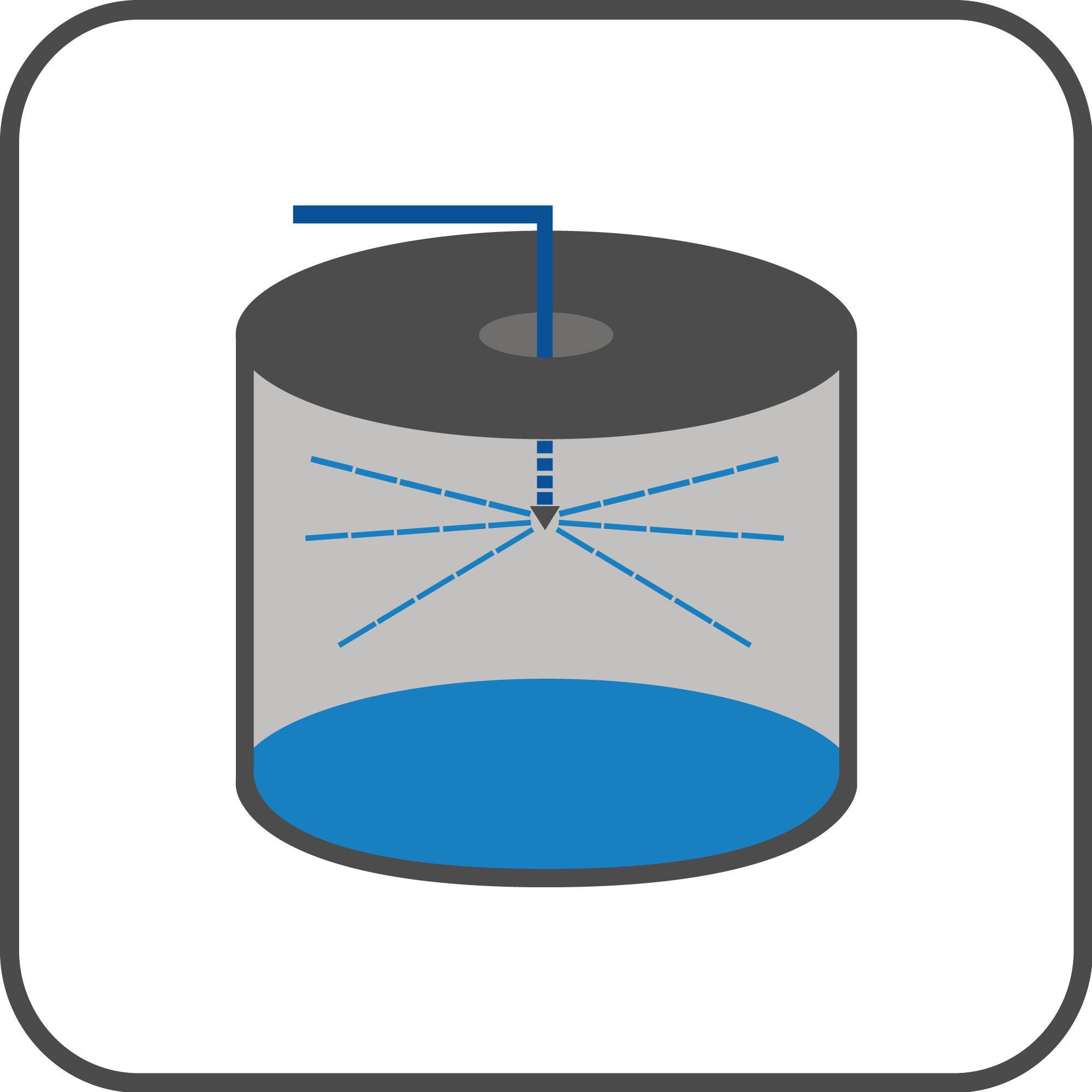
  • Industrial wastewater: Contains chemical or biological residues from production processes. If untreated, it can contaminate soil and surface or groundwater.
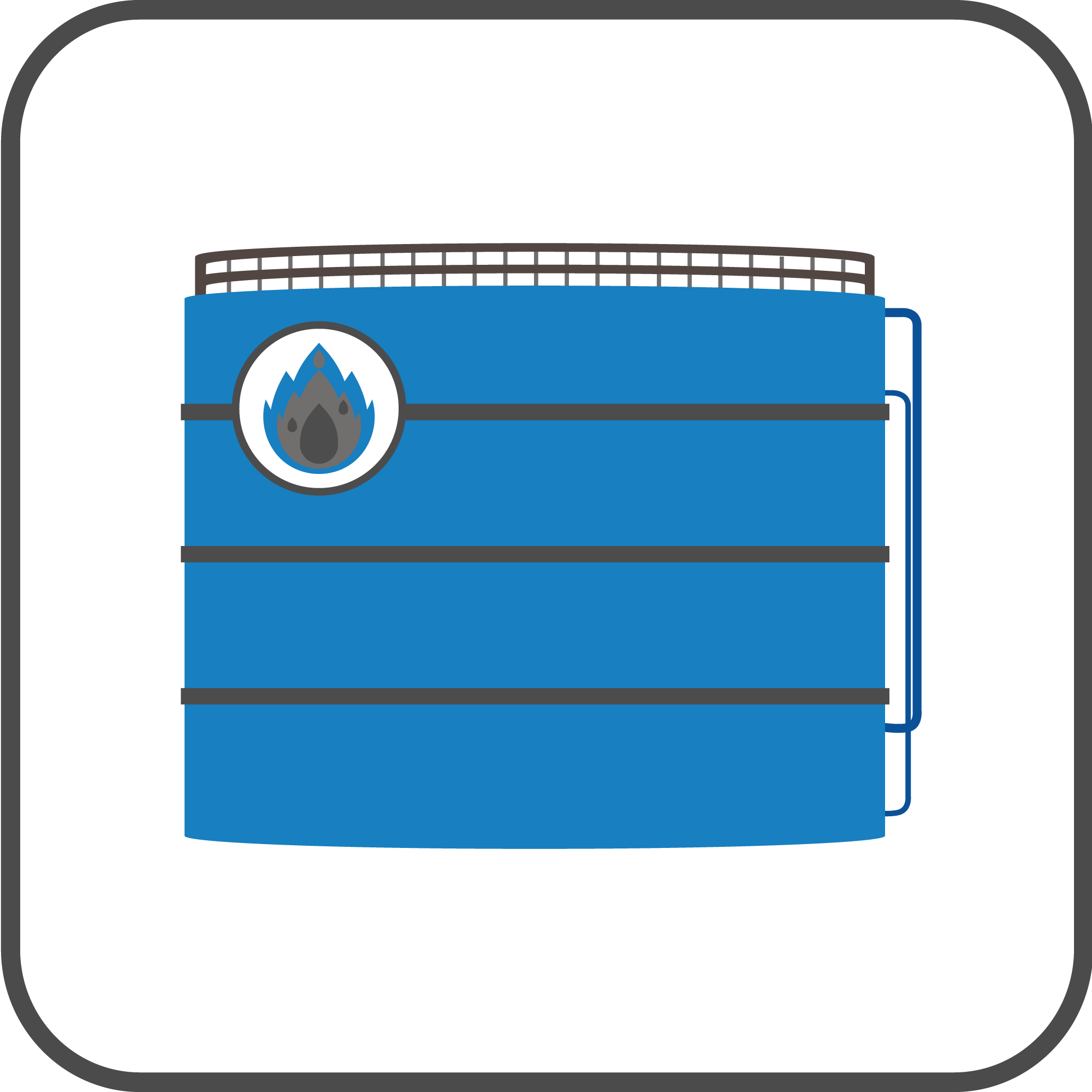
  • Used oils: From machinery, engines, or production plants, these are highly polluting and flammable liquid wastes.
  • Solvents and chemicals: Often toxic or corrosive, requiring specific treatments to reduce risks.
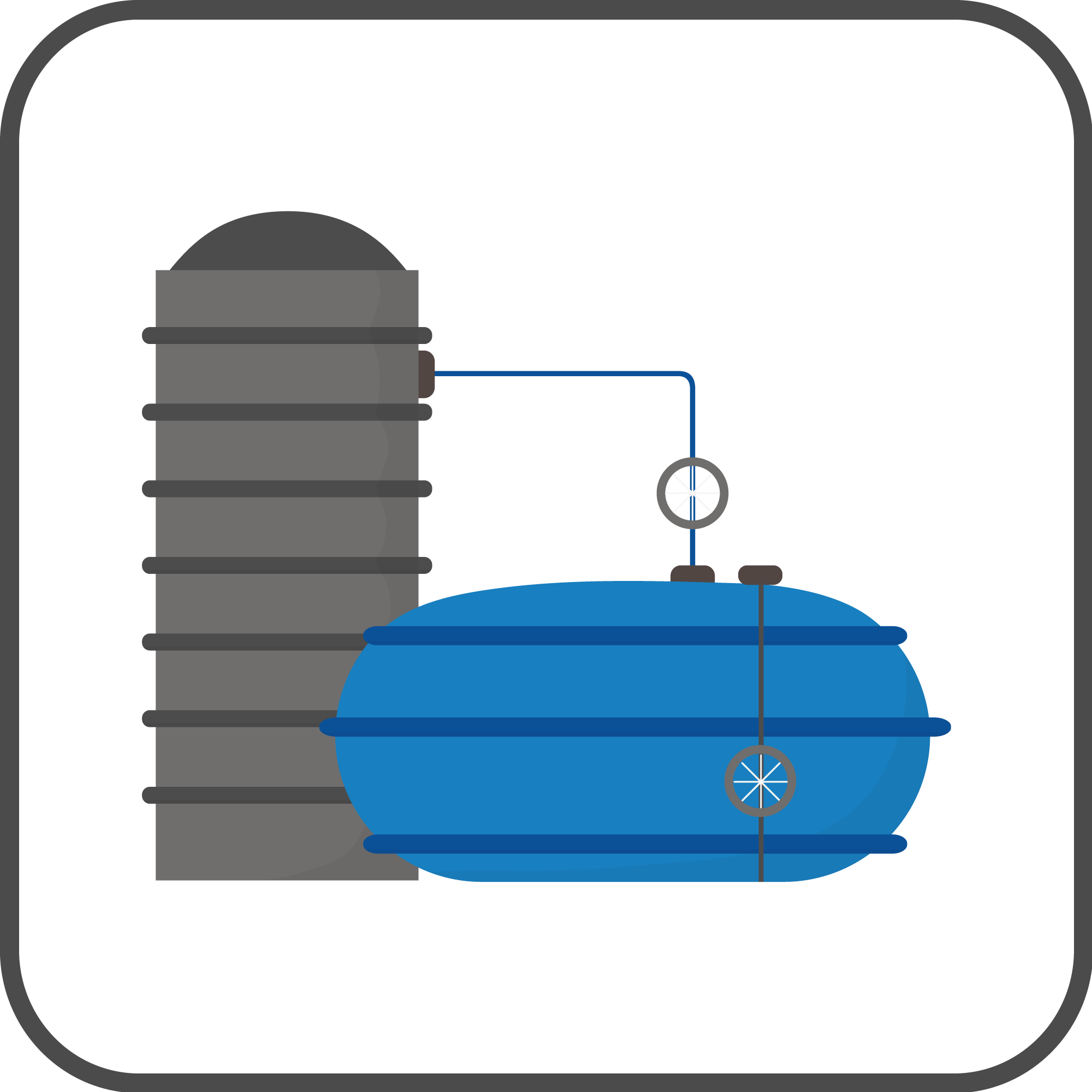
  • Sludge and sewage: Derived from purification processes or plant maintenance. If not disposed of correctly, they can become hazardous to the environment and health.

These wastes can be hazardous or non-hazardous, but in all cases, they require specific treatments to reduce their danger and ensure safe disposal.

How We Manage Them

Franchini Servizi Ecologici handles every type of liquid waste with targeted and safe procedures:

  • Industrial wastewater: Collected in certified containers and sent to chemical-physical or biological treatment plants.
  • Used oils: Stored in certified barrels and sent to regeneration or safe disposal plants.
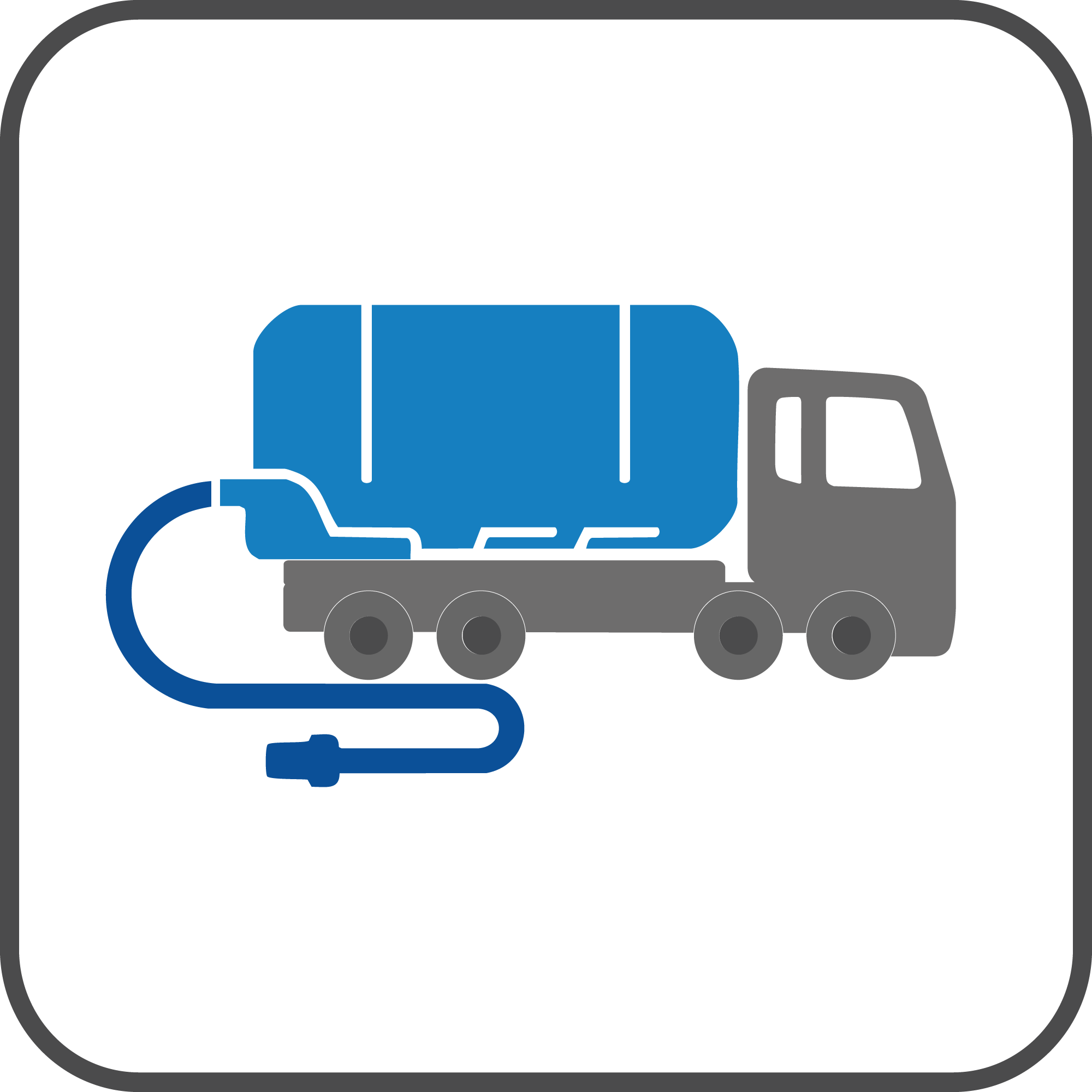
  • Solvents and chemicals: Transported in authorized tankers and treated according to ADR regulations for hazardous materials.
  • Sludge and sewage: Pumped and transported to authorized plants, then purified or inertized, with final certification issued.

This comprehensive and structured management model ensures that every liquid waste is treated safely, minimizing environmental and legal risks for the company.

Complete Waste Management: The Phases in Detail

Effective liquid waste management relies on a structured process consisting of multiple phases covering the entire treatment cycle. Each phase is important and interconnected with the others.

1. Liquid Waste Collection

Collection is the first step and must be carried out correctly and safely to avoid contamination and accidents. Improper collection can compromise the entire process, increasing environmental and legal risks.

  • We use certified containers, such as HDPE drums or IBCs approved for chemicals and hazardous liquids.
  • Waste is stored in safe and separate areas according to type and hazard level.
  • Every container is labeled with the EWC code, risk information, and traceability data to ensure proper sorting and safety.

2. Liquid Waste Transport

Transport is one of the most delicate phases. Hazardous or flammable waste must be moved without risks to operators, the environment, or the surrounding community. Regulations also require full traceability to the destination plant.

  • We use ADR-approved tankers and cisterns for transporting hazardous substances.
  • Transport is entrusted to qualified operators trained in chemical safety and emergency procedures.
  • All mandatory documentation, including Waste Identification Forms (FIR) and loading/unloading logs, is managed to guarantee total traceability.

Transport ensures the waste is correctly tracked until it reaches the treatment facility.

3. Liquid Waste Disposal

Disposal is crucial to neutralize waste hazards, prevent contamination, and comply with environmental laws. Mistakes in this phase can cause severe ecological damage and legal liability.

  • Waste is transferred to authorized plants for chemical-physical, biological, or thermal treatments, depending on type.
  • Recoverable substances are regenerated when possible, reducing environmental impact.
  • Disposal certifications are issued to confirm regulatory compliance and proper waste management.

Regulations and Corporate Responsibility

Liquid waste management is governed by Legislative Decree 152/2006, the Environmental Code, which defines precise obligations for producers, transporters, and disposers. Compliance is not only a legal duty but also essential to prevent environmental risks, fines, and criminal liability.

  • Classification via EWC code: Each waste must be identified by its European Waste Code to determine type, hazard, and proper disposal route.
  • Traceability with FIR and loading/unloading logs: These documents track the entire waste cycle, ensuring transparency and accountability.
  • Use of authorized operators: Only certified entities registered with the National Environmental Managers Registry may transport and treat liquid waste.

Two articles are particularly relevant for liquid waste:

  • Art. 255: Prohibits abandoning any type of waste, including liquids, and forbids disposal into soil or surface waters. This prevents contamination of soil and groundwater, protecting the environment and public health.
  • Art. 256: States that anyone collecting, recovering, transporting, disposing, trading, or brokering liquid waste without authorization is legally prosecutable. Unauthorized waste management is an environmental crime, with penalties for producers or handlers.

The producing company remains responsible for the waste until final disposal, even when outsourcing. Any regulatory violations, spills, or improper disposal can be attributed to the producer, emphasizing the importance of certified and competent operators like Franchini.

Why Choose Franchini Servizi

Relying on Franchini Servizi Ecologici means choosing an expert partner capable of managing the entire liquid waste chain—from collection and transport to disposal in authorized plants.

With Franchini Servizi Ecologici, your company operates in full regulatory compliance, reducing environmental risks and legal liability. Our comprehensive service simplifies every operational step, providing safety, efficiency, and total traceability, with tailored solutions for every corporate need.

FAQ

Through a process including collection, transport, and treatment in authorized plants, in compliance with current regulations.

Liquid wastes include all fluid by-products from civil and industrial activities, such as wastewater, used oils, solvents, sewage, and sludge.

Cost depends on quantity, type, and service complexity. A personalized quote is recommended.

It indicates a chemical-physical treatment of liquid waste to reduce its hazard before final disposal.

SOURCES AND REGULATIONS

LEGISLATIVE DECREE 3 April 2006 – Environmental Regulations (Official Gazette General Series No. 88 of 14-04-2006 – Ordinary Supplement No. 96):
Author: Gazzetta ufficiale
Publisher: Gazzetta ufficiale della Repubblica Italiana

Request a quote

Copyright © 2026 - Privacy Policy - Cookies Policy | Tailor made by eWeb