Pipeline and drain video inspections are among the most effective methods for assessing the condition of sewer networks, industrial systems, and underground pipelines without the need for excavation or demolition. Using high-definition cameras inserted directly into the pipes, technicians can accurately identify blockages, structural failures, infiltrations, and damage, allowing targeted maintenance while reducing costs and downtime.
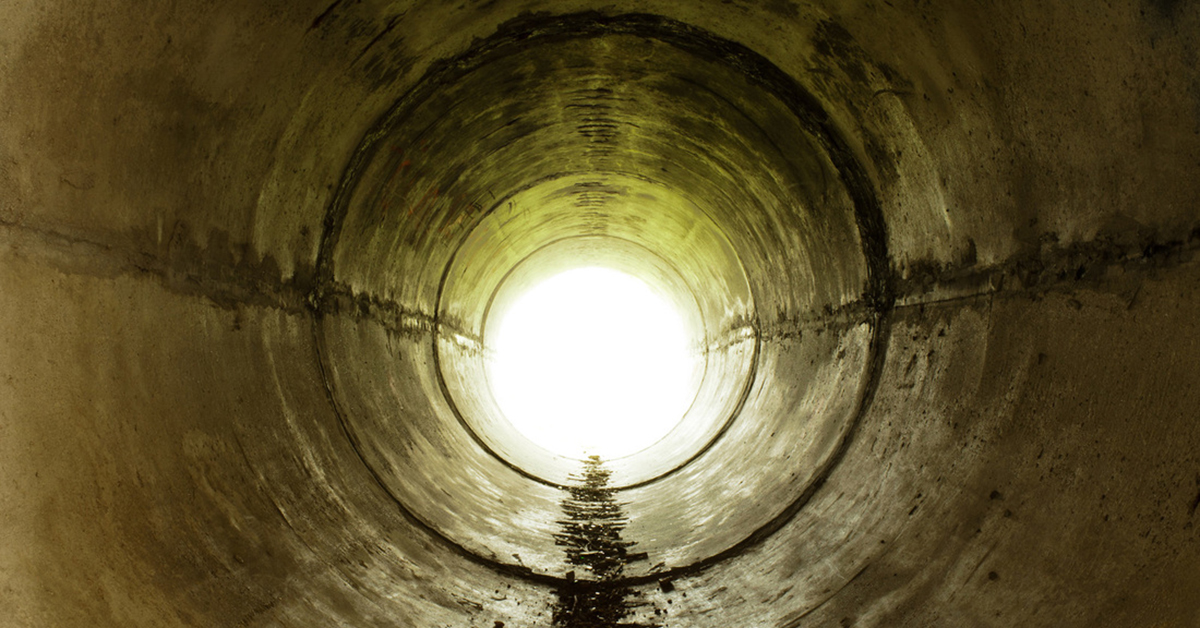
A video inspection involves inserting a professional camera inside pipelines, sewer systems, or underground drains to capture real-time images of their internal condition. The equipment can travel long distances, record high-definition footage, and accurately pinpoint defects or irregularities.
A video inspection makes it possible to:
The result is a comprehensive assessment of the system's condition, enabling informed maintenance decisions without relying on trial-and-error approaches.
A drain video inspection can identify hidden problems that are impossible to detect from the surface but may eventually lead to failures, reduced performance, or unexpected breakdowns.
| Detected Issue | What It Causes | Recommended Solution |
| Deposits and scale | Reduced flow capacity | Drain cleaning |
| Cracks or fractures | Leaks and infiltration | Localized repair |
| Structural collapse | Pipe deformation | Rehabilitation or replacement |
| Tree roots | Recurring blockages | Root removal and repair |
| Damaged joints | Water leakage | Joint restoration |
Having this information before starting repairs makes it possible to choose the most effective solution, avoiding unnecessary work and minimizing operational downtime.
One of the greatest advantages of video inspections is that they often eliminate the need for unnecessary excavation. In the past, many issues could only be located after breaking floors, roads, or industrial surfaces. Today, pipelines can be inspected internally without damaging existing structures.
Video inspections make it possible to:
For these reasons, video inspection has become one of the most widely adopted technologies for maintaining underground utility networks.
Video inspections are valuable both as diagnostic tools and as part of preventive maintenance. There is no need to wait for a major failure—routine inspections help detect issues before they develop into costly problems.
It is advisable to perform a video inspection when:
In industrial environments, regular inspections also reduce the risk of production downtime and support more efficient maintenance planning.
Italian legislation does not require routine video inspections for every pipeline. However, they are often required or strongly recommended during technical inspections, acceptance testing, certifications, and maintenance activities.
Video inspections can be requested:
Beyond regulatory purposes, video documentation provides valuable technical evidence for maintenance planning and asset management.
Video inspection technology provides significant technical and financial benefits.
Among the main benefits are:
Accurate diagnostics allow maintenance teams to intervene only where necessary, avoiding complete replacements when localized repairs are enough.
Pipeline and drain video inspections are among the most effective solutions for evaluating the real condition of underground infrastructure without excavation or invasive work. Accurate diagnostics help identify critical issues quickly, plan targeted maintenance, and reduce operational costs and downtime.
Franchini Ecological Services performs professional video inspections using high-definition equipment and qualified technicians, delivering detailed technical reports and supporting companies, industries, and public organizations in the maintenance of underground networks and infrastructure.
A pipeline CCTV inspection is a diagnostic procedure that uses professional cameras inserted inside pipes and underground conduits to assess their internal condition without excavation or demolition. This technology allows technicians to accurately detect blockages, cracks, structural failures, leaks, root intrusion and other defects that cannot be identified from the surface. The recorded footage also provides detailed documentation of the system's condition, making it easier to plan targeted maintenance or repair work while avoiding unnecessary interventions.
In most cases, yes. A CCTV inspection pinpoints the exact location and nature of a problem, eliminating the need for extensive excavation or trial-and-error investigations. When the damage is limited to a specific section of the pipeline, repairs can be carried out only where needed or, where suitable, using trenchless (no-dig) rehabilitation techniques. This approach significantly reduces repair costs, project duration and disruption to surrounding areas.
A CCTV inspection is recommended whenever slow drainage, persistent odours, recurring blockages, leaks or suspected infiltration occur. It is also highly valuable as a preventive maintenance tool for ageing drainage systems, before major maintenance projects, after cleaning operations, or prior to commissioning new installations. In industrial environments, routine inspections help prevent unexpected failures, optimise maintenance planning and minimise production downtime.
There is no general legal requirement that makes CCTV inspections mandatory for every drainage or pipeline system. However, they are often required during commissioning tests, technical inspections, rehabilitation projects, regulatory compliance procedures or checks requested by public authorities and utility operators. CCTV surveys are also widely used to document the condition of pipelines before and after maintenance, rehabilitation or remediation work, providing reliable technical evidence for inspections and project records.
The duration of a CCTV inspection depends on the length of the pipeline and the complexity of the system, but most inspections can be completed within a few hours. Once the survey is finished, clients typically receive video recordings, inspection images and a detailed technical report identifying any defects or anomalies, their exact location and recommended corrective actions. This documentation provides a reliable basis for planning maintenance, repairs or future rehabilitation work.