Relining with Sock (CIPP): Structural Rehabilitation Without Excavation
Cured-In-Place Pipe (CIPP) relining, known internationally as Cured-In-Place Pipe, is the most advanced no-dig technology for the structural rehabilitation of deteriorated pipes. This revolutionary method allows a new, self-supporting pipe to be built inside the existing one, eliminating cracks, breaks, and sagging, without the need for excavation or demolition.
Franchini Servizi Ecologici applies this technology to restore full functionality of large pipelines and sewer systems, ensuring a rapid, long-lasting intervention with minimal environmental and logistical impact.
The Strategic Advantages of Sock Restoration
Choosing CIPP technology means overcoming the limitations of traditional methods, with concrete benefits:
- No Excavation, Minimal Disruption: The intervention is carried out entirely from inside the pipeline, accessing it from existing manholes or inspection holes. This avoids excavation, demolition, traffic disruptions, and disruption to surrounding businesses.
- Rapid Response: Repair times are drastically reduced compared to traditional replacement, minimizing construction site time and system downtime.
- Durability and Structural Resistance: The polymerized sheath creates a new, seamless, monolithic pipe that resists corrosion, chemicals, and root infiltration, with a certified service life of decades.
- Improved Hydraulic Efficiency: The internal surface of the new pipe is extremely smooth, improving fluid flow and reducing the risk of future buildup.
- Versatility: It can be applied to pipes of various materials (concrete, PVC, stoneware, metal), diameters, and shapes (circular, ovoid).
The Operational Process: Step by Step
Our intervention follows a rigorous protocol to guarantee a state-of-the-art result, always preceded by a thorough cleaning and video inspection of the pipe.
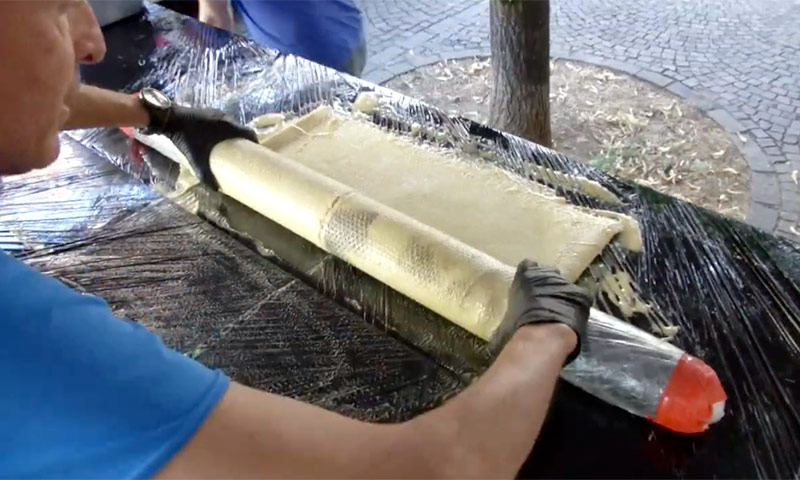
- Impregnation of the Sock: A special tubular felt sheath (""sock"") is impregnated with thermosetting resins (e.g., epoxy or polyester) tailored for the specific application.
- Insertion into the Pipe: The sock is inserted inside the pipe to be repaired by inversion with water or air pressure.
- Polymerization (Hardening): Once the sock has adhered perfectly to the walls of the old pipe, the resin is hardened (polymerized) by circulating steam, hot water, or the use of UV lamps.
- Milling and Testing: Once curing is complete, the lateral connections are reopened using robotic milling machines and a final video inspection is performed.
Ideal Application Areas
Our technology and equipment allow us to excel in the remediation of:
- Civil and industrial sewer systems
- Large underground pipes
- Pipe racks in industrial complexes
- Inaccessible downspouts and vertical drainpipes
Important note: In line with our specialization, we do not work on pipes intended for the transport of drinking water or heating systems in civil and residential contexts.
Restore Your Pipes Without Excavating. Trust Technology.
Our technical team is available to analyze your needs and design the most suitable relining solution for your project.
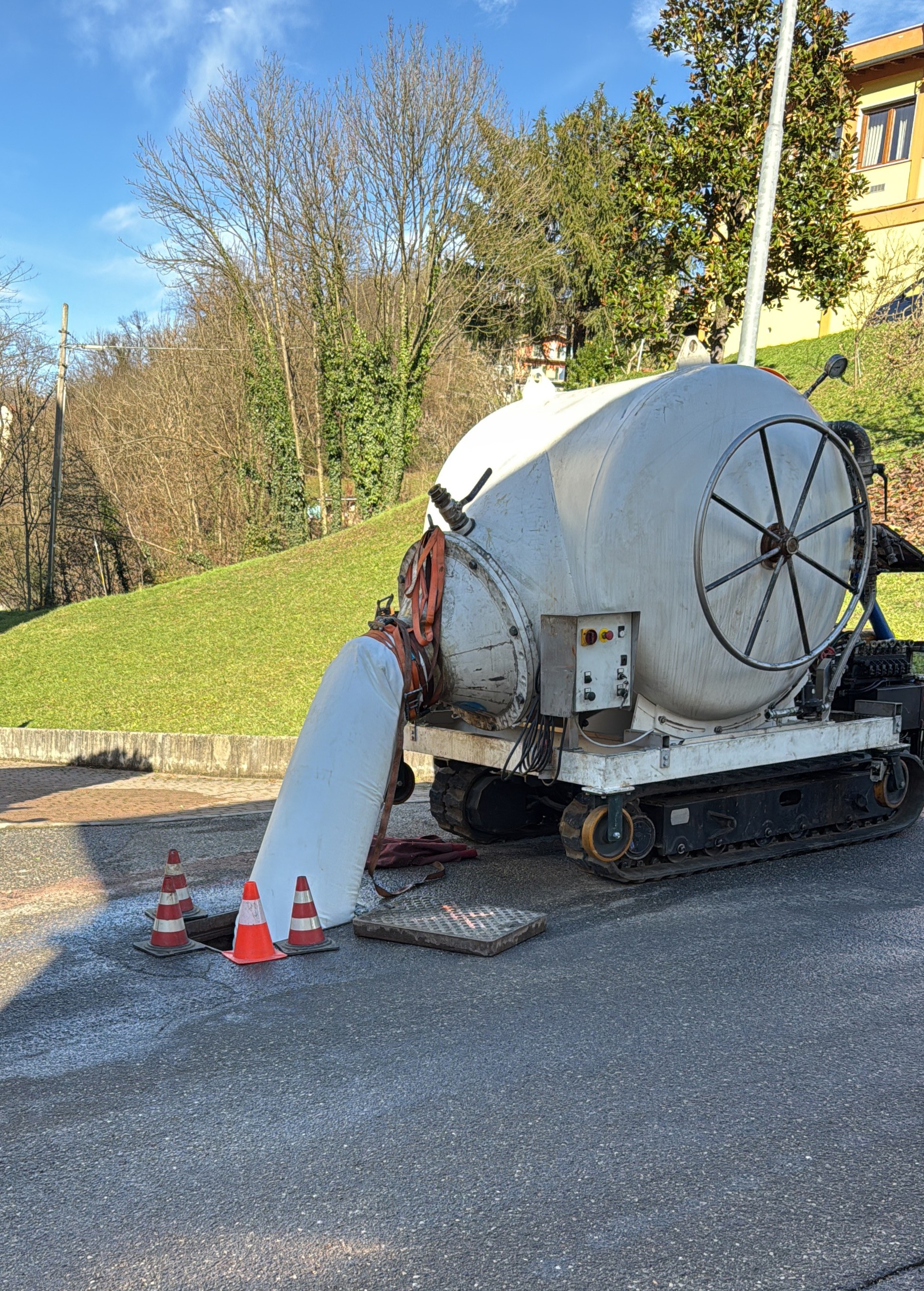 Relining with stocking
 Related Econews
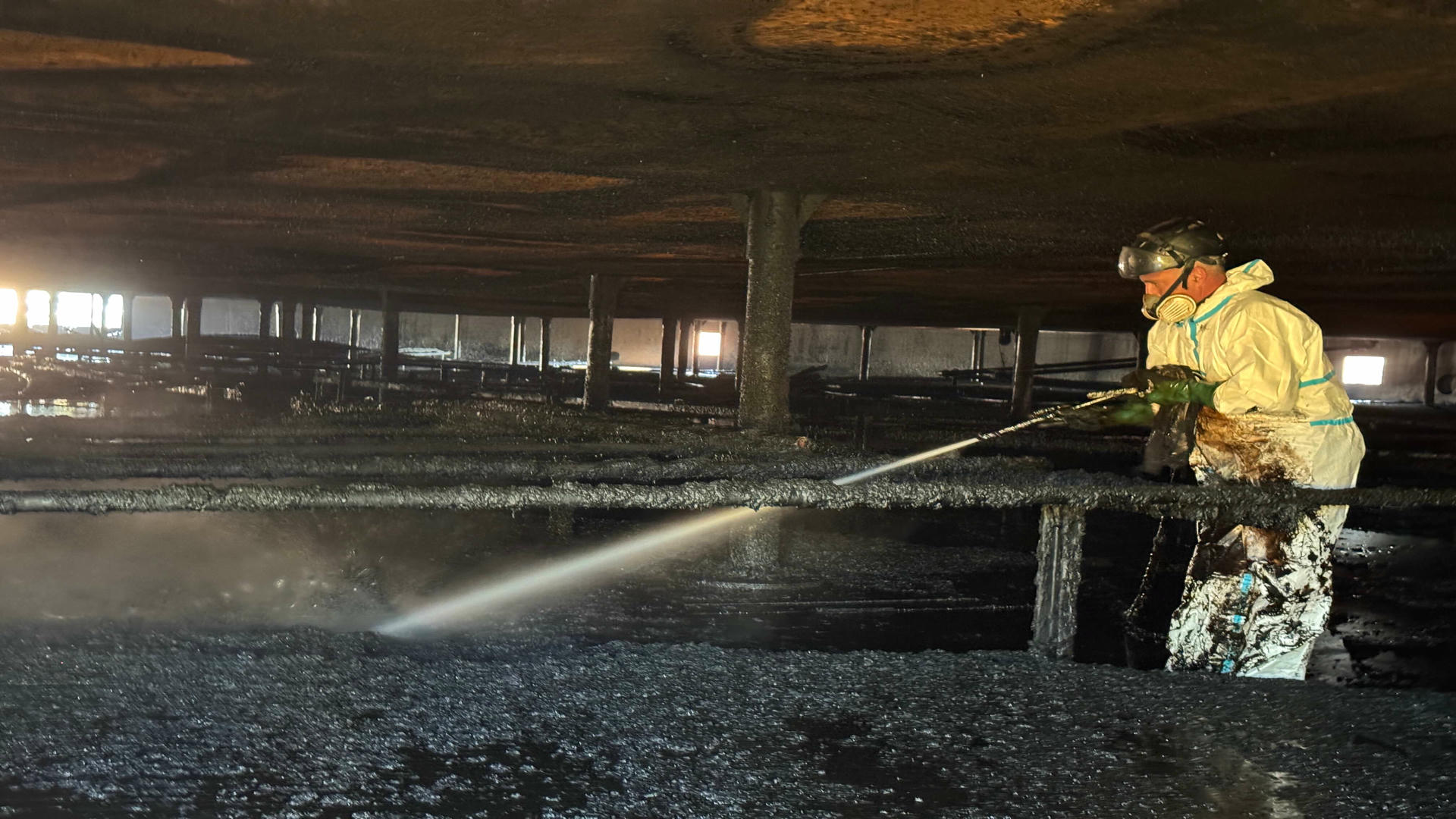
High-Pressure Hydrodynamic Cleaning: Benefits for Industrial Pipelines
High-pressure hydrodynamic cleaning is one of the most effective techniques for industrial pipeline maintenance, especially when it comes to removing hard scaling, solid residues, and persistent deposits.
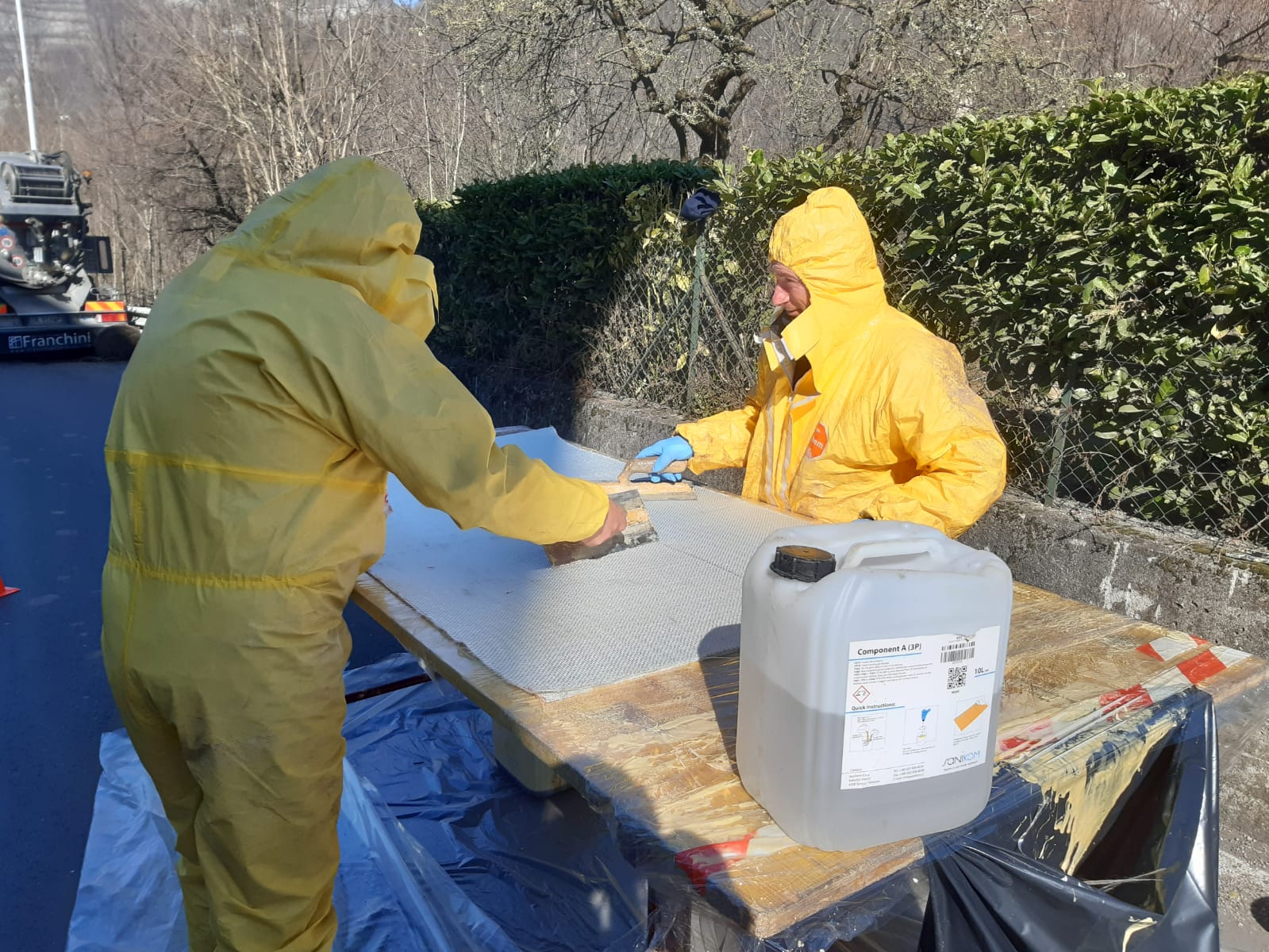
Relining vs Packer: Best Sewer Repair Method
Relining or packer? Discover differences, benefits, and the best trenchless solution for sewer pipe repair and rehabilitation.
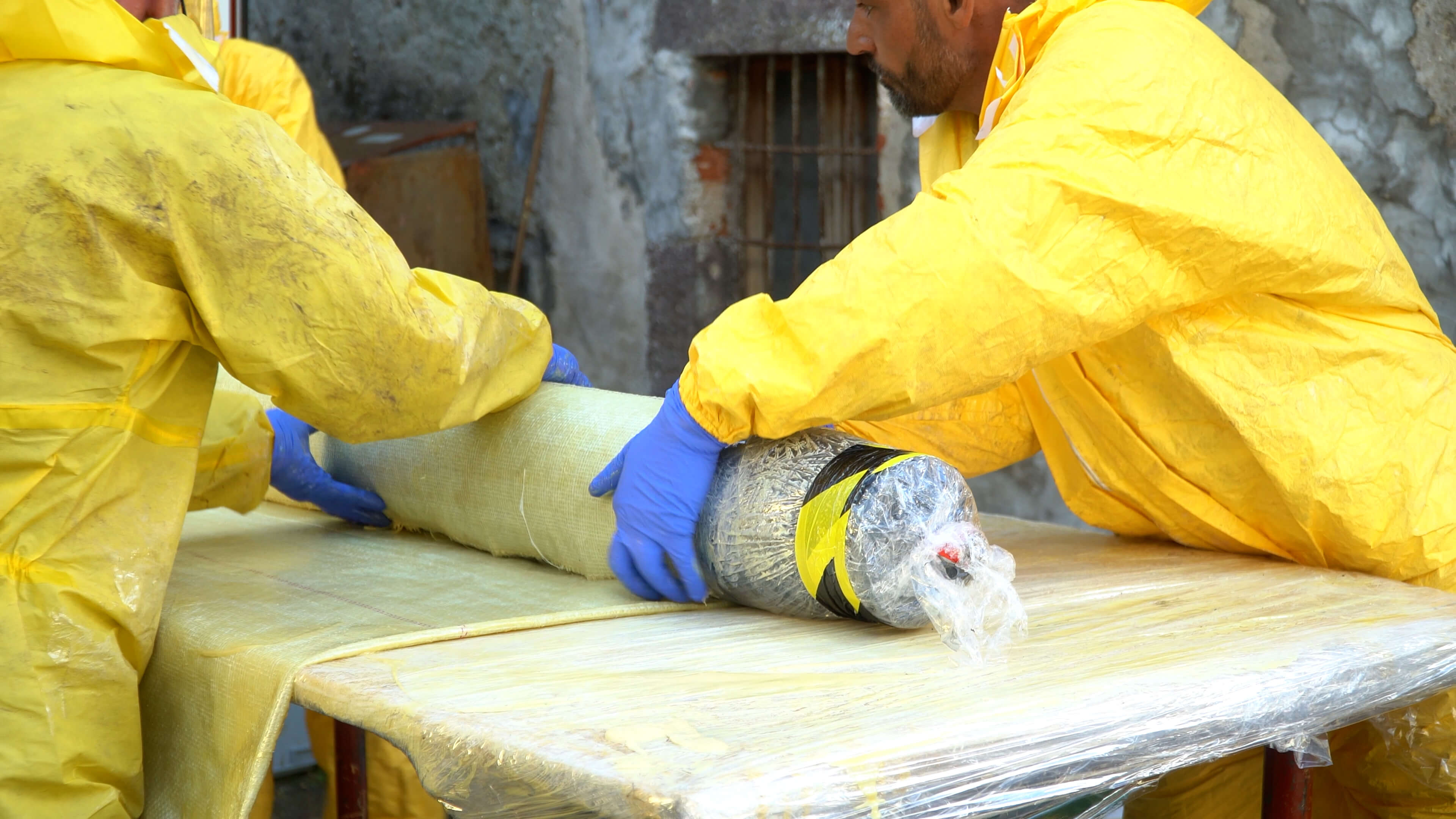
Repairing pipes without breaking anything: the ultimate guide to relining
Repairing broken pipes without resorting to demolition is possible thanks to relining, a no-dig technology that allows the pipeline to be reconstructed from the inside by inserting a thermosetting resin liner. This method eliminates the need to break walls, floors, or dig up the garden, reducing intervention times by 50% and significantly cutting costs related to restoring building surfaces.
Pipeline and Drain Video Inspection: What It Reveals, What It Detects, and When It Is Required
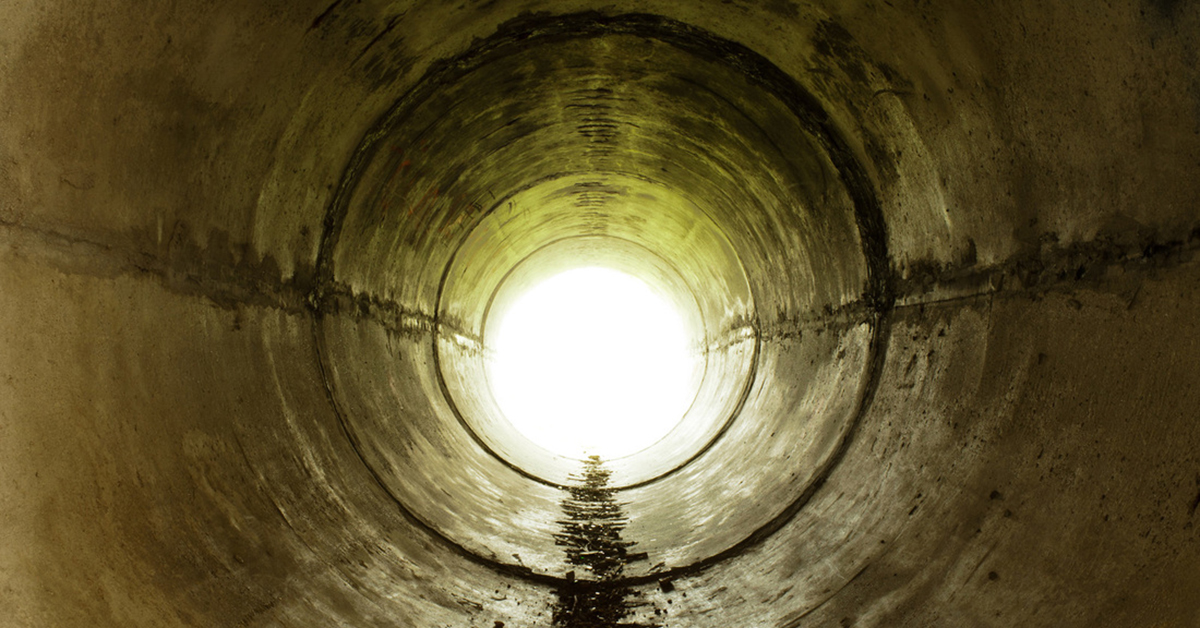
Pipeline and drain video inspections are among the most effective methods for assessing the condition of sewer networks, industrial systems, and underground pipelines without the need for excavation or demolition. Using high-definition cameras inserted directly into the pipes, technicians can accurately identify blockages, structural failures, infiltrations, and damage, allowing targeted maintenance while reducing costs and downtime.