Trenchless relining is an advanced technology for the rehabilitation of industrial pipelines and pipes that restores structural integrity without demolition, without production shutdowns, and without the costs and timeframes associated with traditional replacement. An innovative solution to keep the plant running throughout the entire rehabilitation process.
Trenchless relining is an advanced technology for the rehabilitation of industrial pipelines and pipes that restores structural integrity without demolition, without production shutdowns, and without the costs and timeframes associated with traditional replacement. An innovative solution to keep the plant running throughout the entire rehabilitation process.
For many companies, the need to repair or replace a deteriorated pipe represents a critical problem: excavation work involves long timeframes, high costs, production shutdowns, and significant impacts on the surrounding environment. Trenchless relining eliminates these issues, offering an effective, fast, and less invasive alternative to conventional methods.
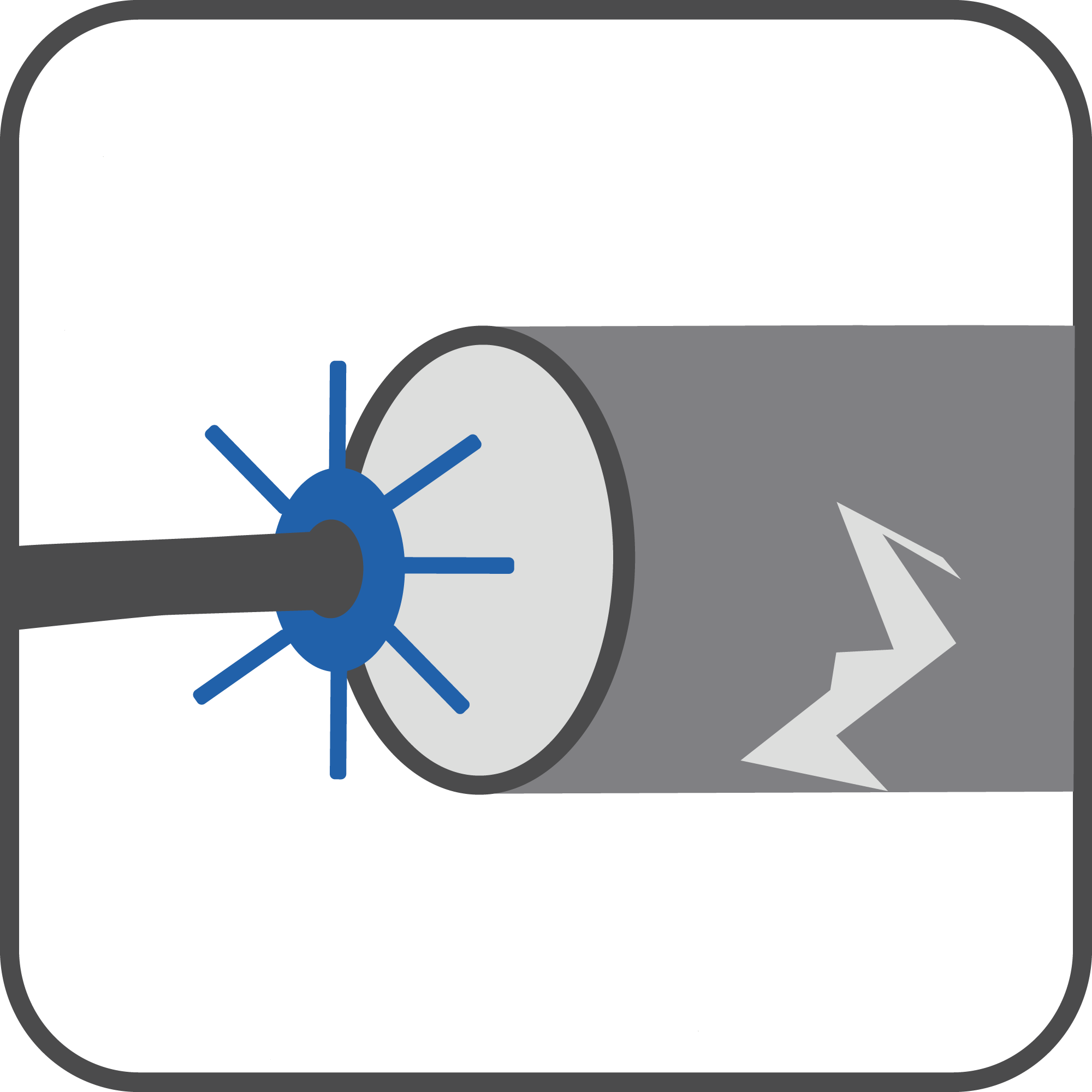
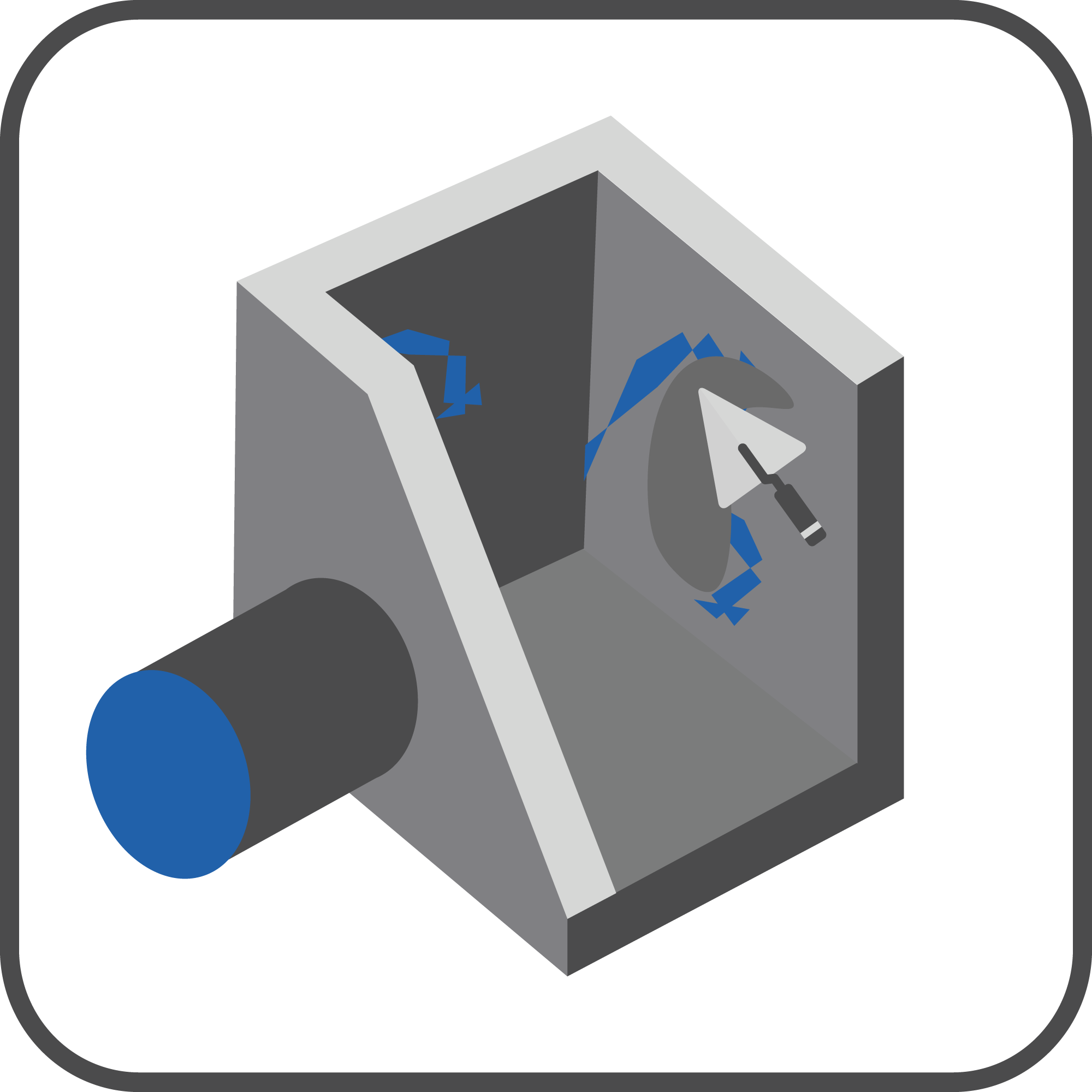
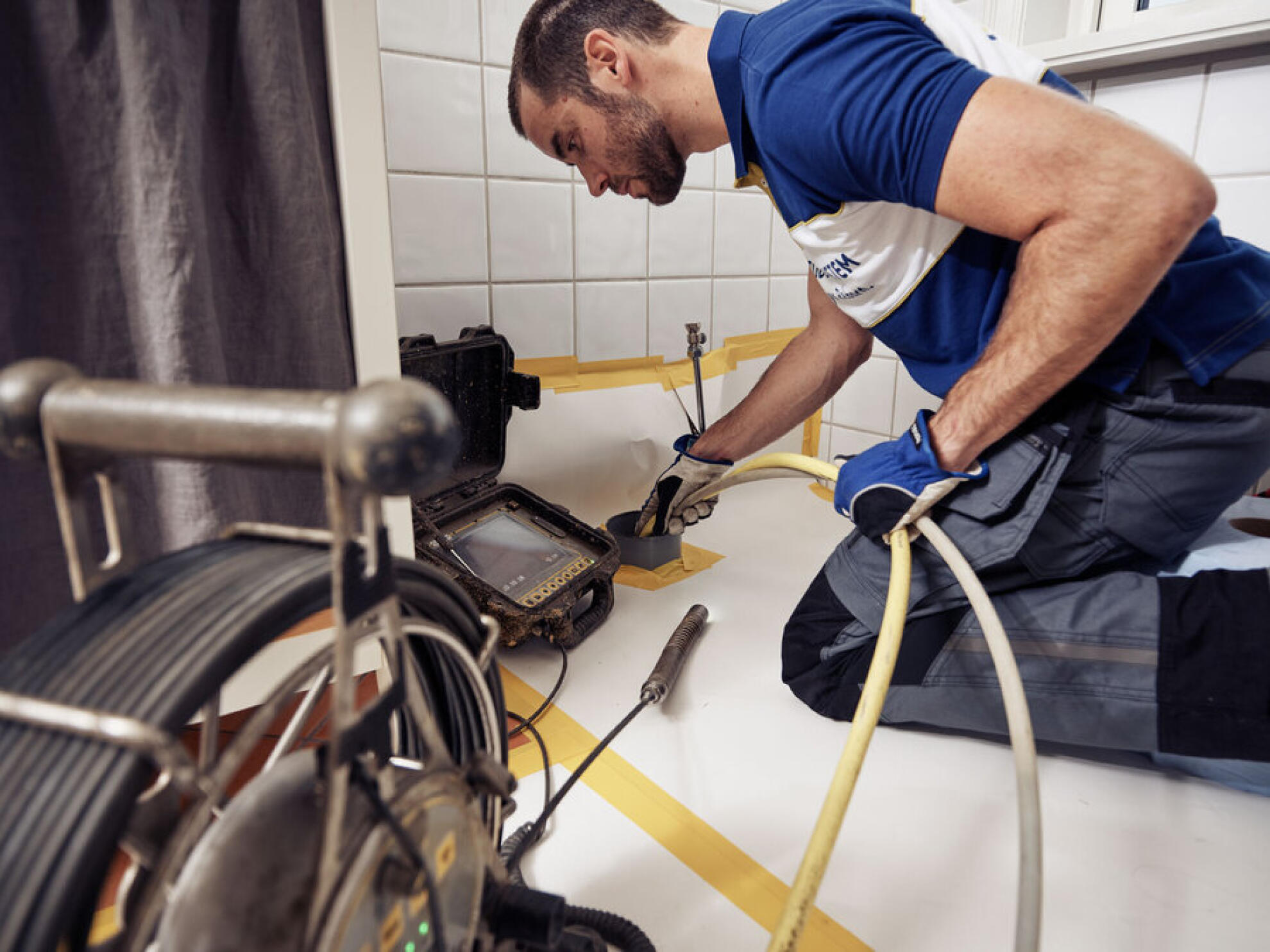
Relining is a non-destructive rehabilitation technique that involves inserting a new liner or pipe inside the existing deteriorated pipeline. The internal lining, once positioned and cured, creates a new structural surface that restores the seal, strength, and flow capacity of the original pipe.
The operation is carried out by accessing the pipeline through inspection manholes or existing access points, without the need to dig trenches or remove pavements, structures, or soil. This approach allows work to be carried out with minimal impact on the surrounding environment and, most importantly, without interrupting the plant's production activities.
Trenchless relining is the ideal solution in all cases where traditional pipe replacement would be too invasive, costly, or incompatible with the operational continuity of the plant.
It is particularly recommended when:
Timely relining intervention prevents deterioration from progressing to the point of causing structural failures, contamination, or complete network blockage.
Compared to excavation-based replacement, trenchless relining offers significant advantages from an operational, economic, and environmental perspective. The ability to rehabilitate pipelines without interrupting production is the most significant benefit for industrial operations.
A comparison between the two solutions highlights substantial differences:
| Feature | Traditional excavation | Trenchless relining |
| Intervention time | Long (days/weeks) | Reduced (hours/few days) |
| Plant downtime | Required | Not required |
| Overall costs | High | Contained |
| Environmental impact | Significant | Minimal |
| Demolition and restoration | Required | Not required |
| Rehabilitation lifespan | Variable | Long-lasting guaranteed |
The combination of speed, effectiveness, and zero downtime makes relining one of the most valued solutions for companies that need to rehabilitate their networks without compromising productivity.
Trenchless relining is used in a wide range of industrial and civil contexts, thanks to its versatility and ability to adapt to different types of pipelines and materials.
The most common applications include:
Every intervention is designed based on the specific characteristics of the pipeline, the type of deterioration detected, and the operational needs of the plant.
Every relining intervention is preceded by a thorough technical analysis that allows the condition of the pipelines to be assessed and the most appropriate operational strategy to be defined.
The main phases of the intervention include:
The entire process is carried out without production interruptions, allowing the plant to remain fully operational throughout all phases of the rehabilitation.
Many companies only intervene on pipelines when obvious leaks, failures, or blockages occur. However, scheduling pipe rehabilitation before deterioration becomes critical is a much more advantageous choice in terms of costs, time, and safety.
A preventive approach allows you to:
Regular monitoring of pipeline condition through periodic video inspections allows critical issues to be identified promptly and interventions to be planned with maximum efficiency.
Industrial pipelines designed to transport effluent, process water, or potentially polluting substances must be maintained in sound condition to prevent leaks, soil contamination, and safety risks. A deteriorated network that is not properly maintained can expose the company to fines, remediation obligations, and environmental liabilities.
Entrusting rehabilitation to qualified and certified operators ensures interventions carried out with compliant materials, validated procedures, and in full compliance with current environmental and safety regulations.
Trenchless relining is the most effective solution for rehabilitating deteriorated pipelines and pipes without demolition, without production shutdowns, and with significantly reduced intervention times compared to traditional methods. An operation carried out by specialised personnel guarantees the complete restoration of network functionality with long-lasting, certified materials.
Franchini Servizi Ecologici carries out professional trenchless relining operations on industrial pipelines, sewer networks, and process pipes, using advanced technologies and qualified personnel. Every intervention is custom-designed to ensure maximum effectiveness, operating safely and without stopping the plant.
Relining can be applied to a wide variety of pipelines, including concrete, cast iron, PVC, vitrified clay, and steel pipes, with variable diameters. However, the suitability of the intervention depends on the structural condition of the pipeline, the type of deterioration present, and the access conditions. For this reason, every intervention is preceded by a thorough video inspection that allows assessment of whether relining is the most suitable solution or whether different technical alternatives are required. In the case of complete structural collapses, it may be necessary to integrate relining with localised repair interventions.
The duration of the intervention varies depending on the length of the pipeline, the diameter, the type of lining used, and the complexity of the route. Generally, a relining intervention can be completed in significantly less time than excavation-based replacement, often within a few hours or a few days. Regarding the lifespan of the rehabilitation, the materials used in modern relining guarantee a useful life that can exceed 50 years, depending on operating conditions and the type of resin or liner used. This makes relining a long-term investment for infrastructure maintenance.
No, this is one of the main advantages of trenchless relining: the plant can remain fully operational throughout the entire rehabilitation intervention. Unlike traditional replacement, which requires excavation, removal of the existing pipe, and installation of a new pipeline, relining is carried out from inside the pipe through existing access points. This means that production activities are not interrupted, downtime is eliminated, and the impact on work organisation is minimal. Only in specific and limited cases may it be necessary to temporarily divert the flow in the section affected by the intervention.
The insertion of the liner inside the existing pipeline involves a slight reduction in internal diameter, generally in the order of a few millimetres. However, this reduction is largely offset by the improvement in the internal surface: the new lining has a smooth, uniform finish that significantly reduces roughness and flow resistance. As a result, the flow capacity of the rehabilitated pipe is in many cases equal to or even greater than that of the original pipeline, especially when the previous pipe had scale, deposits, or surface irregularities that reduced its useful cross-section.
The cost of a relining intervention is generally lower than that of excavation-based replacement, especially when considering the overall costs of the operation. Traditional excavation involves additional costs related to the demolition of pavements or overlying structures, earth movement, surface restoration after the intervention, construction waste management, and above all the shutdown of the production plant during the work. Relining eliminates all these cost items, requiring only intervention on the pipe from the inside. Overall savings can range from 30% to 60% compared to traditional replacement, with the added advantage of much faster execution times and no production interruptions.