Underground tank remediation is an essential procedure whenever a tank used for storing diesel, fuel, or other liquid substances is decommissioned, replaced, or presents conditions that may pose a risk to the environment and safety. It's not simply a matter of draining a tank: remediation involves a series of technical operations aimed at eliminating every product residue, securing the system.
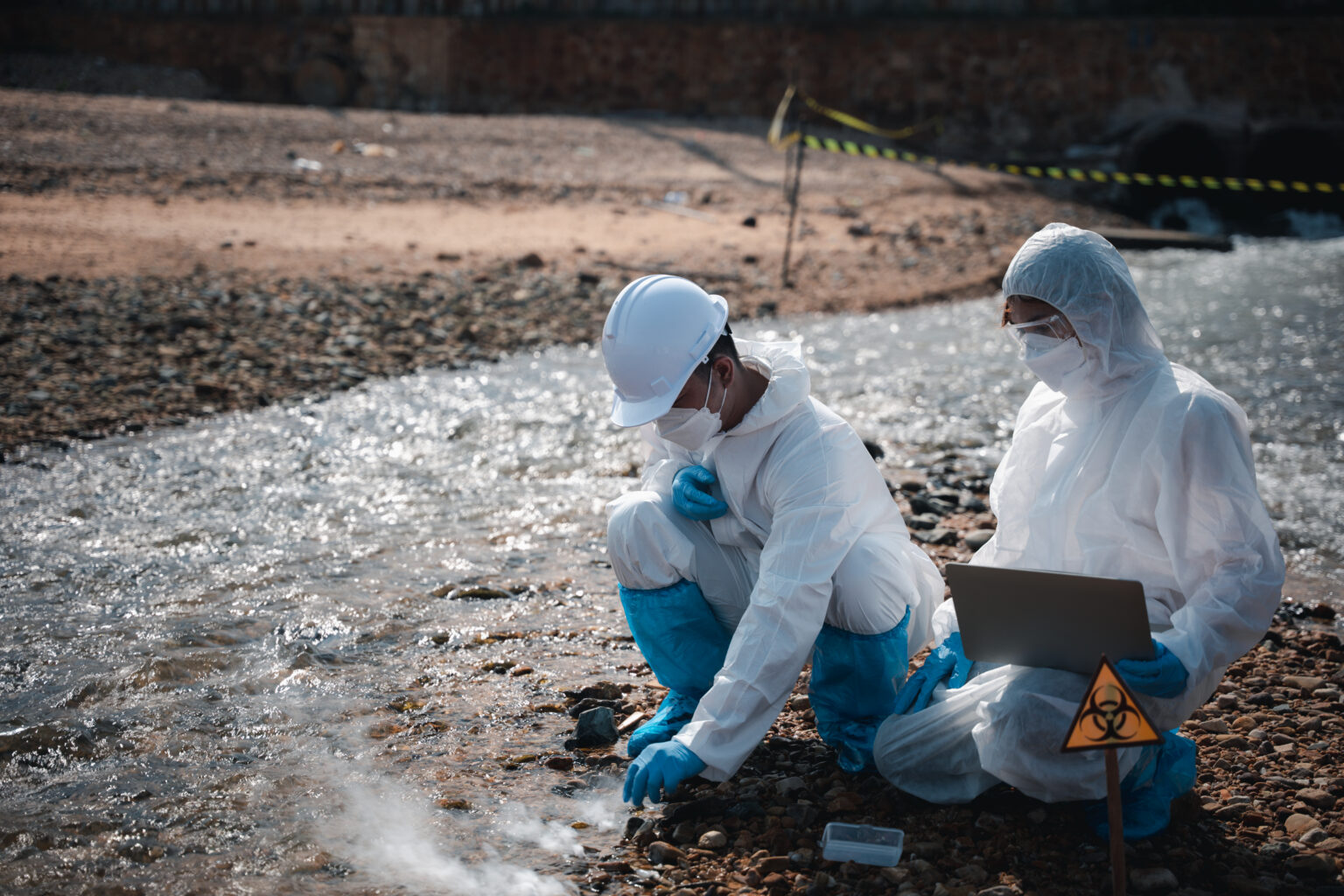
Underground tank remediation becomes necessary whenever the system is decommissioned, replaced, or must undergo extraordinary maintenance. The presence of leaks, corrosion, or contamination may also make a remediation procedure essential in order to eliminate hazardous conditions.
Remediation is generally carried out when:
Timely intervention helps prevent environmental damage and avoids higher restoration costs caused by further deterioration of the tank.
Remediation is a technical process composed of several phases, each designed to eliminate residues inside the tank and make it safe for subsequent operations.
The procedure typically includes:
Every operation is carried out using specialized equipment and in compliance with confined-space procedures, ensuring the safety of workers and the surrounding environment.
One of the most important phases of remediation is tank inerting. After the fuel has been removed, flammable vapors may remain, posing a potential fire or explosion risk.
Inerting consists of eliminating or neutralizing these vapors through dedicated technical procedures, making the tank safe for any subsequent work.
This operation allows to:
Inerting is therefore an indispensable step in many remediation operations and represents one of the primary prevention measures during the decommissioning of an underground tank.
When a tank must be permanently removed, disposal is carried out following procedures that ensure environmental protection and proper waste management.
The activities generally include:
Diesel tank disposal must be performed exclusively by authorized companies capable of ensuring full traceability of the process and compliance with current regulations.
Underground tank remediation is governed by a set of environmental and safety regulations that cover waste management, pollution prevention, and worker protection.
The most relevant aspects include:
Complying with regulations not only helps avoid penalties but also demonstrates proper management of the process in the event of inspections by the competent authorities.
The duration of remediation depends on several factors, including the tank's capacity, the type of fuel contained, its state of conservation, and whether removal of the tank is required.
In general, clients can expect an organized process that includes:
| Phase | Objective |
| Technical survey | Assess conditions and operational methods |
| Safety measures | Eliminate all risks during operations |
| Cleaning and remediation | Remove residues and contaminants |
| Inerting | Neutralize vapors and hazardous atmospheres |
| Disposal or removal | Properly manage the decommissioned tank |
| Final documentation | Certify compliance of the process |
Relying on qualified personnel helps reduce operational time, minimize the impact on business activities, and ensure that every phase is carried out in compliance with the required procedures.
Underground tank remediation requires multidisciplinary expertise, certified equipment, and in-depth knowledge of environmental and workplace safety regulations. A process carried out without proper procedures can result in risks to people, environmental contamination, and administrative or criminal liability.
Franchini Servizi Ecologici performs underground tank remediation, inerting, and diesel tank disposal (SERVICE LINK), managing every phase of the process: from the initial survey to safety measures, through to documentation management and delivery to authorized facilities. Thanks to an integrated approach, the company guarantees safe, traceable interventions that are fully compliant with current regulations.
Remediation is required whenever an underground tank is decommissioned, replaced, or must be removed. It is also necessary when leaks, corrosion, or conditions that may pose an environmental risk are detected. Performing remediation before decommissioning eliminates hazardous residues and vapors, ensuring the safety of subsequent operations and compliance with environmental regulations.
Remediation encompasses the entire process of cleaning, draining, and securing the tank. Inerting is a specific phase of remediation during which the flammable vapors inside the tank are eliminated or neutralized. In many cases, both operations are performed in sequence to make the tank completely safe before removal or decommissioning.
After remediation and any inerting, the tank is removed, transported by authorized operators, and delivered to facilities equipped for material recovery or disposal. The entire process is accompanied by the documentation required by law, which ensures waste traceability and certifies proper management of the procedure.
The duration varies depending on the tank's size, the type of fuel contained, its state of conservation, and the complexity of the system. In most cases, the process is completed within one or a few working days, although particularly complex situations may require more time. A technical survey allows for precise planning of activities and an accurate time estimate.
It depends on the structural condition of the tank and the objectives of the intervention. If the tank is intact and meets technical requirements, it can be put back into service after remediation and any necessary inspections. However, if it shows corrosion, leaks, or structural damage, removal or replacement is generally recommended to ensure safety, reliability, and regulatory compliance.