Correct classification of special waste is a fundamental step for any company that produces, manages, or disposes of waste. CER codes (European Waste Catalogue), now more accurately referred to as EER codes (European Waste List), are the main tool used to identify the type of waste and ensure compliant management.
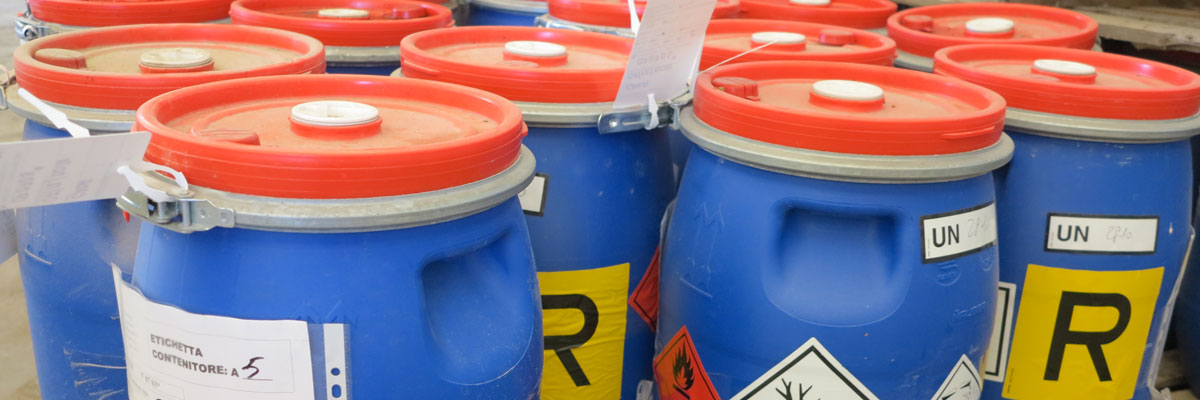
CER codes are six-digit numerical codes used to classify waste based on its origin and composition.
Each code identifies a specific type of waste and determines the correct procedures for handling, transport, and disposal.
The code structure follows a precise logic:
This standardized classification allows uniform waste management across Europe.
Correctly interpreting a CER code is essential to avoid classification errors.
Each code must be analyzed considering both its numerical structure and the characteristics of the waste.
For proper classification, it is necessary to:
A thorough analysis ensures accurate and compliant classification.
A fundamental distinction is between hazardous and non-hazardous waste, which directly affects management procedures.
Hazardous wastes are identified by an asterisk (*) next to the CER code and includes substances that may pose risks to health or the environment.
The main differences include:
Correct classification is essential to avoid legal liabilities.
The responsibility for correctly assigning the CER code always lies with the waste producer. This means that the company must ensure that each waste stream is accurately identified and documented.
Specifically, the company must:
Incorrect classification may lead to administrative and criminal penalties.
Waste classification is a technical process that requires attention. Some mistakes can compromise the entire waste management workflow.
The most common errors include:
Avoiding these mistakes is essential to ensure regulatory compliance.
Waste classification using CER codes is governed by European and national regulations, which define criteria and responsibilities for waste management.
The main reference in Italy is Legislative Decree 152/2006 (Environmental Consolidated Act), which establishes obligations for waste producers and operators, alongside EU decisions that periodically update the CER list.
Compliance ensures safe operations, avoids penalties, and guarantees proper waste management.
Correct assignment of CER waste codes is a fundamental step for efficient and compliant waste management.
Franchini Servizi Ecologici supports companies in waste classification, offering technical consulting, laboratory analysis, and full documentation management, ensuring accuracy, safety, and regulatory compliance.
They are six-digit codes used to identify waste types.
There is no substantial difference: CER (European Waste Catalogue) and EER (European Waste List) refer to the same 6-digit classification system.
The waste producer is responsible for classification.
By the * symbol next to the CER code.
Similar codes used to distinguish hazardous and non-hazardous waste.
Yes, when necessary to determine hazardous properties.
It may lead to legal liabilities and financial penalties.
DECRETO LEGISLATIVO 8 aprile 2008, art. 5 - Disciplina dei centri di raccolta dei rifiuti urbani raccolti in modo differenziato