High-pressure hydrodynamic cleaning is one of the most effective techniques for industrial pipeline maintenance, especially when it comes to removing hard scaling, solid residues, and persistent deposits.
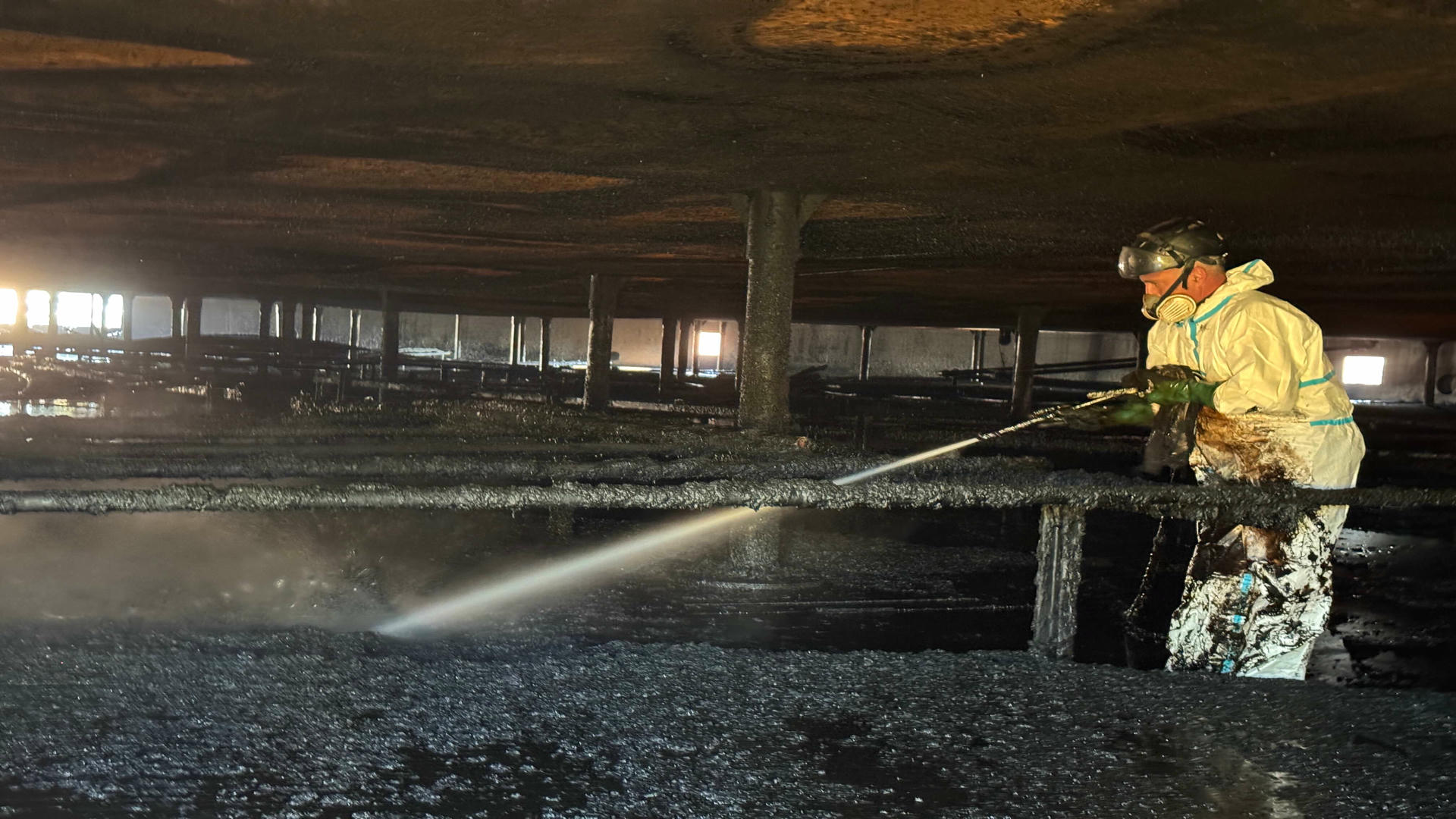
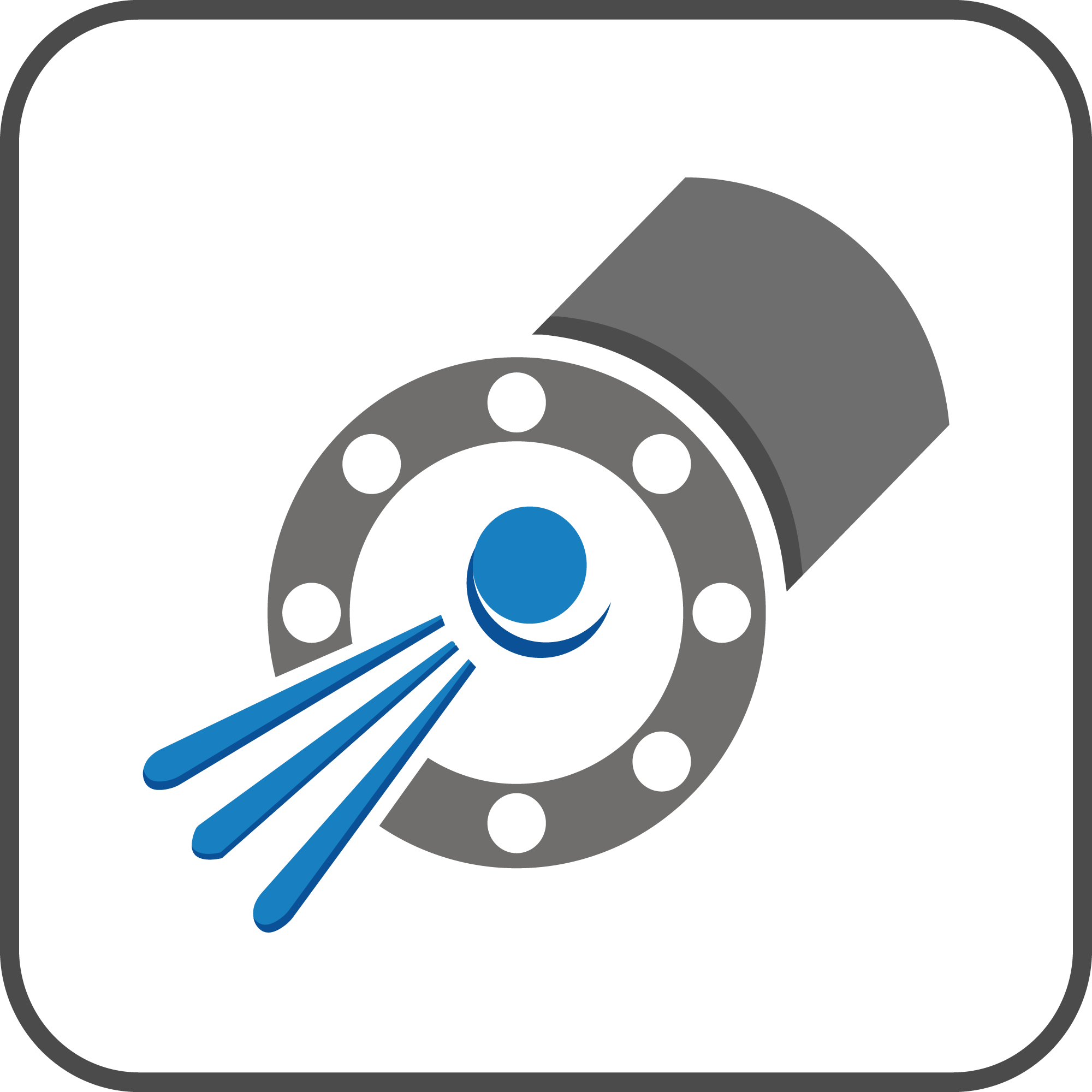
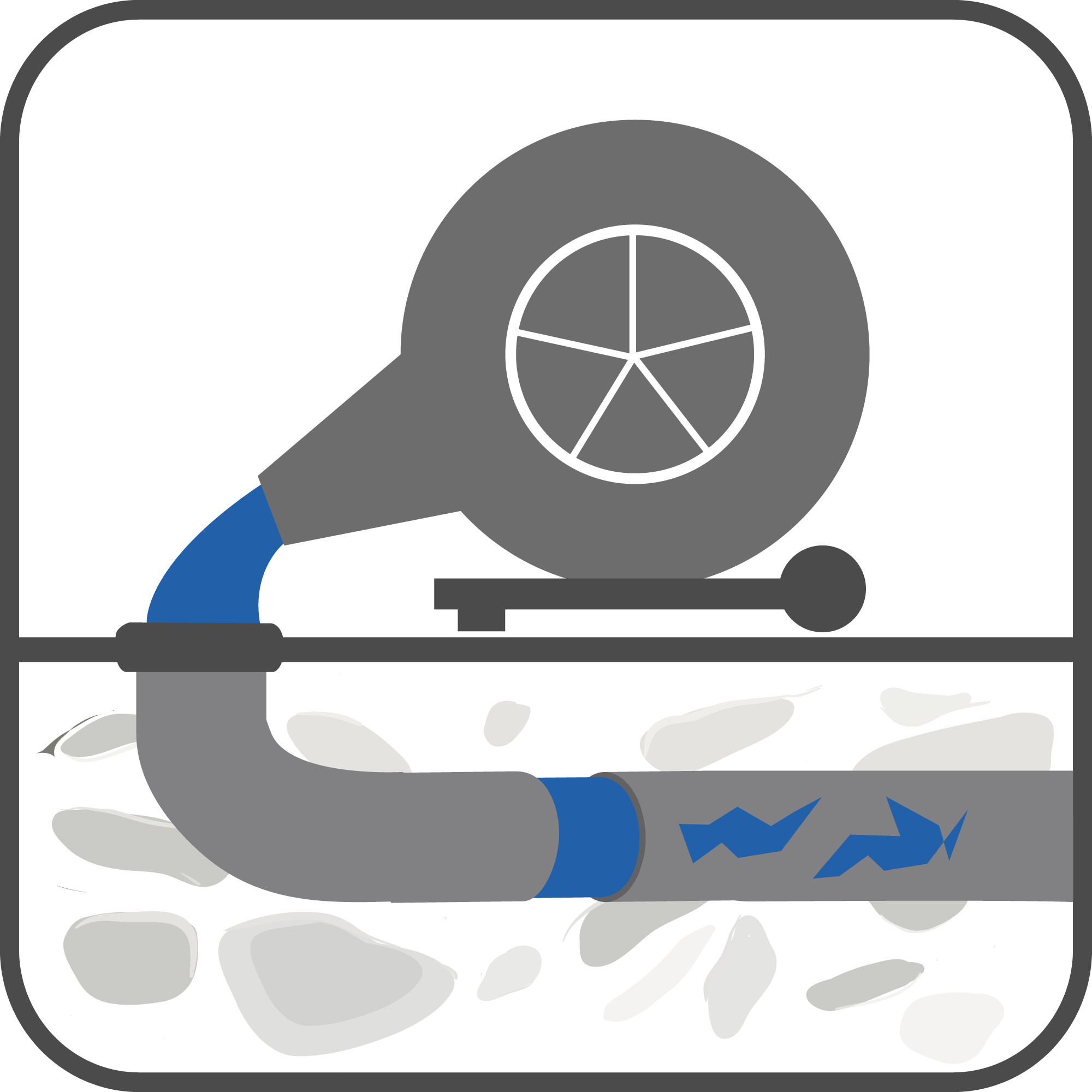
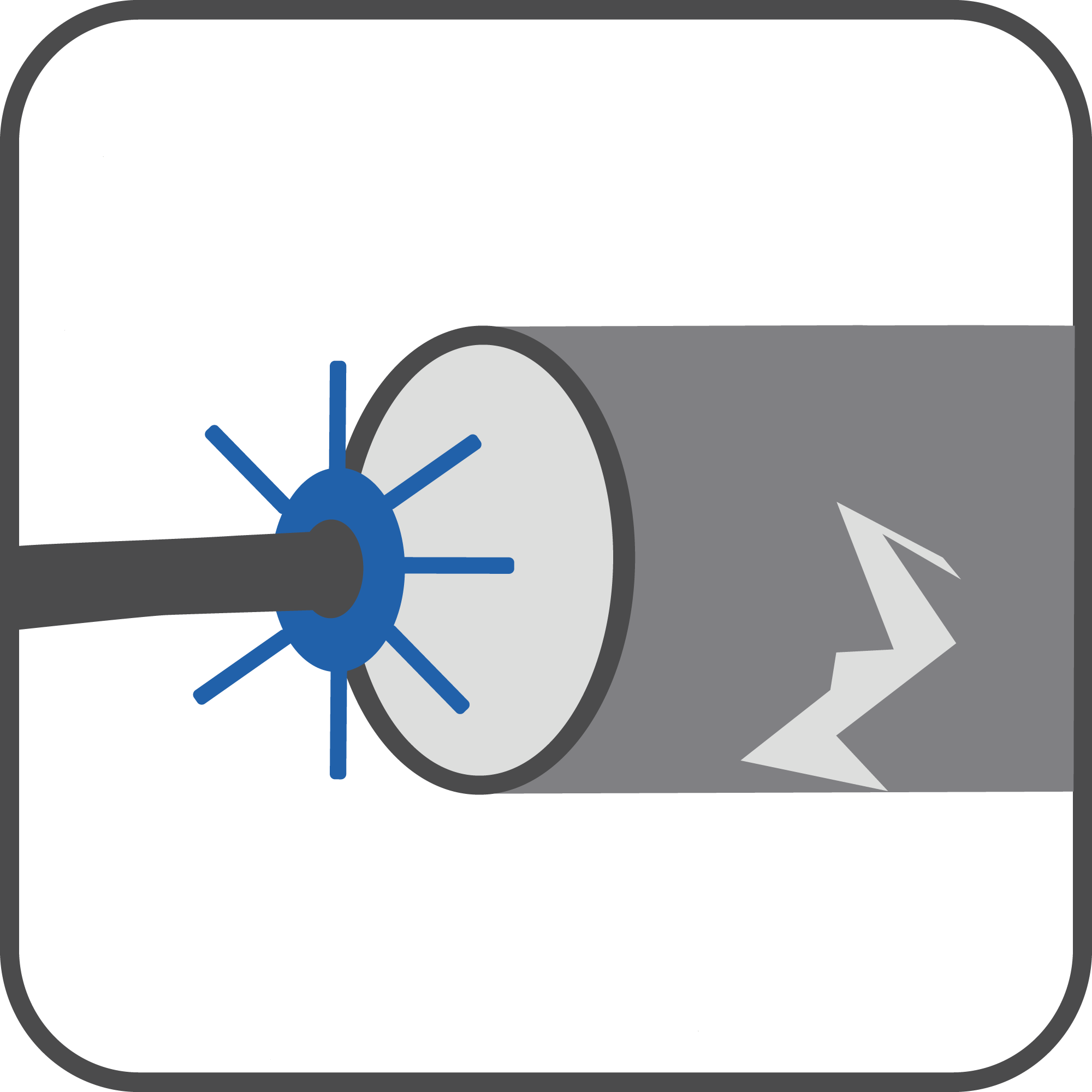
Hydrodynamic cleaning uses high-pressure water directed into pipelines through specific nozzles designed to remove all types of deposits without damaging internal surfaces.
This system allows intervention on different types of fouling thanks to the combination of water pressure and flow rate, which makes it possible to:
The effectiveness of the method depends on the correct selection of equipment and pressure settings, which must be adapted to the system type and pipe material.
In industrial environments, pipelines are under constant stress and progressive build-up that can compromise the entire system. High-pressure cleaning allows targeted intervention, improving performance and preventing more serious issues.
In particular, this type of intervention helps to:
A clean piping system ensures greater reliability and operational continuity, which are crucial in industrial settings.
Hydrodynamic high-pressure cleaning offers several advantages compared to other technologies, especially in terms of effectiveness and speed of execution.
Main benefits include:
These features make hydrodynamic cleaning an ideal solution for companies seeking efficiency and high performance.
An effective hydrodynamic cleaning intervention requires careful planning and appropriate equipment. The process is structured into several operational phases, each essential to ensure the final result.
The intervention typically includes:
Each step is essential to ensure effective cleaning without damaging infrastructure and to guarantee long-lasting results.
High-pressure hydrodynamic cleaning is a highly efficient solution for industrial pipeline maintenance, especially when dealing with stubborn deposits and performance restoration. Thanks to its effectiveness, speed, and versatility, it helps companies reduce downtime, improve operational efficiency, and maintain systems in optimal condition over time.
It is a technique that uses high-pressure water jets to remove deposits and residues from pipelines without invasive interventions.
It is recommended when there is reduced flow, material buildup, or risk of clogging in industrial pipelines.
No, when performed correctly with proper pressure and equipment, it is safe even for sensitive systems.
Limescale, sludge, industrial residues, oils, fats, and hardened materials.
Yes, because it mainly uses water without chemical products, reducing environmental impact.
It depends on system size and level of fouling, but it is generally fast and minimizes downtime.