Liquid waste disposal is a fundamental activity for all companies that generate liquid waste from production processes, maintenance operations or plant management. Besides being a legal obligation under environmental regulations, proper waste management helps reduce contamination risks, avoid penalties and ensure business continuity.
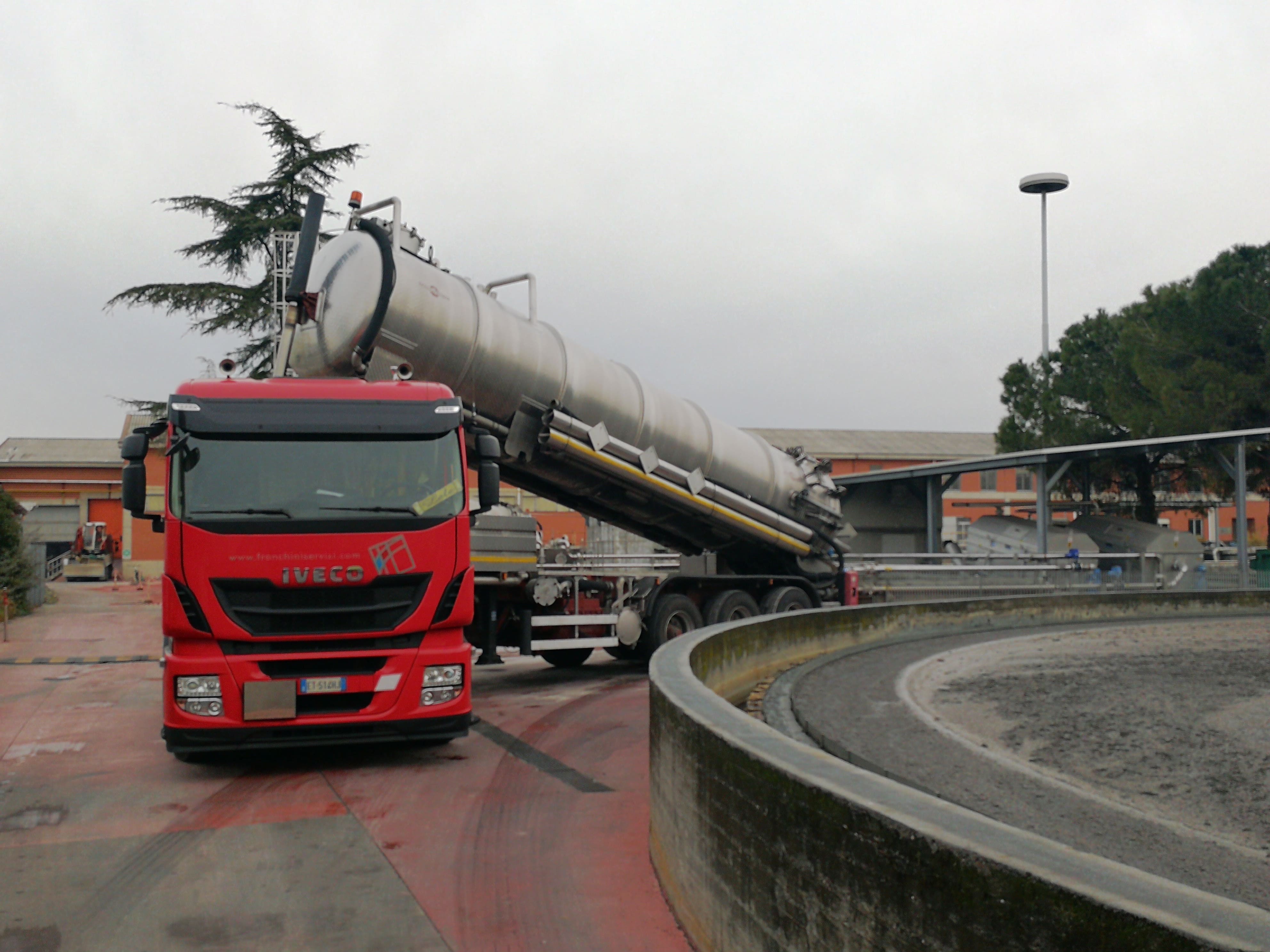
Liquid waste disposal refers to all the operations required to properly manage liquid substances that cannot be discharged directly into sewer systems or the environment.
These wastes may originate from a wide range of industrial activities and include, for example:
Each type of waste requires specific classification and management procedures based on its chemical characteristics and hazard level.
Liquid waste management follows a well-defined process that ensures safety, traceability and compliance with environmental regulations.
| Phase | Purpose |
| Collection | Safely contain the waste |
| Classification | Identify the correct EER/CER waste code |
| Temporary storage | Store the waste in compliance with regulations |
| Transport | Deliver the waste through authorized operators |
| Treatment or disposal | Recover or dispose of the waste at authorized facilities |
| Documentation | Ensure full traceability of the entire process |
Each stage must be properly documented to demonstrate compliant waste management during inspections by the competent authorities.
Collection is the first step of the entire waste management process. Improper handling at this stage may result in accidental spills, environmental contamination or unauthorized mixing of incompatible waste streams.
Proper collection makes it possible to:
Using suitable containers and dedicated collection systems is therefore an essential element of effective business waste management.
Liquid waste transportation cannot be carried out freely. It must be performed exclusively by authorized companies registered with the official environmental registers required by law.
During transportation, specific procedures include:
These procedures ensure that every stage is carried out safely and in full compliance with current legislation.
Companies producing liquid waste are subject to specific legal obligations designed to protect the environment and public health.
The main requirements include:
Incomplete or non-compliant waste management may result in administrative penalties and, in the most serious cases, criminal liability.
Improper liquid waste management may have significant environmental and financial consequences.
The main risks include:
For this reason, companies should adopt a structured waste management strategy and rely on experienced environmental service providers.
Liquid waste management and disposal require technical expertise, specialized equipment and in-depth knowledge of environmental regulations. A qualified operator can manage every stage of the process—from collection through transportation to final disposal—ensuring safety, efficiency and full legal compliance.
Choosing a specialized partner such as Franchini Servizi Ecologici also helps reduce operational times, optimize waste management costs and ensure that all required documentation is correctly prepared and properly retained.
All liquid waste that cannot legally be discharged into the sewer system or directly into the environment must be handled by authorized operators. This includes industrial process water, oily emulsions, chemically contaminated liquids, liquid sludge, washing water and other production residues. Proper waste classification is the first step in identifying the most suitable treatment and disposal method.
In most cases, no. Liquid waste transportation must be carried out exclusively by authorized companies registered with the appropriate environmental authorities and equipped with certified vehicles such as vacuum tankers. Using qualified operators ensures full regulatory compliance and complete traceability of the waste until it reaches the authorized treatment facility.
Environmental regulations require specific documentation to guarantee full traceability throughout the waste management process. This includes proper waste classification using the correct EER/CER code, as well as all transport and disposal documentation accompanying the waste to authorized treatment facilities. Keeping these records is essential in the event of inspections by the competent authorities.
Improper waste management can result in serious consequences, including soil and groundwater contamination, damage to wastewater treatment systems and administrative or criminal penalties. The company may also be required to cover costly environmental remediation and site restoration activities. For these reasons, liquid waste should always be managed by qualified environmental service providers.
A specialized operator is capable of managing every stage of the process—from collection and transportation to final disposal—in full compliance with environmental regulations. In addition to ensuring safety and legal compliance, professional services help optimize response times, reduce operational risks and guarantee efficient, fully traceable management of business liquid waste.