The distinction between pumpable and spadeable sludge is fundamental in industrial and environmental waste management, as it determines handling, transport, treatment, and disposal methods. Understanding the physical characteristics that differentiate these two types enables correct planning of every operational phase, optimising costs and regulatory compliance.
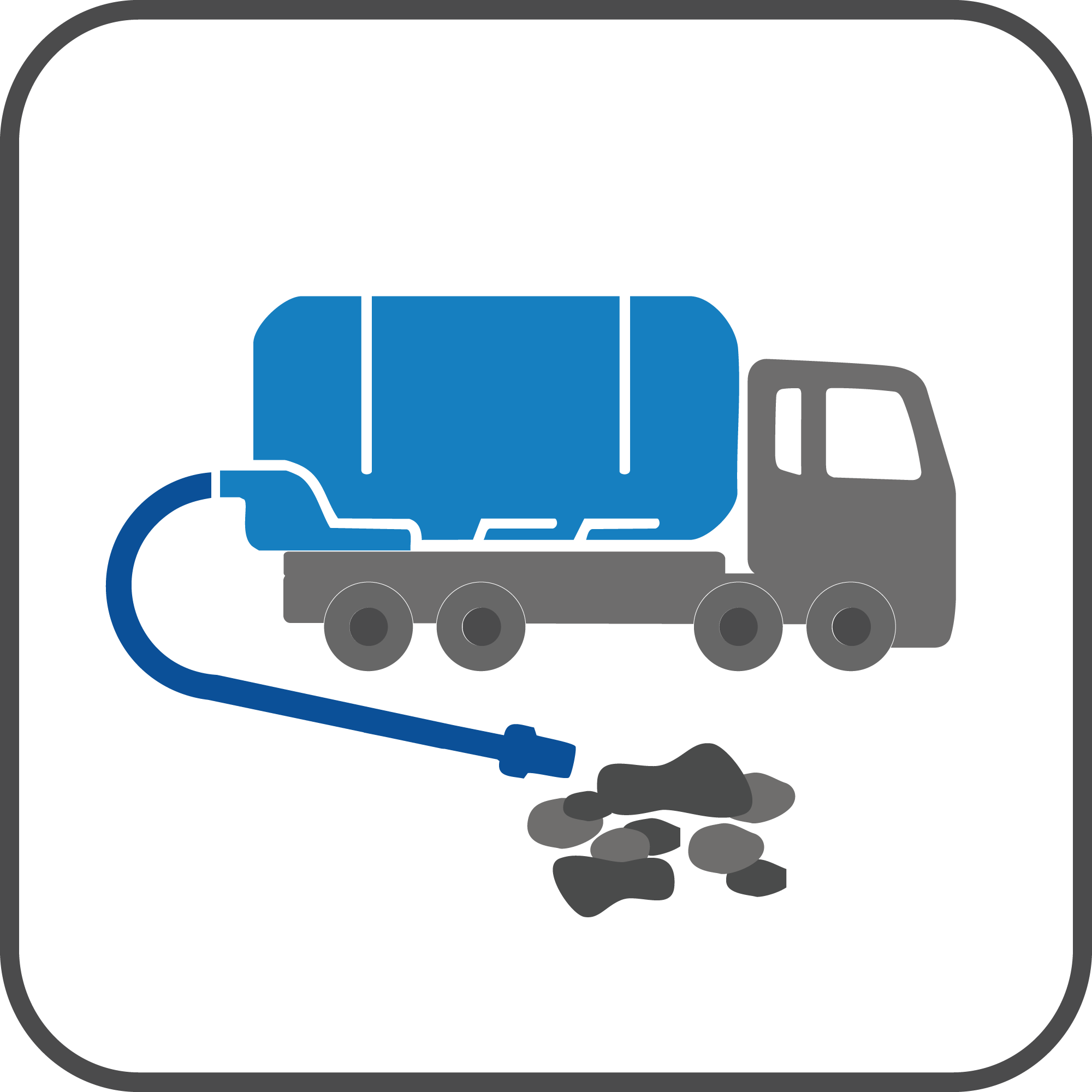
Pumpable sludge is waste with a fluid or semi-fluid consistency, characterised by a high water content that allows it to be moved by pumping systems. From a physical standpoint, it presents as dense liquid suspensions, with a viscosity that permits flow through pipes and direct loading into tanks via volumetric or centrifugal pumps.
The fundamental characteristic of pumpable sludge is its ability to flow: it can be suctioned from tanks, manholes, settling basins, and treatment plants and transferred directly into tanker trucks without the need for mechanical loading equipment. This property makes it easier to handle than spadeable sludge, but requires specific transport vehicles equipped with watertight tanks and liquid loading and unloading systems.
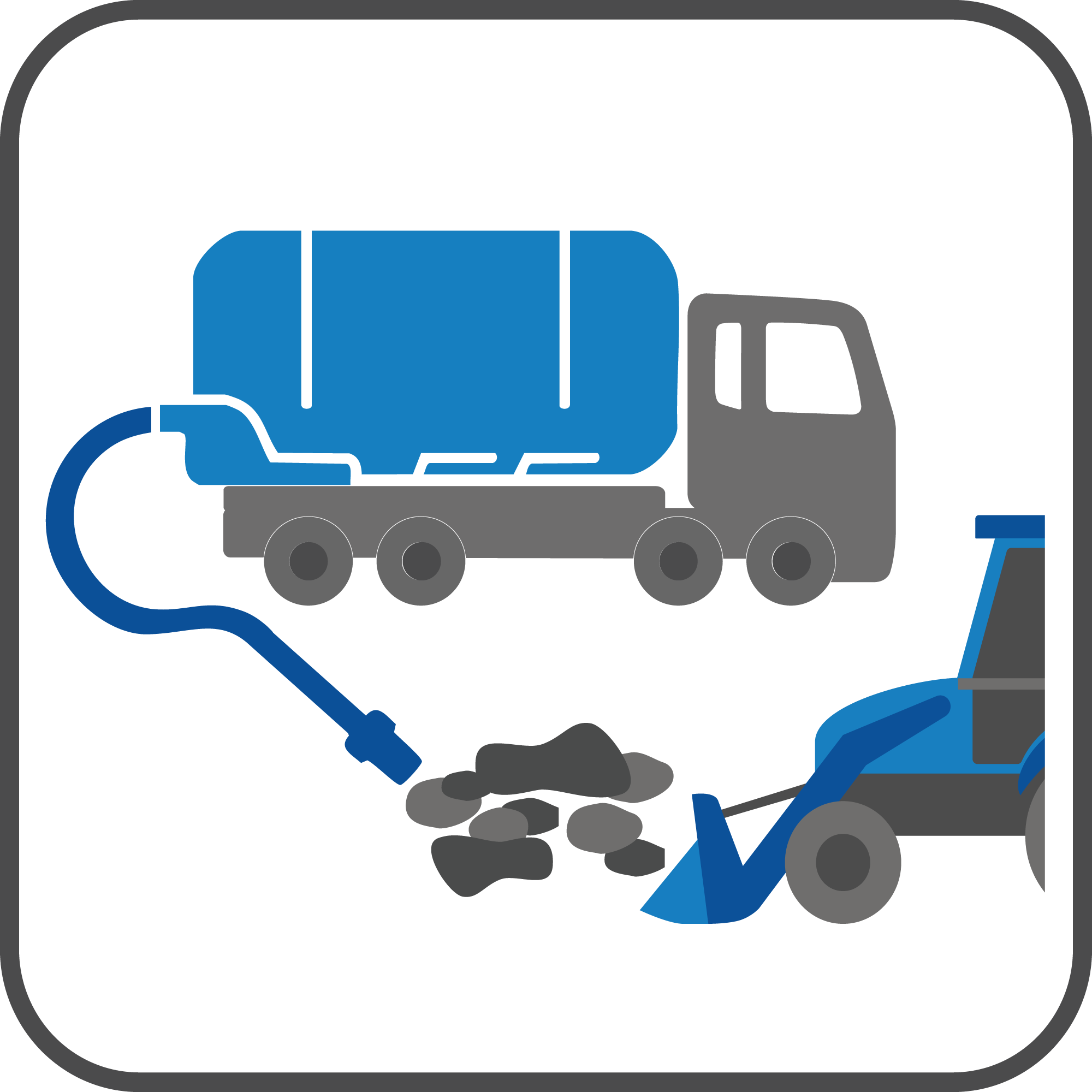
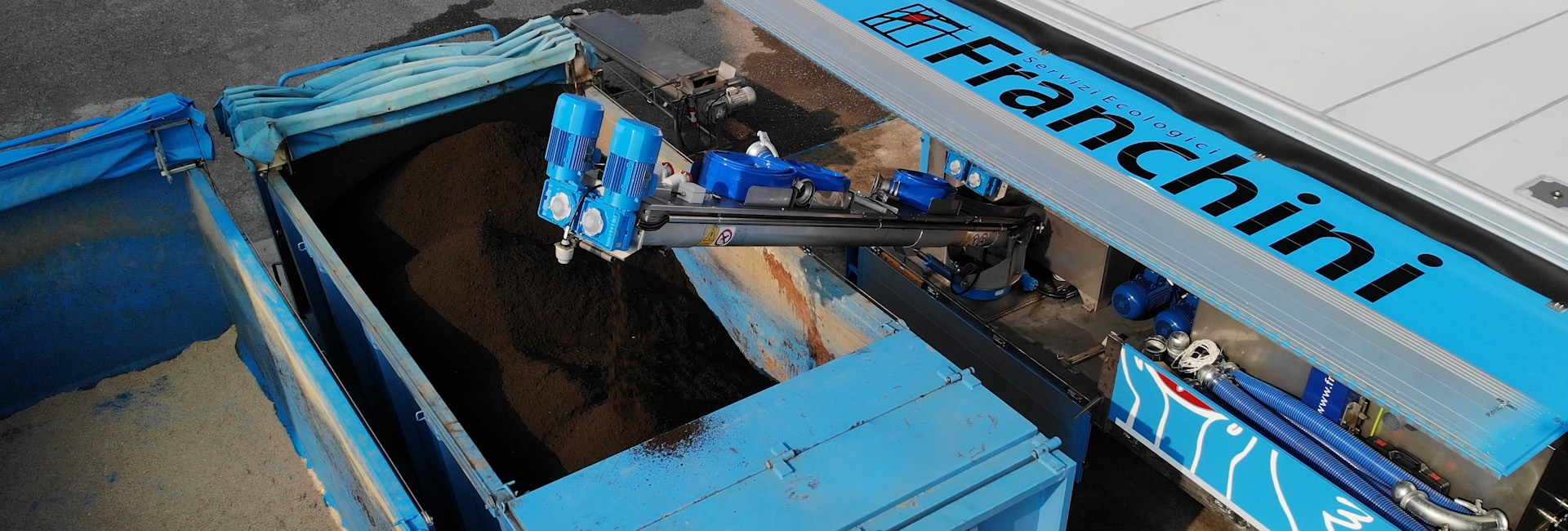
Spadeable sludge is waste with a solid or semi-solid consistency, characterised by a low water content that prevents pumping and requires handling with mechanical means such as loaders, excavators, or buckets. From a physical standpoint, it presents as pasty, dense, or granular materials that maintain their shape when deposited and do not flow freely.
Spadeable sludge generally results from mechanical dewatering processes (centrifugation, filter pressing, belt pressing) or from natural drying and consolidation processes. Its solid consistency requires loading onto open skips, containers, or flatbed vehicles for transport, with operational methods different from those for pumpable sludge.
The differences between the two types of sludge concern multiple operational aspects, from handling to transport, through to treatment and final disposal.
The comparison between the two types highlights:
| Aspect | Pumpable sludge | Spadeable sludge |
| Consistency | Fluid or semi-fluid | Solid or semi-solid |
| Water content | High (above 80-85%) | Low (below 75-80%) |
| Handling | Pumping with volumetric or centrifugal pumps | Mechanical loading with loader or excavator |
| Transport | Watertight tanker trucks | Open skips, containers, flatbed vehicles |
| Treatment | Mechanical or chemical dewatering before disposal | Possible direct disposal in authorised landfill |
| Transport costs | Related to total volume (water included) | Related to solid material weight |
The correct classification of sludge as pumpable or spadeable is the first step in defining the entire management chain: from the choice of handling and transport equipment to the selection of the treatment plant or final disposal destination.
The consistency of sludge directly affects the available treatment options and authorised disposal methods. Pumpable sludge, characterised by its high water content, requires dewatering treatment in most cases before it can be sent to landfill or directed to recovery. Dewatering reduces the overall volume of the waste, lowering transport and disposal costs and transforming pumpable sludge into spadeable material.
Spadeable sludge, having already undergone a dewatering process or naturally having a low water content, can in many cases be sent directly to authorised landfill or directed to recovery facilities without the need for intermediate water content reduction treatments. However, its management requires specific loading and transport equipment, and the chemical characteristics of the sludge must still meet the acceptability requirements of the destination facility.
Dewatering is the process through which pumpable sludge is transformed into spadeable sludge, reducing the water content and increasing the solids concentration. This process is fundamental in sludge management because it significantly reduces the volume of waste, lowering transport and disposal costs.
The main dewatering technologies include:
The choice of dewatering technology depends on the volume of sludge to be treated, its chemical-physical characteristics, the available space, and the dry content level required for subsequent disposal or recovery.
Industrial sludge management requires specific expertise in waste classification, selection of handling and transport equipment, and identification of the correct treatment and disposal chain. Professional management ensures compliance with current environmental regulations and optimisation of operating costs.
Franchini Servizi Ecologici provides complete industrial sludge management services: suction and pumping of liquid sludge, loading and transport of spadeable sludge, dewatering treatments, and delivery to authorised treatment, recovery, and disposal facilities. Every intervention is planned based on the specific characteristics of the sludge and applicable regulatory requirements, ensuring traceability and compliance at every stage of the chain.
The classification of sludge as pumpable or spadeable is primarily based on its dry matter content and physical consistency. In general terms, sludge with a solids content below 15-20% is generally pumpable, while sludge with a solids content above 20-25% is generally considered spadeable. However, the exact threshold depends on the nature of the sludge, its chemical composition, and its rheological properties. Some sludge may have intermediate characteristics, being difficult to pump but not sufficiently solid to be loaded with a shovel. In these cases, a practical pumpability test or laboratory characterisation allows the most appropriate operational methods for handling and transport to be precisely determined.
The cost-effectiveness of dewatering before transport depends on the ratio between the dewatering treatment cost and the savings achieved through volume reduction for transport. For sludge with very high water content (above 95%), dewatering can reduce waste volume by up to 80-90%, generating significant savings on transport and disposal costs that far exceed the treatment cost. For sludge with lower water content (80-85%), the assessment must also consider the distance to the disposal site, the unit disposal cost, and the characteristics of the destination facility. In some cases, the final treatment facility can accept pumpable sludge and has its own dewatering lines, making preliminary treatment unnecessary. A case-by-case technical-economic assessment identifies the most advantageous solution.
Sludge management and transport are regulated by a comprehensive legal framework that includes European legislation and national laws on waste and the environment. In Italy, the main reference is Legislative Decree 152/2006 (Consolidated Environmental Act), which governs waste classification, transport methods, treatment and disposal facility requirements, and traceability through the waste tracking form system and load and unload register. Sludge must be classified with the appropriate EWC code based on its origin and composition, and transport must be carried out by authorised entities with vehicles suitable for the type of waste being transported. For landfill disposal, sludge must meet the admissibility criteria set by Ministerial Decree of 27 September 2010, which establishes specific limits for chemical and physical parameters. The authorisations of destination facilities specify the types of sludge acceptable and the applicable operating conditions.
Spadeable sludge can be sent to authorised landfill provided it meets the admissibility criteria set by current regulations. These criteria include specific limits for water content, concentration of hazardous substances, biological stability, and calorific value. The sludge must also be classified with the appropriate EWC code and must be compatible with the type of destination landfill (for non-hazardous waste or hazardous waste). In many cases, spadeable sludge from dewatering processes directly meets the admissibility criteria without the need for further treatment. However, sludge with high concentrations of certain substances or with hazardous characteristics may require specific stabilisation or inertisation treatments before disposal. Verification of compliance with admissibility criteria is carried out through laboratory analysis of the sludge before disposal.