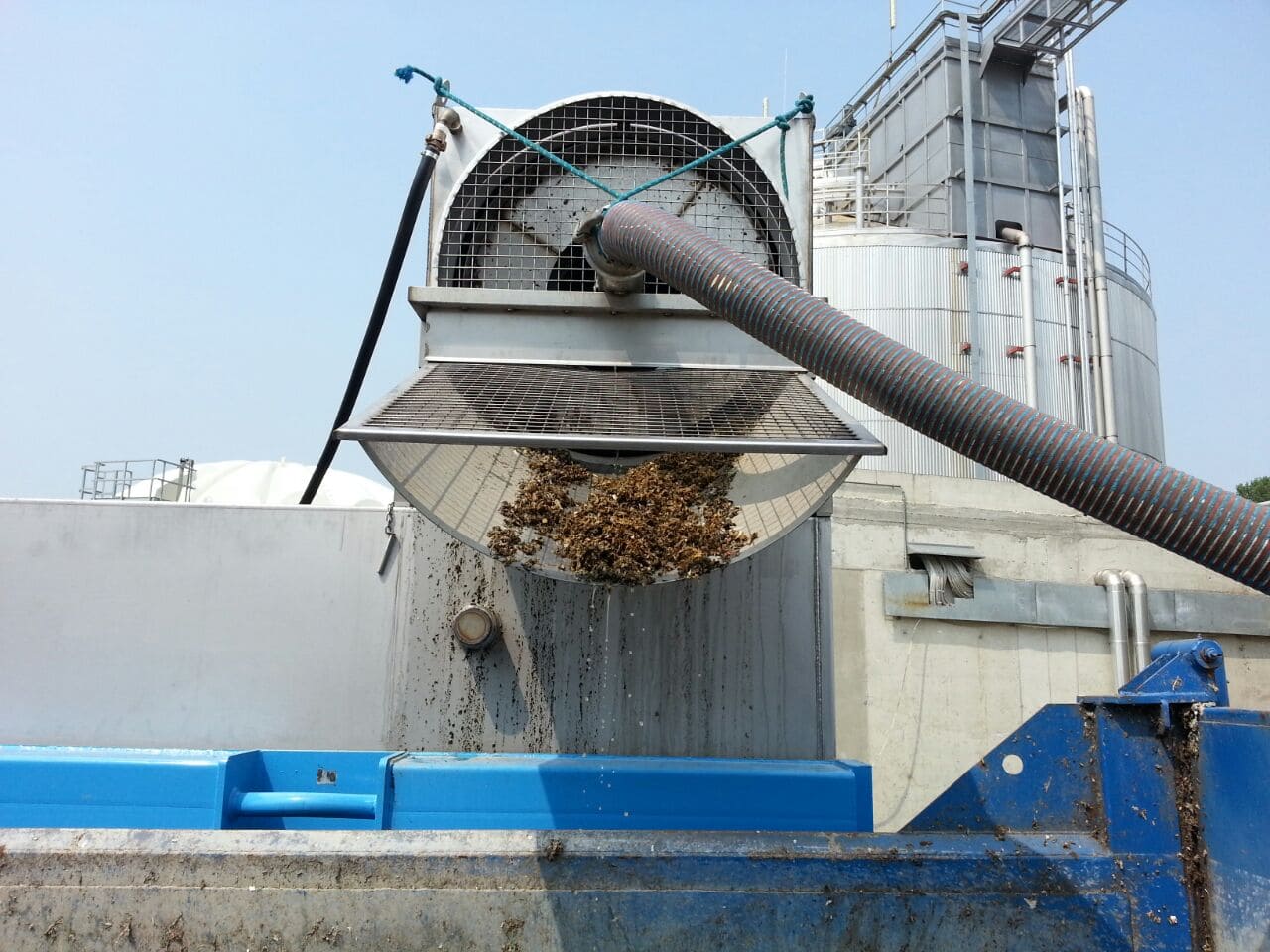
Sludge screening
Removal of bodies and gross objects from wastewater and sludge
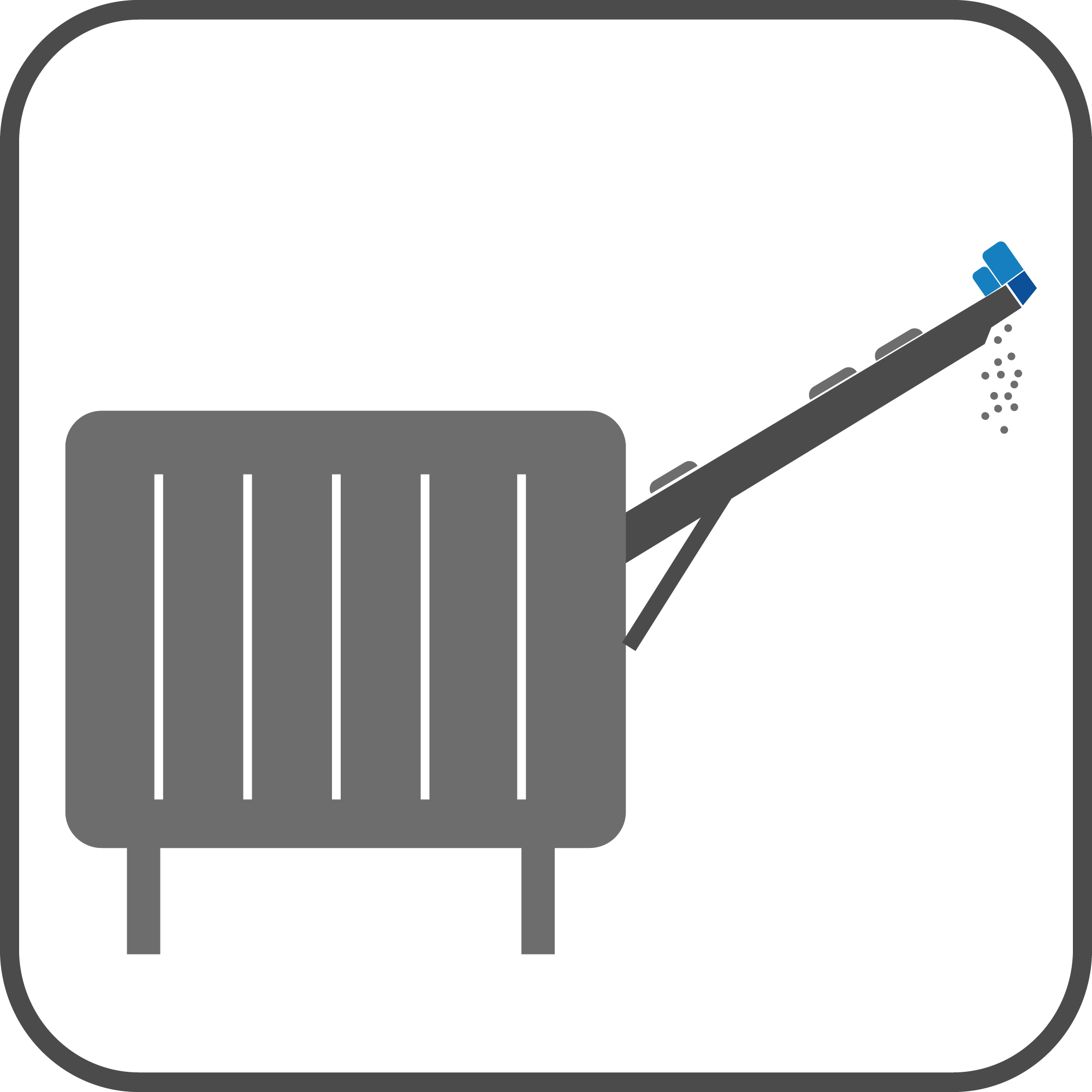
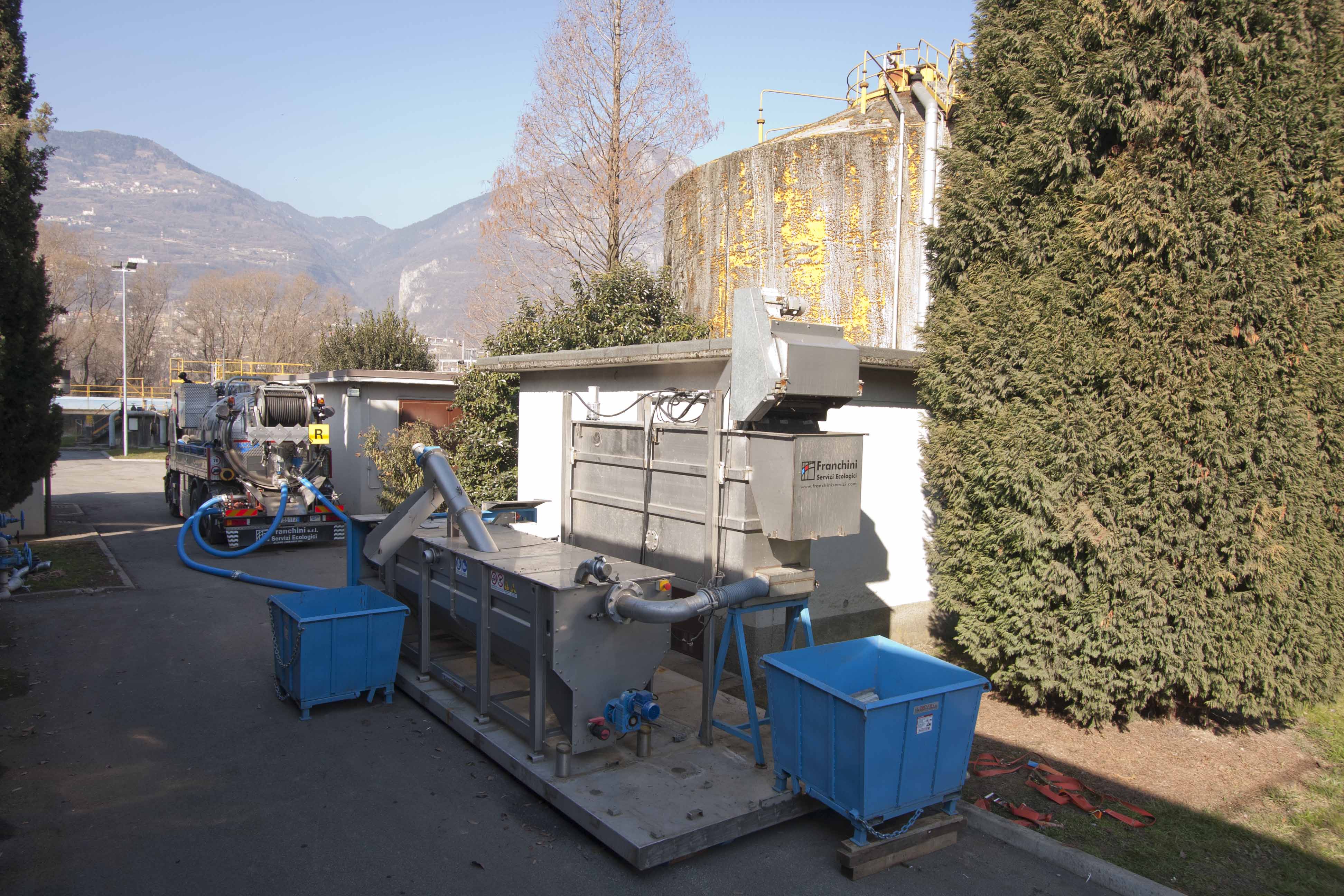
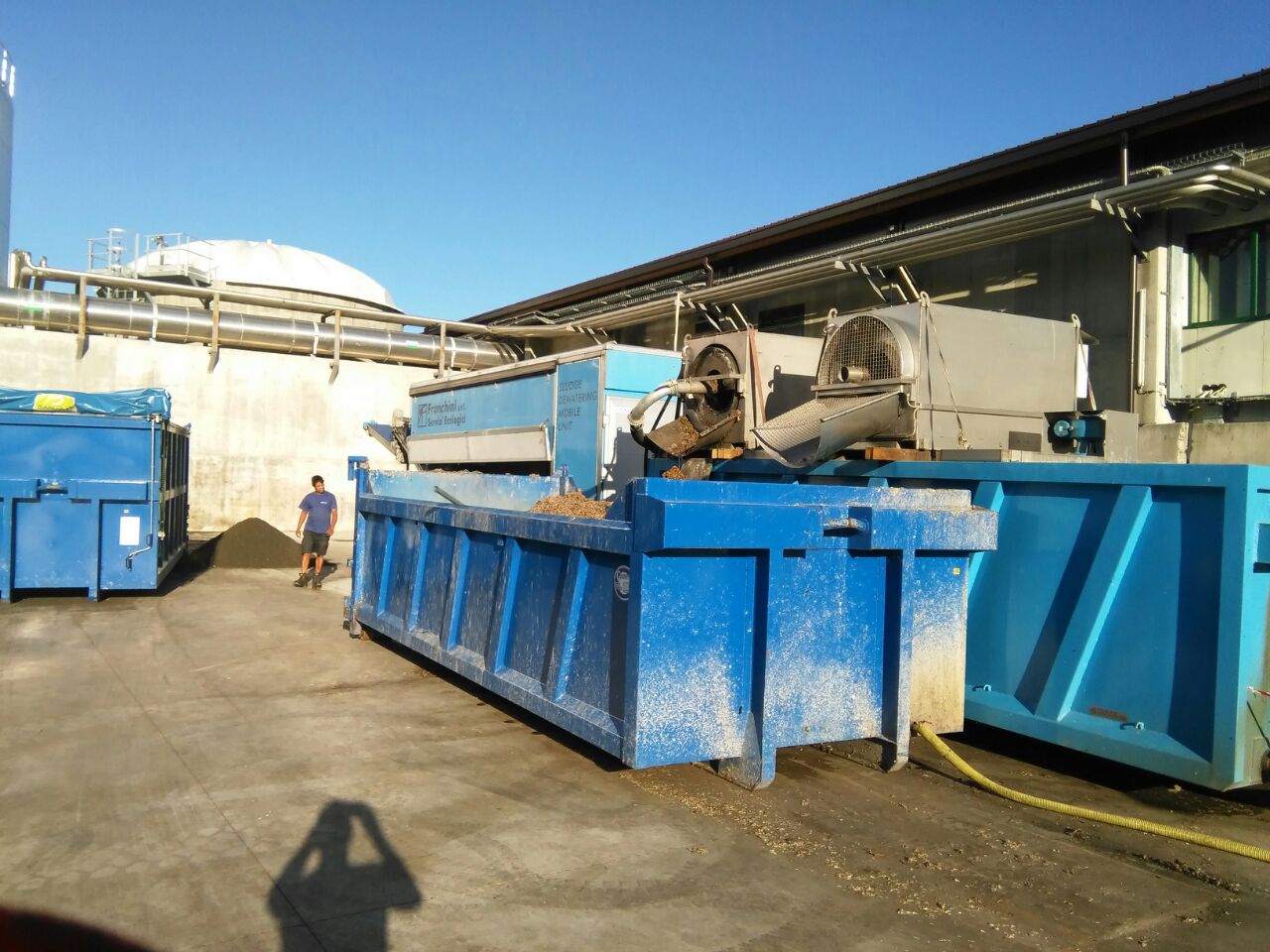
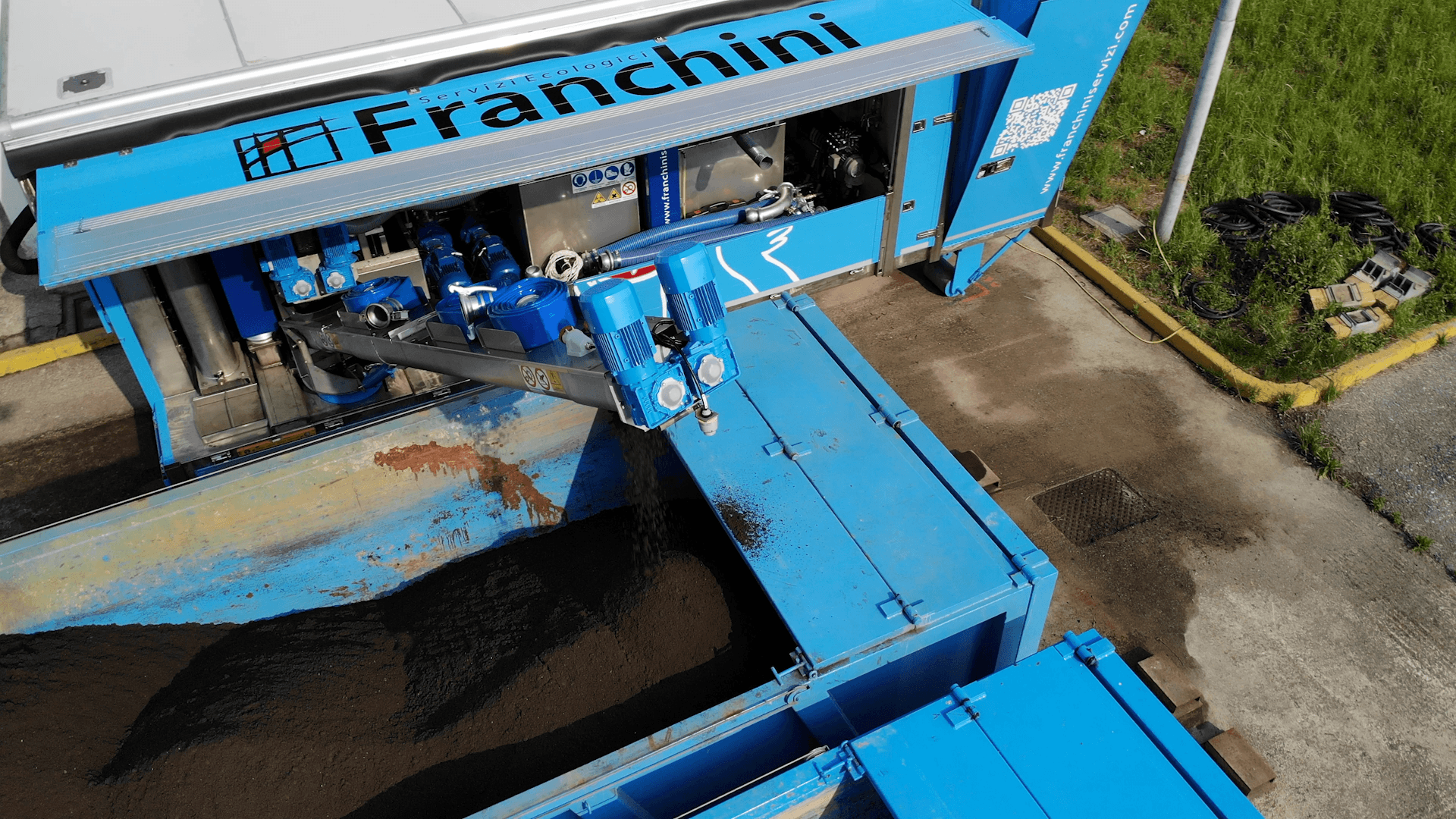
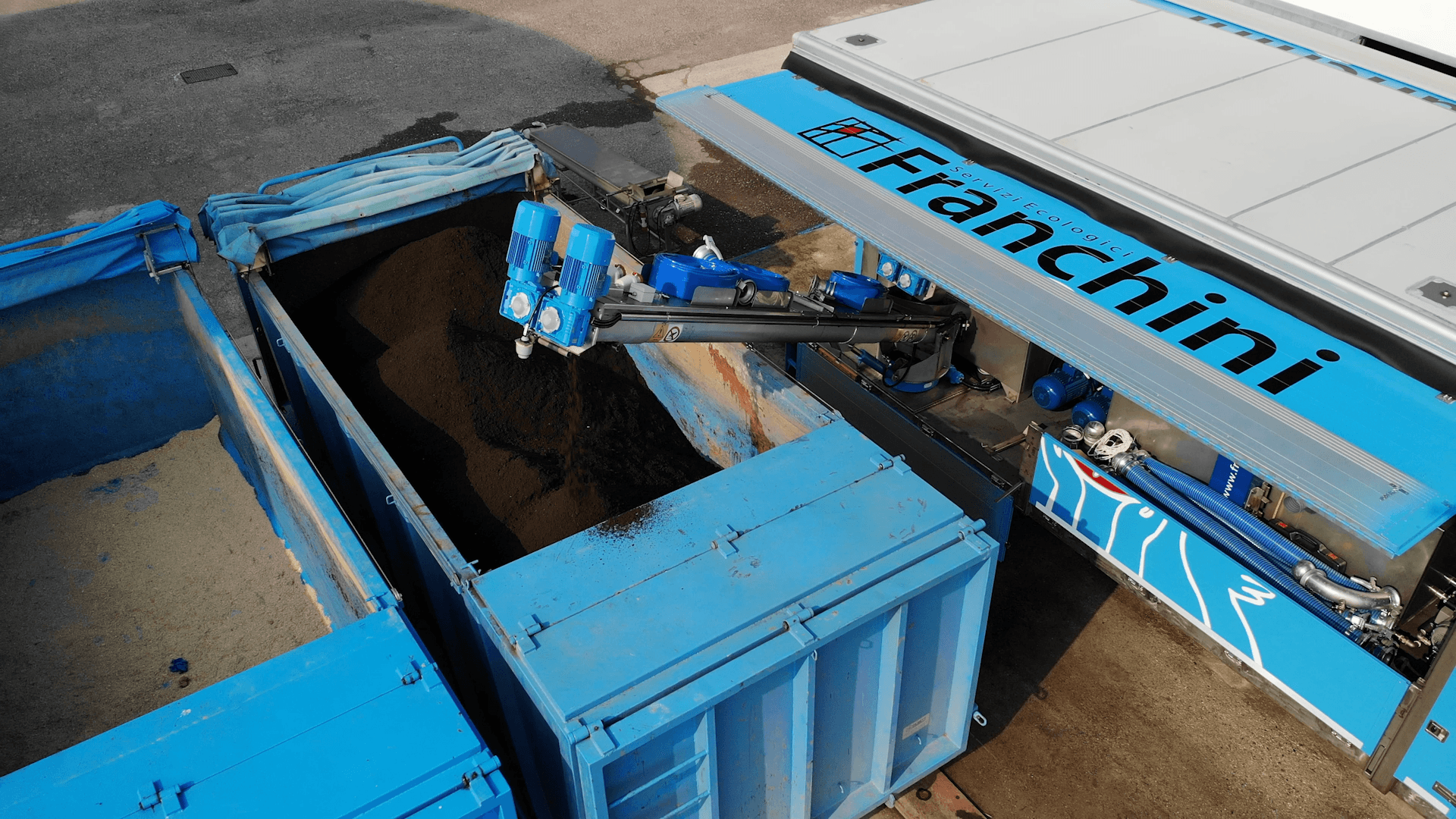
Sludge screening consists of a coarse mechanical filtration operation, at 5 or 10 mm, with the aim of retaining non-sedimentable coarse solids (rags, plastic, etc.) and sedimentable coarse solids (gravel, etc.) present in sewage water and sludge.
Franchini Servizi Ecologici is able to handle this primarily important phase in the ordinary and extraordinary maintenance of the technical devices included in the purification cycle.
Sludge screening can be used and particularly recommended in the maintenance phases of the technical devices present in purification plants but also for classifying the sludge present in anaerobic digesters, tanks, and compartments purification.
This activity allows for the correct separation of the various phases directly on site, thus reducing waste disposal management costs.
FAQ
Sludge screening is a mechanical filtration process used to remove coarse solids from wastewater and sludge.
Materials such as plastics, rags, solid waste, sand and gravel are removed from sludge and wastewater.
It is essential to protect treatment plant equipment and ensure proper operation of subsequent processing stages.
It is used in wastewater treatment plants, anaerobic digesters, tanks and treatment units for sludge and sediment management.
It helps reduce disposal volumes, prevent blockages and improve overall treatment process efficiency.
Yes, by separating coarse materials on site, it optimizes waste management and reduces disposal costs.
 Sludge screening
  Sludge screening
  Sludge screening
 Related Econews
Sludge Centrifuge Rental: When It Is Better Than a Fixed System
Industrial sludge management and wastewater treatment processes often require flexible solutions, especially when sludge volumes vary over time or when installing a fixed system is not economically justified. In this context, sludge centrifuge rental represents a strategic solution to ensure operational continuity, reduce initial investment costs, and optimize treatment performance.
Process Laboratory Analysis: Monitoring Industrial Sludge and Wastewater
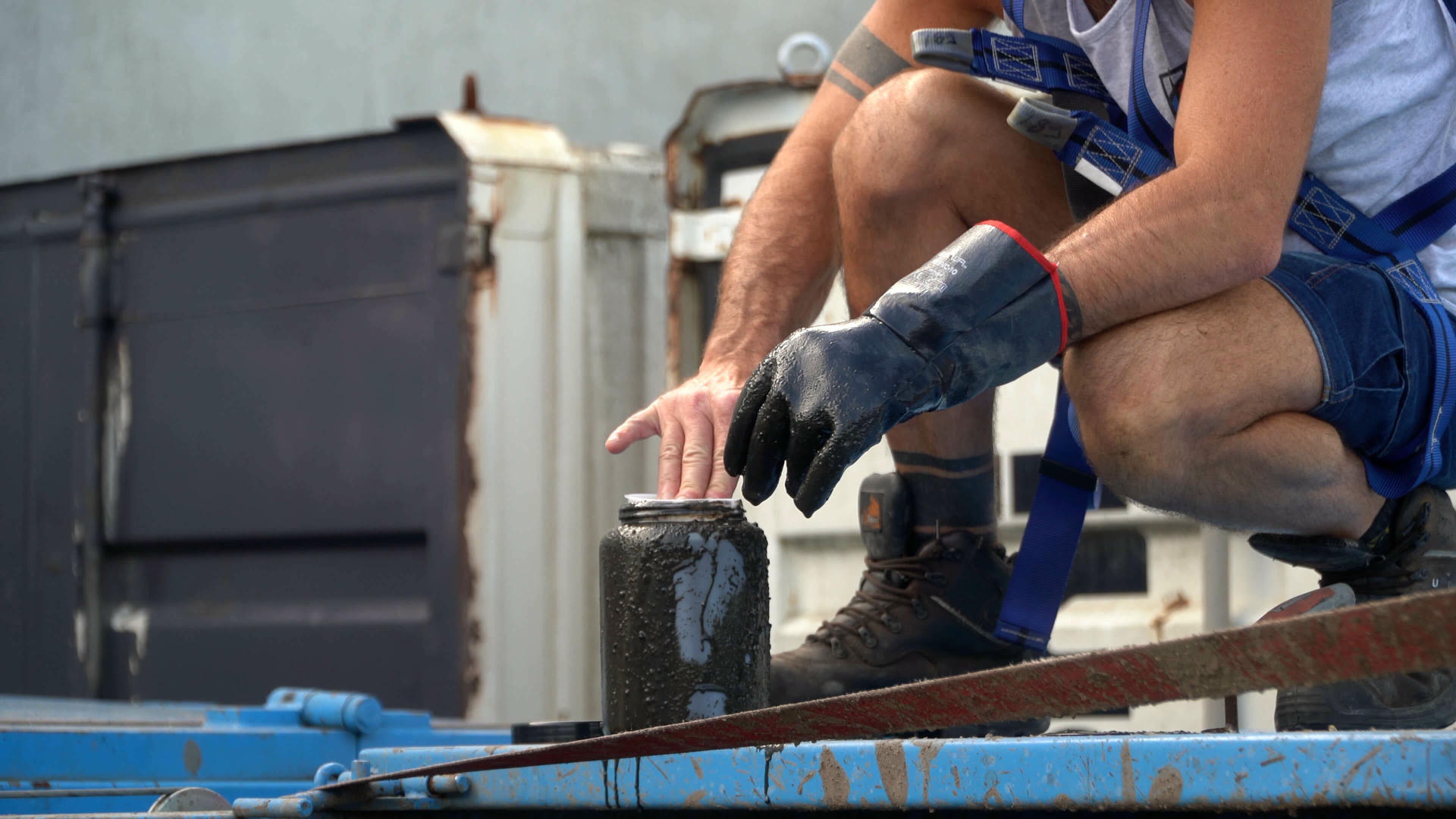
Laboratory process analysis is an activity that provides companies with an essential tool for the correct management of industrial sludge and wastewater. Through samples taken directly from plants, it is possible to monitor effluent quality, identify potential critical issues, and intervene before they develop into serious operational or environmental problems.
Dewatering sludge: how to reduce costs with mobile plants
Sludge management is one of the main costs for companies and treatment plants. In this context, mobile sludge treatment plants allow on-site operations, reducing disposal volumes. Dewatering separates liquid from solid components, making sludge more compact and cost-effective to handle.

Process Analysis Laboratory: Monitoring Industrial Sludge and Wastewater
Process analysis in the laboratory is a fundamental tool for companies managing industrial sludge and wastewater. By collecting samples directly from the plants, it is possible to monitor effluent quality, identify potential critical issues, and intervene before they turn into operational or environmental problems.

Sludge centrifuge and dewatering: technologies to reduce volume and disposal costs
The management of sludge produced by wastewater treatment plants represents one of the most significant operational cost and logistics challenges. Due to their high water content, sludge volumes can become considerable, directly impacting transport, storage, and final disposal activities.