The management of sludge produced by wastewater treatment plants represents one of the most significant operational cost and logistics challenges. Due to their high water content, sludge volumes can become considerable, directly impacting transport, storage, and final disposal activities.

Sludge dewatering is a technical process that separates the liquid fraction from the solid fraction contained in industrial or wastewater sludge. The main goal is to reduce water content, producing a more compact, stable, and manageable material.
Through this process it is possible to:
Sludge dewatering is therefore a key stage in modern wastewater and industrial sludge management.
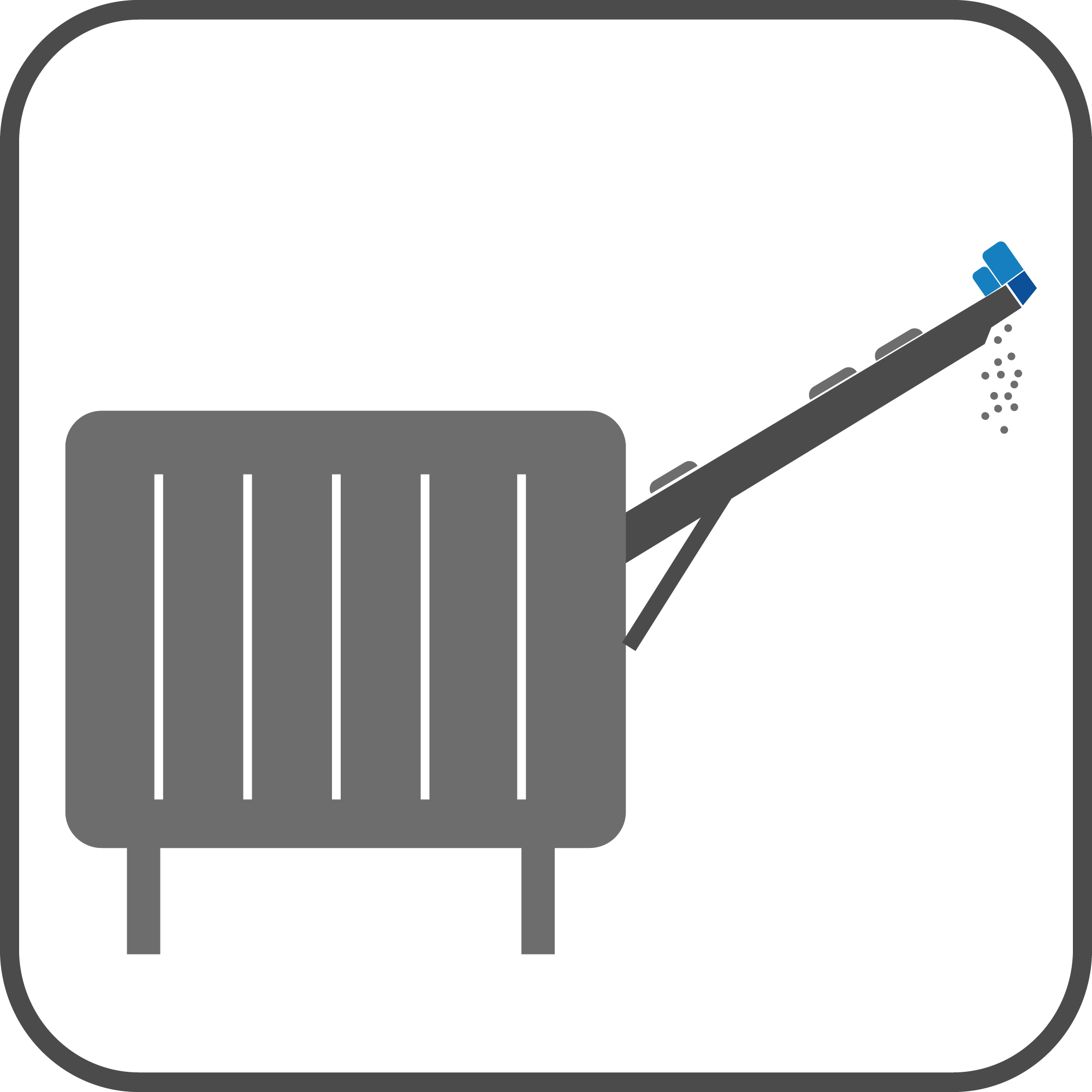
A sludge centrifuge is a mechanical technology that uses centrifugal force to separate solids from liquids quickly and efficiently. The sludge is fed into a high-speed rotating drum, where differences in density naturally separate the two phases.
The process includes:
The result is sludge with significantly reduced water content, more stable and more cost-effective to manage.
A sludge dewatering system becomes essential in all contexts where sludge production is continuous or high and disposal costs start to significantly impact operational budgets.
It is particularly useful when:
In these cases, dewatering is not only a technical choice but a strategic efficiency tool.
The use of centrifuges and dewatering systems provides both economic and operational benefits.
Main advantages include:
Reducing the water content in sludge is one of the most effective ways to improve overall system efficiency.
The centrifuge is not the only available solution, but it is one of the most efficient in terms of speed and performance.
Compared to other systems (such as filter presses or drying beds), it offers:
For this reason, it is widely used in both industrial and municipal wastewater treatment plants.
One of the most important aspects of sludge dewatering is its direct impact on total operating costs. Reducing water content means reducing everything related to sludge management: transport, disposal, and logistics.
This results in:
Dewatering therefore becomes a strategic lever for improving the economic sustainability of treatment plants.
Effective sludge management goes beyond dewatering alone and requires an integrated approach including analysis, treatment, and process optimization.
Franchini Servizi Ecologici supports wastewater treatment plants and industrial facilities with advanced sludge management and dewatering solutions, ensuring operational continuity, volume reduction, and cost optimization.
Not always, but it is one of the most efficient options when continuous operation and fast processing are required.