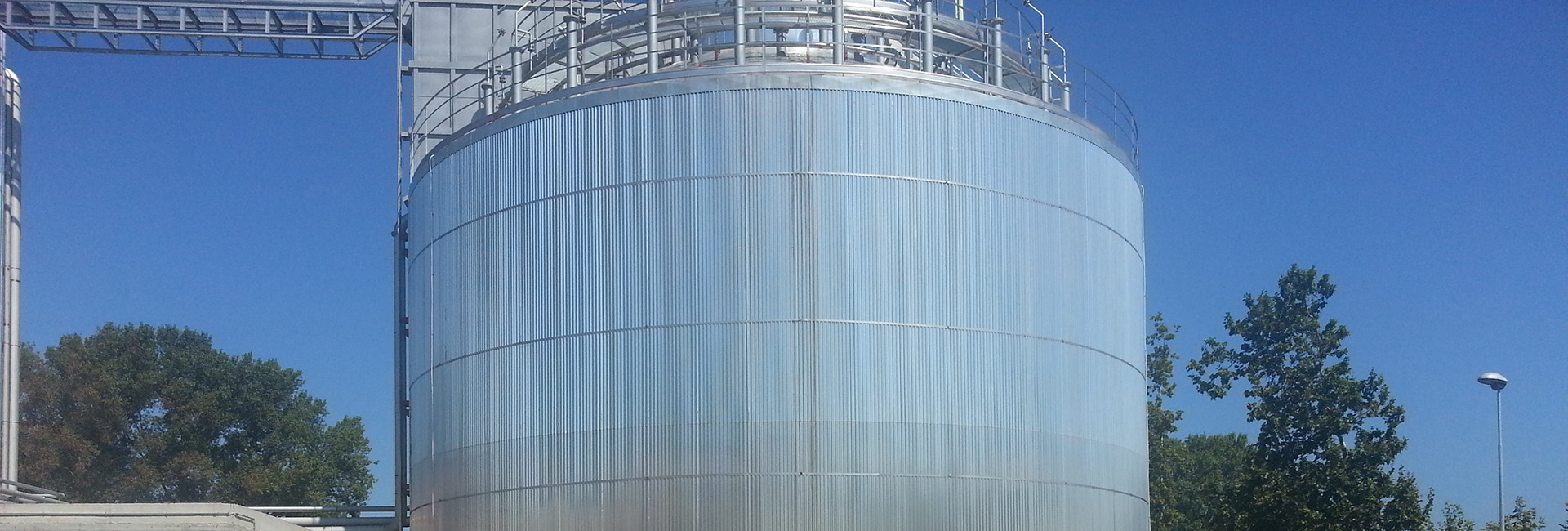
Fermenter Cleaning: Optimize the Performance of Your Biogas Plant
The efficiency of a biogas plant depends on the performance of each of its components. Fermenters, where the biomass begins its transformation process, are particularly vulnerable to crust formation and material accumulation that can hinder the entire process.
Franchini Servizi Ecologici offers a specialized fermenter cleaning service, a targeted intervention to preserve the functionality and productivity of your plant.
When to intervene and which problems can be prevented
Proper maintenance of fermenters helps prevent inefficiencies and ensures optimal plant operation:
- Removal of surface crusts that hinder biogas release
- Elimination of inert materials deposited at the bottom
- Restoration of the effective working volume
- Improvement of overall energy production
- Reduction of failures and unexpected downtime
Technical interventions and operational methods
| Activity | Tools / Methods | Notes |
| Fermenter cleaning | Dedicated equipment and suction systems | Removal of crusts and sediments |
| Material removal | Mechanical systems and controlled suction | Elimination of inert buildup |
| Safe operations | Confined space procedures | Regulatory compliance |
| Maintenance integration | Coordination with digester cleaning | Process optimization |
Benefits of fermenter cleaning for biogas plants
Fermenter cleaning is a strategic activity to maintain high plant performance and prevent operational issues:
- Increased biogas production
- Improved digestion process efficiency
- Extended plant lifespan
- Reduced extraordinary maintenance costs
- Integration with anaerobic digester cleaning services
FAQ
It is a process that removes crusts and accumulated materials from biogas plant fermenters.
Related Econews
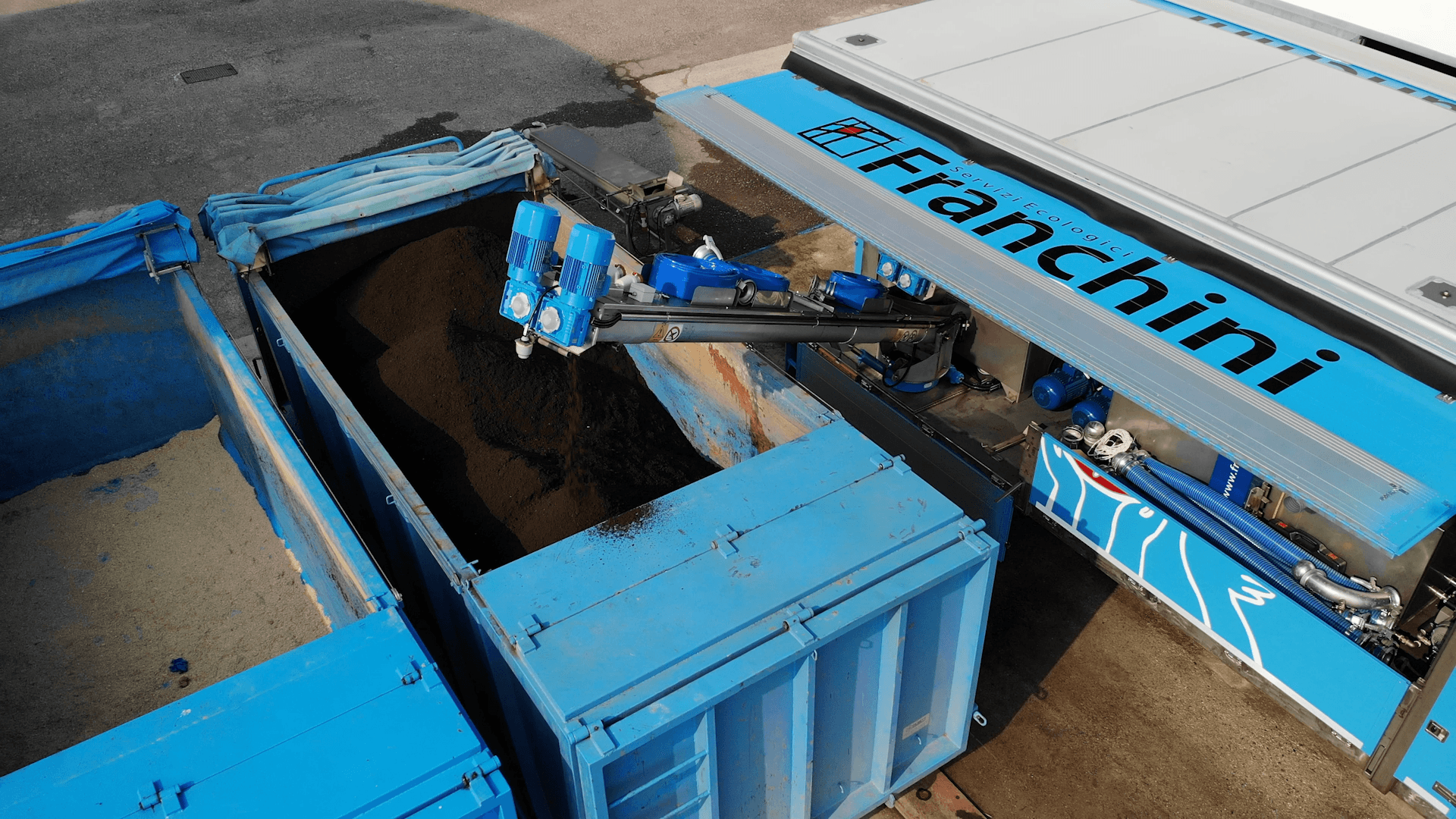
Dewatering sludge: how to reduce costs with mobile plants
Sludge management is one of the main costs for companies and treatment plants. In this context, mobile sludge treatment plants allow on-site operations, reducing disposal volumes. Dewatering separates liquid from solid components, making sludge more compact and cost-effective to handle.