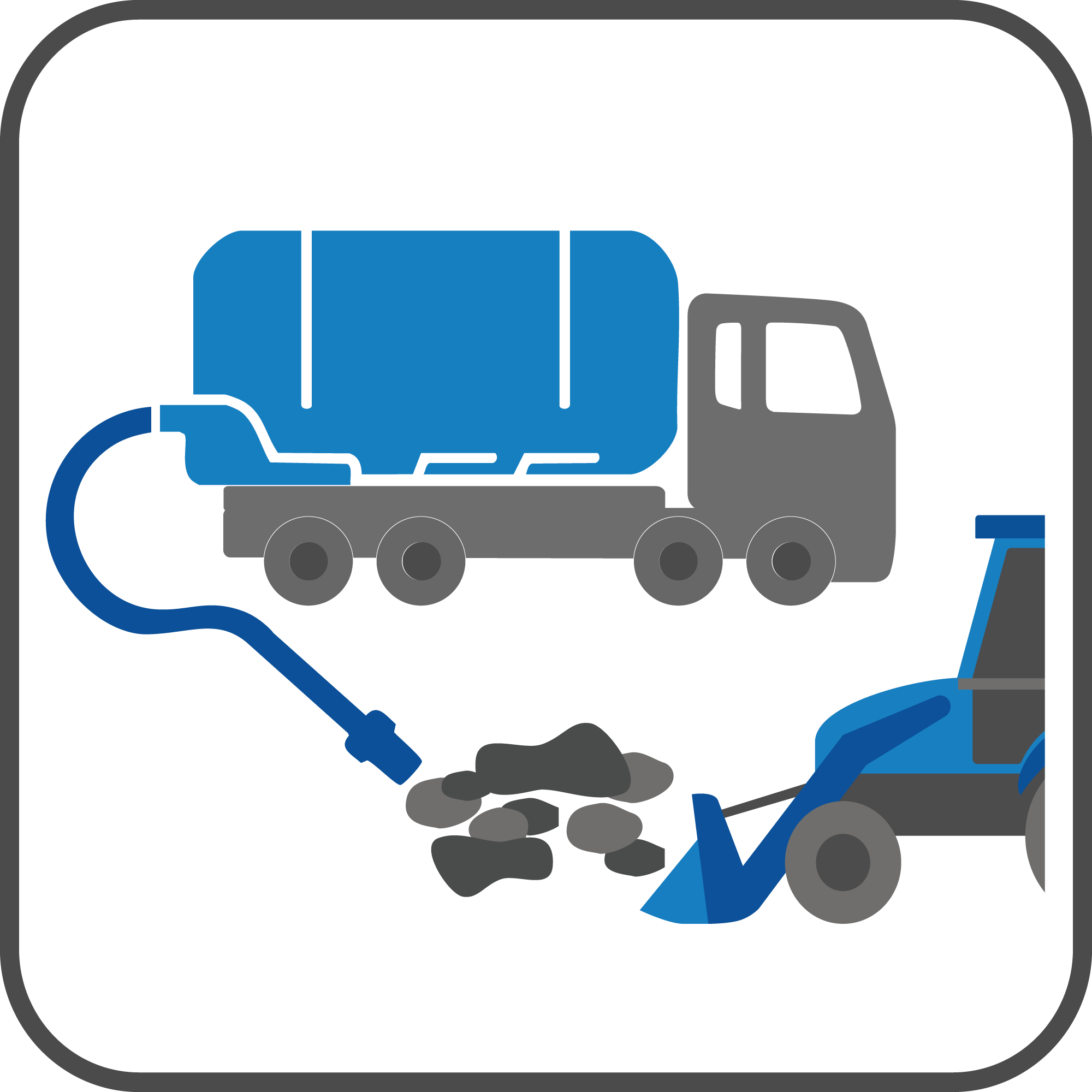
Sludge management is one of the main costs for companies and treatment plants. In this context, mobile sludge treatment plants allow on-site operations, reducing disposal volumes. Dewatering separates liquid from solid components, making sludge more compact and cost-effective to handle.
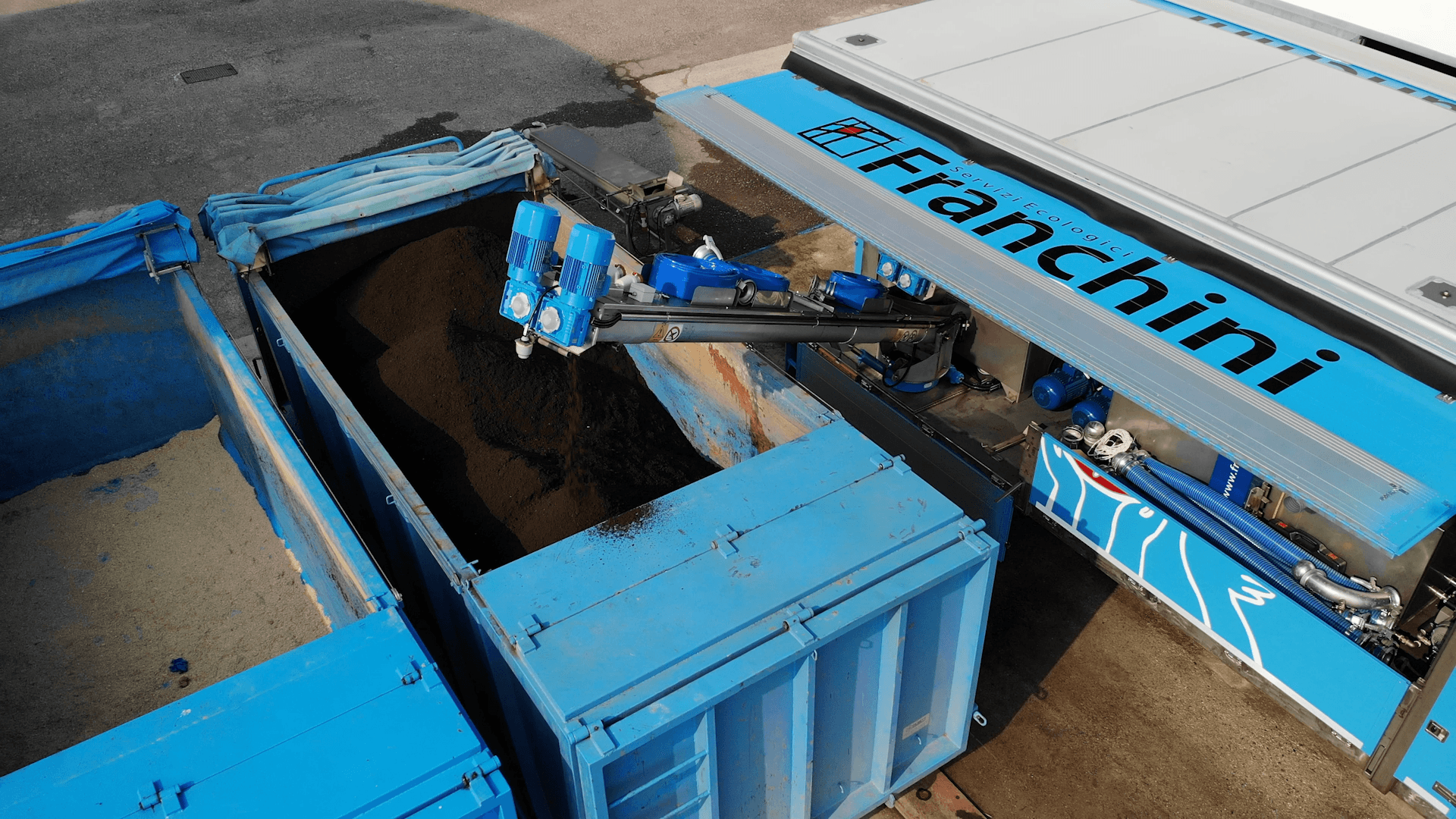
The cost of sludge disposal is closely linked to weight and volume. The higher the water content, the heavier the material and the greater the final cost. Through dewatering, it is possible to significantly reduce the overall mass, with a direct impact on transport and disposal at authorized facilities.
The main economic benefits include:
Mobile sludge treatment plants are designed to operate directly at the production site, avoiding the transfer of liquid waste. They use technologies such as centrifuges or filtration systems to quickly separate water and solids.
This approach allows you to:
Below is a summary of the economic impact of sludge dewatering:
| Parameter | Untreated Sludge | Dewatered Sludge |
| Water content | High (up to 90%) | Reduced (50–70%) |
| Volume | High | Reduced |
| Transport cost | High | Reduced |
| Disposal cost | High | Significantly lower |
The use of mobile sludge treatment plants is particularly advantageous in contexts where volumes are high or logistics significantly impact overall costs. Sectors such as chemical, food, and civil wastewater treatment can achieve immediate economic and operational benefits.
In particular, it is recommended when:
Don’t wait for them to impact your budget even more. Find out how mobile sludge treatment plants can quickly reduce costs and volumes while improving your plant’s efficiency.
It is not mandatory in all cases, but it is often the most effective solution to reduce costs and volumes, especially when sludge has a high water content.
They operate directly on-site, separating the liquid from the solid phase using centrifuges or filtration systems, reducing sludge volume and weight.
It is cost-effective when sludge has a high water content or when transport costs are significant, allowing immediate savings in management.