Relining or packer? Discover differences, benefits, and the best trenchless solution for sewer pipe repair and rehabilitation.
In sewer rehabilitation, there are methods that allow repairs directly from inside existing pipelines without excavation. These are called “no-dig” interventions and differ based on the extent and type of damage.
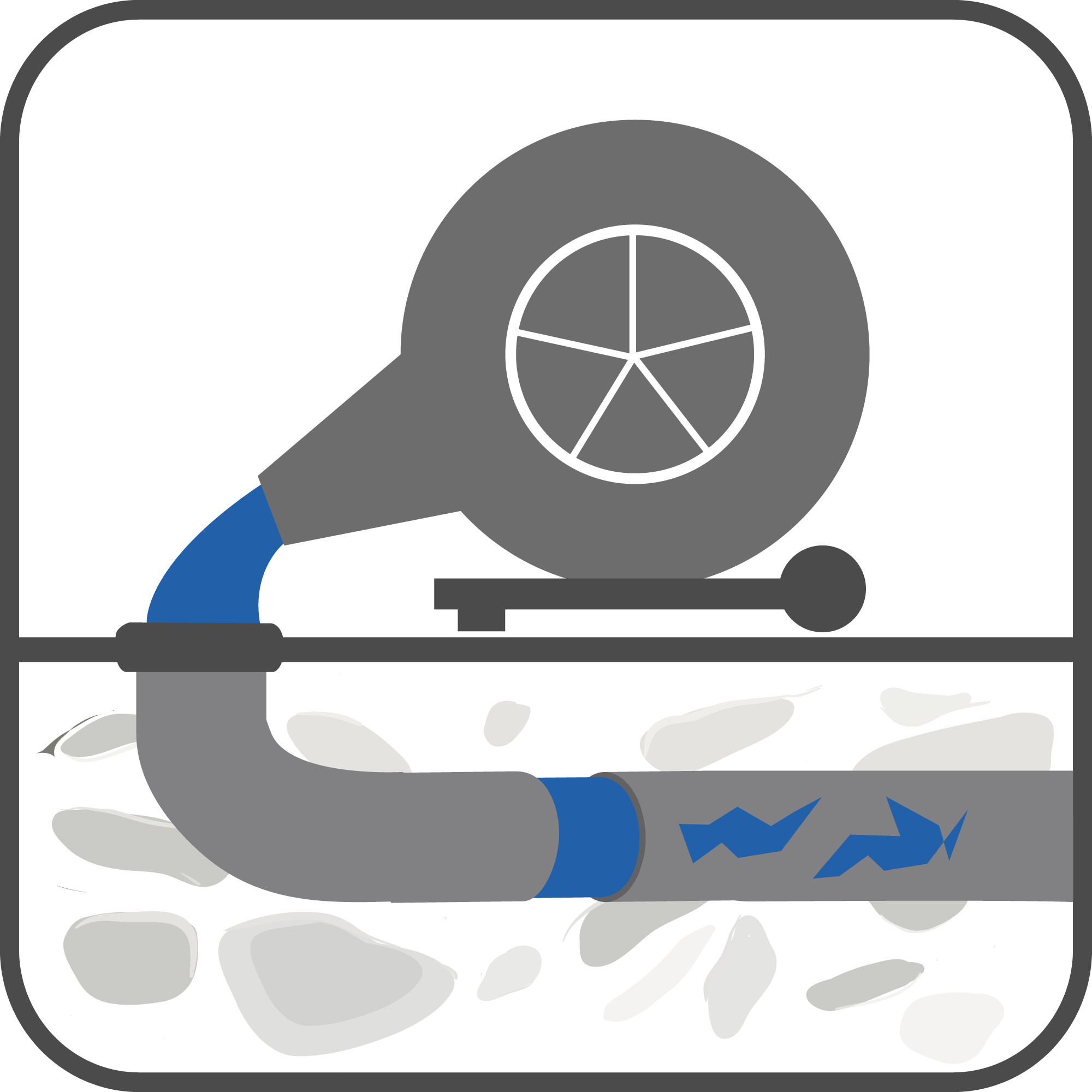
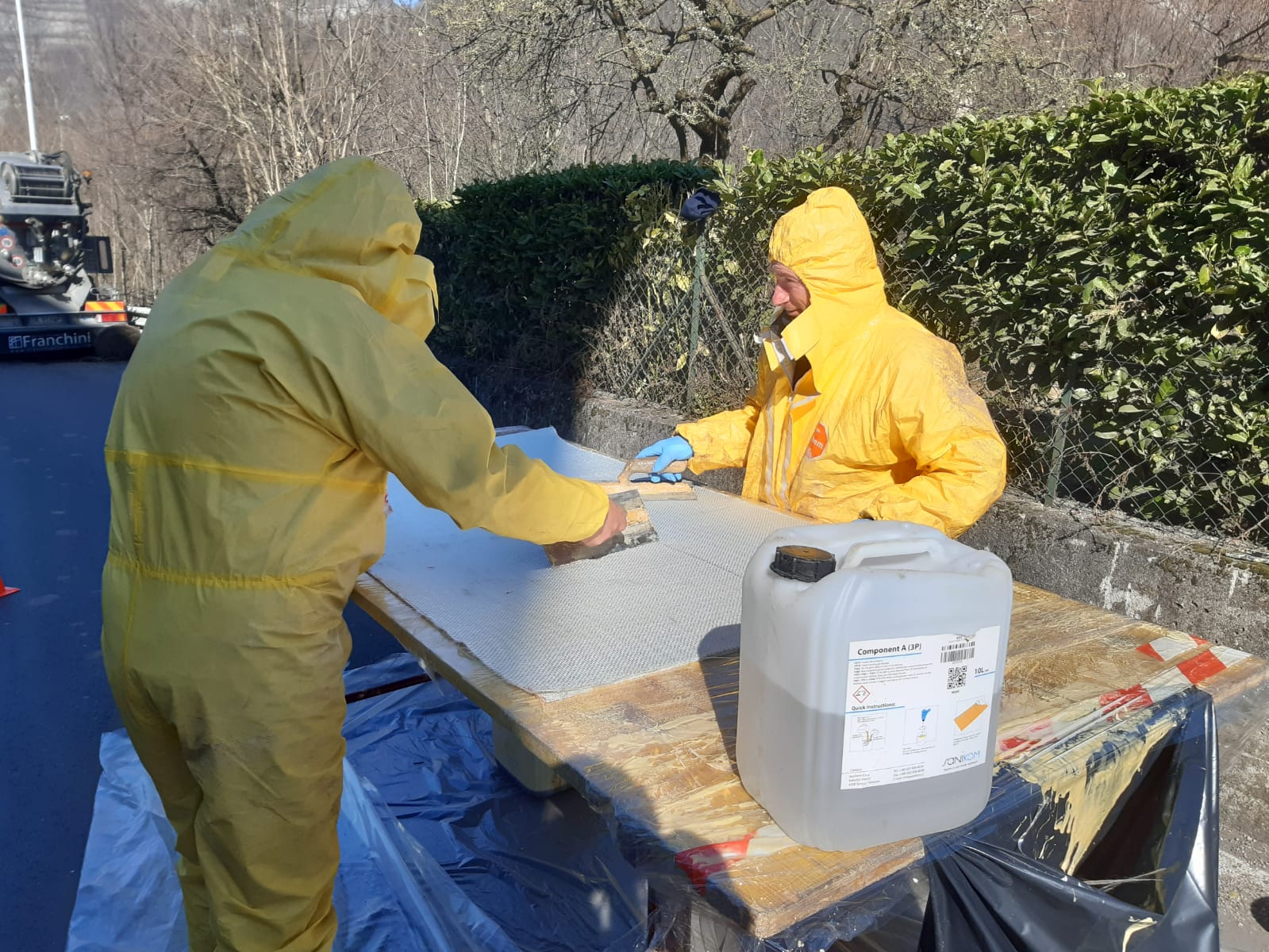
Relining is a non-destructive method that repairs damaged pipes without demolition. It involves lining the inside of the existing pipe with reinforced composite materials resistant to chemicals and wear, creating a new, self-supporting pipeline.
Once hardened, the material forms a durable pipe with a certified lifespan of up to 50 years.
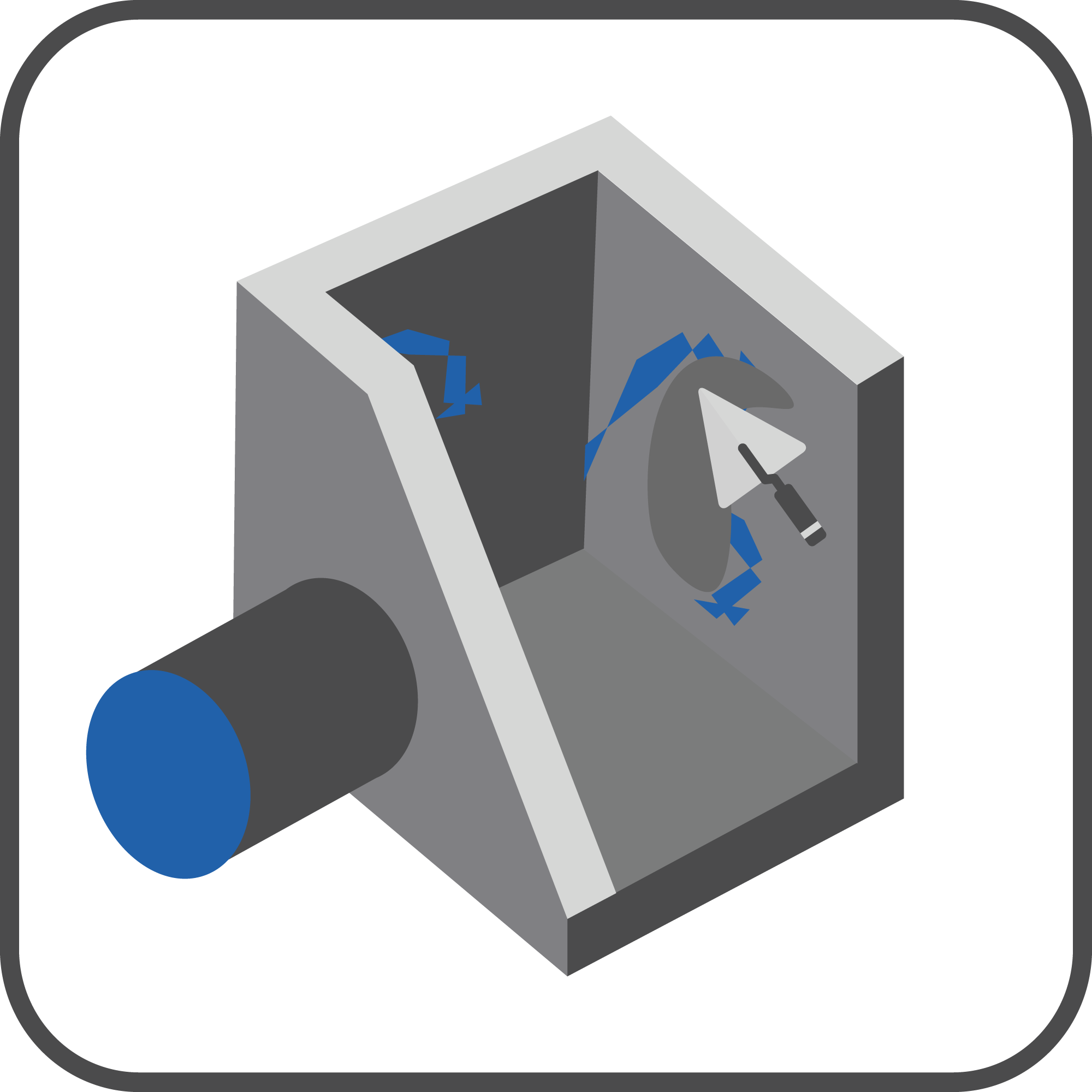
Relining is suitable for residential and commercial drainage systems, as well as large infrastructure such as channels or oil separators. It is an economical and sustainable solution, as it avoids pipe replacement and reduces environmental impact.
Each step is crucial to ensure safety, hydraulic sealing, and durability:
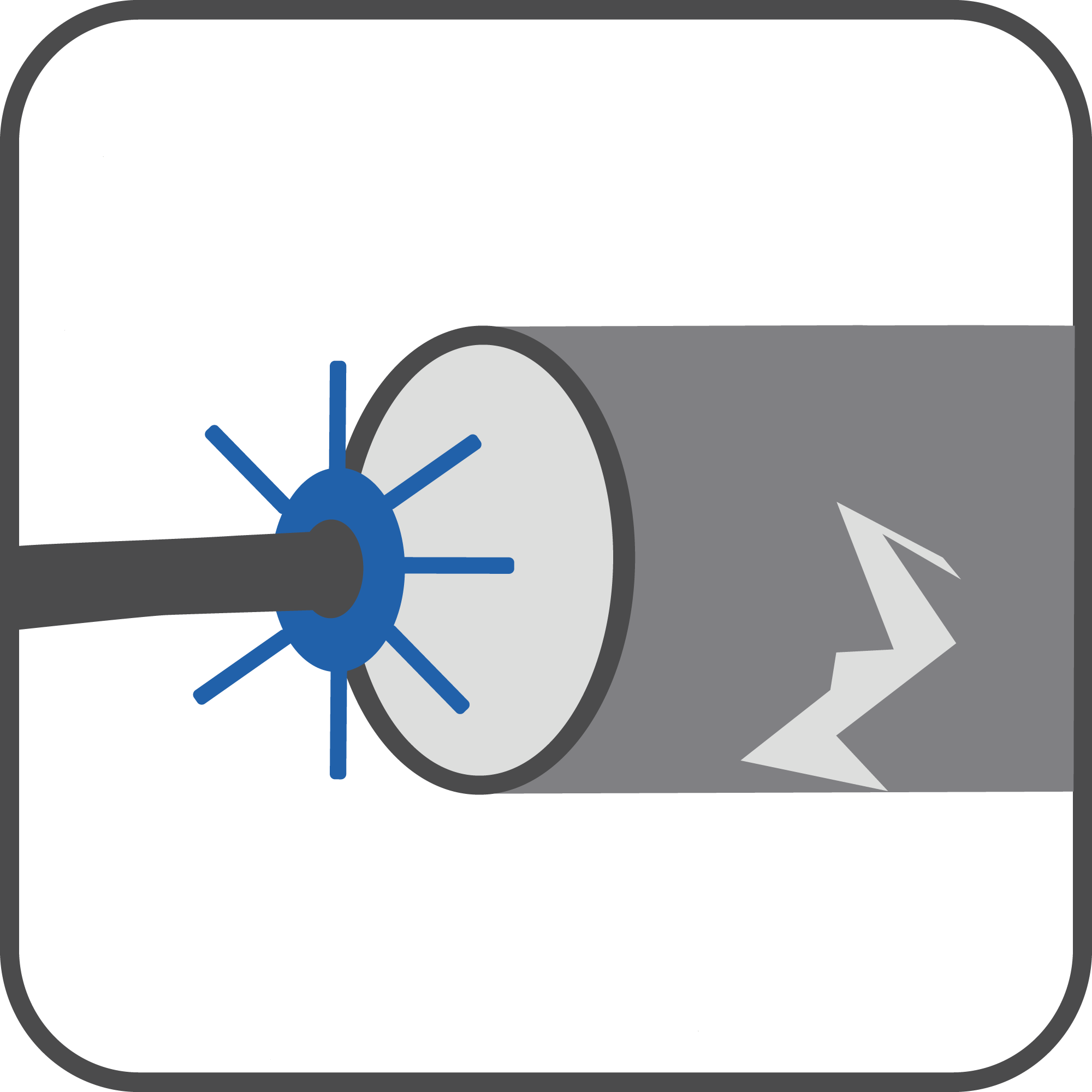
The packer is a localized repair technique used only on damaged sections of a pipeline. Unlike relining, which rehabilitates the entire pipe, packer targets specific areas.
It is ideal for limited damage and offers a cost-effective, minimally invasive solution.
Sewer rehabilitation must comply with technical standards regarding materials, safety, and wastewater management.
Before any intervention:
Choosing the wrong method can compromise safety and environmental protection, making certified professionals essential.
Franchini Servizi Ecologici provides full technical support—from inspection and diagnosis to choosing between relining and packer, execution, and final verification.
Companies benefit from safe, compliant, and tailored interventions.
A full rehabilitation method that creates a new internal pipe using resin lining.
A localized repair technique that seals specific damaged areas.
When damage is limited and does not affect the entire pipe.
No, it is a no-dig solution.
Up to 50 years with certified durability.