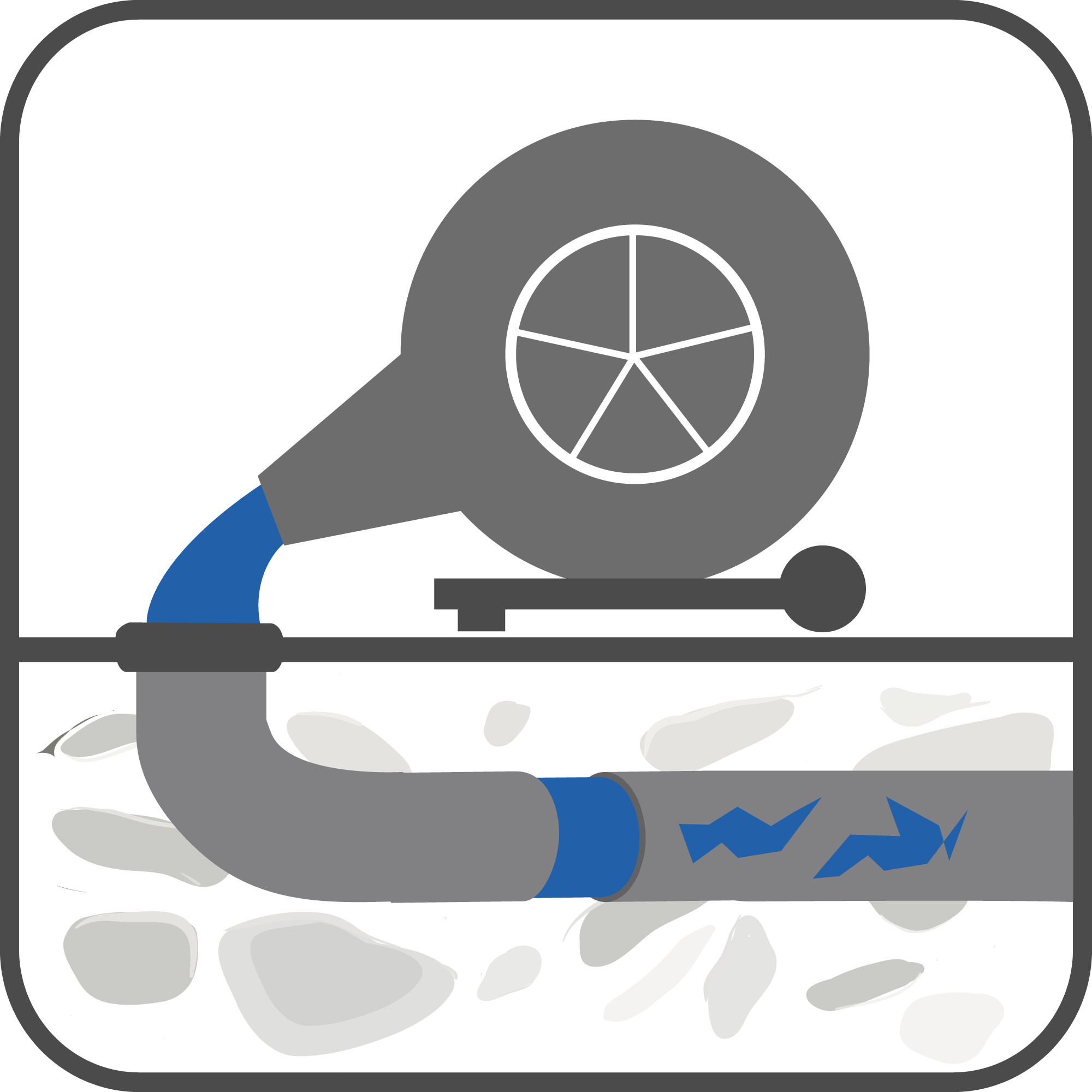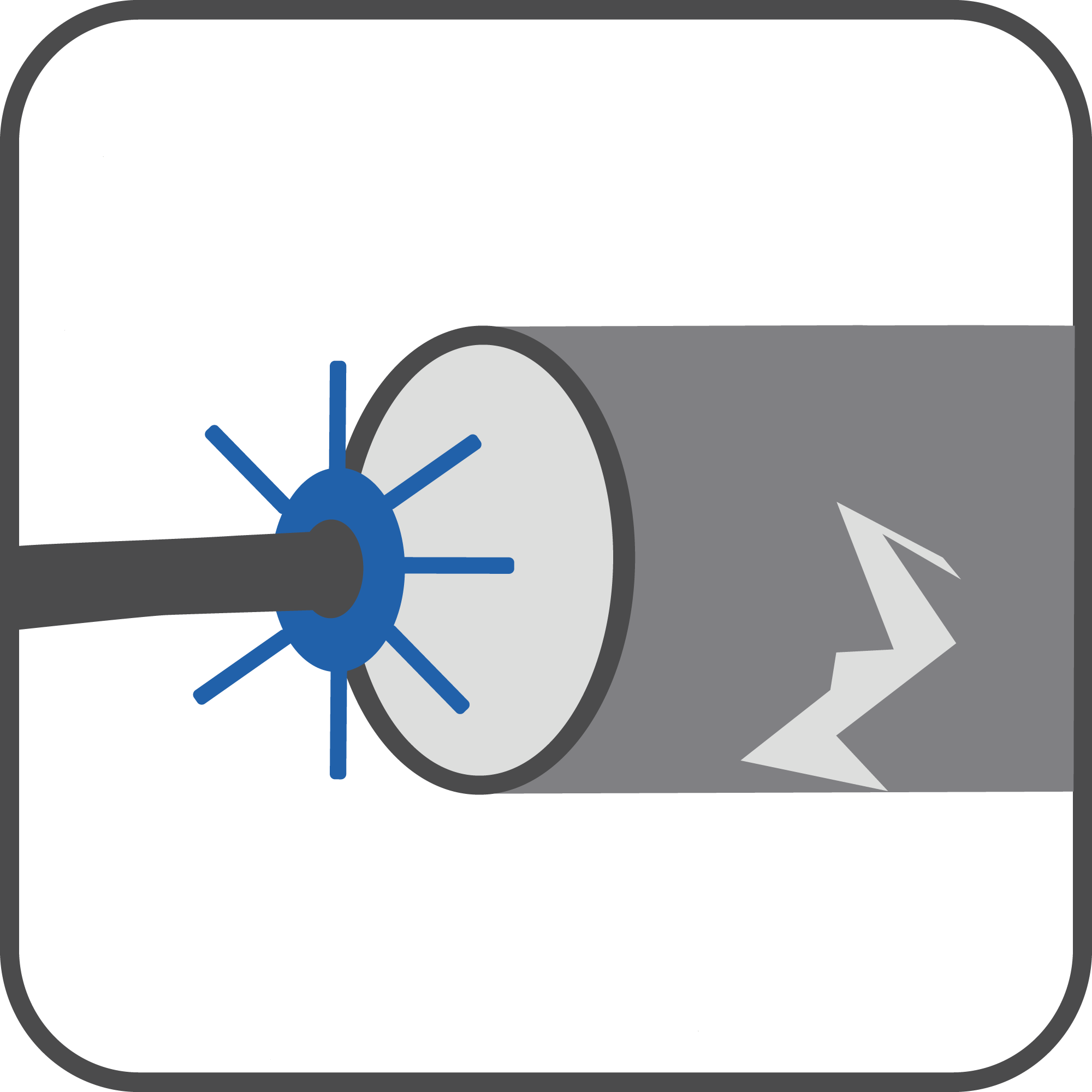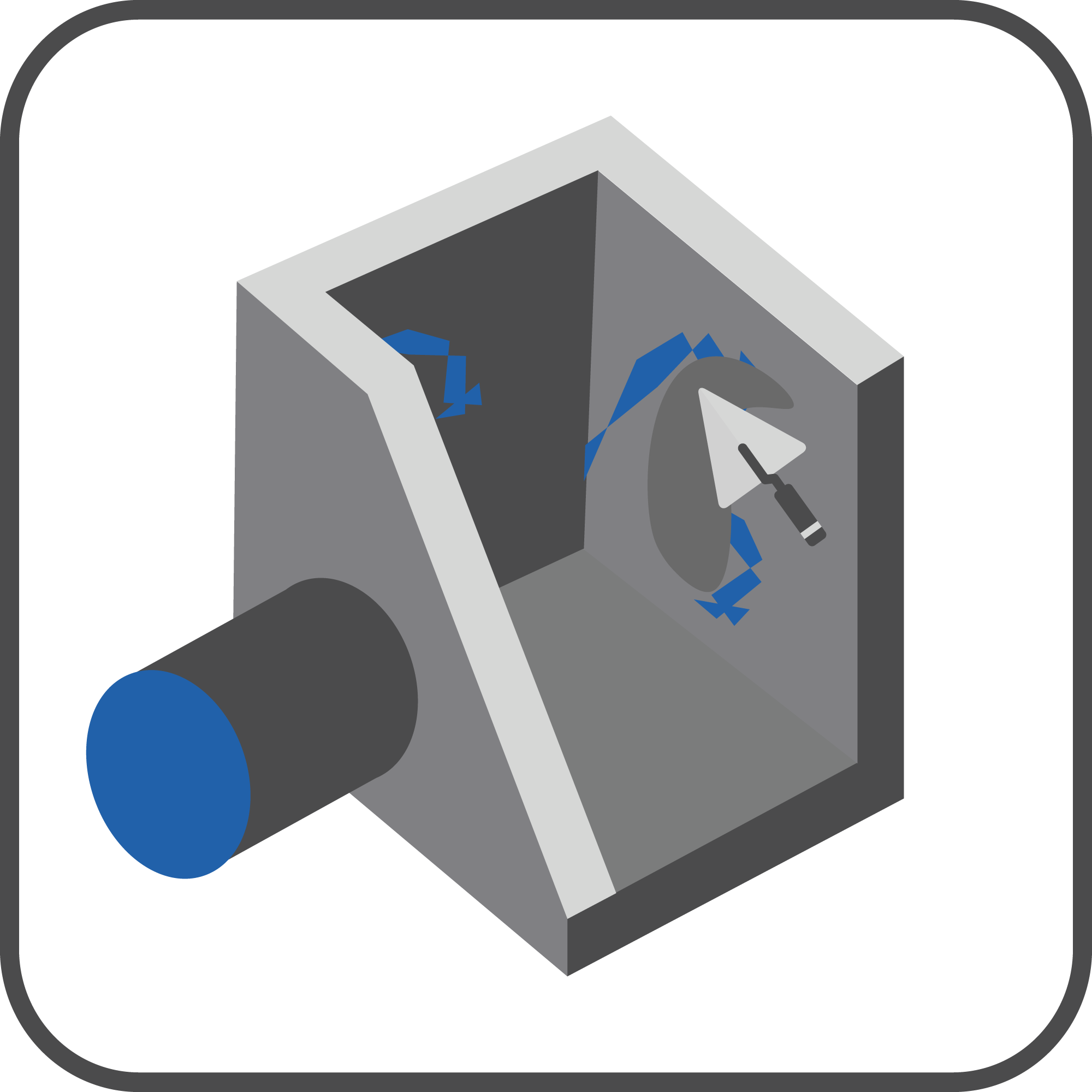
Repairing broken pipes without resorting to demolition is possible thanks to relining, a no-dig technology that allows the pipeline to be reconstructed from the inside by inserting a thermosetting resin liner. This method eliminates the need to break walls, floors, or dig up the garden, reducing intervention times by 50% and significantly cutting costs related to restoring building surfaces.
The main challenge for those dealing with a leak is the disruption caused by the worksite. Comparing traditional techniques with relining highlights substantial differences:
To understand which solution is more convenient for your case (whether it’s an apartment or an industrial warehouse), here is a comparison table:
| Repair with demolition | Relining (no-dig) | |
| Surface damage | Required and often extensive | None (existing access points are used) |
| Average time | 3–7 working days | 12–24 hours |
| Restoration costs | High (mason, tiler, painter) | None |
| Guaranteed lifespan | Varies depending on materials | Over 50 years |
| Noise disruption | High (jackhammers) | Minimal |
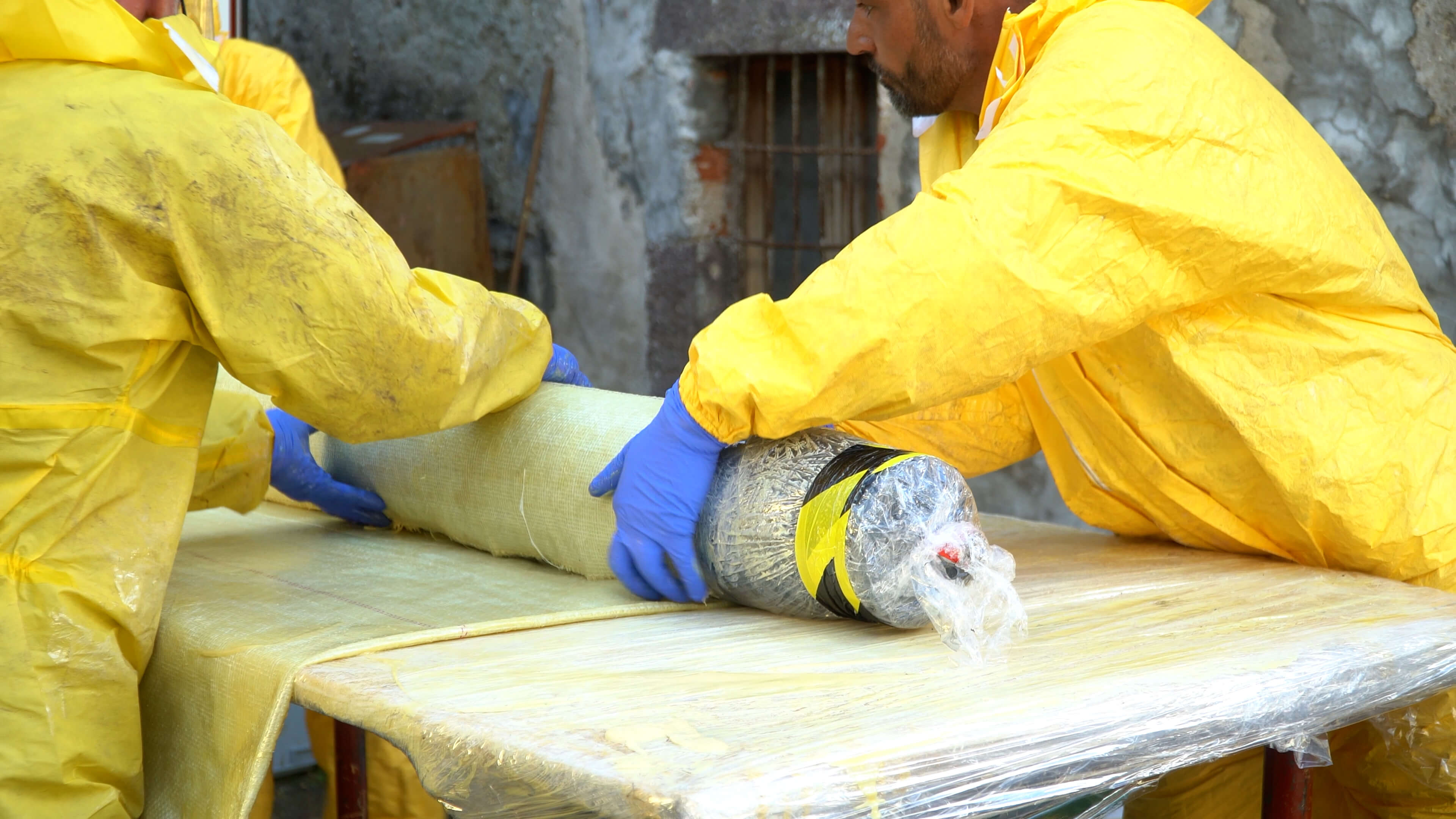
The no-dig method follows a rigorous technical protocol to ensure maximum sealing:
Relining is not just a patch, but a true structural rehabilitation. It is especially suitable for apartment buildings where breaking entrance floors or load-bearing walls would involve significant costs and permits.
Want to learn more about how this technology can save your floors? Discover the technical details of our no-dig rehabilitation service and request a consultation for your system.